
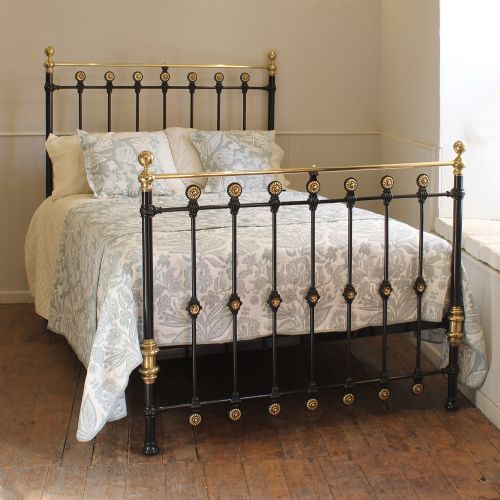
Antique Iron Beds
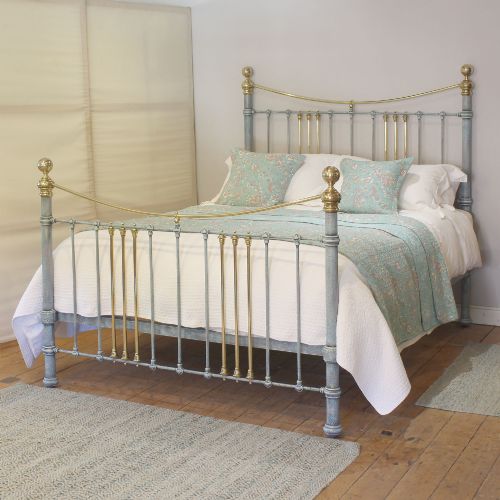
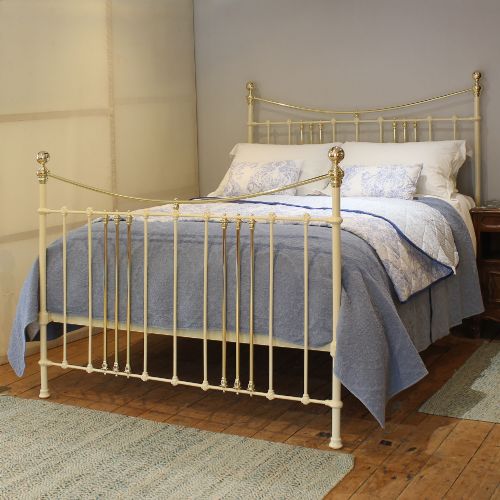
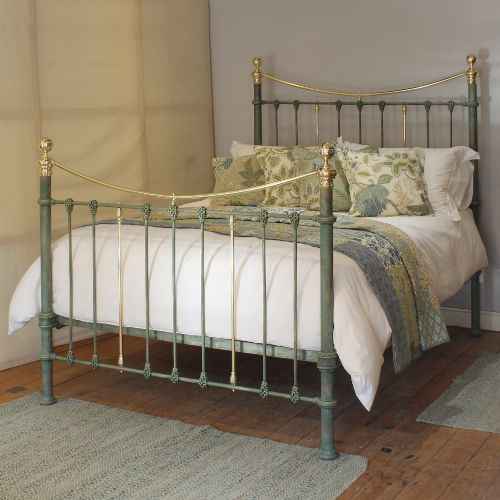
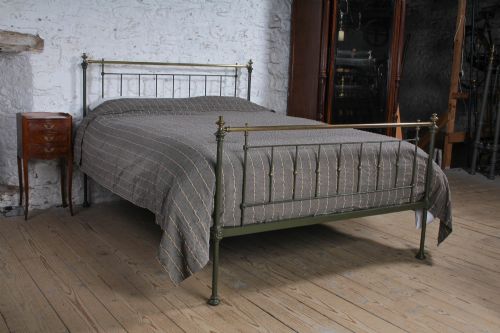
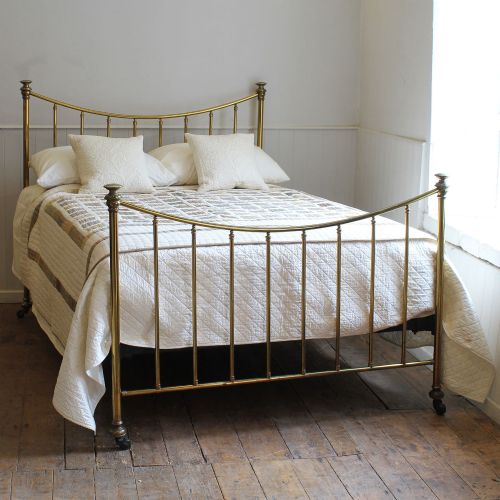
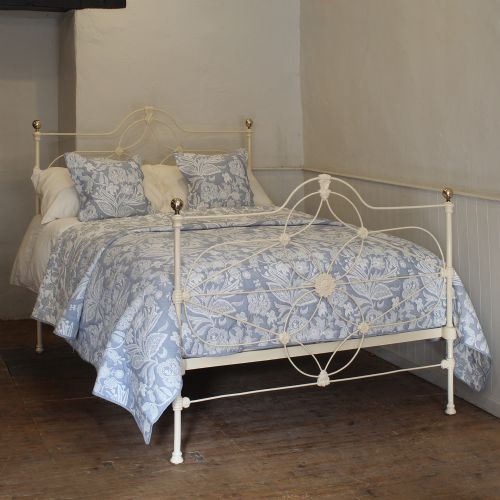
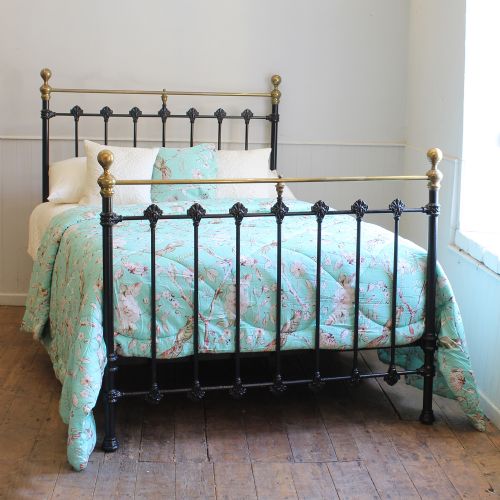
A metal bedstead of the Victorian or Edwardian years, sold as head end, foot end and side rails, with the mattress and base left to the buyer.
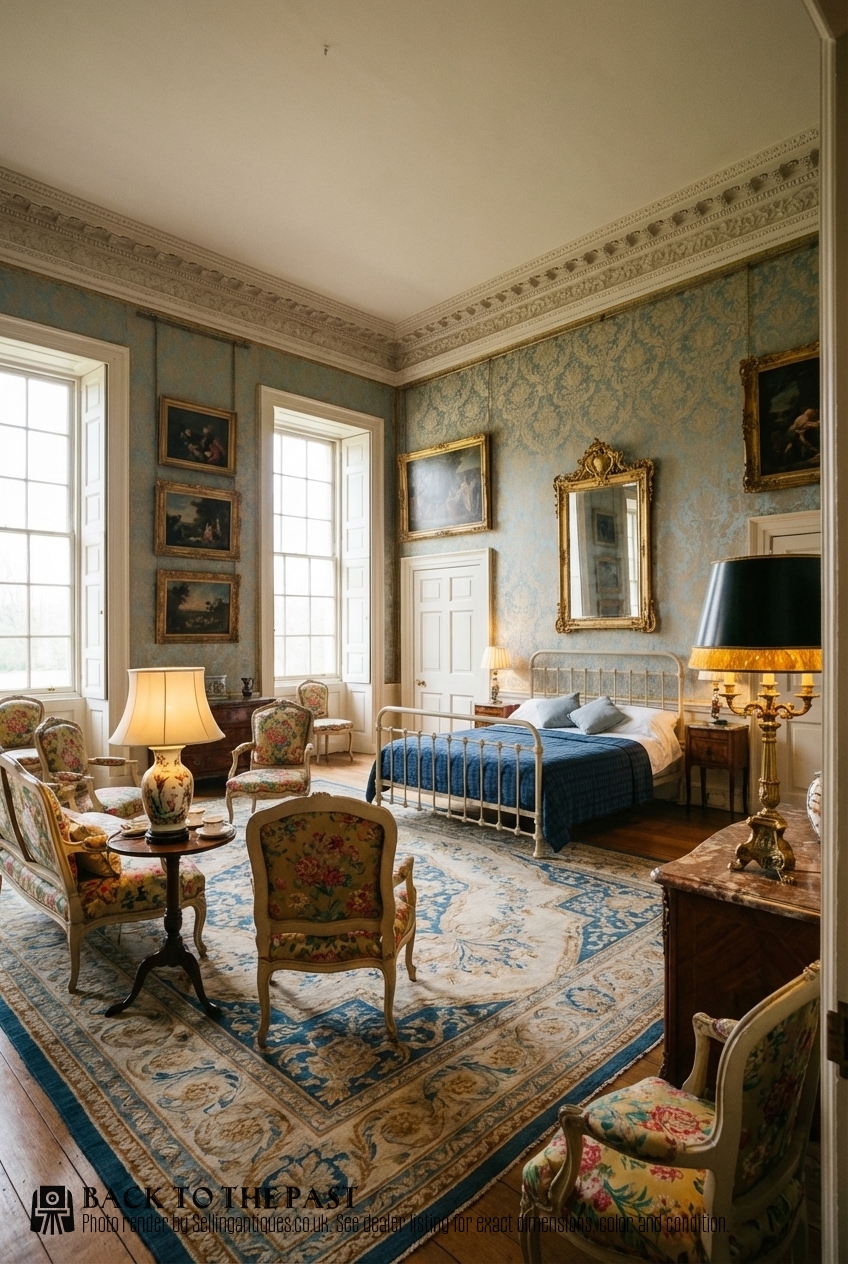
Antique Iron Beds
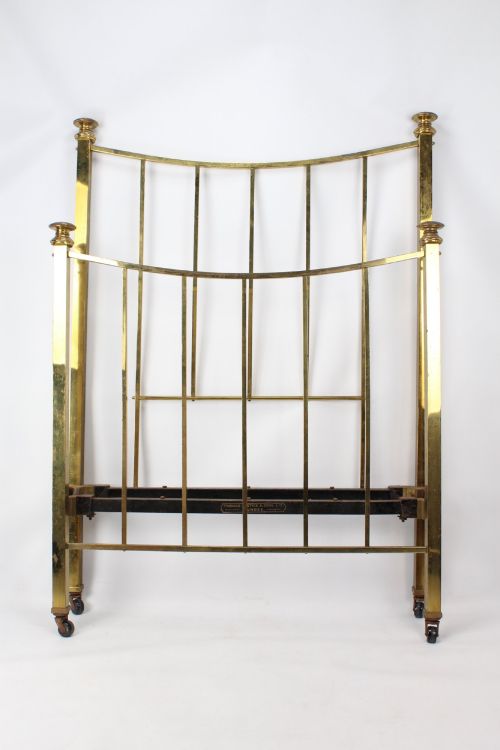
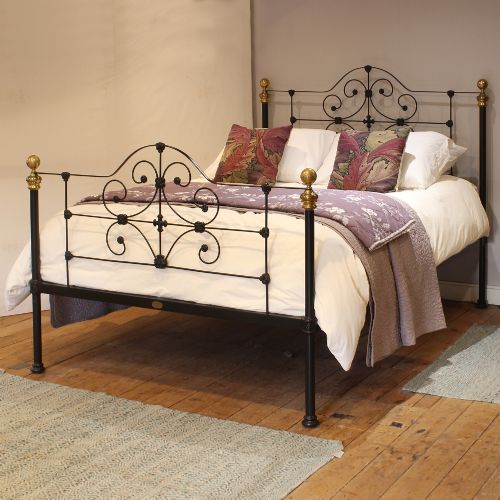
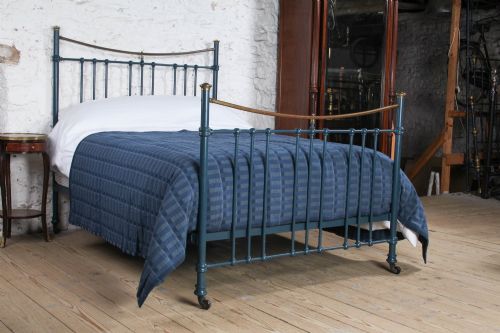
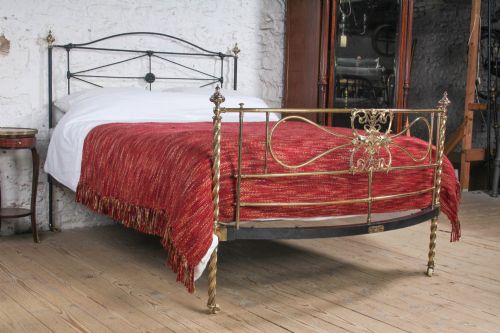
What sells under this heading is metal bedsteads: iron frames, brass-and-iron combinations, and a smaller number of all-brass ones. Half the titles on Sellingantiques say brass, and a great many say all iron or forged iron. You are buying the frame, not the sleeping surface.
Metal bedsteads were made in quantity from the mid-19th century as a cheaper and more hygienic answer to timber beds, which were thought to harbour bugs. They ran through the Victorian and Edwardian years before sprung divans took over. The dated listings run 1850 to 1930, the 1900s being the largest single bucket, and nothing earlier or later turns up.
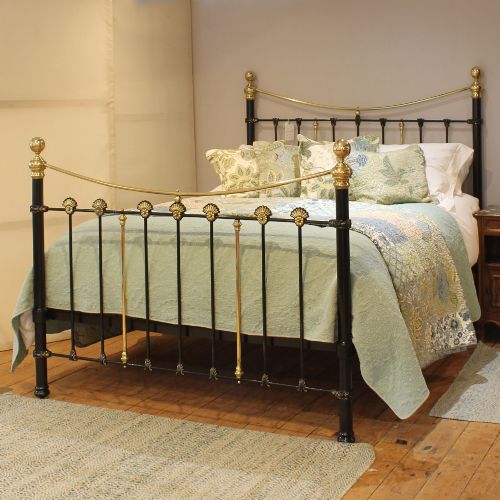
The commonest thing you will meet is a brass-and-iron bedstead described in a modern size. Two in five titles quote king, and 5ft is named outright in a good number of them, so these frames are presented in today's bed terms rather than Victorian ones. Doubles come next, then singles, with super kings a smaller group.
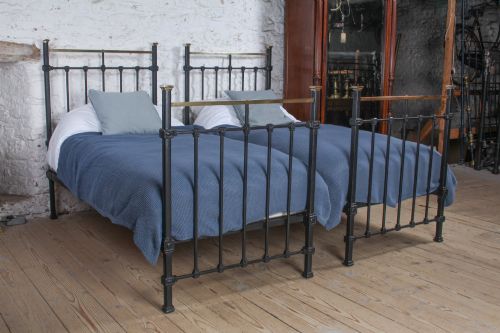
Beyond the English brass-and-iron type sit all-iron and hand-forged beds, and a steady run of imports: French in ninety titles, Irish in sixty-six, Portuguese in twenty-four, with Spanish, Italian and Austrian examples appearing once or twice. Pairs of singles that butt together to make one wide bed are their own sub-market, about one title in ten.
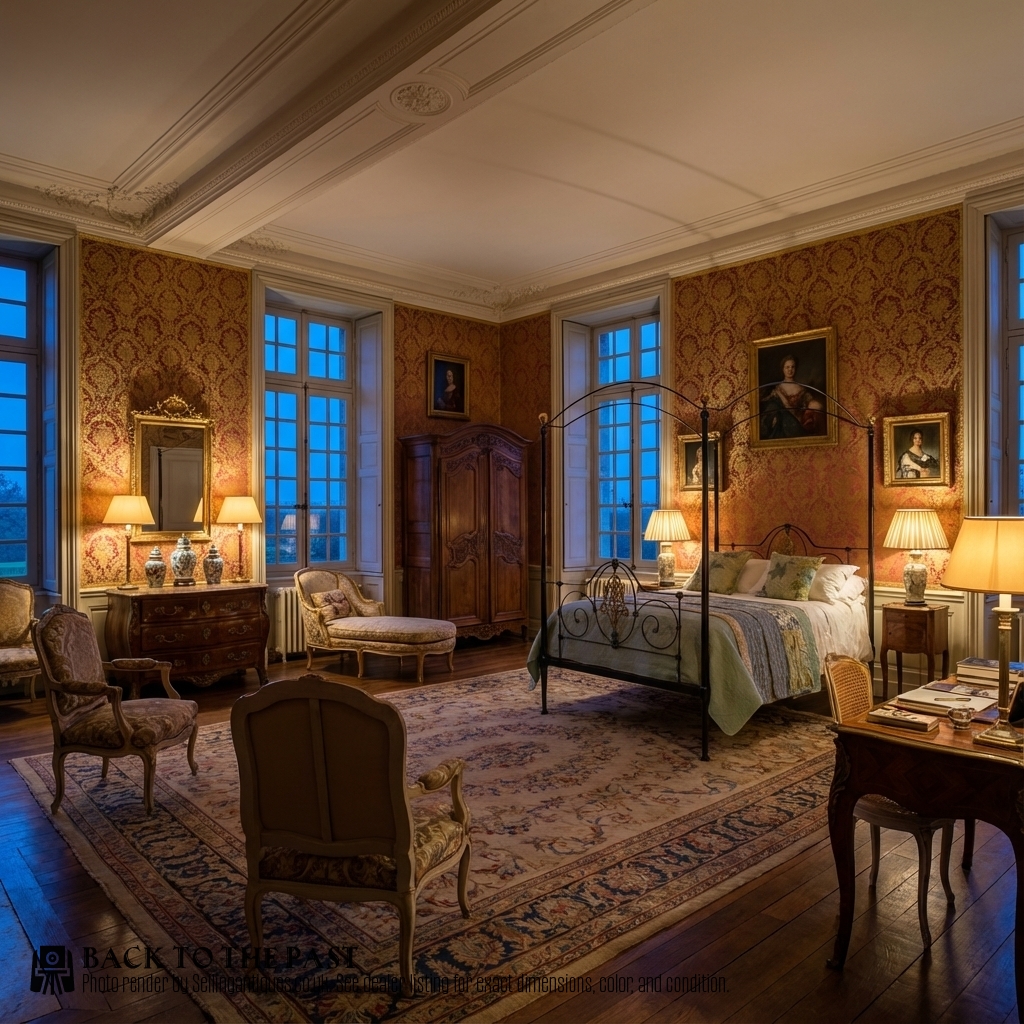
What Sets Them Apart
Width drives the range harder than anything else. Small singles of 2ft6 sit at the bottom, 6ft super kings cluster at the top, and one 7ft brass bed is among the largest recorded. A joinable pair of singles sits well above a lone single, since two 3ft frames make a super king.
After size comes brass. All-brass and brass-rich bedsteads with described knobs, spindles, finials, tapered posts and rings hold the upper end, while plain iron frames sit below them. Applied ornament pushes in the same direction: mother-of-pearl panels, porcelain detail, decorative castings, fleur de lys and rosettes all read above the plain forms.
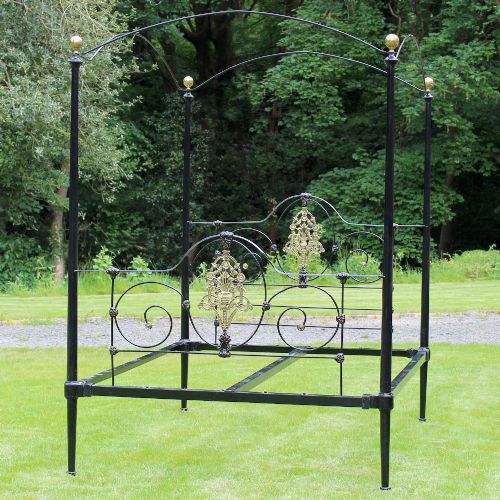
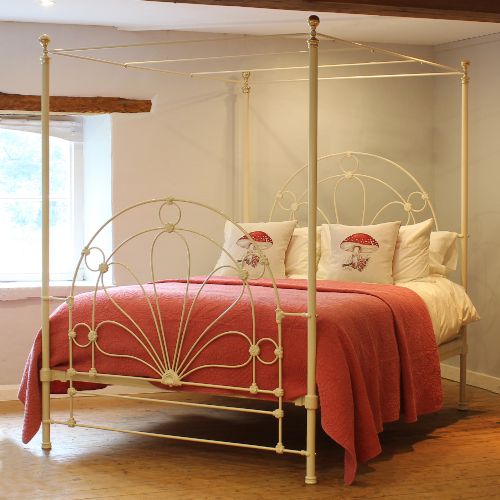
Named forms and named makers do the rest. Half testers and four posters surface only a handful of times across the whole run and sit at the very top. Winfield appears in fifteen titles. Maple & Co appears in a small handful. Both cluster in the dearer half of the archive.
Antique Iron Beds Retail Price Guide 2026
Typical UK retail prices for iron beds, calculated from the Sellingantiques database of over a million retail prices indexed since 2003. This retail price guide relies exclusively on Sellingantiques data; no external sources or auction records are used, so the figures do not describe the wider market.
The top sale of the last year on Sellingantiques was a cast iron half tester bed, sold with its base in October 2025.
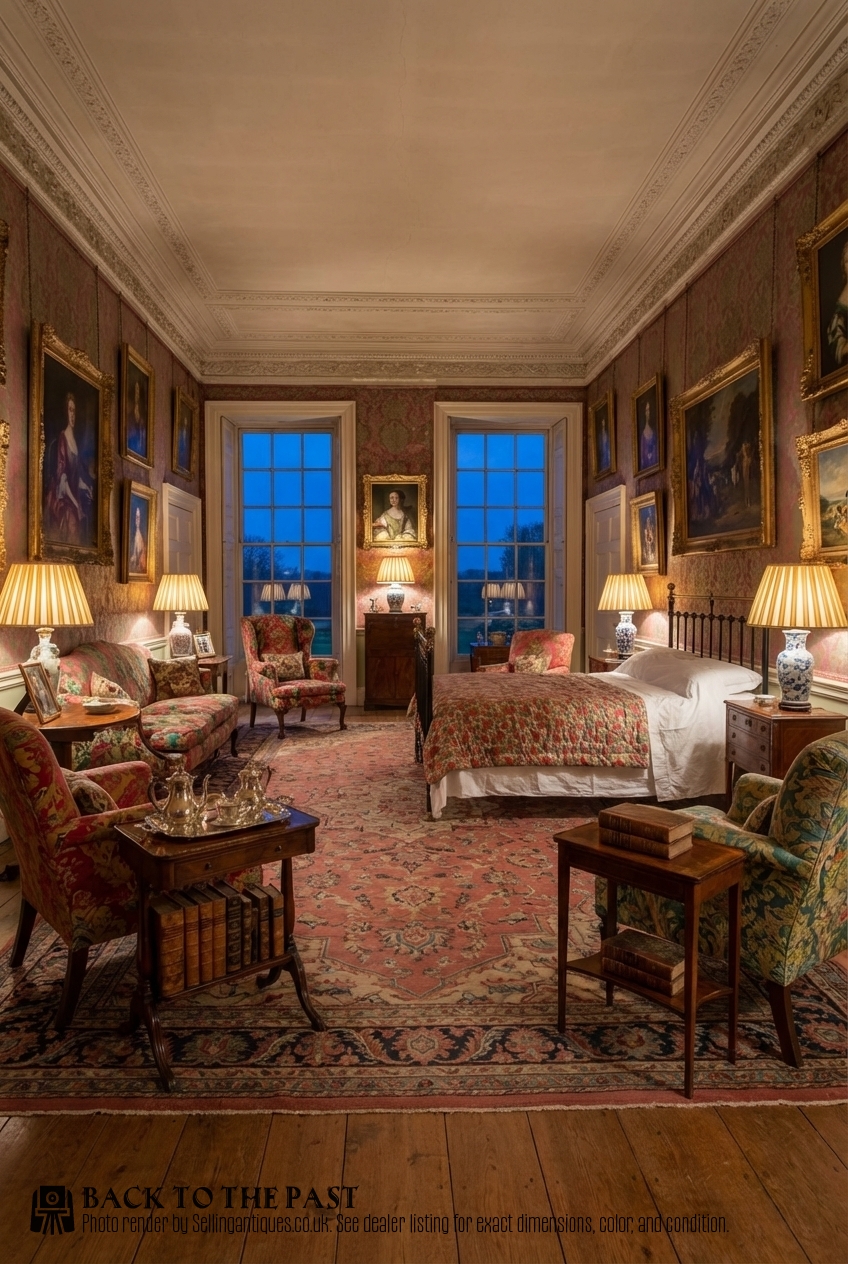
The Antique Iron Beds Glossary
- Bedstead
- The frame on its own, head end, foot end and side rails, without mattress or base. The word appears in forty-eight titles.
- Irons
- The side rails that connect head end to foot end. A title reading head and foot with side irons is telling you exactly what comes with the bed.
- King size / 5ft
- The dominant modern width quoted, with king in three hundred titles and 5ft named in fifty-four. Super king means 6ft, the largest routinely offered.
- Can be joined
- Said of a pair of singles whose frames butt together to make one wide bed. Thirty-five titles use the word joined.
- Dip rail
- A top rail that dips through the centre rather than running straight across. The flat-topped alternative is called a straight rail.
- No end
- A bed with a low or absent foot end, so the foot rail is minimal. Low end, used alongside it, means the foot is noticeably lower than the head.
Antique Iron Beds: Frequently Asked Questions
What size are antique iron beds?
Sizes are quoted in modern UK terms. King leads the titles, then double, then single, with super king a smaller group and three quarter widths appearing between single and double.
Some listings give the width in feet instead: 5ft for a king, 6ft for a super king, 2ft6 for a small single.
Does the bed come with a mattress or base?
No. These are sold as bedsteads: head end, foot end and side irons. The sleeping surface is left to the buyer.
Titles that spell out head and foot with side irons are describing that same three-part frame.
Are they iron or brass?
Both, and often at once. Half the titles say brass, usually meaning brass tube, knobs and finials dressed onto an iron frame.
All-iron and hand-forged beds make up a good part of the rest, with all-brass bedsteads a smaller group.
How old are antique iron beds usually?
The dated listings run from 1850 to 1930. The 1900s account for the largest number of clean years, followed by the 1890s and 1880s.
Roughly a third of the period information is a label rather than a date: Victorian, Edwardian or 19th century. A fair number of titles carry no date at all.
Why are pairs of single beds sold together?
Two singles of the same design can butt together to make one wide bed, often two 3ft frames making a 6ft super king. Sixty-nine titles say pair.
They can also be used apart as a matching pair of singles, which is why the phrase can be joined recurs.
Where were these beds made?
English brass-and-iron bedsteads dominate, described in listings as the classic Victorian type. French origins are named in ninety titles and Irish in sixty-six.
Portuguese appears in twenty-four, with Spanish, Italian, Austrian and American style examples turning up once or twice each.