10,106  PAGES BROWSED TODAY PAGES TODAY 36  ANTIQUES UPLOADED TODAY NEW ARRIVALS
ID #SA486023
FOR SALE
£3,800
Email
Save
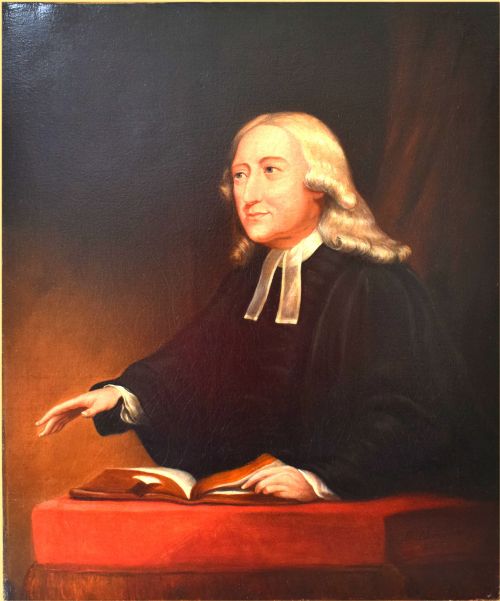
Attributed James Ward, Ra, 1769-1859 Portrait of Archbishop of York , William Markham 1719 – 1807
Artware Fineart
for sale €4,446     $4,826
£3,800

Artware Fineart

Sellingantiques Verified Since Sep 2008
View Dealers Stock Page
Id #SA486023
PDF SHARE
SAVE

Attributed James Ward, Ra, 1769-1859 Portrait of Archbishop of York , William Markham 1719 – 1807

18th century
For Sale by Artware Fineart
Description

Attributed James Ward, RA, 1769-1859

Portrait of Archbishop of York , William Markham 1719 – 1807

oil on canvas

30 x 25in. (76 x 63.5cm.)

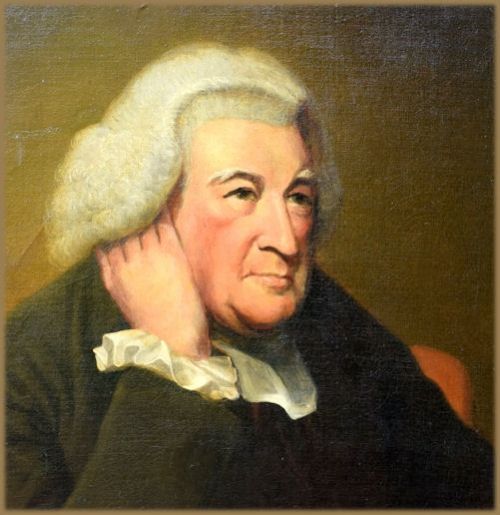
Markham, William (bap. 1719, d. 1807), archbishop of York, was baptized at Kinsale, in the county of Cork, on 9 April 1719, the eldest of the four children of Major William Markham (d. 1771) and his wife, Elizabeth (1686–1772), a distant cousin and the daughter of George Markham of Worksop Lodge, Nottinghamshire. His father was an army officer of literary tastes who ran a school to supplement his half pay. The family claimed descent from the Markhams of Cotham.

After early education at home from his father Markham was admitted to Westminster School as a home boarder on 21 June 1733; there his academic talents were complemented by skills as an oarsman and a boxer. In 1738 he obtained a studentship at Christ Church, Oxford, and matriculated on 6 June 1738. He took the degrees of BA (13 May 1742), MA (28 March 1745), BCL (20 November 1752), and DCL (24 November 1752). He held the college lectureship in rhetoric from 1747 to 1750 and was appointed junior censor the following year. Markham's literary talents and wide-ranging classical scholarship flowered during these years at the house. His ‘Judicium paridis’, a Latin verse version of Shakespeare's ‘Seven Ages of Man’, was published in volume 2 of Vincent Bourne's Musae Anglicanae in 1741, while other specimens of his Latin verse appeared in the second volume of Carmina quadragesimalia (1748).
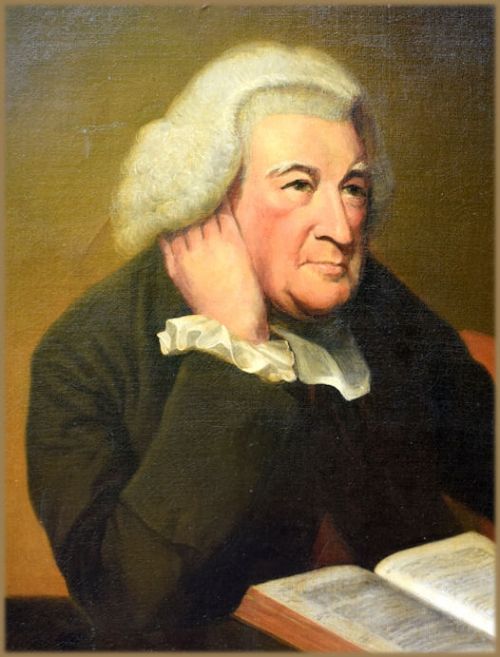
After ordination and continental travel Markham followed his father's example and took up teaching. In 1753 the headship of Westminster School fell vacant on the retirement of Dr John Nicholl, and Markham's familiarity with the school and his high academic standing secured him the post. There he remained for the next eleven years, taking what the Public Advertiser in 1755 called ‘the first Seminary of School Learning in Europe’ through its two hundredth anniversary in 1760. Markham established a reputation as one of the most formidable headmasters of the eighteenth century, though more for his managerial than for his pedagogical skills. Teaching was never Markham's first priority but he had an undeniable presence in the classroom. One of his pupils, Jeremy Bentham (Westminster, 1755–60, and himself the son of a Christ Church canon), famously described Markham in the form room as ‘an object of adoration’ (Works of Jeremy Bentham, 10.30). Many other members of the later Georgian élite received their schooling at his hands. Without personal wealth or high birth Markham sedulously but never fawningly cultivated the powerful throughout his life. He watched over the interests of former pupils, while many of them tended his.
Markham meanwhile accumulated church preferments, thanks to the friendly interest extended by that old Westminster, the duke of Newcastle. He was appointed chaplain to George II in 1756, and Bishop Richard Trevor nominated him to the second prebendal stall in Durham Cathedral on 22 June 1759 (installed 20 July). There were murmurings that the headmaster was putting personal interests before those of the school, and indeed by 1763 Markham was angling for a crown appointment. He eventually resigned the headmastership (pleading ill health) on 8 March 1764 but only received a fresh post towards the end of the Grenville ministry when the Rochester deanery fell vacant. Markham was instituted as dean on 20 February 1765 and in the same year was presented by the chapter to the vicarage of Boxley, Kent. His stay at Rochester was brief. The death of David Gregory in September 1767 offered an opening for Markham to return to Christ Church, and he exchanged one deanery for another the following month with the blessing of both Newcastle and Archbishop Secker. Thus began a decade in academic office which saw Markham at his most creative

Physical Dimensions
Height
76cm (29.92")
Width
64cm (25.20")
Depth
3cm (1.18")
Declaration

Artware Fineart has dated this Georgian Oil Portrait Painting to the 18th Century.

Reference Numbers
Sellingantiques Reference
SA486023
Dealers Internal Reference
3908
Description
Attributed James Ward, RA, 1769-1859

Portrait of Archbishop of York , William Markham 1719 – 1807

oil on canvas

30 x 25in. (76 x 63.5cm.)

Markham, William (bap. 1719, d.

1807), archbishop of York, was baptized at Kinsale, in the county of Cork, on 9 April 1719, the eldest of the four children of Major William Markham (d.
Artware Fineart

1771) and his wife, Elizabeth (1686–1772), a distant cousin and the daughter of George Markham of Worksop Lodge, Nottinghamshire. His father was an army officer of literary tastes who ran a school to supplement his half pay. The family claimed descent from the Markhams of Cotham.

fig 1. An eighteenth-century oil painting depicting a seated gentleman wearing a dark coat and white wig resting his hand beside an open book.
fig 1. Attributed James Ward, Ra, 1769-1859 Portrait of Archbishop of York , William Markham 1719 – 1807

After early education at home from his father Markham was admitted to Westminster School as a home boarder on 21 June 1733; there his academic talents were complemented by skills as an oarsman and a boxer. In 1738 he obtained a studentship at Christ Church, Oxford, and matriculated on 6 June 1738. He took the degrees of BA (13 May 1742), MA (28 March 1745), BCL (20 November 1752), and DCL (24 November 1752). He held the college lectureship in rhetoric from 1747 to 1750 and was appointed junior censor the following year. Markham's literary talents and wide-ranging classical scholarship flowered during these years at the house. His ‘Judicium paridis’, a Latin verse version of Shakespeare's ‘Seven Ages of Man’, was published in volume 2 of Vincent Bourne's Musae Anglicanae in 1741, while other specimens of his Latin verse appeared in the second volume of Carmina quadragesimalia (1748).

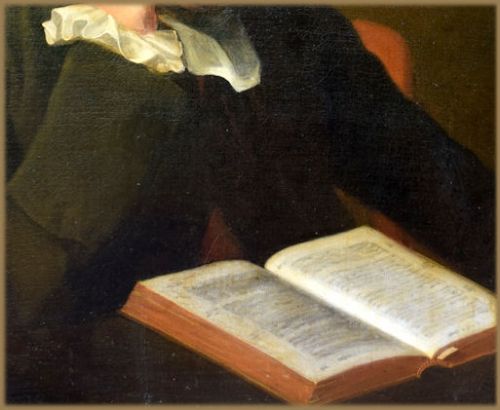
fig 2. An eighteenth-century oil painting depicting a seated gentleman wearing a dark coat and white wig resting his hand beside an open book.
fig 2. Attributed James Ward, Ra, 1769-1859 Portrait of Archbishop of York , William Markham 1719 – 1807

After ordination and continental travel Markham followed his father's example and took up teaching. In 1753 the headship of Westminster School fell vacant on the retirement of Dr John Nicholl, and Markham's familiarity with the school and his high academic standing secured him the post. There he remained for the next eleven years, taking what the Public Advertiser in 1755 called ‘the first Seminary of School Learning in Europe’ through its two hundredth anniversary in 1760. Markham established a reputation as one of the most formidable headmasters of the eighteenth century, though more for his managerial than for his pedagogical skills. Teaching was never Markham's first priority but he had an undeniable presence in the classroom. One of his pupils, Jeremy Bentham (Westminster, 1755–60, and himself the son of a Christ Church canon), famously described Markham in the form room as ‘an object of adoration’ (Works of Jeremy Bentham, 10.30). Many other members of the later Georgian élite received their schooling at his hands. Without personal wealth or high birth Markham sedulously but never fawningly cultivated the powerful throughout his life. He watched over the interests of former pupils, while many of them tended his.

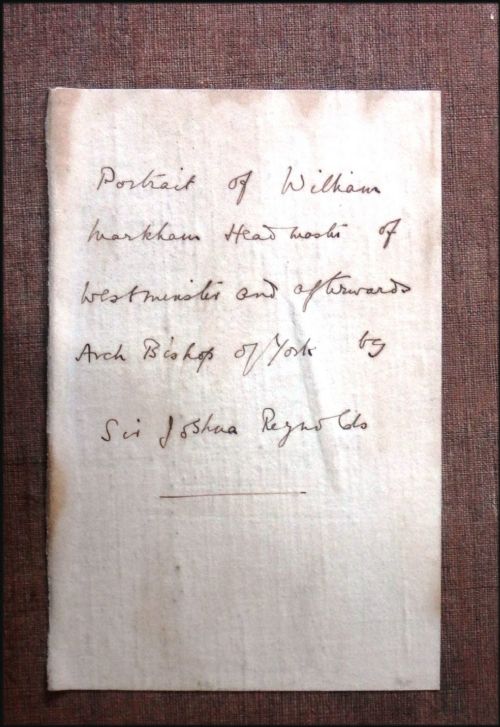
fig 3. An eighteenth-century oil painting depicting a seated gentleman wearing a dark coat and white wig resting his hand beside an open book.
fig 3. Attributed James Ward, Ra, 1769-1859 Portrait of Archbishop of York , William Markham 1719 – 1807

Markham meanwhile accumulated church preferments, thanks to the friendly interest extended by that old Westminster, the duke of Newcastle. He was appointed chaplain to George II in 1756, and Bishop Richard Trevor nominated him to the second prebendal stall in Durham Cathedral on 22 June 1759 (installed 20 July). There were murmurings that the headmaster was putting personal interests before those of the school, and indeed by 1763 Markham was angling for a crown appointment. He eventually resigned the headmastership (pleading ill health) on 8 March 1764 but only received a fresh post towards the end of the Grenville ministry when the Rochester deanery fell vacant. Markham was instituted as dean on 20 February 1765 and in the same year was presented by the chapter to the vicarage of Boxley, Kent. His stay at Rochester was brief. The death of David Gregory in September 1767 offered an opening for Markham to return to Christ Church, and he exchanged one deanery for another the following month with the blessing of both Newcastle and Archbishop Secker. Thus began a decade in academic office which saw Markham at his most creative

Height
76cm (29.92")
Width
64cm (25.20")
Depth
3cm (1.18")
Date of Manufacture

Artware Fineart has dated this Georgian Oil Portrait Painting to the 18th Century.

Reference Numbers
Sellingantiques Ref
SA486023
Dealers Internal Ref
3908
Artware Fineart
Sellingantiques verified Since Sep 2008
Dealer Profile

You can view the stock and full dealer information on the Artware Fineart Profile Page

PDF SHARE
SAVE
An eighteenth-century oil painting depicting a seated gentleman wearing a dark coat and white wig resting his hand beside an open book.
1 / 6
Archive I An eighteenth-century oil painting depicting a seated gentleman wearing a dark coat and white wig resting his hand beside an open book.

Attributed James Ward, Ra, 1769-1859 Portrait of Archbishop of York , William Markham 1719 – 1807
Archive II An eighteenth-century oil painting depicting a seated gentleman wearing a dark coat and white wig resting his hand beside an open book. View II
Archive III An eighteenth-century oil painting depicting a seated gentleman wearing a dark coat and white wig resting his hand beside an open book. View III
Archive IV An eighteenth-century oil painting depicting a seated gentleman wearing a dark coat and white wig resting his hand beside an open book. View IV
Archive V An eighteenth-century oil painting depicting a seated gentleman wearing a dark coat and white wig resting his hand beside an open book. View V
Archive VI An eighteenth-century oil painting depicting a seated gentleman wearing a dark coat and white wig resting his hand beside an open book. View VI
FURTHER BROWSING

Visitors also looked at these ⇣

Enlarged Archival View
Telephone 07958 699 645
Location
18 La Gare
51 Surrey Row
London
SE1 0BZ
United Kingdom
Verified Since Sep 2008
Items For Sale 243
Items Sold 223
Artware Fineart
Verified Since Sep 2008
View Dealer Info
Location: 18 La Gare , 51 Surrey Row , London , SE1 0BZ , United Kingdom
Verified
Sep 2008
For Sale
243
Sold
223
An eighteenth-century oil painting depicting a seated gentleman wearing a dark coat and white wig resting his hand beside an open book.
Attributed James Ward, RA, 1769-1859 Portrait of Archbishop of York , William Markham 1719 – 1807
Ref: SA486023
An eighteenth-century oil painting depicting a seated gentleman wearing a dark coat and white wig resting his hand beside an open book.
Detail View 1
Detail View 2
Detail View 3
Detail View 4
Detail View 5
Archival Detail
Every single antique dealer on our platform is individually approved by our internal team. We verify their professional trade history, ethical standards, and photographic quality to ensure a secure, high-standard buying environment. Upon joining, every dealer agrees to a strict 9-point code of conduct. While issues can occasionally arise, our dealers typically resolve them swiftly and directly with the buyer. In fact, since our founding in 2002, Sellingantiques has only had to step in to help resolve an issue on roughly five occasions—a true testament to the quality of our dealers and their dedication to your happiness.
Our dealers are highly experienced in packing and shipping fragile, high-value antiques. Because you are in direct contact with the dealer, you will be able to easily go through all available shipping and insurance options together to ensure your item arrives safely.
Antiques are the ultimate green purchase. By choosing historical pieces over newly manufactured goods, you completely eliminate the carbon footprint of modern mass production while preserving exceptional, timeless craftsmanship.

Georgian portraiture, spanning the eighteenth and early nineteenth centuries, typically features prominent figures, clergy, and gentry rendered in oil on canvas. These works emphasise status, intellect, and character through formal posing, classical drapery, and symbolic props such as books or scrolls.

Artists during this era primarily utilised hand-mixed oil pigments applied to natural linen or cotton canvases stretched over wooden frames. Panels made of oak or mahogany were also occasionally employed as solid supports.

Authentic works often display fine natural craquelure across the paint layer, evidence of aged varnish, and hand-tacked canvas edges. The reverse side typically shows darkened stretchers and canvas discolouration consistent with historical age.

An antique oil portrait can be styled as a focal point above a contemporary sideboard or mounted within a gallery wall alongside modern art. Combining traditional portraiture with minimalist furnishings creates a sophisticated architectural contrast.

Keep the painting away from direct sunlight, extreme temperature fluctuations, and high humidity to prevent cracking or warping. Dust gently with a soft, dry brush and consult a professional conservator for cleaning or varnish removal.
items
Add keywords to the filter
Price
£100
£250000
Era
Movements
Material
Origin
Stock Location
Freshness
Online Payments
Categories