It was listed by Leeds Antiques. Sold pieces stay on Sellingantiques as a record of what has passed through, and the next one is rarely far away.
Leeds Antiques has dated this Satinwood Pedestal Desk to the 19th Century.
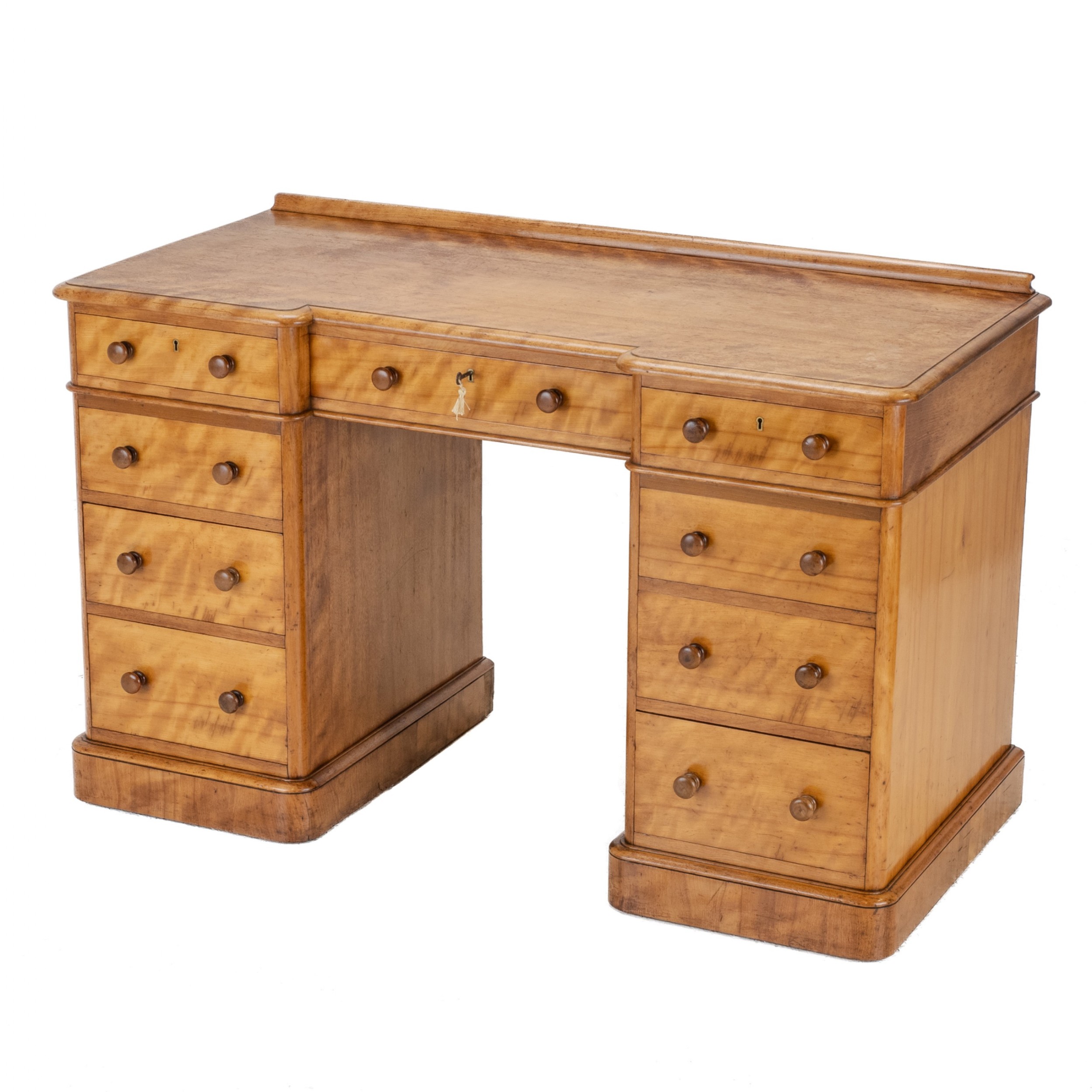
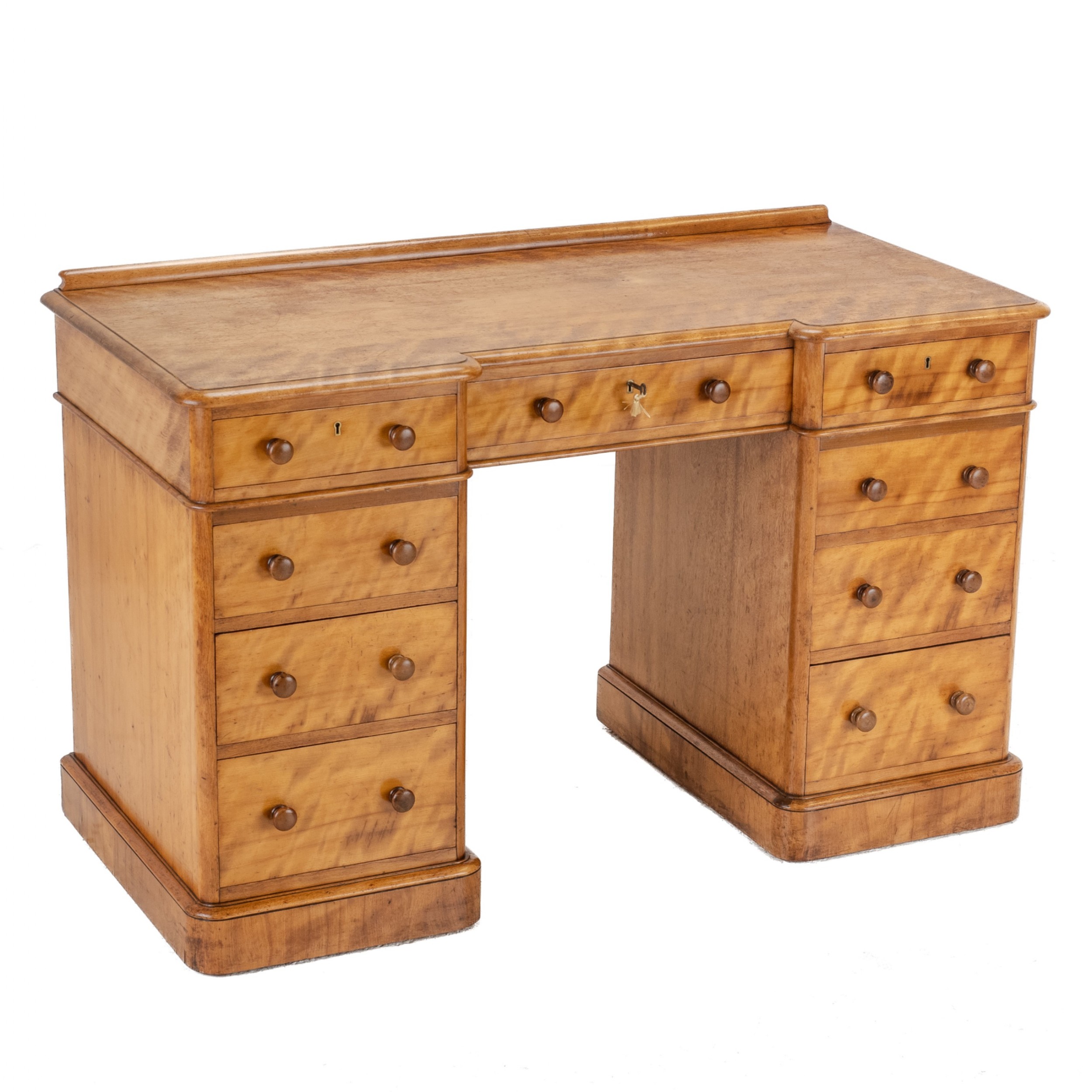
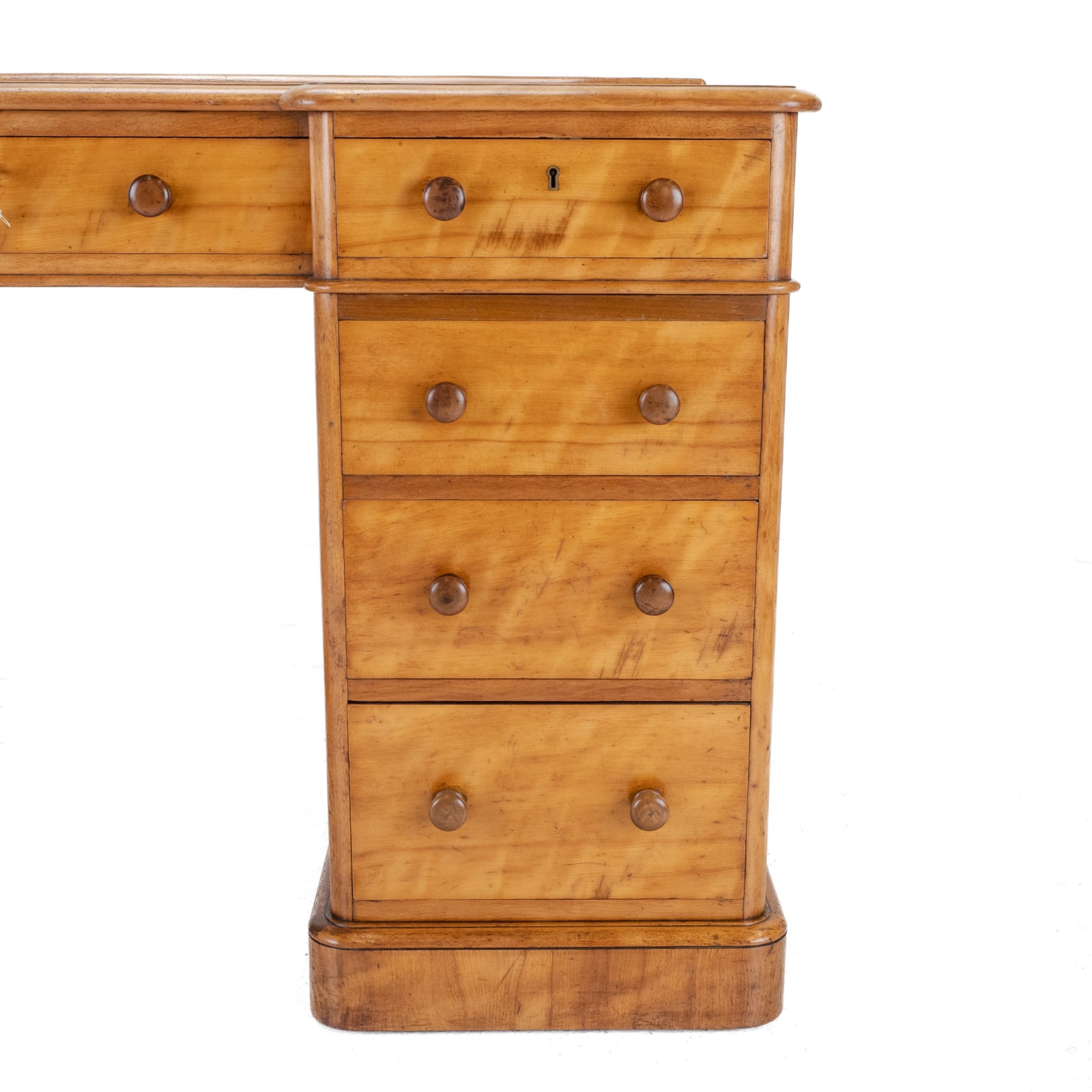
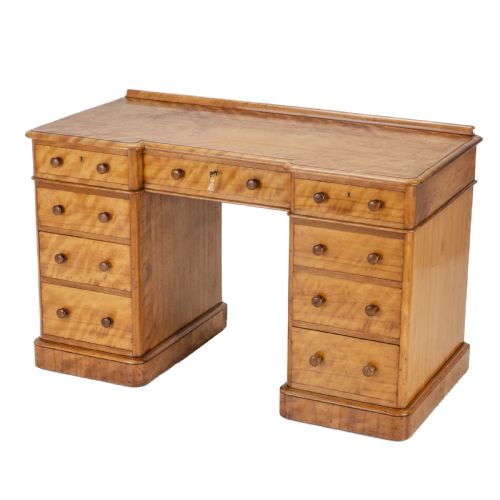
A late Victorian satinwood pedestal desk by Heal & Son, London, dating to around 1890.
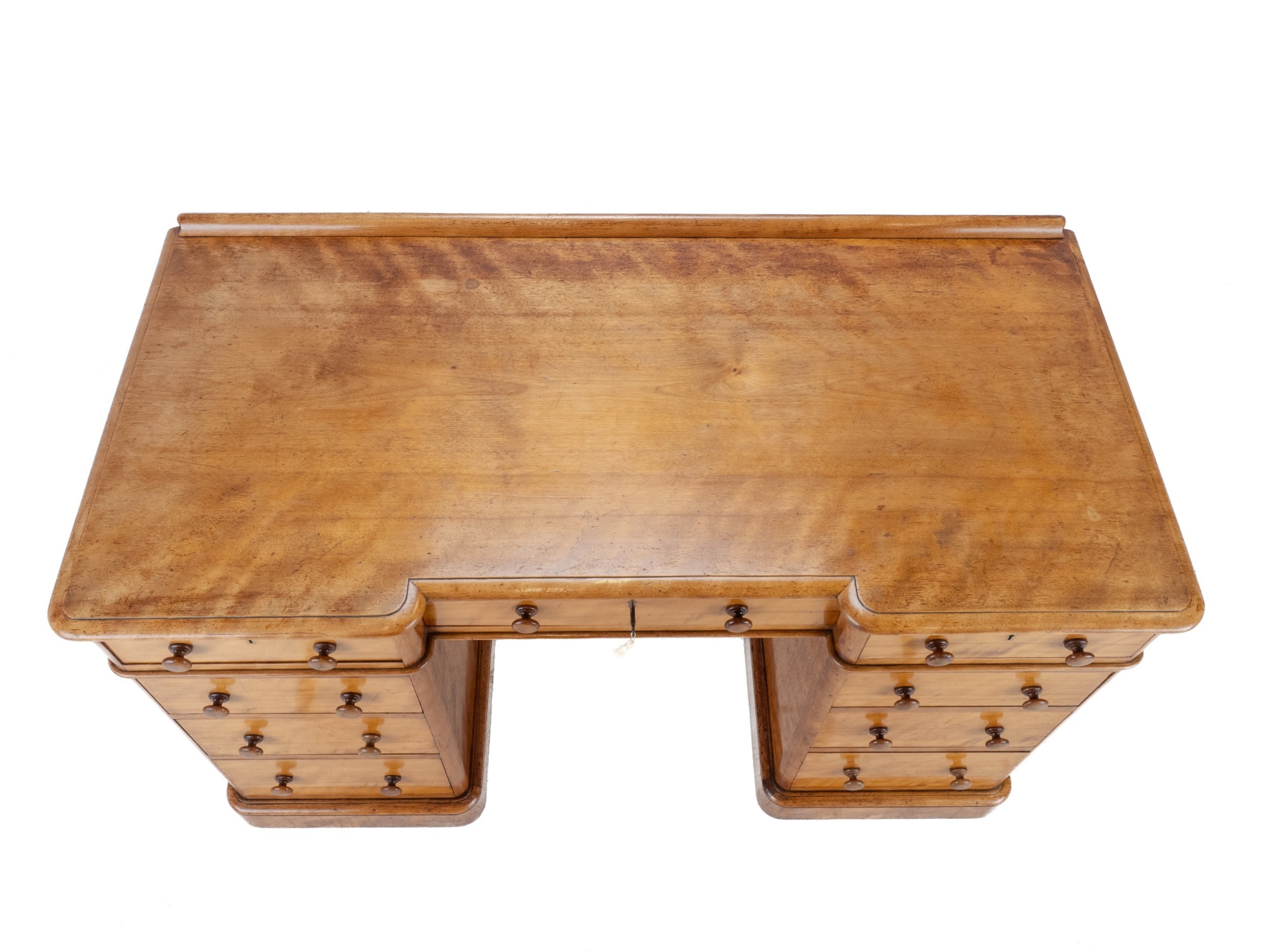
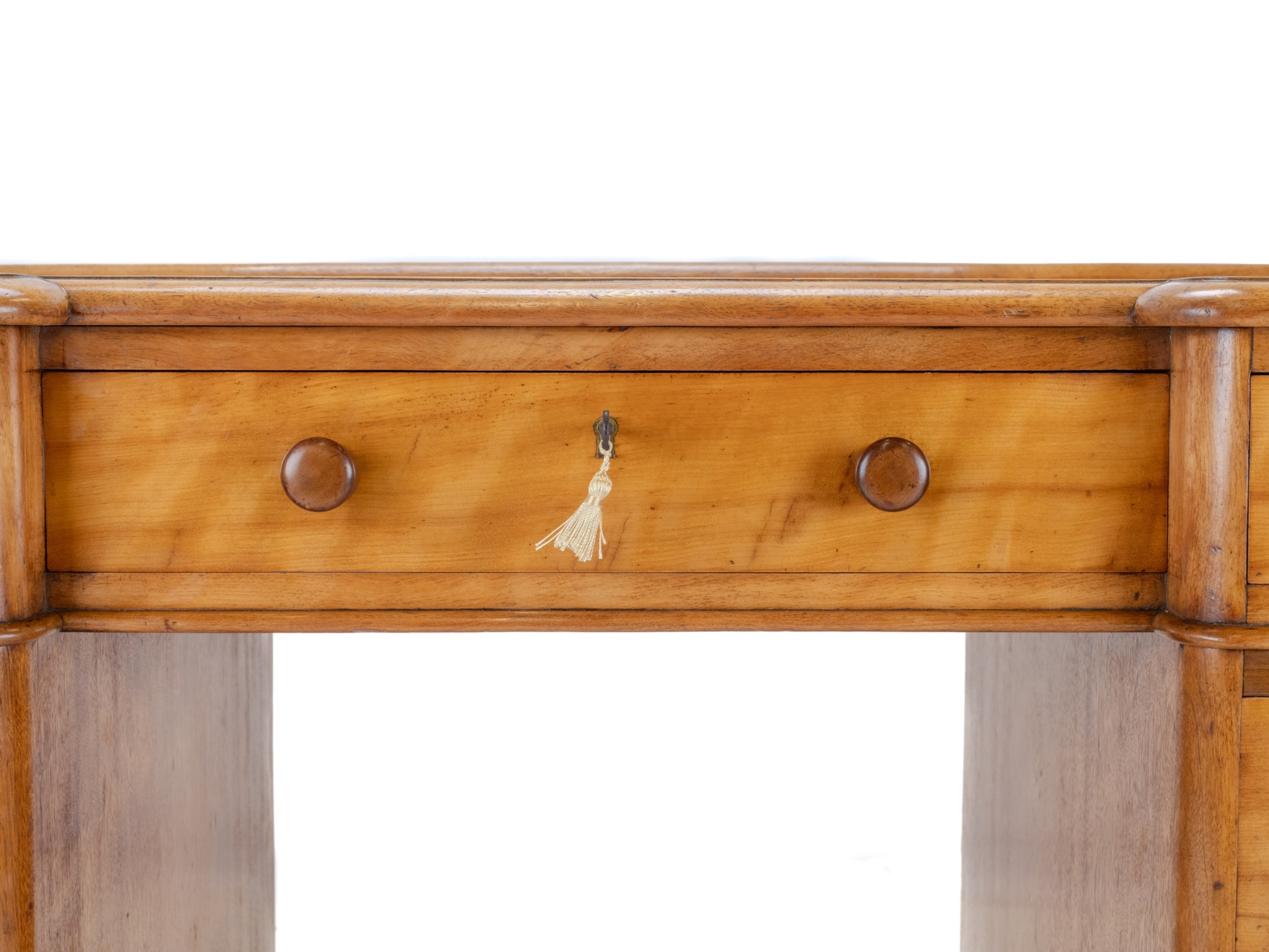
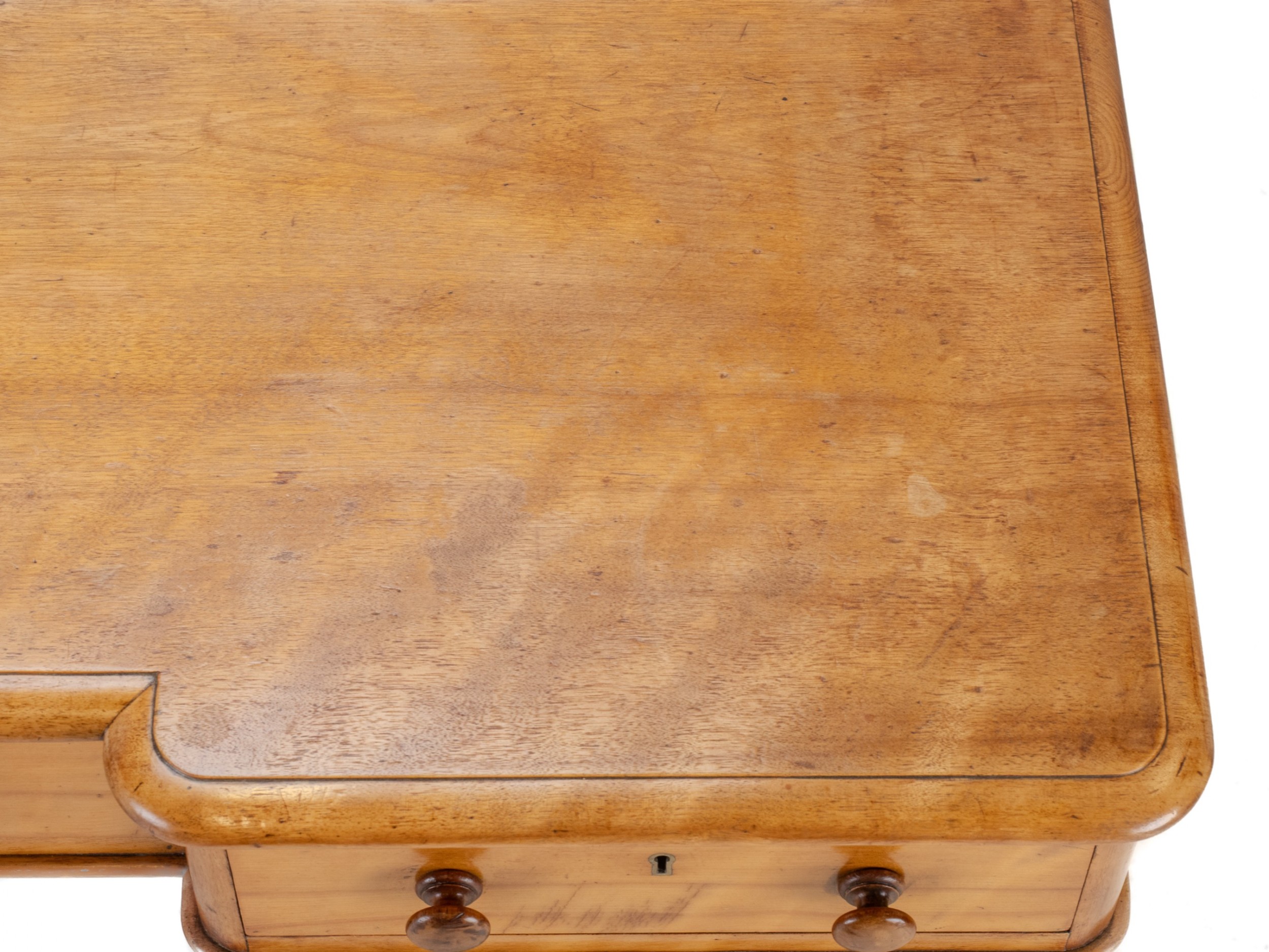
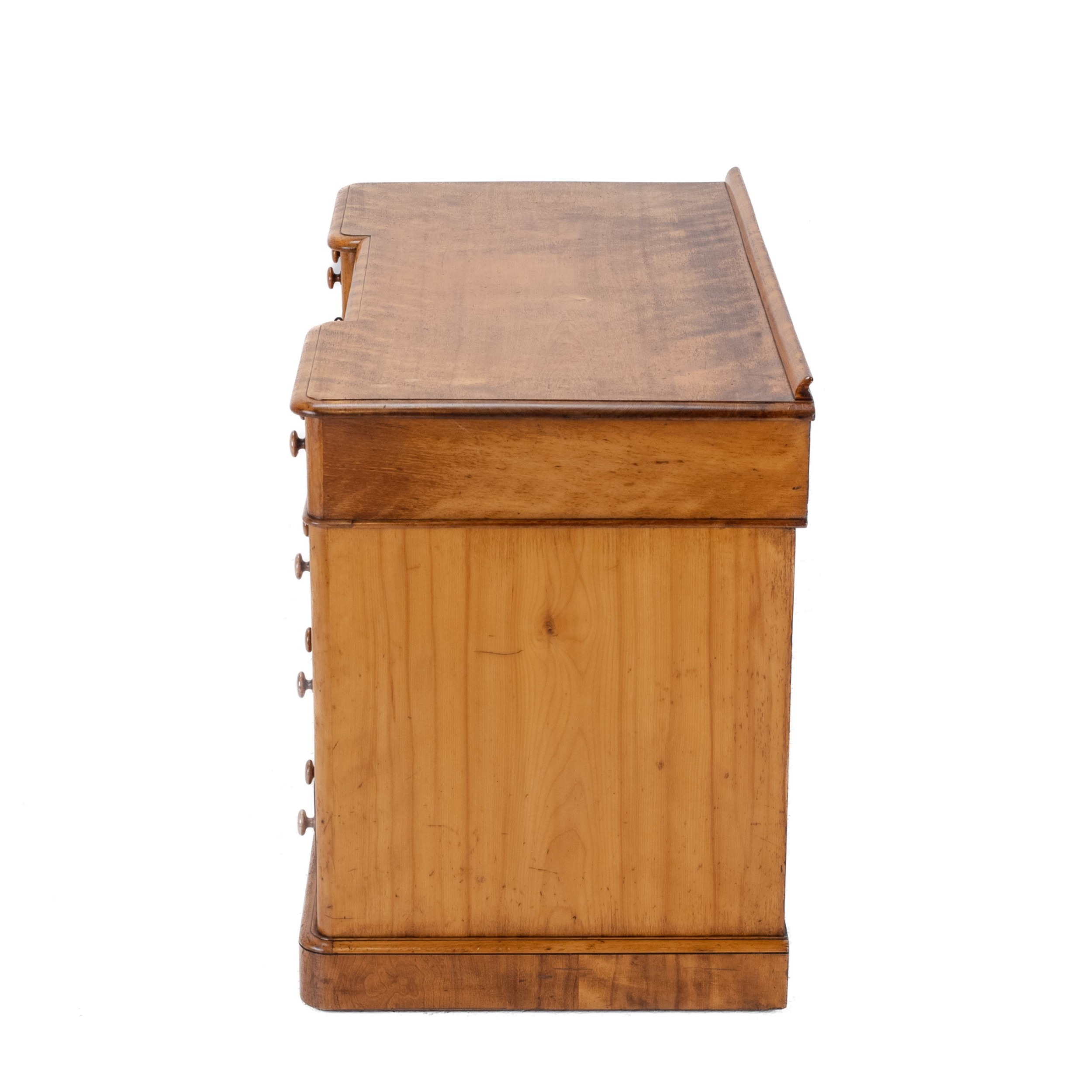
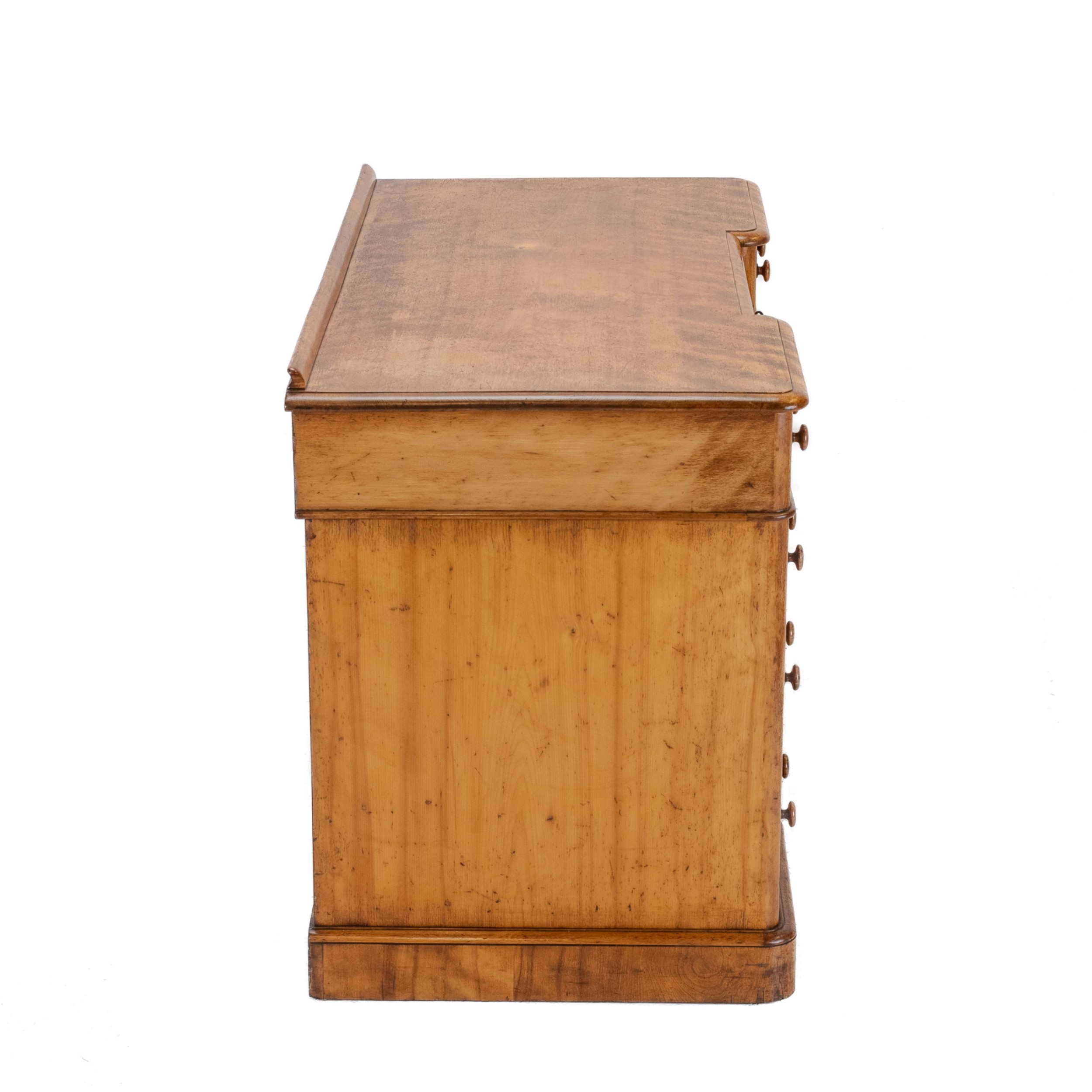
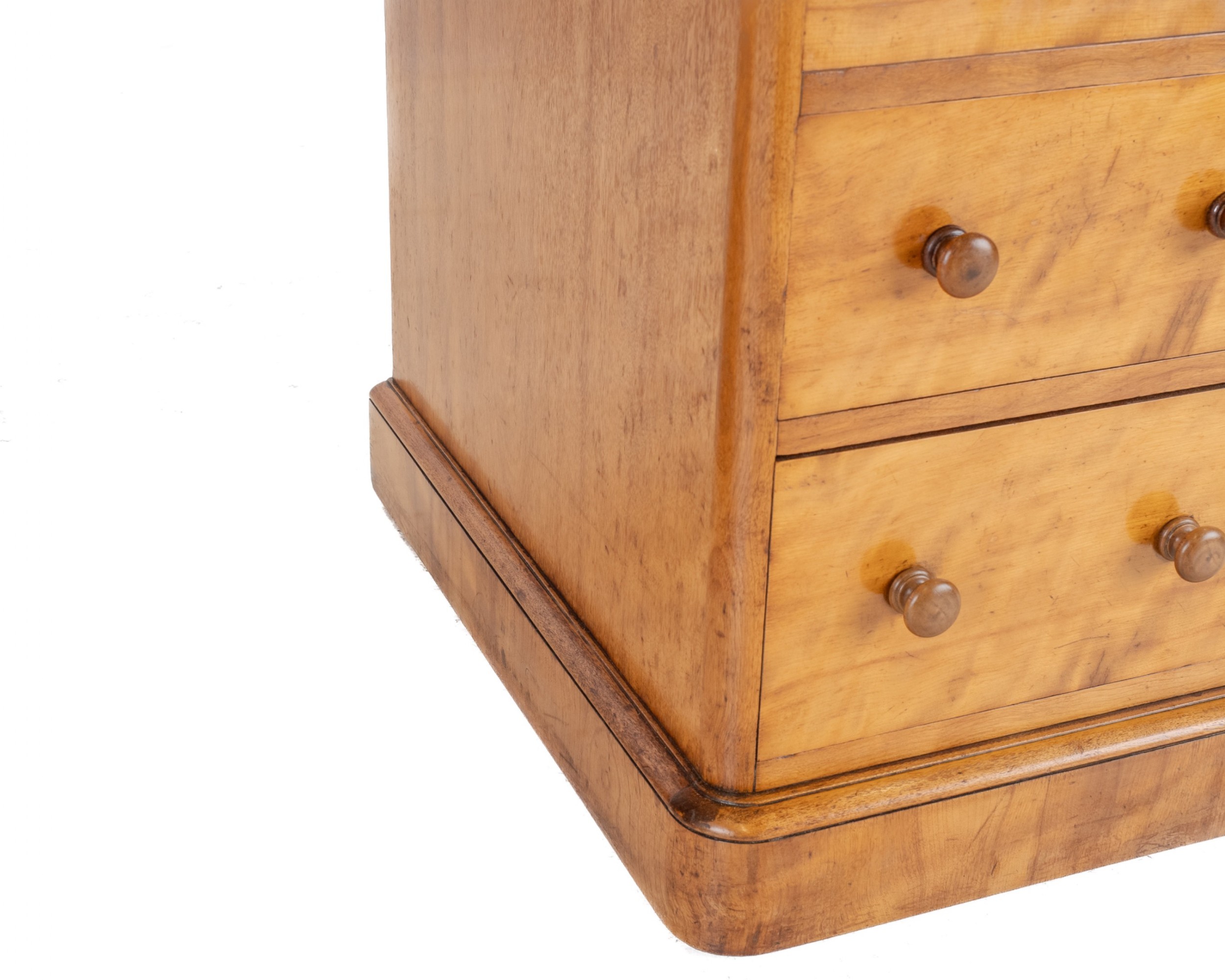
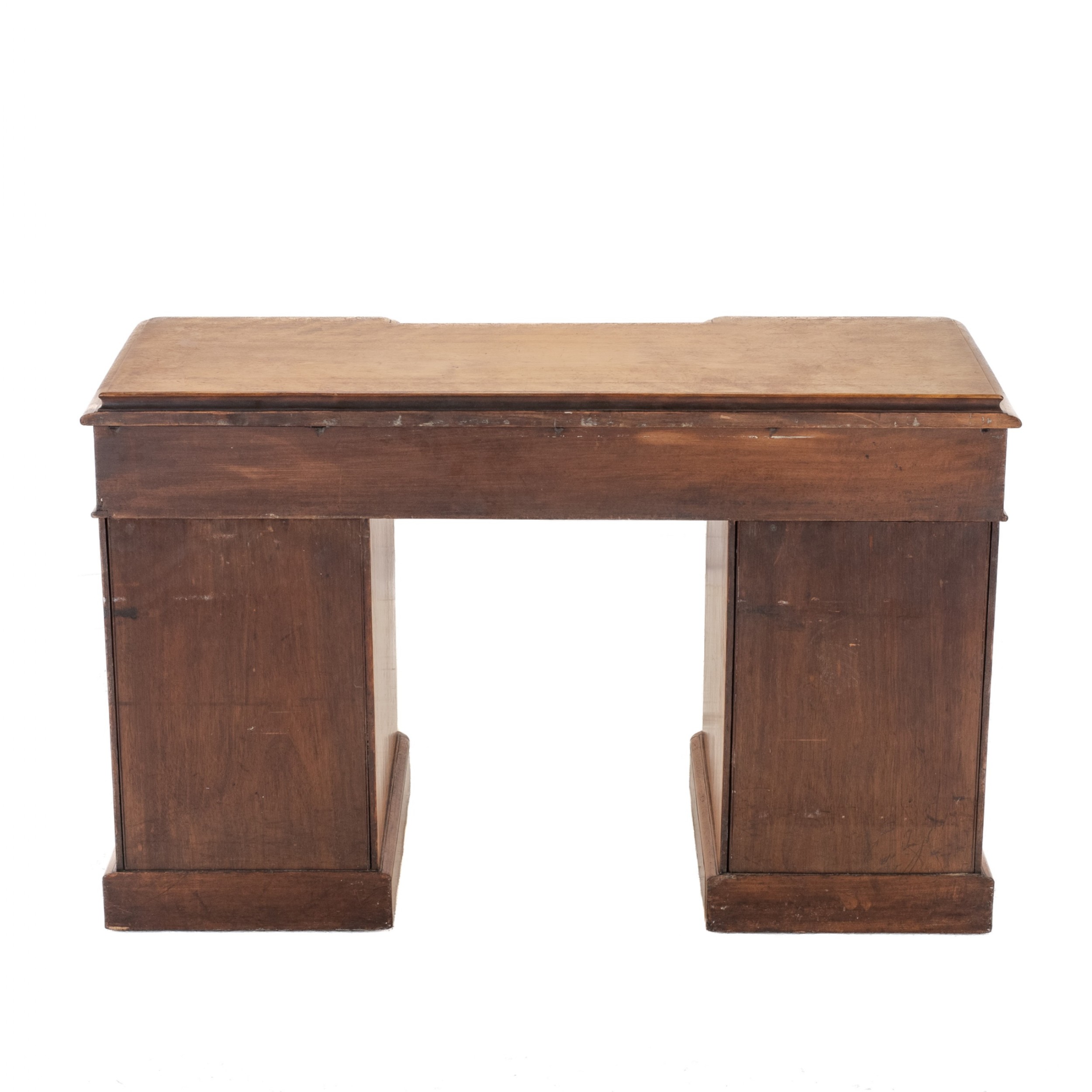
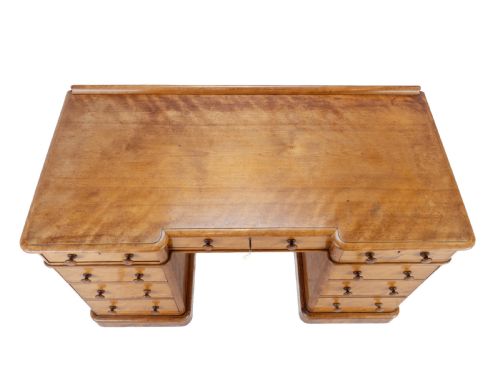
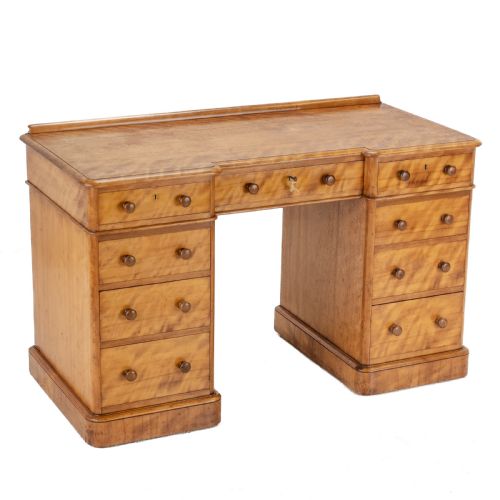
Satinwood desks of this period are far less common than their mahogany counterparts, admired for their lighter, more decorative presence and increasingly sought after for refined interiors. The top features a shallow gallery to the rear and softly rounded front corners, set above twin pedestal bases of graduating drawers flanking a generous kneehole recess. The proportions are balanced and elegant, offering both visual refinement and practical working space.
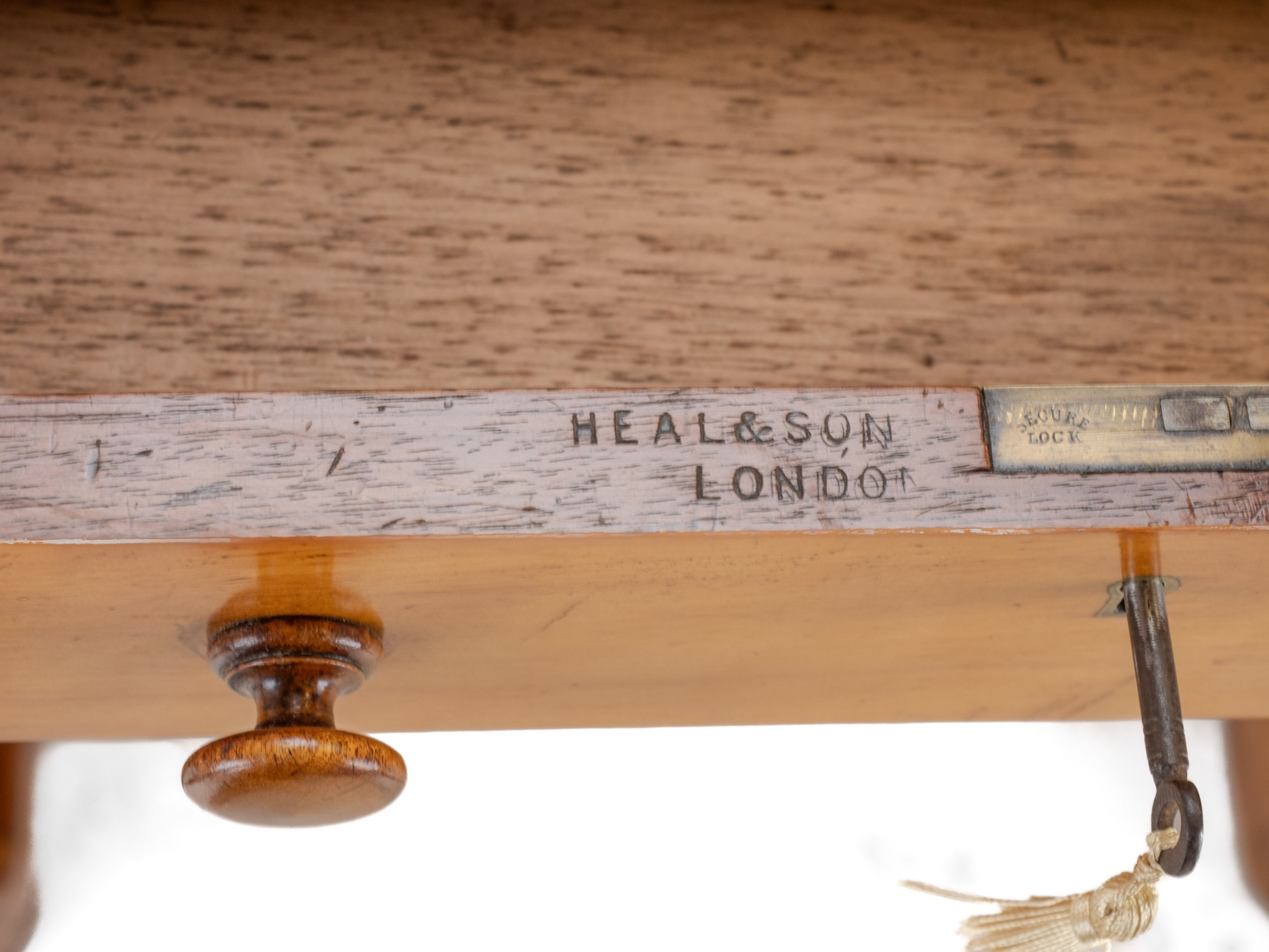
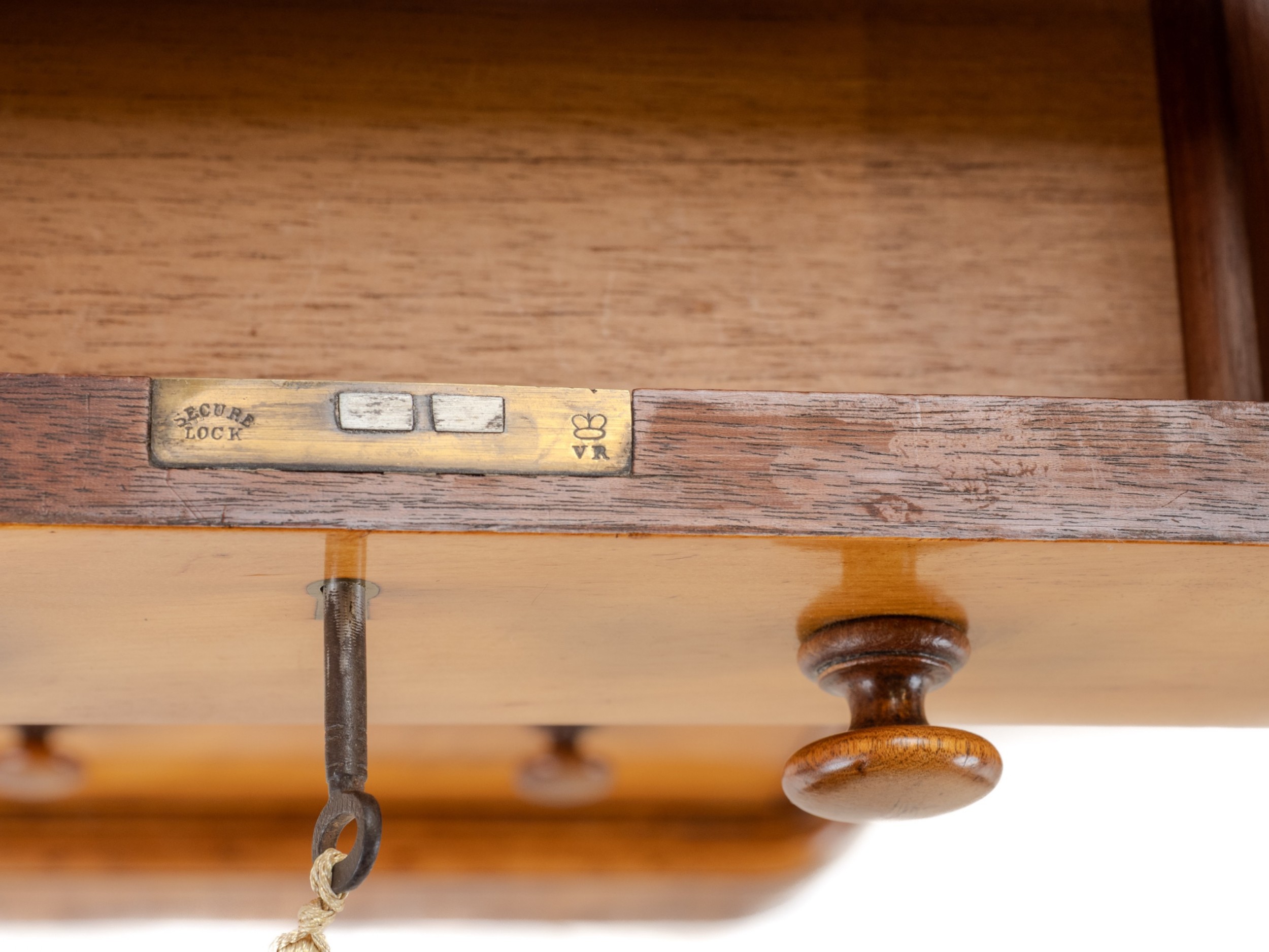
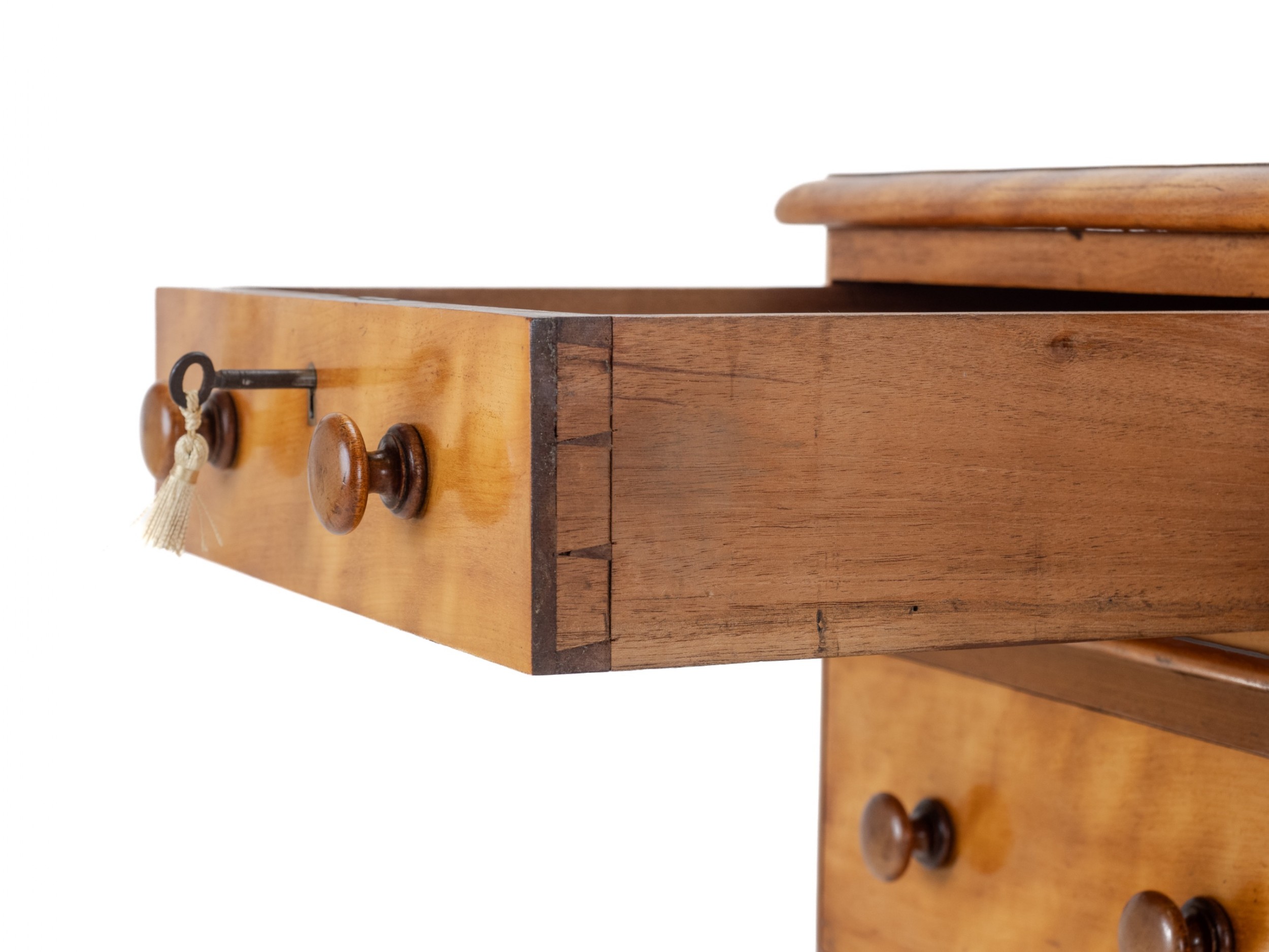
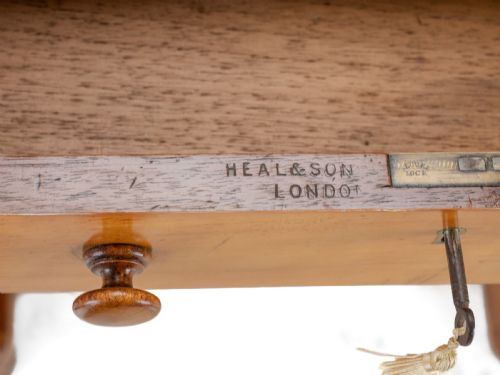
A crisp “HEAL & SON, LONDON” stamp appears to the top drawer, and the drawers retain their original Victorian locks marked with the VR (Victoria Regina) cipher. Together, these details indicate production during the late Victorian period, most likely circa 1885–1895. All drawers run smoothly with a pleasing firmness, and a period key has been adapted to operate the locks correctly. The desk stands on concealed castors fitted beneath the plinths—likely later additions, but entirely hidden in normal use and helpful when manoeuvring the piece.
Altogether, this is a warm, characterful and inviting desk, retaining the gentle, honest signs of a long and useful life. Practical, decorative and full of late 19th-century charm, it sits comfortably in both period and contemporary interiors.
A full set of additional images is available on request.
Dimensions (approximate):
Height to writing surface: 74.5 cm (29 1/4")
Height to gallery at rear: 76.5 cm (30 1/8")
Width: 122 cm (48")
Depth: 58 cm (22 3/4")
Kneehole width: 47 cm (18 1/2")
Kneehole height clearance: 59.5 cm (23 1/2")
Condition:
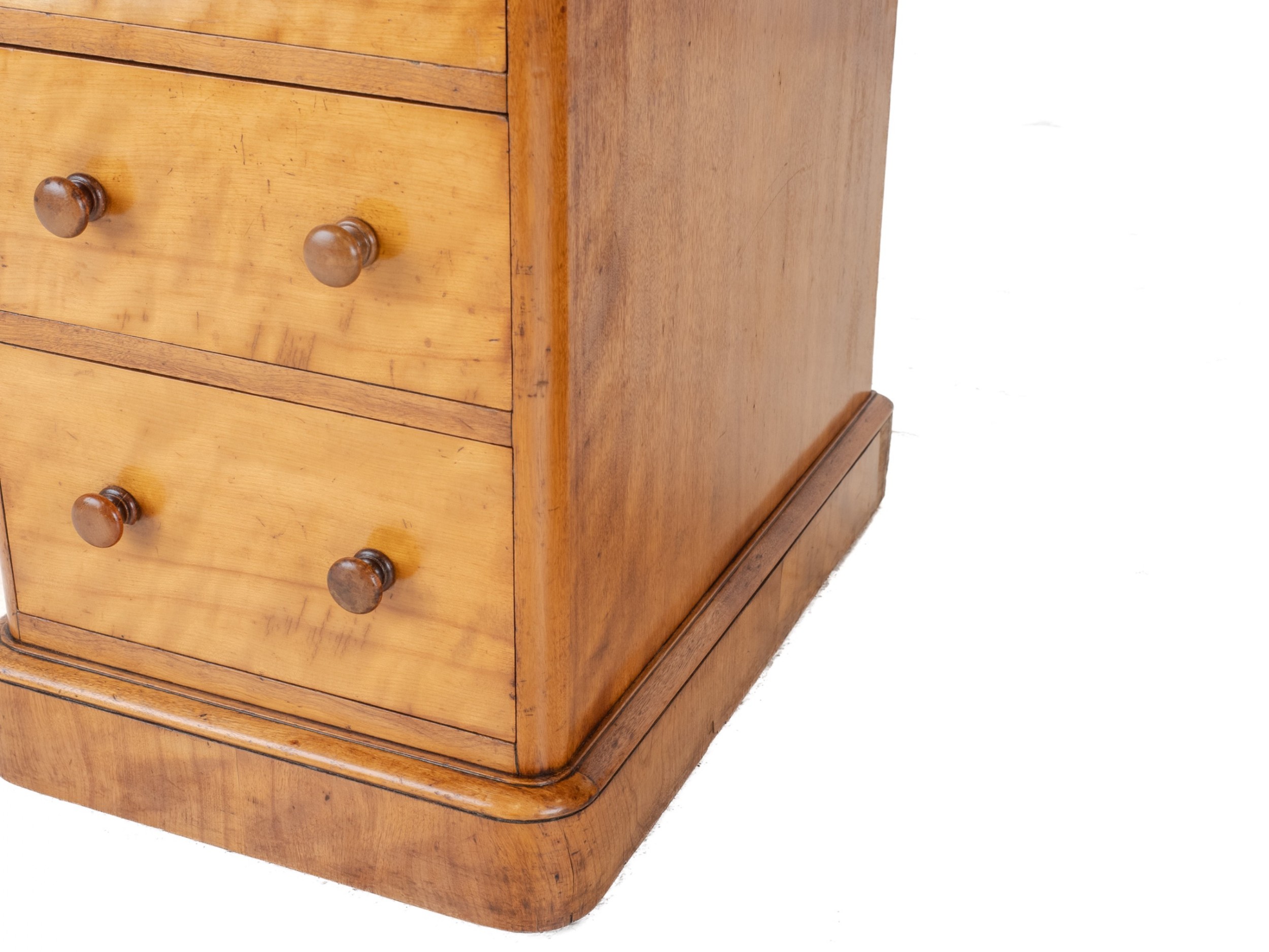
In good, fully functional condition, consistent with long and honest use. The satinwood retains its original finish and shows scattered marks, blemishes and gentle surface wear developed over time, all characteristic of well-used late Victorian furniture and contributing to the desk’s warmth and charm. Around the lower edges of the plinth bases are small veneer chips and losses, all stable and photographed clearly for accuracy.
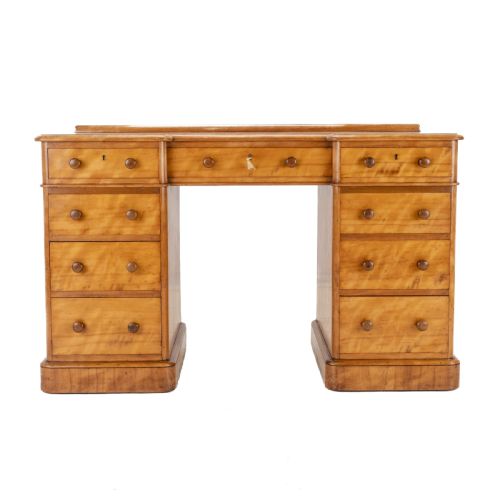
All drawers run smoothly and retain their original locks and escutcheons, with a period key adapted to operate the mechanism correctly. The concealed castors beneath the plinths are likely later additions, but they are entirely unobtrusive and helpful when moving the piece. Structurally sound and ready for everyday use.
Leeds Antiques has dated this Satinwood Pedestal Desk to the 19th Century.
Fine english antique furniture
You can view the stock and full dealer information on the Leeds Antiques Profile Page
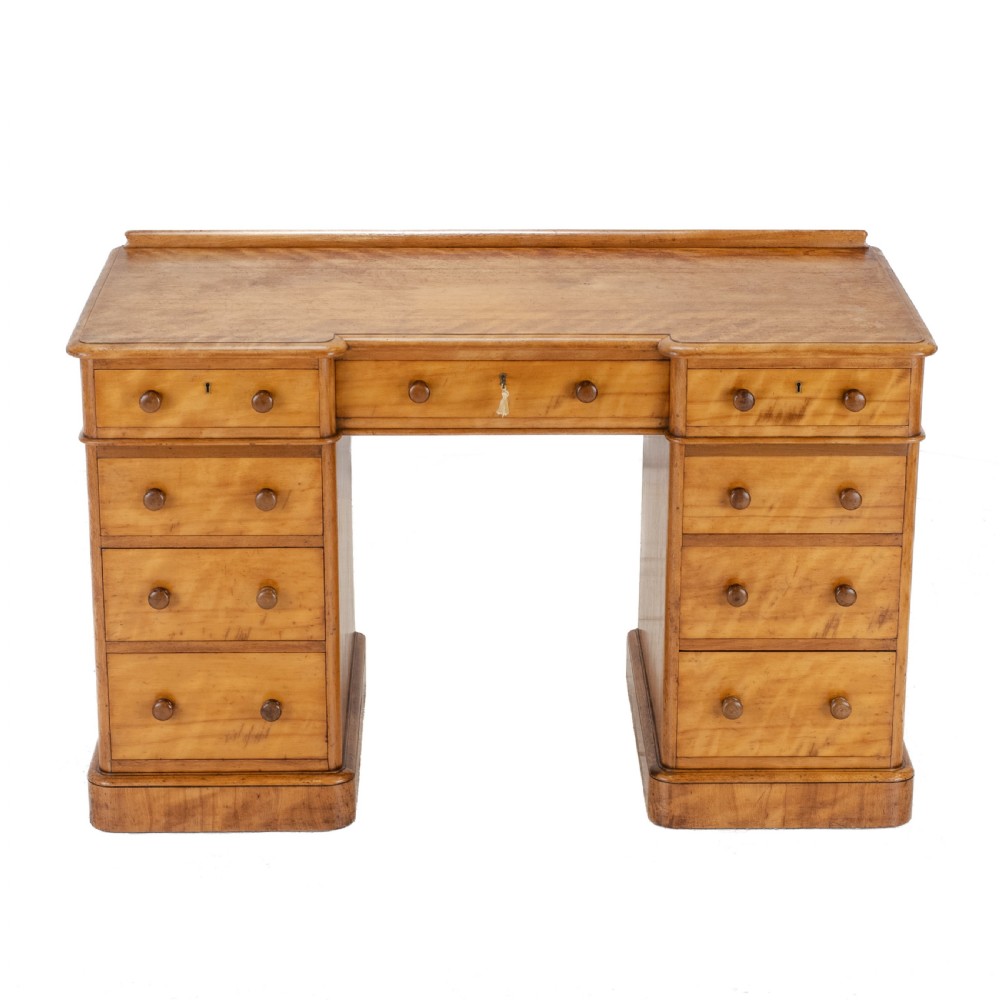
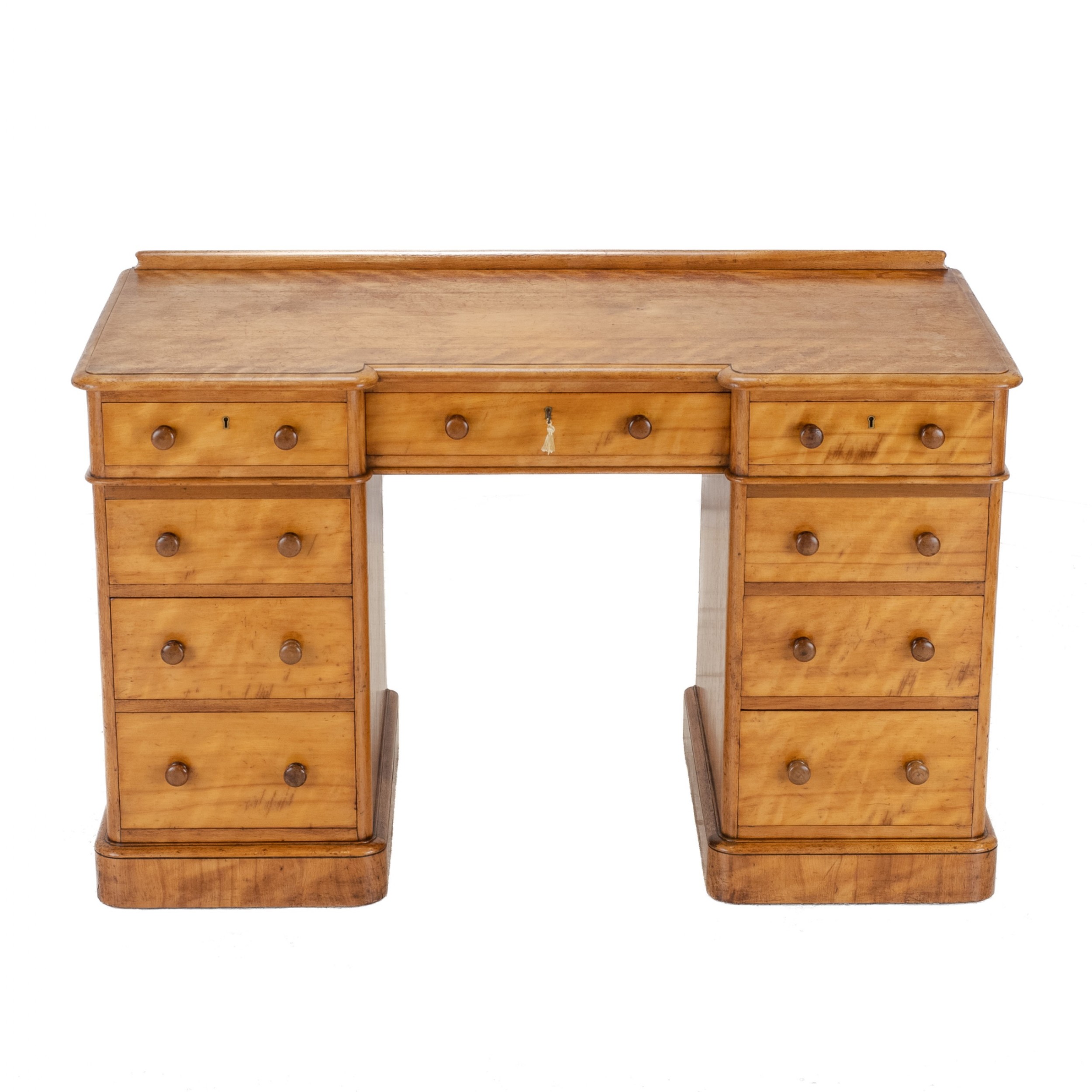
Heal & Son Satinwood Inverted Breakfront Pedestal Desk, Late 19th Century