335  PAGES BROWSED TODAY PAGES TODAY • 0 ANTIQUES UPLOADED TODAYNEW ARRIVALS
GIFTS
LATEST STOCK
Sort Order
Items Per Page
Browse Categories
Sort order
Relevant Links
Items per page
ID #SA1089292
SOLD
Email Phone
Save
Henry Bright, in the Welsh Hills - Antique Oil Painting
Sold by Brave Fine Art
sold SA1089292
Sorry, but this item has been sold.
Brave Fine Art

Brave Fine Art

Sellingantiques Verified Since Nov 2018
Browse dealers 76 items
  • About Us
    Exquisite antique paintings that capture the imagination.
Id #SA1089292
PDF SHARE
SAVE

Henry Bright, in the Welsh Hills - Antique Oil Painting

19th century
Sold 14 November 2024 · Brave Fine Art
This “Henry Bright, in the Welsh Hills - Antique Oil Painting” found a buyer.

It was listed by Brave Fine Art. Sold pieces stay on Sellingantiques as a record of what has passed through, and the next one is rarely far away.

Description

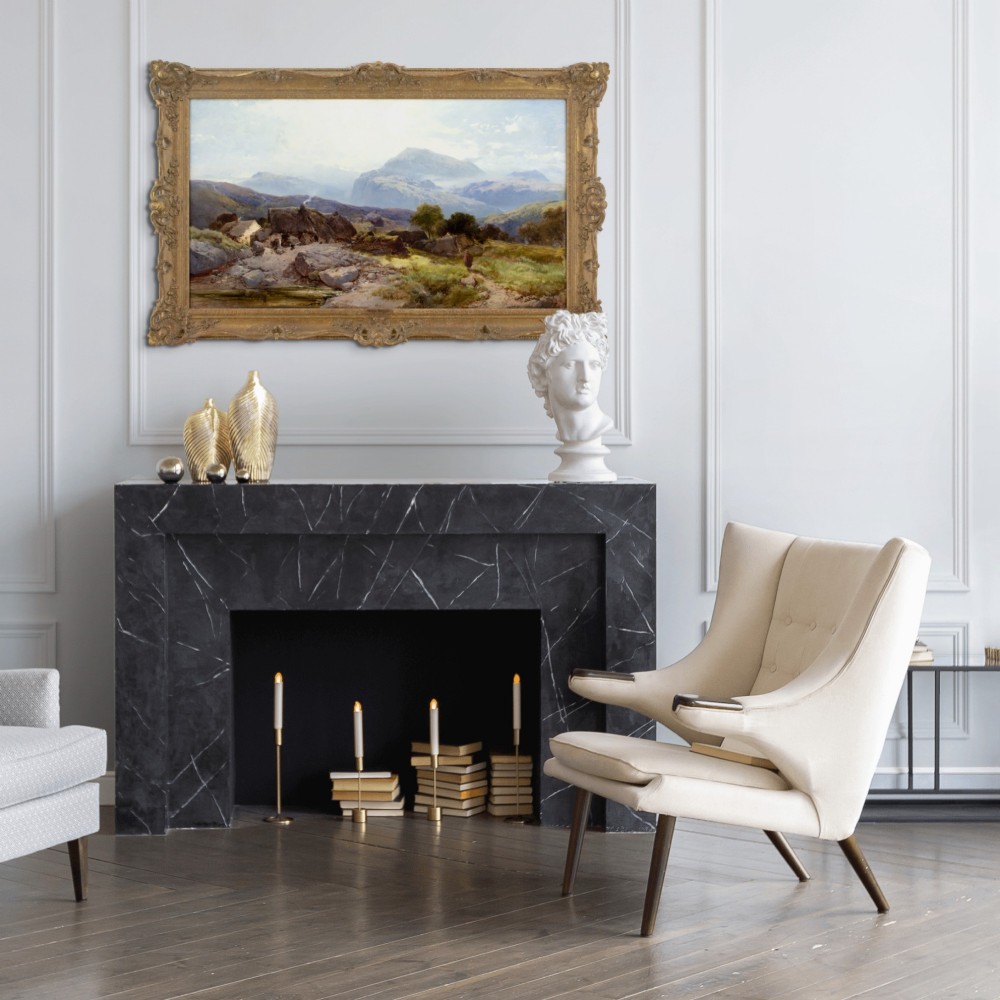
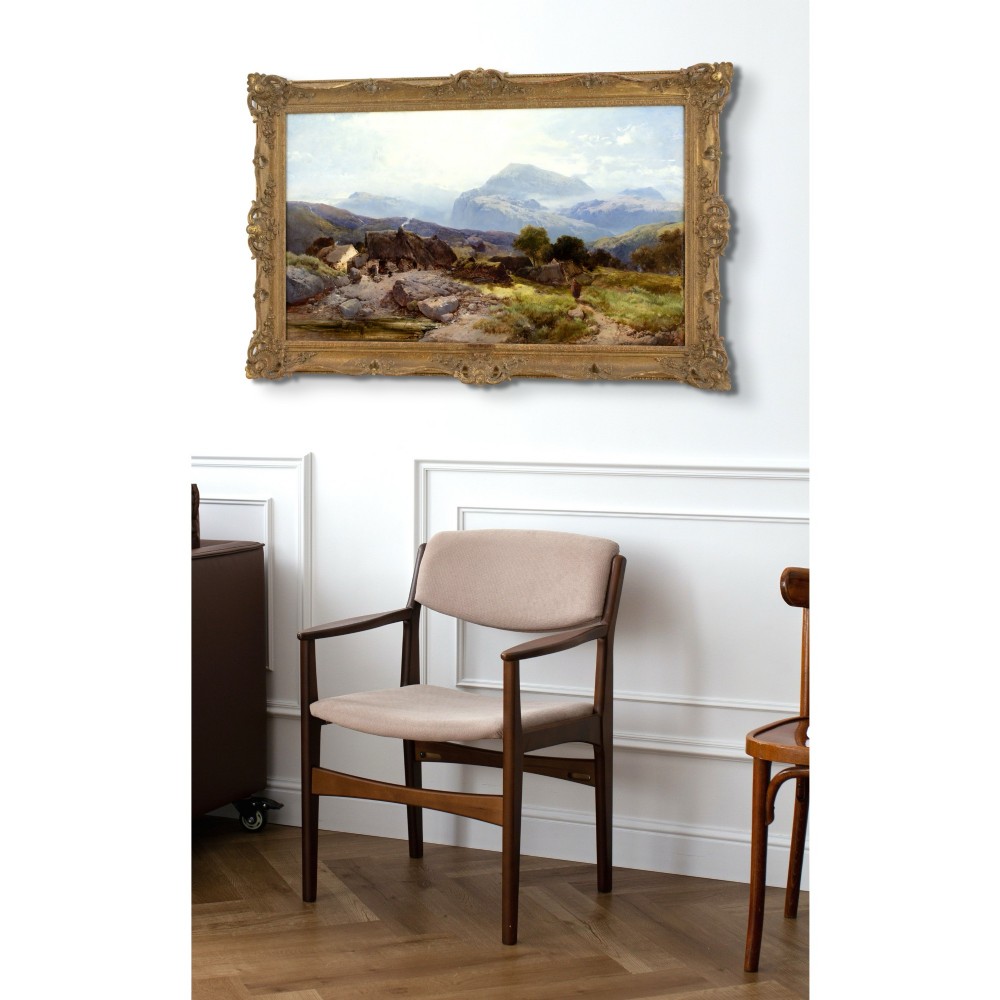
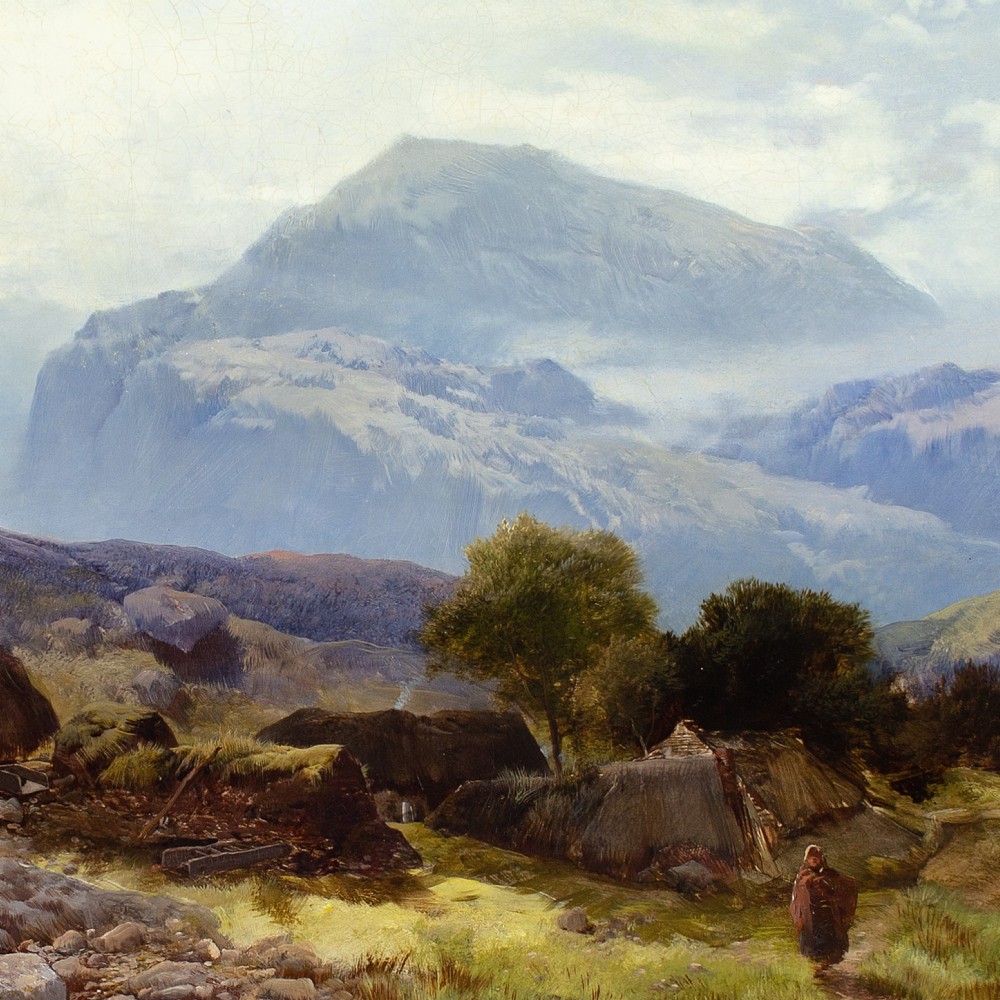
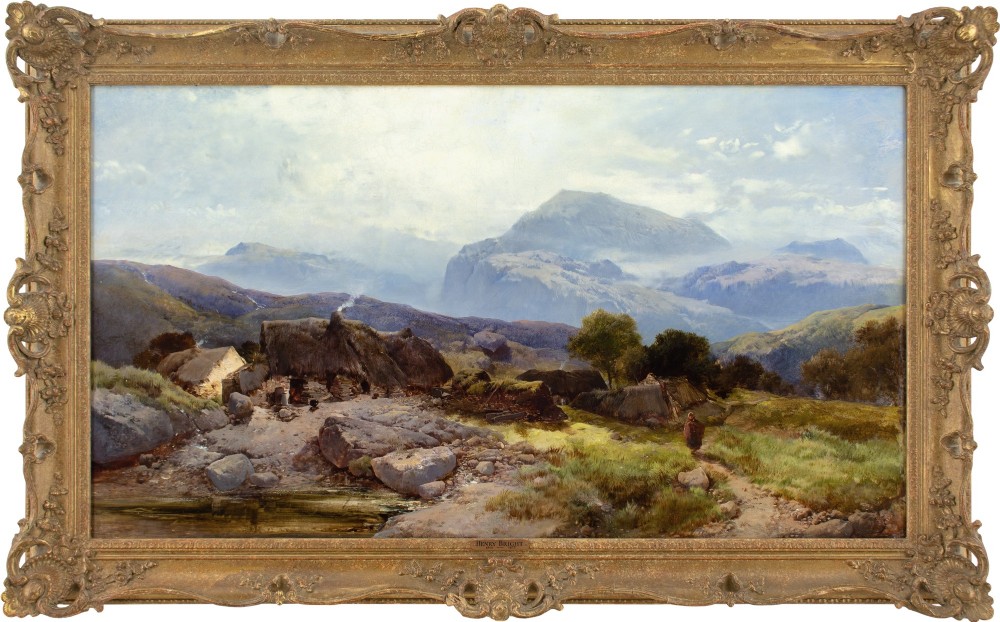
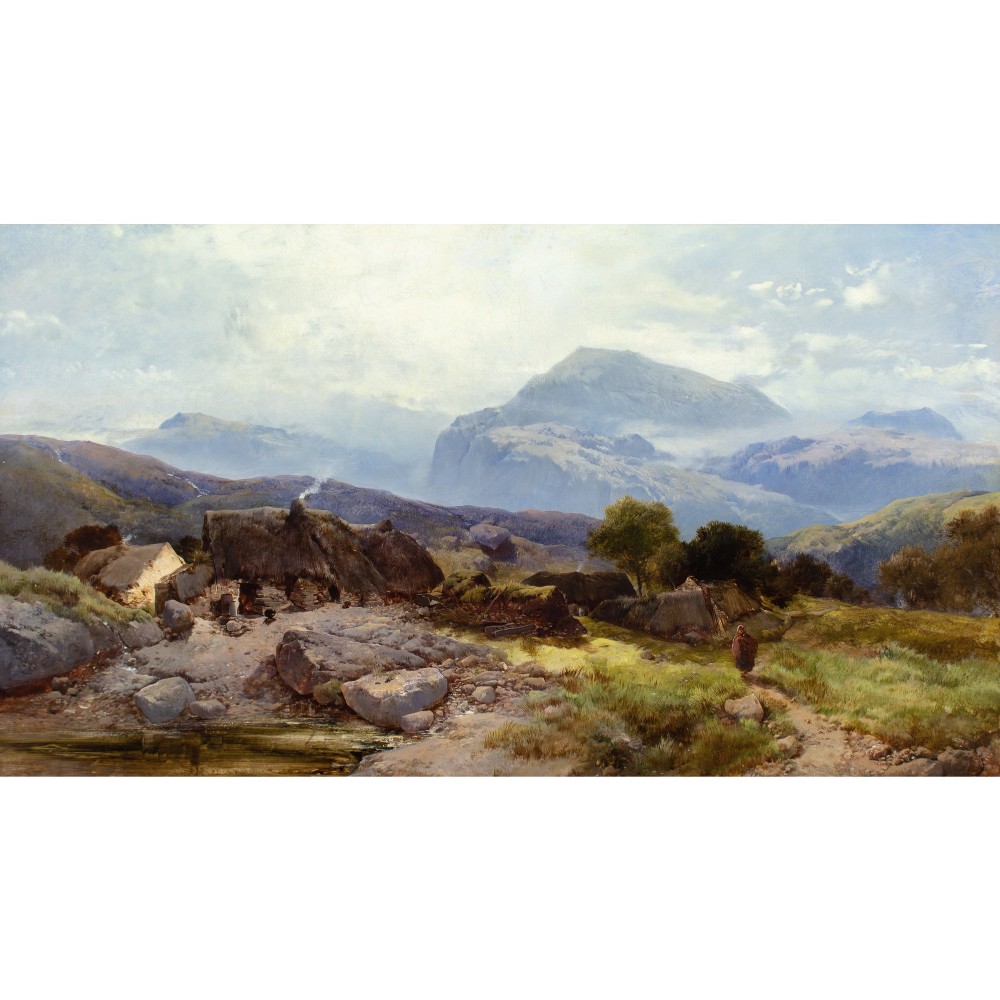
This mid-19th-century oil painting by British artist Henry Bright (1810-1873) depicts a panoramic view with cottage, pond, figure and peaks.

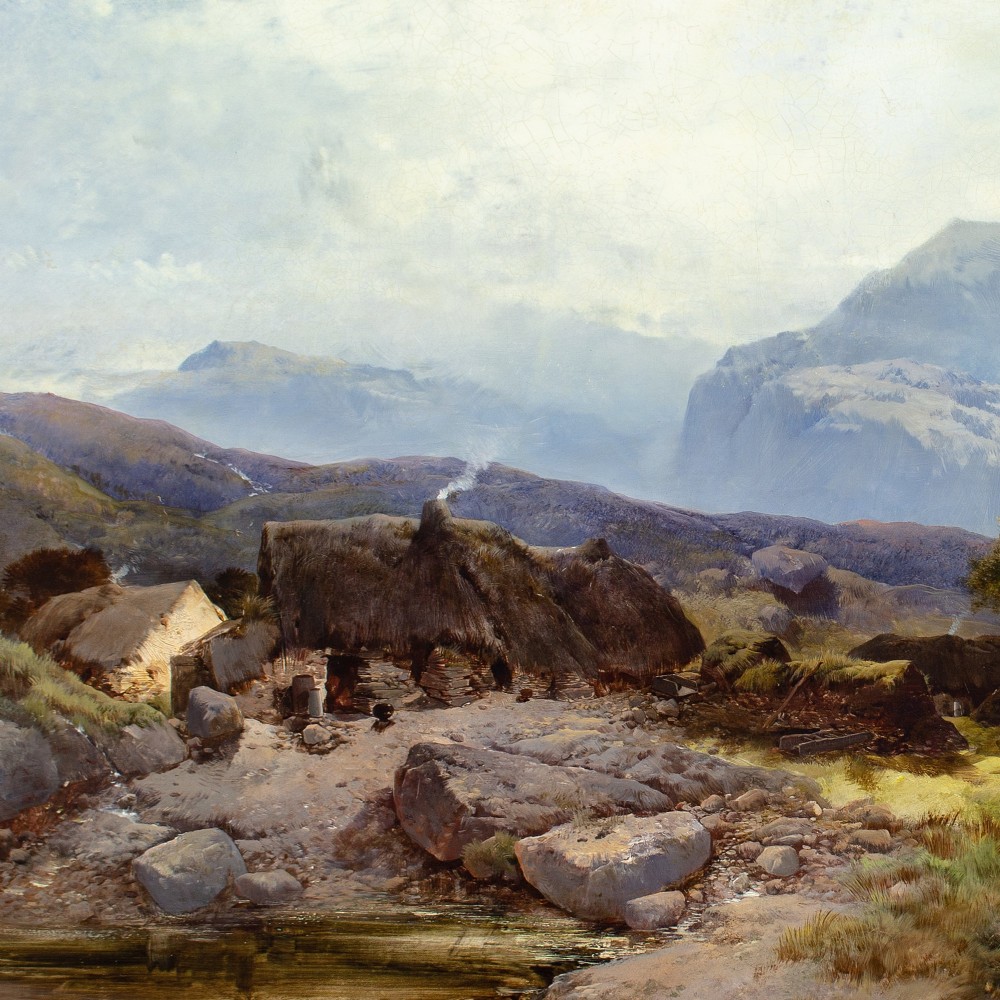
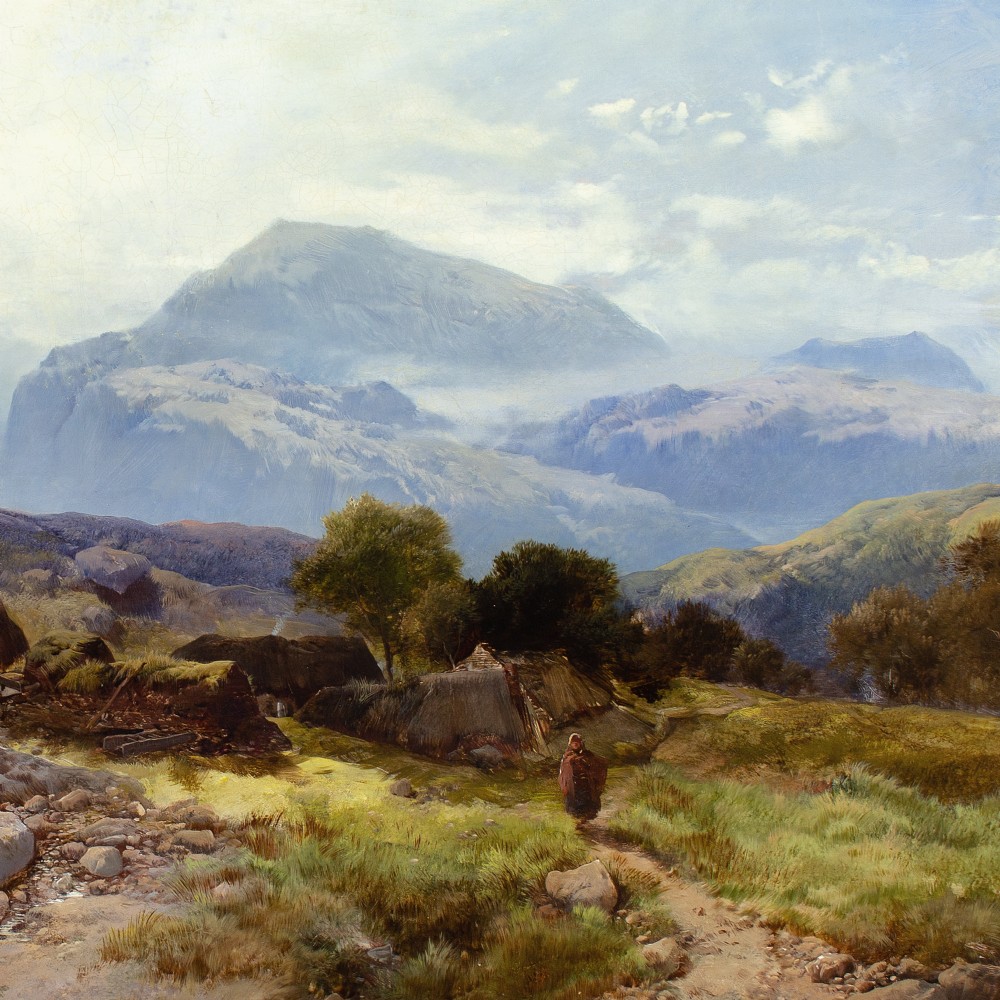
Nestled within the formidable Welsh hills stands a humble cottage of stone and thatch. Warmed by a comforting fire, it’s a welcome retreat amid unpredictable weather. A woman, wrapped in a heavy woollen shawl, ambles between grassy banks with the tinted peaks beyond elegantly wrapped in cool mists. On the left, the gable end of a dilapidated barn is illuminated. While in the foreground, several boulders stand adjacent to a pond.

Born in Saxmundham, Suffolk, Henry Bright’s formative years were spent pursuing a career as a chemist. His father, Jerome, a clockmaker, encouraged the young man to find a trade - dissuading him from artistic pursuits. Following an apprenticeship, he worked as a dispenser for Norfolk and Norwich Hospital, employing every spare moment to draw from nature.

There’s a fascinating character to the Suffolk countryside, which compels those with an eye for beauty to capture its majesty. Tranquil rivers, shimmering streams, leafy woods, rustic mills and vast irrepressible skies - coastal and inland, have inspired artists for generations. Gainsborough and Constable were smitten and Bright followed suit.

His precocious skill for drawing was soon noticed by his peers, who urged him to ditch the apothecary in favour of the brush. His decision to do so led him to Norfolk and into the welcoming arms of a provincial art movement known as the Norwich School. Influenced by masters of the Dutch Golden Age, such as Meindert Lubbertszoon Hobbema (1638-1709) and Jacob van Ruisdael (1628/9-1682), its members were inspired by the natural environment. He was trained by Alfred Stannard (1806-1889), John Berney Crome (1794-1842) and John Sell Cotman (1782-1842), each aiding his technique. And by 1836, he’d debuted at London’s British Institution, introducing him to a pool of eager buyers.

Beyond Suffolk, Bright undertook numerous study trips across the British Isles and on the continent. During one such trip, he made the acquaintance of JMW Turner (1775-1851) and the pair struck up a lifelong friendship. He accompanied Turner on at least two tours and evidently impressed the distinguished academician. A Victorian critic later commented that Bright’s skies were second only to Turner himself.

He often selected views involving complex elements such as ragged buildings, crags, wrecked mills, and transient weather effects. His version of nature was all-encompassing, not limited to clichéd vignettes of a sentimental ideal. His simple sketch titled ‘Clumps of Trees’ speaks volumes.

With his oils, he often worked on wide canvases to emphasise a panorama. Many of these use a building as its focal point, yet also convey a sense of harmony - in tone and composition. His ‘Scene in the Scottish Highlands’ sold at Christie’s in 2006.

He could also turn his hand to dramatic coastal views whereby a rolling, brooding, sky creates atmosphere and tension. ‘North Beach, Great Yarmouth, Norfolk’ is particularly Turner-esque.

His motivation to paint the truth brought with it originality and a host of exclusive patrons including Queen Victoria and the Grand Duchess Marie of Russia. During a trip to Brodrick Castle on the Isle of Arran, Scotland, he carried the latter on his back while traversing a stream.

Bright spent the majority of his career in London, exhibiting twelve times at the Royal Academy. He did so while also establishing himself as a leading drawing master for aristocratic offspring. Highly regarded in the ‘right circles’, he was soon elected as a member of the New Society of Painters in Watercolours.

In a review of his life, the art critic Frederic Gordon Roe stated that “Bright roamed the earth with an avid eye for quaint cottage corners, picturesque tree forms or g

Date of Manufacture

Brave Fine Art has dated this Antique Oil Painting to the 1850s.

Physical Dimensions
Height
79cm (31.10")
Width
127cm (50.00")
Depth
6cm (2.36")
Reference Numbers
Sellingantiques Reference
SA1089292
Description
This mid-19th-century oil painting by British artist Henry Bright (1810-1873) depicts a panoramic view with cottage, pond, figure and peaks.

Nestled within the formidable Welsh hills stands a humble cottage of stone and thatch. Warmed by a comforting fire, it’s a welcome retreat amid unpredictable weather.

“
A woman, wrapped in a heavy woollen shawl, ambles between grassy banks with the tinted peaks beyond elegantly wrapped in cool mists.
Brave Fine Art

On the left, the gable end of a dilapidated barn is illuminated. While in the foreground, several boulders stand adjacent to a pond.

fig 1. An antique framed oil painting depicting a mountainous Welsh landscape with thatched cottages and figures.
fig 1. Henry Bright, in the Welsh Hills - Antique Oil Painting

Born in Saxmundham, Suffolk, Henry Bright’s formative years were spent pursuing a career as a chemist. His father, Jerome, a clockmaker, encouraged the young man to find a trade - dissuading him from artistic pursuits. Following an apprenticeship, he worked as a dispenser for Norfolk and Norwich Hospital, employing every spare moment to draw from nature.

fig 2. An antique framed oil painting depicting a mountainous Welsh landscape with thatched cottages and figures.
fig 2. Henry Bright, in the Welsh Hills - Antique Oil Painting

There’s a fascinating character to the Suffolk countryside, which compels those with an eye for beauty to capture its majesty. Tranquil rivers, shimmering streams, leafy woods, rustic mills and vast irrepressible skies - coastal and inland, have inspired artists for generations. Gainsborough and Constable were smitten and Bright followed suit.

fig 3. An antique framed oil painting depicting a mountainous Welsh landscape with thatched cottages and figures.
fig 3. Henry Bright, in the Welsh Hills - Antique Oil Painting

His precocious skill for drawing was soon noticed by his peers, who urged him to ditch the apothecary in favour of the brush. His decision to do so led him to Norfolk and into the welcoming arms of a provincial art movement known as the Norwich School. Influenced by masters of the Dutch Golden Age, such as Meindert Lubbertszoon Hobbema (1638-1709) and Jacob van Ruisdael (1628/9-1682), its members were inspired by the natural environment. He was trained by Alfred Stannard (1806-1889), John Berney Crome (1794-1842) and John Sell Cotman (1782-1842), each aiding his technique. And by 1836, he’d debuted at London’s British Institution, introducing him to a pool of eager buyers.

fig 4. An antique framed oil painting depicting a mountainous Welsh landscape with thatched cottages and figures.
fig 4. Henry Bright, in the Welsh Hills - Antique Oil Painting

Beyond Suffolk, Bright undertook numerous study trips across the British Isles and on the continent. During one such trip, he made the acquaintance of JMW Turner (1775-1851) and the pair struck up a lifelong friendship. He accompanied Turner on at least two tours and evidently impressed the distinguished academician. A Victorian critic later commented that Bright’s skies were second only to Turner himself.

fig 5. An antique framed oil painting depicting a mountainous Welsh landscape with thatched cottages and figures.
fig 5. Henry Bright, in the Welsh Hills - Antique Oil Painting

He often selected views involving complex elements such as ragged buildings, crags, wrecked mills, and transient weather effects. His version of nature was all-encompassing, not limited to clichéd vignettes of a sentimental ideal. His simple sketch titled ‘Clumps of Trees’ speaks volumes.

fig 6. An antique framed oil painting depicting a mountainous Welsh landscape with thatched cottages and figures.
fig 6. Henry Bright, in the Welsh Hills - Antique Oil Painting

With his oils, he often worked on wide canvases to emphasise a panorama. Many of these use a building as its focal point, yet also convey a sense of harmony - in tone and composition. His ‘Scene in the Scottish Highlands’ sold at Christie’s in 2006.

fig 7. An antique framed oil painting depicting a mountainous Welsh landscape with thatched cottages and figures.
fig 7. Henry Bright, in the Welsh Hills - Antique Oil Painting

He could also turn his hand to dramatic coastal views whereby a rolling, brooding, sky creates atmosphere and tension. ‘North Beach, Great Yarmouth, Norfolk’ is particularly Turner-esque.

His motivation to paint the truth brought with it originality and a host of exclusive patrons including Queen Victoria and the Grand Duchess Marie of Russia. During a trip to Brodrick Castle on the Isle of Arran, Scotland, he carried the latter on his back while traversing a stream.

fig 8. An antique framed oil painting depicting a mountainous Welsh landscape with thatched cottages and figures.
fig 8. Henry Bright, in the Welsh Hills - Antique Oil Painting

Bright spent the majority of his career in London, exhibiting twelve times at the Royal Academy. He did so while also establishing himself as a leading drawing master for aristocratic offspring. Highly regarded in the ‘right circles’, he was soon elected as a member of the New Society of Painters in Watercolours.

In a review of his life, the art critic Frederic Gordon Roe stated that “Bright roamed the earth with an avid eye for quaint cottage corners, picturesque tree forms or g

Date of Manufacture

Brave Fine Art has dated this Antique Oil Painting to the 1850s.

Height
79cm (31.10")
Width
127cm (50.00")
Depth
6cm (2.36")
Reference Numbers
Sellingantiques Ref
SA1089292
Brave Fine Art
Brave Fine Art
Sellingantiques verified Since Nov 2018

Exquisite antique paintings that capture the imagination.

Dealer Profile

You can view the stock and full dealer information on the Brave Fine Art Profile Page
PDF SHARE
SAVE
An antique framed oil painting depicting a mountainous Welsh landscape with thatched cottages and figures. SOLD6+ MONTHS AGO
1 / 10
Archive I An antique framed oil painting depicting a mountainous Welsh landscape with thatched cottages and figures. SOLD6+ MONTHS AGO

Henry Bright, in the Welsh Hills - Antique Oil Painting
Archive II An antique framed oil painting depicting a mountainous Welsh landscape with thatched cottages and figures. View II
Archive III An antique framed oil painting depicting a mountainous Welsh landscape with thatched cottages and figures. View III
Archive IV An antique framed oil painting depicting a mountainous Welsh landscape with thatched cottages and figures. View IV
Archive V An antique framed oil painting depicting a mountainous Welsh landscape with thatched cottages and figures. View V
Archive VI An antique framed oil painting depicting a mountainous Welsh landscape with thatched cottages and figures. View VI
Archive VII An antique framed oil painting depicting a mountainous Welsh landscape with thatched cottages and figures. View VII
Archive VIII An antique framed oil painting depicting a mountainous Welsh landscape with thatched cottages and figures. View VIII
Archive IX An antique framed oil painting depicting a mountainous Welsh landscape with thatched cottages and figures. View IX
Archive X An antique framed oil painting depicting a mountainous Welsh landscape with thatched cottages and figures. View X
FURTHER BROWSING

Visitors also looked at these ⇣

Enlarged Archival View
Telephone 01684 215986
Location
21 Enterprise Way
Arle Road
Cheltenham
Cotswolds
GL51 8LZ
United Kingdom

Under appointment only.
Verified Since Nov 2018
Items For Sale 76
Items Sold 1,853
Brave Fine Art
Brave Fine Art
Verified Since Nov 2018
View Dealer Info
Location: 21 Enterprise Way, Arle Road, Cheltenham, Cotswolds, GL51 8LZ, United Kingdom, , Under appointment only.
Verified
Nov 2018
For Sale
76
Sold
1,853
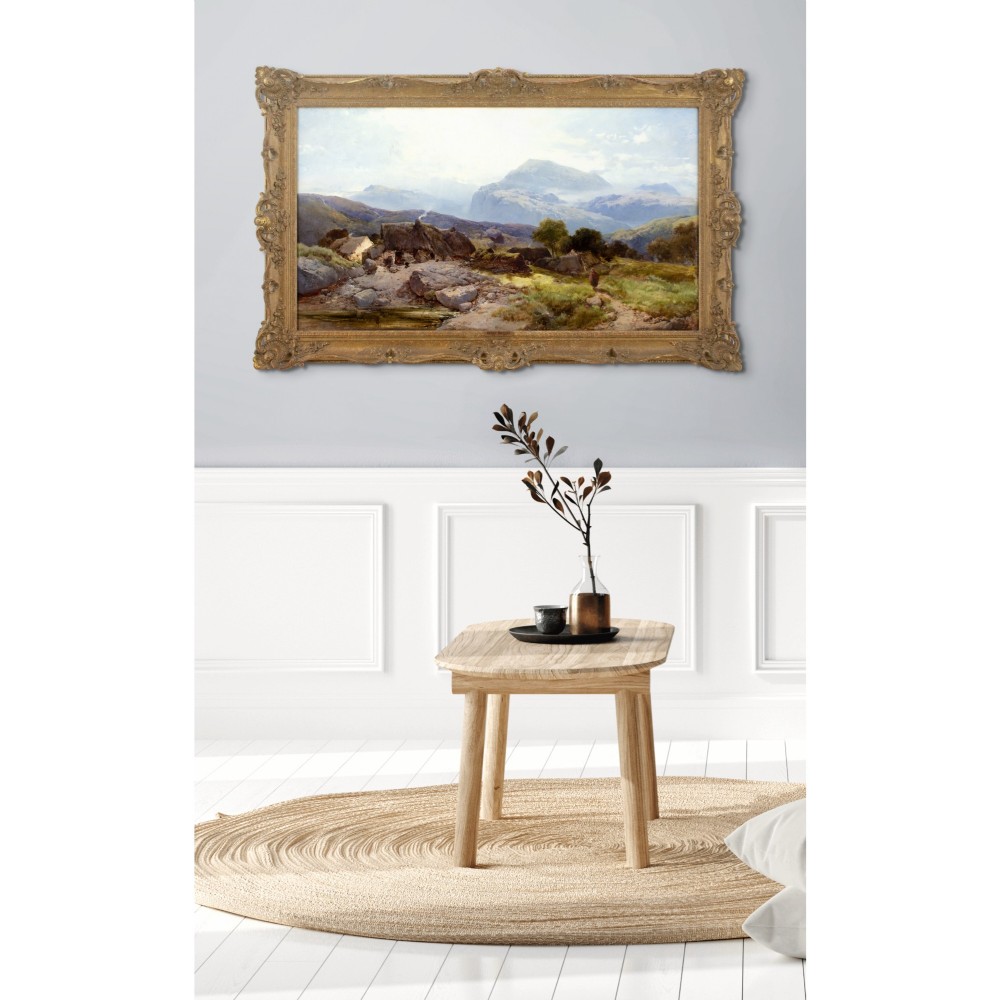
An antique framed oil painting depicting a mountainous Welsh landscape with thatched cottages and figures.
Henry Bright, In The Welsh Hills - Antique Oil Painting
Ref: SA1089292
An antique framed oil painting depicting a mountainous Welsh landscape with thatched cottages and figures.
Detail View 1
Detail View 2
Detail View 3
Detail View 4
Detail View 5
Detail View 6
Detail View 7
Detail View 8
Detail View 9
Archival Detail
Every single antique dealer on our platform is individually approved by our internal team. We verify their professional trade history, ethical standards, and photographic quality to ensure a secure, high-standard buying environment. Upon joining, every dealer agrees to a strict 9-point code of conduct. While issues can occasionally arise, our dealers typically resolve them swiftly and directly with the buyer. In fact, since our founding in 2002, Sellingantiques has only had to step in to help resolve an issue on roughly five occasions—a true testament to the quality of our dealers and their dedication to your happiness.
Our dealers are highly experienced in packing and shipping fragile, high-value antiques. Because you are in direct contact with the dealer, you will be able to easily go through all available shipping and insurance options together to ensure your item arrives safely.
Antiques are the ultimate green purchase. By choosing historical pieces over newly manufactured goods, you completely eliminate the carbon footprint of modern mass production while preserving exceptional, timeless craftsmanship.
Written by Sellingantiques from the dealer’s photographs and listing
  • ObjectFine Art
  • Period19th century
  • StyleVictorian
  • MaterialOil paint, Canvas, Wood, Gilt plaster
  • ColourGold
  • MotifsMountain landscape, Rural cottages, Ornate gilt frame, Atmospheric sky
  • SizeH 79 cm (31 in) x W 127 cm (50 in) x D 6 cm (2 in)

Nineteenth-century British landscape paintings typically focus on romanticised depictions of the countryside, often highlighting dramatic natural topography, pastoral scenes, and atmospheric light effects characteristic of the period.

These works were typically created using oil-based pigments applied to stretched woven linen or cotton canvas, housed within heavy timber frames adorned with plaster moulding and gilded finishes.

Authentic pieces generally exhibit natural ageing characteristics such as fine craquelure in the paint layer, oxidisation of varnishes visible under ultraviolet light, and period-appropriate stretcher frames with historic fixings.

Pairing traditional gilt-framed art with contemporary minimalist surrounds creates a striking focal point, allowing the historical narrative and rich textures of the piece to anchor the rooms design.

Preservation requires maintaining stable indoor humidity and temperature levels, avoiding direct sunlight to prevent fading, and dusting gently with a soft, dry brush without applying chemical cleaning agents.
items
Add keywords to the filter
Price
£100
£250000
Era
Period
Style
Material
Origin
Stock Location
Recently Added
Online Payments
Categories