
British Oil Landscape
These canvases capture the changing moods of the countryside and coast, bringing historic rural scenes and coastal views directly into your home through british oil landscape painting.
British Oil Landscape
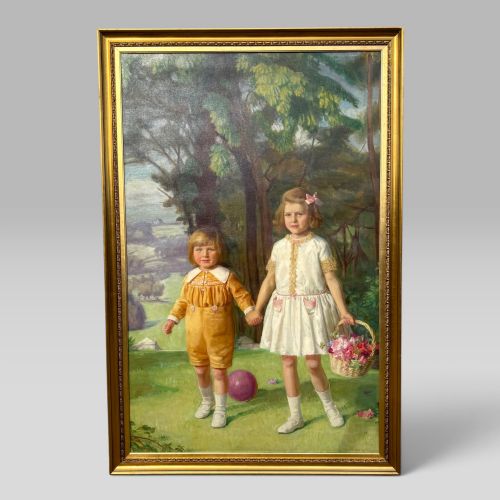
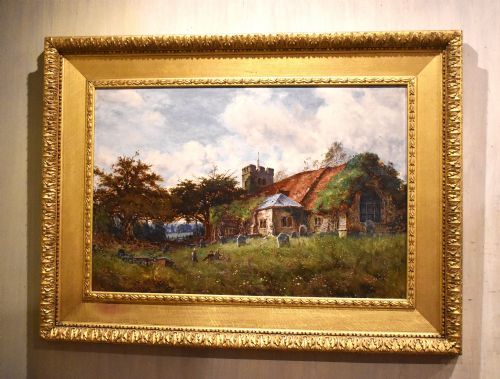
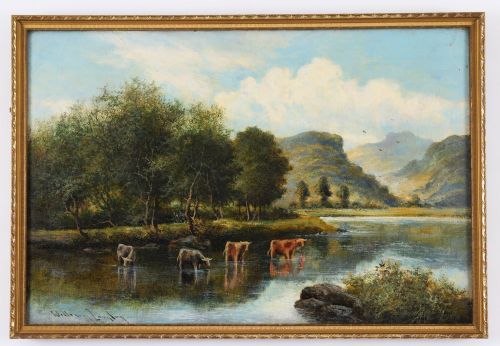
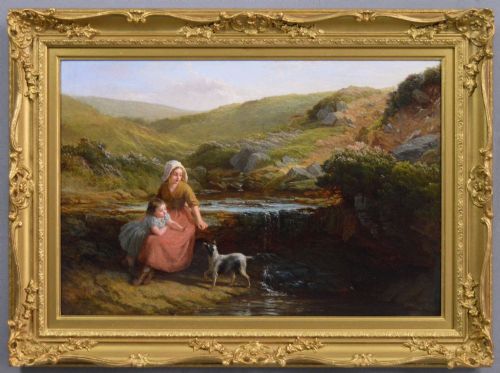
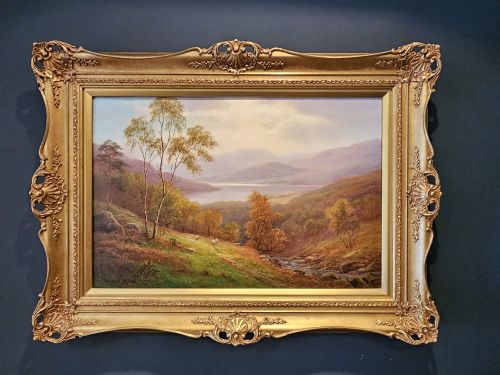
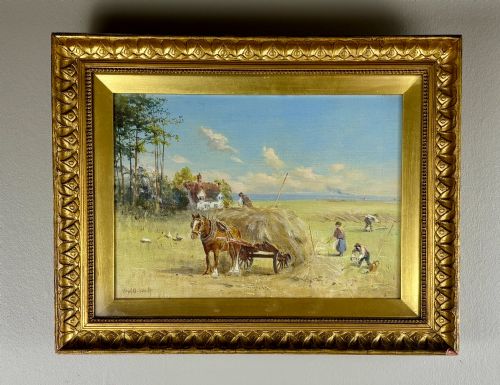
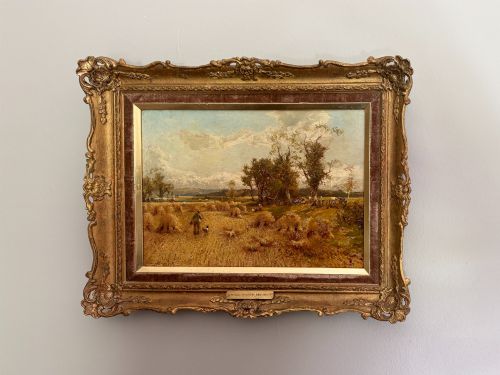
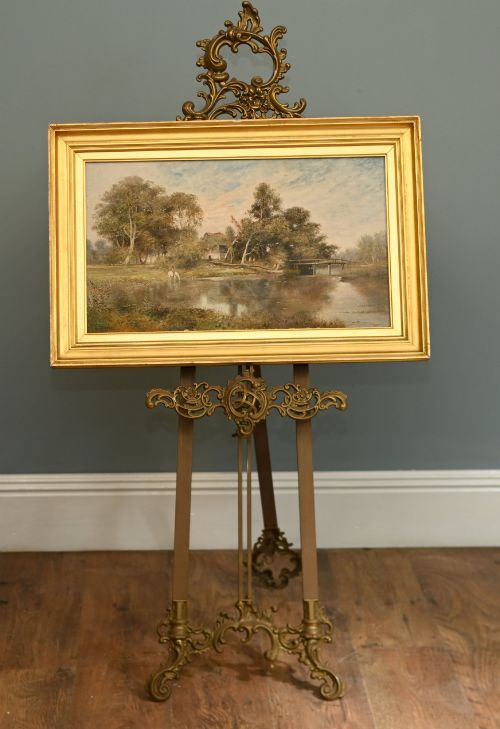
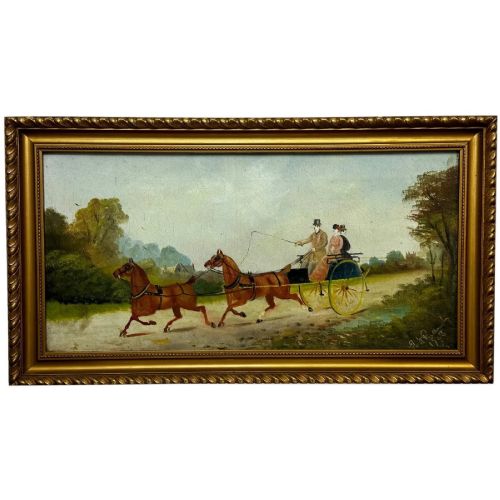
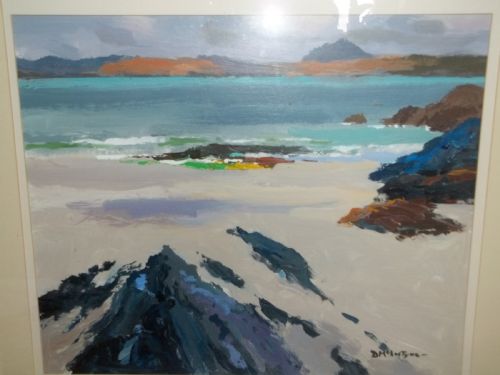
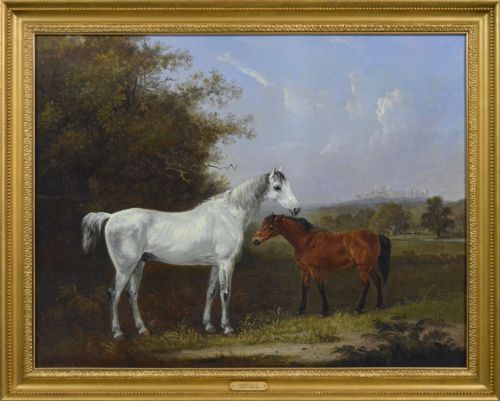
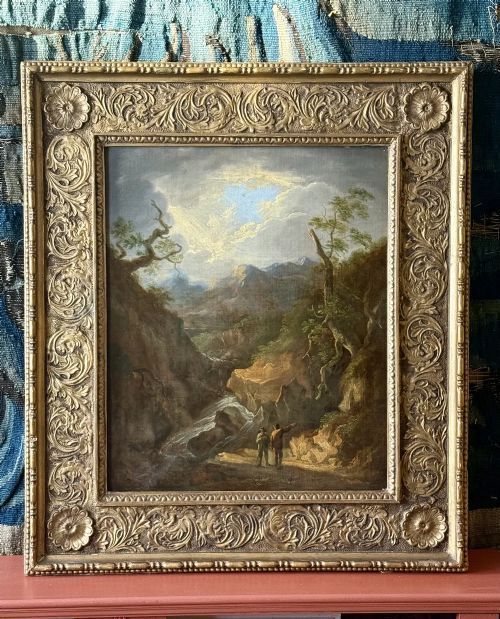
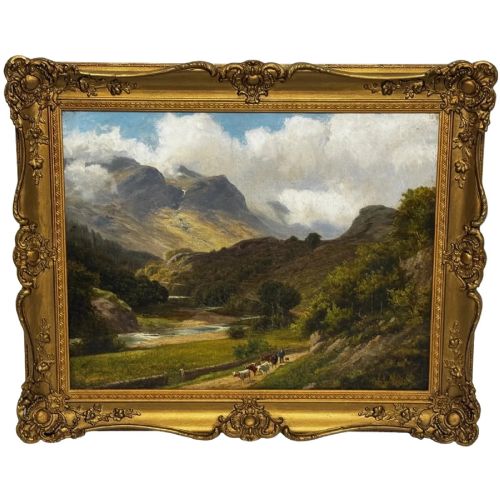
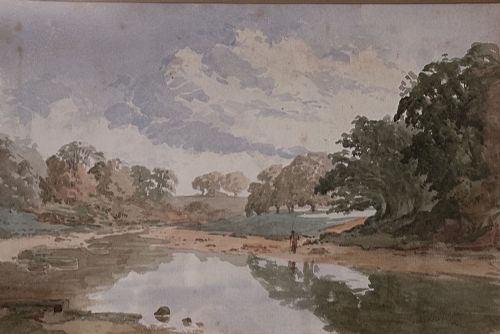
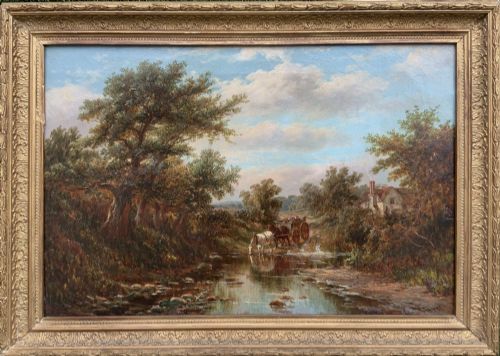
A british oil landscape records the physical terrain and rural life of the islands across the centuries, spanning romantic visions of the nineteenth century through to modernist interpretations later on. These works range from grand pastoral watermeadows and rugged highland vistas to intimate depictions of village harbours and riverbanks.
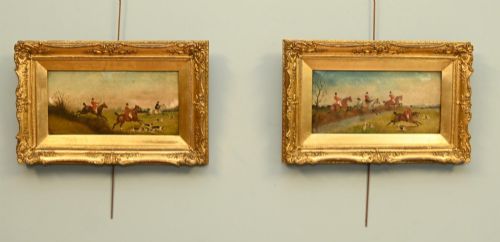
The selections available here lean heavily into nineteenth-century romanticism, early twentieth-century pastoral scenes, and mid-century topographical views. Works often feature everyday rural labour, livestock grazing near rivers, or quiet coastal inlets captured by regional artists working across England, Scotland, and Wales.
How They Were Made
Painters applied oil media using both fine bristle brushes and thick palette knives onto traditional supports such as woven canvas, wooden panels, and sturdy boards. Many earlier works utilised stretched canvas primed with gesso, while later twentieth-century compositions frequently favour prepared board or wooden panels for stability.
Techniques varied from smooth, blended academic brushwork designed to mimic natural light to energetic en plein air applications and textured impasto surfaces that recorded the immediate atmosphere of the weather and terrain.
Several canvases quietly preserve the damp atmosphere of unexpected downpours over Welsh mountains and Yorkshire dales.
What Varies in Quality
The standard of a composition rests upon the artist's handling of natural light, spatial depth, and atmospheric perspective rather than the mere scale of the canvas. Superior examples demonstrate a confident control of tonal values that creates believable distance and structural harmony across the terrain.
Material preservation also dictates value, with well-maintained paint layers free from excessive retouching, stable grounds, and original period frames holding greater artistic and historical integrity.
Richard Sebastian Bond·Tom Campbell·David Bates·Francis Moltino·John Macwhirter
The British Oil Landscape Glossary
- Impasto
- Paint applied thickly to a canvas or panel, leaving visible brush or palette knife marks that stand proud of the surface. This technique adds tactile depth and catches natural light effectively.
- En plein air
- The practice of painting outdoors directly from nature to capture transient light and weather conditions. Artists taking up portable easels recorded the landscape on the spot.
- Provenance
- The documented history of ownership of an artwork tracing its path from the creator's studio to the present day. Clear records help establish authenticity and past exhibitions.
- Canvas board
- A rigid support made from heavy cardboard or wood panel covered with primed canvas duck. It provided a portable, cost-effective alternative to stretched frames for outdoor sketching.
British Oil Landscape: Frequently Asked Questions
How do I date a landscape painting?
Dating relies on stylistic clues, framing methods, and the type of support used by the artist. Canvas preparations and clothing styles of any figures depicted also offer reliable chronological markers.
Signatures, artist registry records, and exhibition labels attached to the reverse provide further concrete evidence for the exact period of creation.
Where should I hang an oil painting?
Select an interior wall away from direct sunlight, high humidity, and extreme temperature fluctuations such as those near radiators or open fires. Stable environmental conditions protect the oil pigments and the wooden stretcher bars.
Ensure the centre of the canvas aligns roughly with eye level, allowing natural or subdued artificial light to illuminate the brushwork properly.
What is the difference between panel and canvas?
Panels offer a rigid, unyielding surface made from wood or stiff board, which prevents the cracking sometimes seen on flexible woven textiles over long periods. They were frequently favoured for smaller outdoor studies.
Canvases provide tension and spring across a wooden stretcher frame, allowing for larger compositions that absorb environmental expansion and contraction gracefully.