





Yomut Tribal Textile
When you search for a yomut tribal textile, you are looking at nomadic Central Asian weaving created for daily utility and ceremonial horse gear.
Yomut Tribal Textile
A yomut tribal textile encompasses functional nomadic items originating from the Trans-Caspian steppes in Turkmenistan during the nineteenth and early twentieth centuries. Collectors encounter utilitarian storage bags, tent-band attachments, and striking equine trappings rather than large floor carpets.
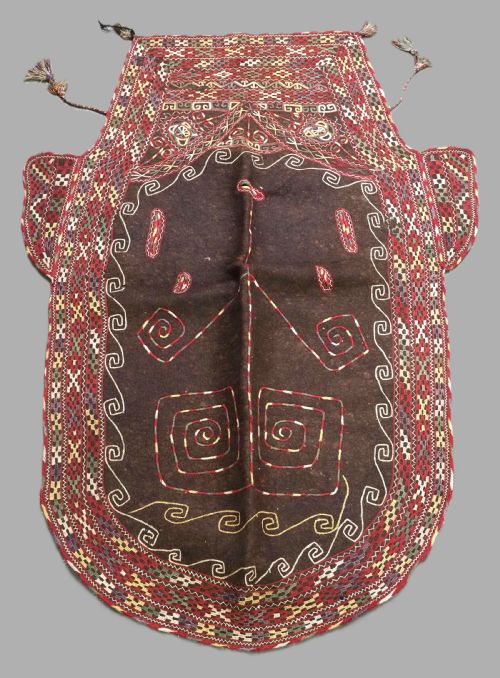
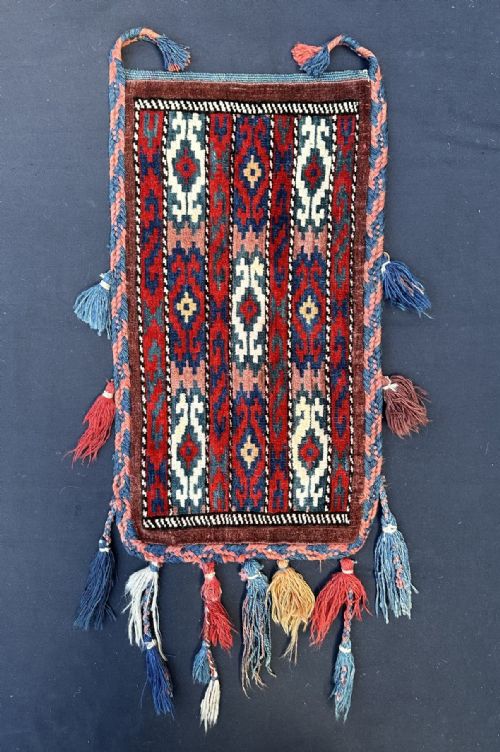
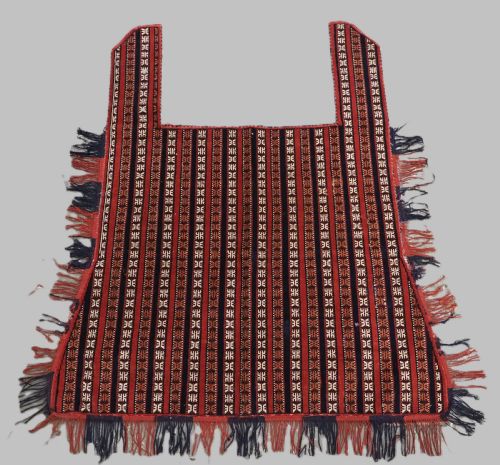
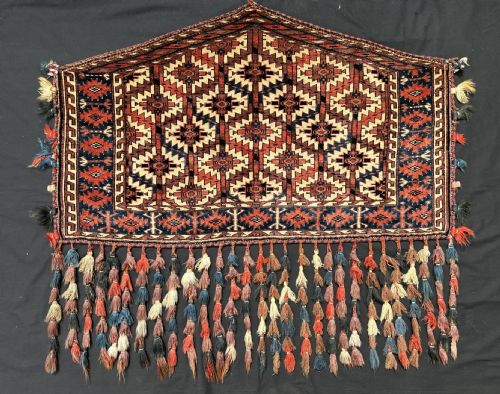
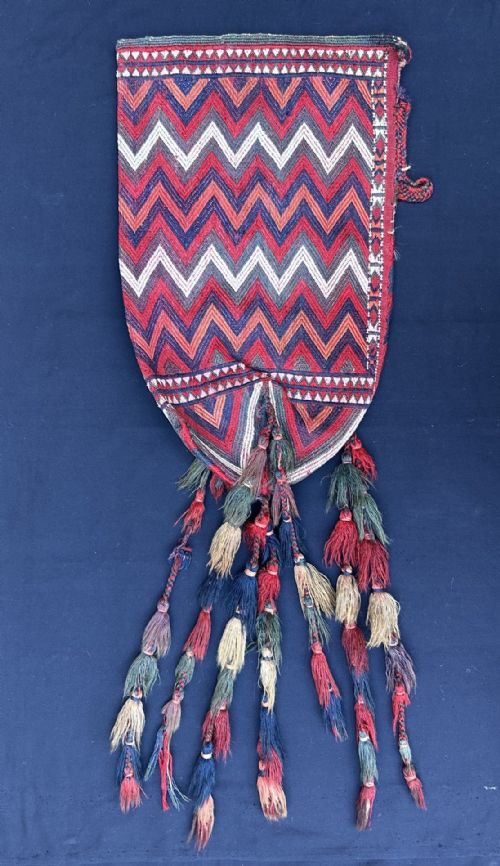
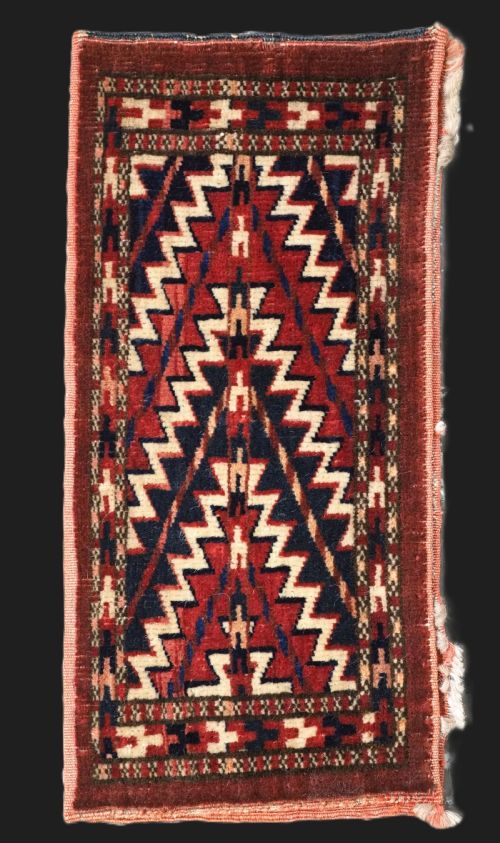
The material forms on this page span several specific tribal artefact types, including torbas, chuvals, spindle-bags known as igsalyks, and tent-pole bags called uk bashes. Ceremonial asmalyks and horse blankets also feature prominently among the surviving nomadic items.
These pieces reflect the traditional lifestyle of Turkmen tribesmen who relied on sturdy woven wool for tent furnishings and camel or horse transport. Each utilitarian item served a distinct domestic or nomadic purpose within the camp.
Materials and Construction
Nomadic weavers relied primarily on hand-spun wool for the pile and foundation of these textiles, supplemented by cotton thread and occasionally silk thread for detailing. Natural dyes provided the characteristic deep palette found across these steppe creations.
Certain ceremonial items incorporate felted wool, particularly horse blankets and heavy covers designed for enduring practical use in harsh climates. Plain weave backs and structural flatweave banding reinforced storage bags against heavy daily wear.
Listings on this site span the nineteenth and early twentieth centuries, featuring wool, cotton, and natural dyes.
Assessing Textile Quality
Quality in these nomadic works depends heavily on the crispness of the tribal guls and the integrity of the natural dye palette. Finely woven examples display tighter knotting and sharper geometric precision across the field.
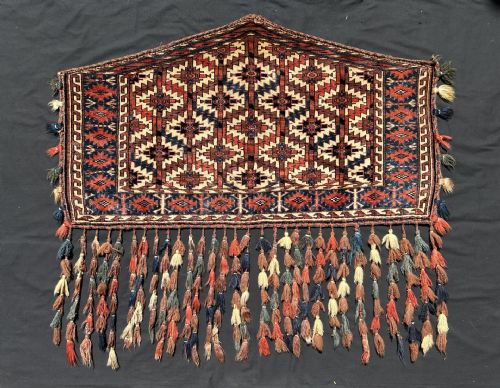
The presence of complete original backs on bags or intact tassels and fringes on ceremonial asmalyks elevates the historical completeness of a piece. Finer handling of secondary materials like cotton and silk thread points to superior workshop or tribal execution.
The Yomut Tribal Textile Glossary
- Asmalyk
- A pentagonal ceremonial trapping placed on the flank of a bride's camel during Turkmen wedding processions. These decorative pieces represent some of the most sought-after nomadic weaving.
- Chuval
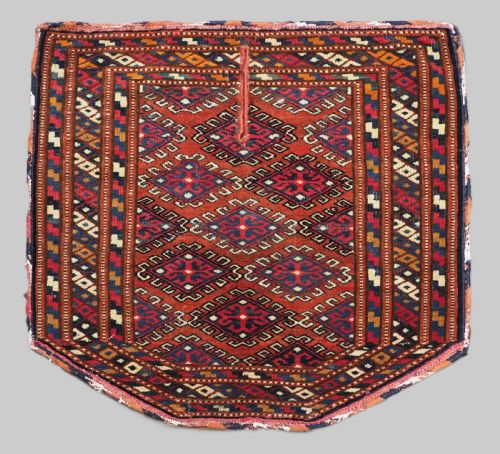
- A large Turkmen storage bag used inside the yurt for household goods and bedding. They frequently feature repeated tribal guls across the face.
- Torba
- A smaller utility wall-bag utilised by Turkmen nomads for storing personal items or utensils. These bags often display banded designs or central medallion patterns.
- Gul
- A repeating primary medallion motif characteristic of Turkmen tribal carpets and bags. Each design typically identifies the specific tribe or clan.
Yomut Tribal Textile: Frequently Asked Questions
What is a yomut tribal textile?
A yomut tribal textile is a hand-woven nomadic artefact originating from Turkmen tribes in Central Asia during the nineteenth and early twentieth centuries. These items include functional storage bags, tent-pole covers, and ceremonial horse trappings.
Weavers utilised hand-spun wool and natural dyes to create durable, geometrically patterned pieces designed for harsh nomadic life. Today, collectors value them for their rich history and striking tribal aesthetics.
How were these textiles used by nomads?
Nomadic families used these woven items for practical storage, transport, and ceremonial celebrations within their traditional yurt dwellings. Bags like chuvals and torbas held bedding and household possessions.
Other items served as horse blankets, saddle covers, or wedding decorations for camels during tribal ceremonies. Every piece fulfilled a specific structural or decorative role in daily nomadic existence.
How do I display a textile at home?
Many collectors mount these smaller tribal bags and asmalyks on walls as textile art to protect them from floor traffic. Using a proper conservation sleeve or gentle hanging method distributes the weight evenly across the wool foundation.
Keeping them away from direct sunlight preserves the natural dyes used by the original Turkmen weavers. Regular gentle vacuuming with a mesh screen helps maintain the wool pile.
How can I tell the age of a piece?
Dating these textiles relies on examining the wool quality, dye consistency, and structural construction techniques. Pieces from the nineteenth century typically feature softer hand-spun wool and complex natural dye variations.
Stylistic markers, such as specific tribal guls and weave tightness, also help narrow down the period of creation. Comparing the construction methods to dated examples provides a reliable guide to origin and era.