


Antique Felt Rug
An antique felt rug brings rich texture, bold tribal motifs and deep historical craft straight into modern interiors.
Antique Felt Rug
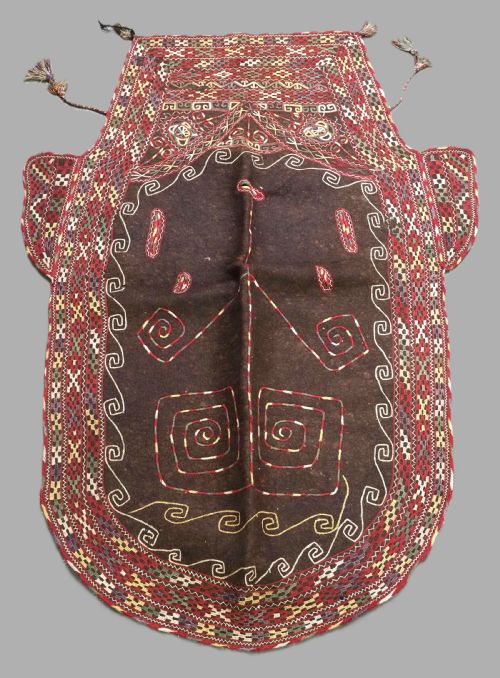
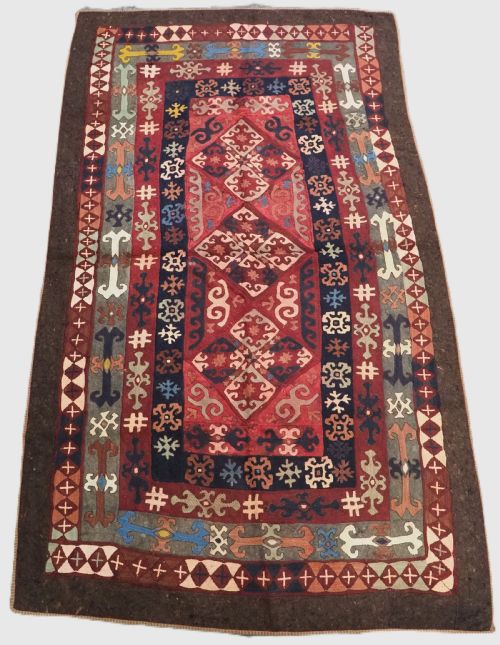
When you search for an antique felt rug, you encounter dense wool foundations worked by nomadic and tribal makers from Central Asia and Persia. These textiles include ceremonial horse blankets, saddle rugs, wall hangings and detailed embroidered panels created across the nineteenth and twentieth centuries.
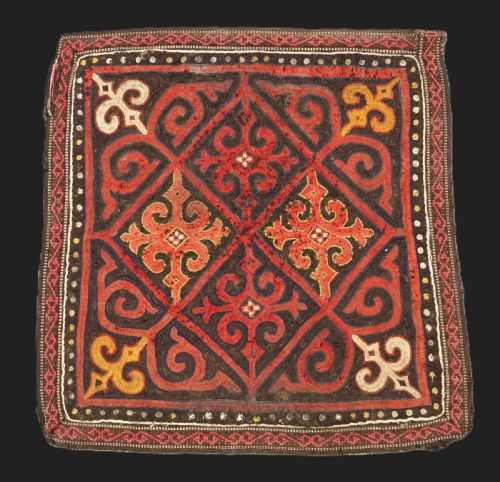
The most common examples on this page are Persian Rasht embroideries featuring intricate silk threadwork laid over thick red, black or neutral felt grounds. Alongside these sit Central Asian tribal pieces, notably Uzbek Lakai and Kirghiz works, which showcase vibrant applied felt and embroidery techniques.
Makers shaped these heavy textiles for practical nomadic life, utilising sheep wool and camel hair to insulate floors and tents against harsh weather. Today, collectors value them primarily as decorative wall hangings or statement floor textiles that display extraordinary cultural artistry.
How they were made
Traditional makers produced the base material through extensive wet felting, agitating animal fibres with moisture and heat until the wool locked into a dense, durable textile. This heavy wool felt provided a sturdy ground capable of supporting intricate needlework without warping.
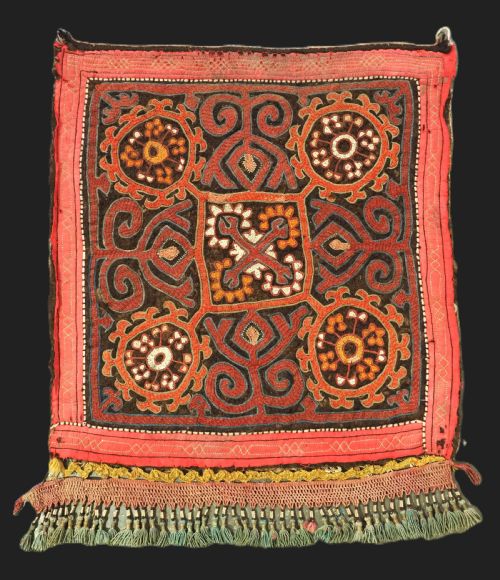
Artisans then embellished the felt using fine silk threads for chain-stitch embroidery or applied contrasting scraps of coloured felt to build geometric and floral patterns. Additional elements such as cotton thread, wool felt appliqués, applied fringe and horse hair tassels completed the construction of these elaborate textiles.
Several nomadic horse blankets and Kyrgyz ok bash covers still retain their original horse hair tassels, surviving over a century of desert travel.
What varies in quality
The sophistication of the needlework and the complexity of the design separate ordinary pieces from exceptional works. Fine silk embroidery executed in dense, precise stitches across a well-preserved felt ground demonstrates superior workshop skill.
The clarity and balance of regional motifs, such as central medallions or traditional tribal patterns, indicate the maker's mastery. Condition also plays a role, with intact fringes, secure appliqué work and stable wool grounds retaining greater visual impact.
The Antique Felt Rug Glossary
- Felt
- A non-woven textile produced by matting, condensing and pressing wool fibres together. This ancient method creates a thick, durable material that requires no weaving.
- Appliqué
- A decorative technique in which smaller pieces of fabric are sewn onto a larger background textile. In these pieces, shaped felt pieces form striking geometric and floral contrasts.
- Rasht embroidery
- A traditional Persian needlework style originating from the city of Rasht, characterised by dense silk thread embroidery and intricate felt inlay work.
- Ok bash
- A traditional Central Asian nomadic felt tent ornament or saddlebag cover, often finished with tassels. These functional objects display distinct regional tribal designs.
- Chain-stitch
- A looping sewing technique that forms a chain-like pattern, frequently utilised in Persian and Central Asian embroidery for outlining bold motifs.
Antique Felt Rug: Frequently Asked Questions
How do I hang an antique felt rug?
Mounting these textiles safely requires distributing the weight evenly across the entire upper edge to prevent stretching the wool felt.
Conservation methods typically involve custom cotton sleeves stitched to the reverse or specialised padded Velcro systems that attach to a hidden wall batten.
Can I place these on the floor?
While original makers used these textiles inside tents and on saddles, surviving antique examples feature delicate silk embroidery that suffers under heavy foot traffic.
Using them as low-traffic floor accents in protected areas or displaying them on walls preserves the fragile wool and silk fibres for the future.
How do I clean antique felt?
Water and traditional washing damage historic wool felt and cause shrinkage or dye bleeding across the embroidered sections.
Gentle surface vacuuming through a mesh screen remains the safest method of removing dust, while professional textile conservators should handle stubborn stains.
How do I date an antique felt rug?
Examining the natural dye palette, the consistency of the hand-spun wool and the specific embroidery style helps narrow down the period of origin.
Most surviving nomadic and Persian examples date from the late nineteenth century through the early twentieth century, reflecting traditional tribal techniques before synthetic dyes became widespread.