






Central Asian Yurt Textile
These central asian yurt textile pieces are nomadic furnishings shaped by tribal hands to bring colour and texture into portable dwellings.
Central Asian Yurt Textile
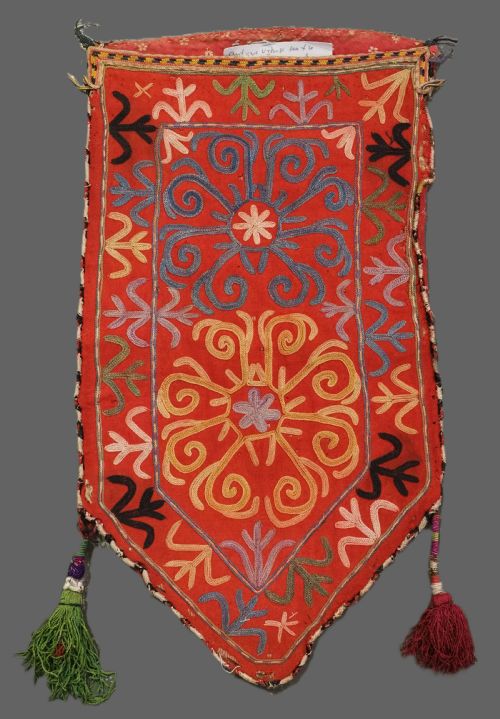
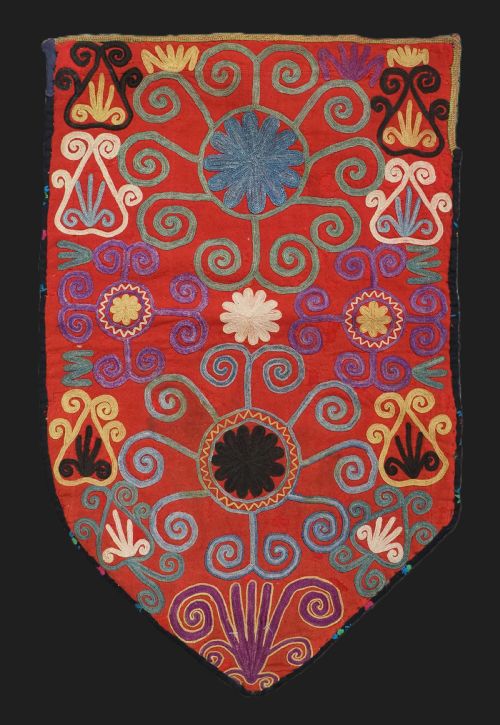
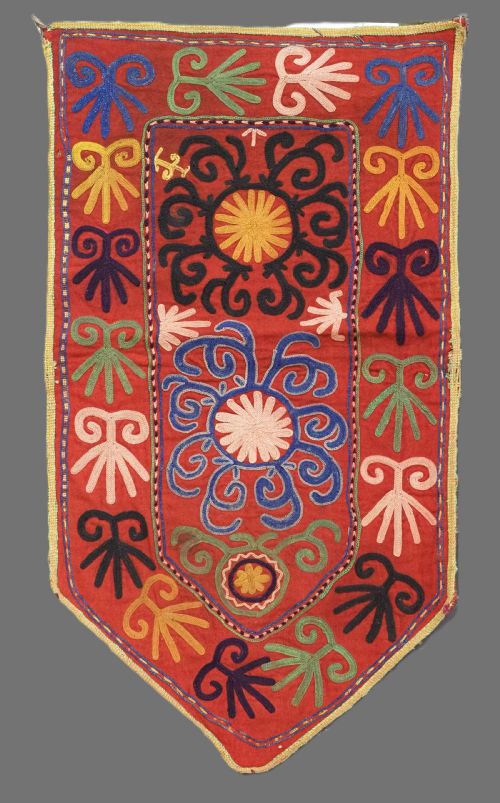
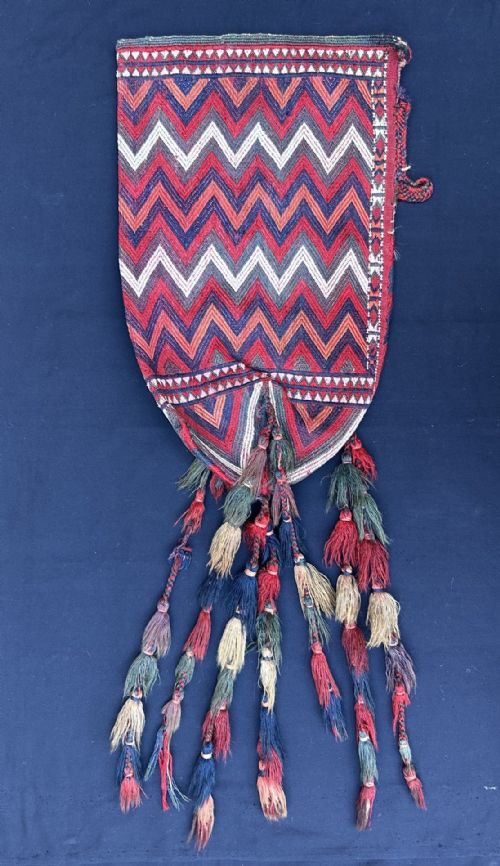
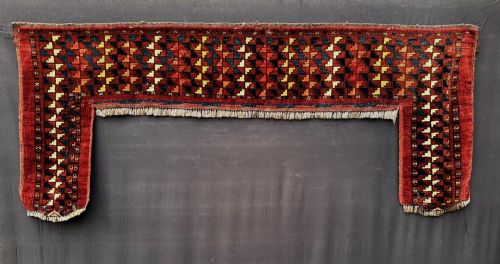
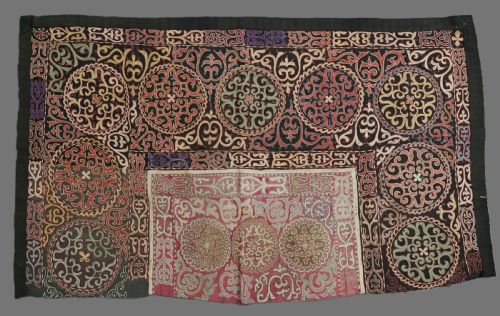
A central asian yurt textile encompasses functional and decorative items made by nomadic groups across the region, including Turkmen, Uzbek, Kyrgyz, and Afghan tribes. These pieces served practical roles inside circular felt tents, acting as storage bags, doorway surrounds, or wall decorations.
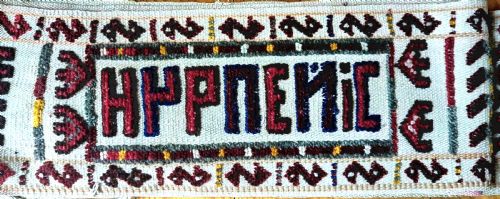
The most common examples on this page are bag faces, door hangings, and tent bands originating from the nineteenth and early twentieth centuries. Specific forms include the uut kap ilgich, gapylyk, torba, and ok bash.
Makers utilised traditional tribal motifs that identify the specific group and region of origin, from the Trans-Caspian steppes to the middle Amu Darya region.
Materials and construction
Materials consist primarily of wool, cotton, silk, and felted wool, occasionally embellished with horsehair and glass beads. Natural dyes provide the underlying palette, while silk highlights add contrast to wool grounds.
Construction techniques combine weaving, pile work, and dense embroidery, often worked on a red wool ground as seen in Uzbek and Kyrgyz examples. Tent bands utilise long woven structures designed to secure the wooden lattice framework of the dwelling.
Current listings include pieces from the nineteenth and early twentieth centuries, featuring materials such as horsehair, glass beads, and natural dyes.
Distinguishing quality
Quality rests on the fineness of the weave, the complexity of the embroidery, and the vibrancy of the natural dyes. Pieces retaining crisp botanical or geometric patterns show superior technical control.
The integrity of the textile surface, the survival of silk highlights, and the presence of original horsehair tassels or glass bead decorations elevate an example above standard utility pieces.
The Central Asian Yurt Textile Glossary
- Uut kap ilgich
- An Uzbek storage bag or hanging used inside a yurt. These often feature intricate embroidery on a wool ground.
- Gapylyk
- A doorway hanging placed over the entrance of a tent. Turkmen tribes produced these as decorative architectural elements.
- Ok bash
- A tent-pole bag or cover designed to fit over the ends of the wooden roof struts. They protect the interior and ornament the ceiling structure.
- Tush kyiz
- A large embroidered wall hanging made by Kyrgyz women to decorate the interior of the yurt. They record traditional motifs and family histories.
- Tegerich
- A piled tent band used to encircle and stabilise the wall framework of the nomadic dwelling. Surviving sections demonstrate structural weaving techniques.
Central Asian Yurt Textile: Frequently Asked Questions
What is a central asian yurt textile used for?
These textiles served practical and decorative functions inside traditional nomadic tents across Central Asia. They functioned as storage containers, doorway surrounds, structural bands, and wall hangings.
Nomadic families relied on these durable items to organise possessions and insulate their portable homes against harsh weather.
How do I hang a textile on the wall?
Displaying these pieces requires careful weight distribution to protect the historic fibres from strain. Mounting methods usually involve a non-invasive sleeve stitched to the reverse or a padded board.
Avoid direct sunlight and hanging in damp areas to preserve the natural dyes and wool grounds.
How do I identify different tribal styles?
Tribal attribution relies on specific structural formats, colour palettes, and decorative motifs. Turkmen weaving often employs deep reds and specific guls, while Kyrgyz pieces lean towards large floral embroidery.
Examining the materials, such as felted wool or silk highlights, helps connect a piece to its specific regional origin.
Are these pieces from nomadic cultures?
The items originate from pastoral nomadic and semi-nomadic groups including the Yomut, Ersary, and Lakai tribes. These communities moved seasonally across the steppes and plains.
Their material culture developed to be portable, functional, and rich in symbolic tribal decoration.