


Antique Central Asian Trappings
Antique central asian trappings are nomad textiles and ceremonial horse covers that bring rich tribal geometry into a modern interior.
Antique Central Asian Trappings
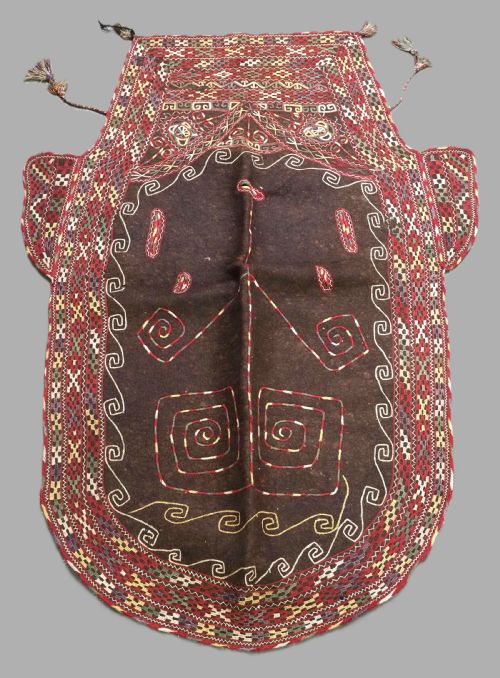
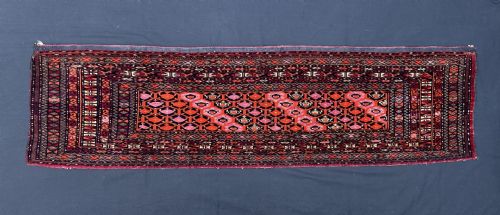
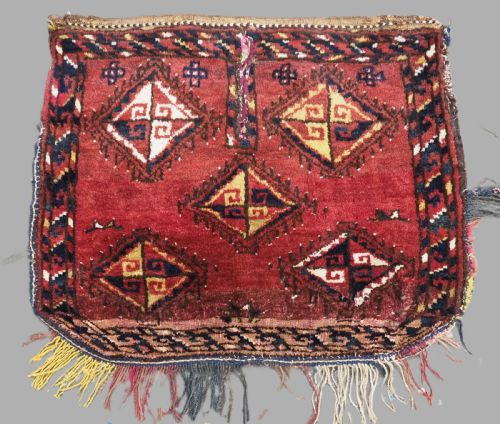
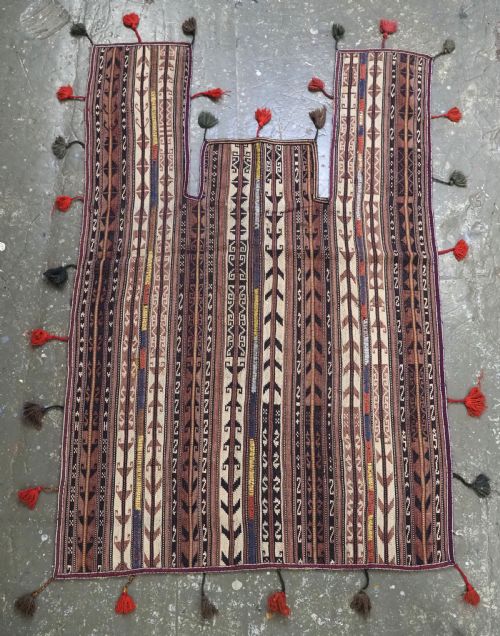
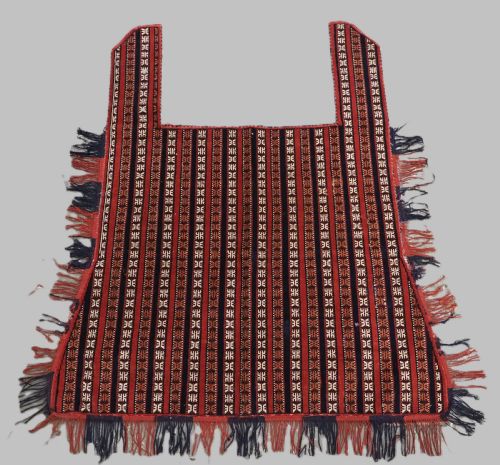
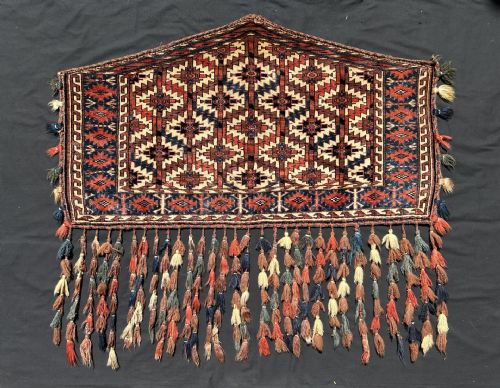
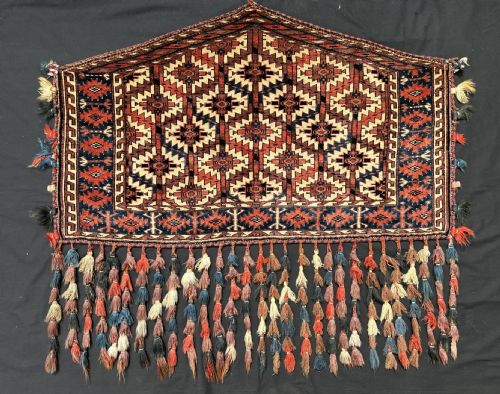
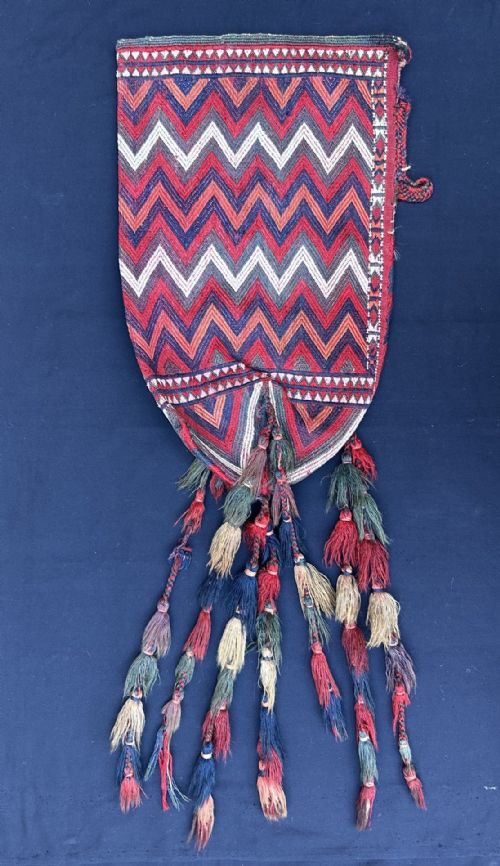
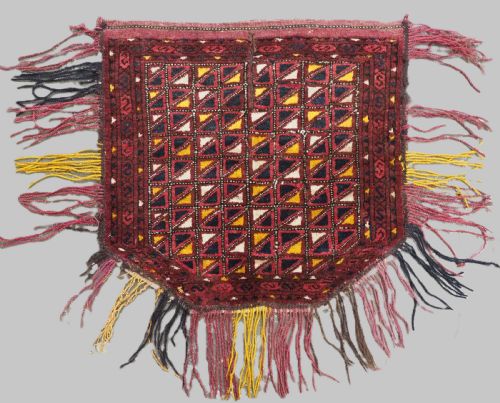
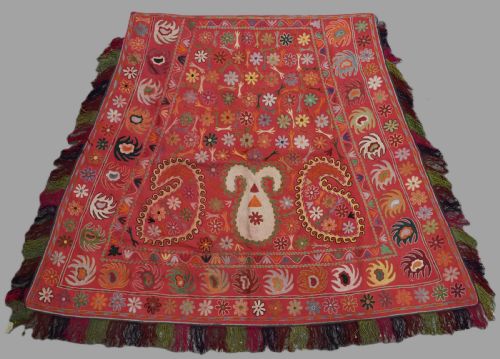
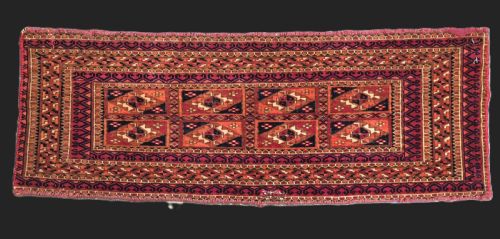
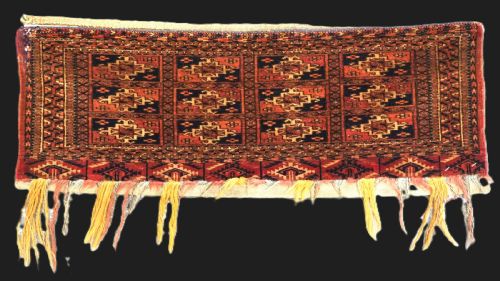
These antique central asian trappings encompass utilitarian and ceremonial weavings created by nomadic and tribal groups across the nineteenth and early twentieth centuries. Buyers encounter specific functional forms such as horse blankets, asmalyks, torbas, and saddle rugs originating from regions like Turkmenistan, Uzbekistan, and Afghanistan. The selection on this page centres heavily on tribal textiles attributed to groups including the Yomut, Tekke, Ersari, Saryk, and Lakai.
Many of these objects served practical roles within nomadic migration or adorned animals during wedding processions and tribal celebrations. Format varies from small bag faces designed for tent storage to large pentagonal asmalyks and complete horse covers retaining original tassels or backs. The overarching style reflects distinct regional motifs, structural weaves, and tribal patterns passed down through generations.
Materials and construction methods
Weavers relied primarily on hand-spun wool for the main structural foundation and pile, often combining it with cotton and felted wool for specific backing or ceremonial pieces. Natural dyes provided the deep reds, ivories, and dark browns characteristic of these tribal textiles.
Surface ornamentation frequently incorporated delicate cotton thread and silk thread embroidery, particularly on Uzbek Lakai and Ersari pieces. The density of the weave and the inclusion of silk highlights distinguished everyday utility objects from finer dowry items.
Camels occasionally wore finer wedding garments than their owners.
Distinguishing factors in quality
The highest tier of these works exhibits exceptional tightness of weave, precision in tribal guls, and the survival of original structural elements such as backs and tassels. Artisanal mastery shows in the saturation of natural dyes and the crisp execution of complex geometric layouts like the curled leaf or 'aina gul' designs.
Weaker examples display looser knotting, simplified motifs, or extensive later repairs that detract from the tribal integrity. The presence of scarce formats, such as intact pairs of asmalyks or small-scale dowry torbas, elevates the desirability within the category.
The Antique Central Asian Trappings Glossary
- Asmalyk
- A pentagonal trapping produced by Yomut and other Turkmen tribes, traditionally hung on the flanks of a bride's wedding camel. These decorative pieces display sophisticated geometric layouts.
- Torba
- A small horizontal wall bag utilised within nomad tents for storage and household organisation. Faces often survive independently from their original woven backs.
- Chuval
- A large tent bag used by Turkmen nomads for storage during migration. They typically feature multiple rows of primary guls.
- Gul
- A medallion motif repeated across tribal rugs and trappings to identify specific clans or lineages. Different tribes utilised distinct gul forms such as the 'aina gul' or 'ertum' design.
- Jollar
- A Turkmen tent hanging or long bag face positioned horizontally across the interior lattice walls of a yurt. They share structural traits with smaller storage torbas.
Antique Central Asian Trappings: Frequently Asked Questions
What are antique central asian trappings?
These items are woven textiles and decorative horse covers created by nomadic tribes in regions including Turkmenistan, Uzbekistan, and Afghanistan during the nineteenth and early twentieth centuries.
They served functional roles in daily nomadic life as storage bags or adorned horses and camels during ceremonial wedding processions.
How were these trappings used originally?
Nomadic families utilised pieces like torbas and chuvals inside tents for storing household goods and bedding during seasonal migrations.
Larger items functioned as ceremonial horse blankets, saddle rugs, or decorative flank covers displayed during tribal celebrations and weddings.
How do I identify different tribal groups?
Tribal attribution relies on specific design vocabulary, colour palettes, and structural motifs woven into the fabric. Distinct clans like the Yomut, Tekke, and Ersari employed characteristic medallion patterns known as guls.
Examining the weave density, framing borders, and secondary ornament helps narrow down the origin within Central Asia.
How should I display them at home?
Many collectors mount these flat textiles securely on walls as art panels to protect the delicate wool and silk embroidery from floor traffic.
Smaller pieces like saddle covers and torbas can also be placed on low tables or benches provided they are kept away from direct sunlight.