
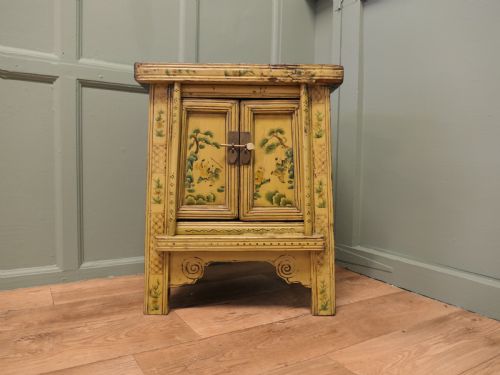
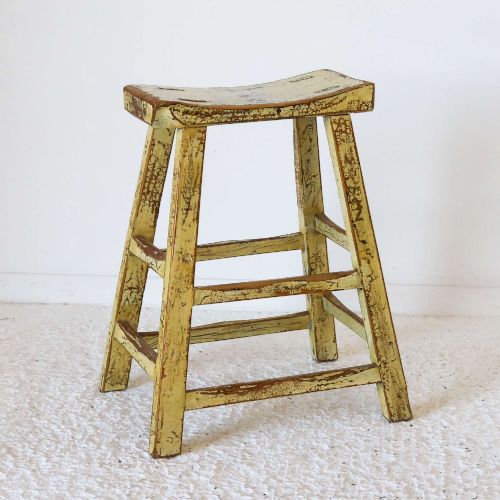
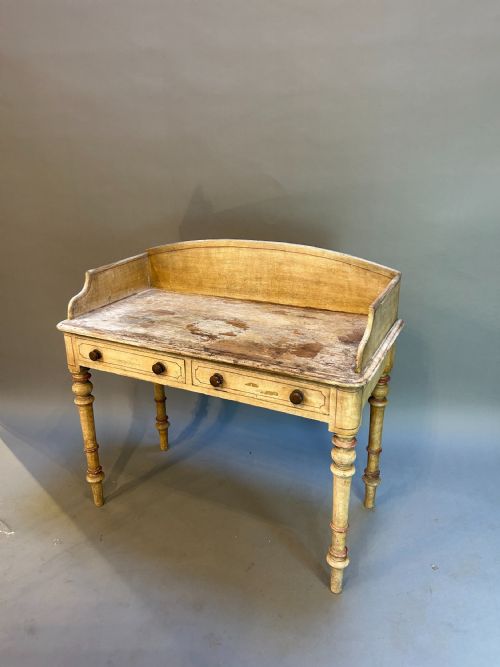


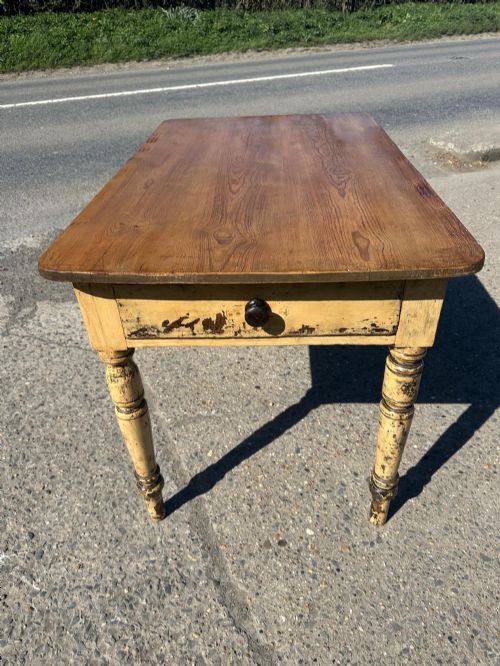
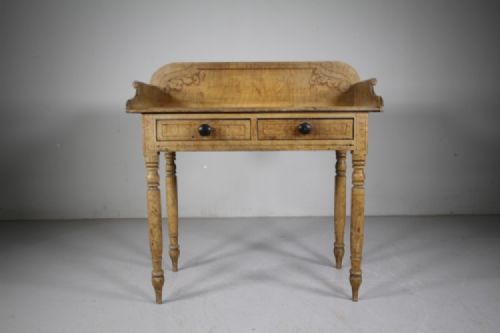


Yellow Painted Side Table
A yellow painted side table brings cheerful colour and functional surface space to a room, drawing on centuries of painted wooden traditions.
Yellow Painted Side Table
A yellow painted side table unites practical surface utility with vibrant painted finishes, appearing across various historical periods in forms such as side tables, writing desks, and console tables. These pieces emerge from design traditions ranging from Georgian elegance to Victorian country practicality, offering versatile furniture for domestic interiors.
The selections available here showcase significant variety in form and regional style, including English pine pieces, Regency faux bamboo designs, and Chinoiserie decorated items. Buyers encounter both delicate satinwood pier tables and robust kitchen tables bearing painted surfaces, reflecting diverse historic tastes in domestic decoration.
Materials and construction methods
These tables rely primarily on timber substrates such as pine, elm, and satinwood, constructed using traditional joinery appropriate to their respective periods. Artisans then applied foundational layers of paint, sometimes incorporating specialised techniques like lacquering or faux bamboo shaping to achieve specific decorative effects.
Surface finishes form a central component of these pieces, utilising original paint, ochre pigments, and decorative schemes including Chinoiserie motifs. Structural elements are occasionally paired with stone surfaces, such as sienna marble, mounted upon supportive timber or giltwood bases.
Listings feature pieces spanning the Georgian, Regency, and Victorian eras, constructed from pine, satinwood, and elm.
Evaluating quality and craftsmanship
Quality in these tables rests upon the integrity of the underlying woodwork and the survival of the original painted surface. Pieces retaining their initial pigment layers, such as authentic ochre or delicate hand-painted motifs, demonstrate superior historical preservation compared to later repainted surfaces.
The refinement of the joinery and the sophistication of the decorative style distinguish individual examples. Fine cabinetmaking details, balanced proportions, and well-executed stylistic influences like Neoclassical or Chinoiserie ornament elevate the standing of a piece within its period.
The Yellow Painted Side Table Glossary
- Chinoiserie
- European interpretation and imitation of Chinese and East Asian artistic traditions, often featuring painted motifs on furniture. This style gained particular popularity during various historic decorative revivals.
- Faux bamboo
- A decorative technique where wood is turned and carved to imitate the segmented stalks of natural bamboo. It appears frequently in furniture from the Regency period.
- Sienna marble
- A yellow-brown Italian marble variety with dark veining, highly prized for luxurious tabletop surfaces. It provides a heavy, elegant contrast to painted wooden bases.
- Satinwood
- A durable, lustrous timber native to India and Sri Lanka, featuring a natural golden sheen. It was widely utilised by cabinetmakers for fine decorative tables.
Yellow Painted Side Table: Frequently Asked Questions
Where should I place a yellow painted side table?
A yellow painted side table functions effectively in hallways, living rooms, and bedrooms to provide a useful surface for lamps or decorative objects. Its bright finish adds a focal point of colour to neutral or traditional interior schemes.
Positioning the table away from direct, harsh sunlight helps protect the historic painted finish from fading over time. Pairing the piece with complementary textiles or furnishings enhances its visual impact within the room.
How do I care for original painted wood furniture?
Maintaining furniture with historic paint requires gentle dusting with a soft, dry cloth rather than harsh chemical polishes. Keeping the piece in a stable environment away from excessive moisture preserves the integrity of the timber and pigment.
Avoiding abrasive cleaners ensures the original decorative surface remains intact for the future. Professional conservation advice should be sought if structural stabilization or surface cleaning becomes necessary.
How can I tell the period of a painted table?
Dating a painted table involves examining the underlying timber construction, joinery methods, and hardware alongside the characteristics of the paint layer. Georgian and Regency pieces exhibit different structural proportions and decorative vocabularies compared to later Victorian examples.
Wear patterns and the chemical composition of the pigment layers also offer clues regarding the age of the finish. Comparing the overall form to documented furniture styles helps narrow down the probable era of manufacture.
What is the difference between a console table and a side table?
A side table is typically a freestanding piece of furniture designed to be accessed from multiple sides or placed beside seating. Console tables historically feature a flat top and were often designed to stand flat against a wall, sometimes requiring wall fixings for stability.
Many console tables include decorative legs and demi-lune shapes intended specifically for hallway placement. Both forms utilise painted wooden surfaces to introduce colour and utility into domestic spaces.