
Yellow Painted Cabinet
Yellow painted cabinet pieces bring bright colour and vernacular charm into a room, spanning rustic pine storage to refined Chinoiserie.
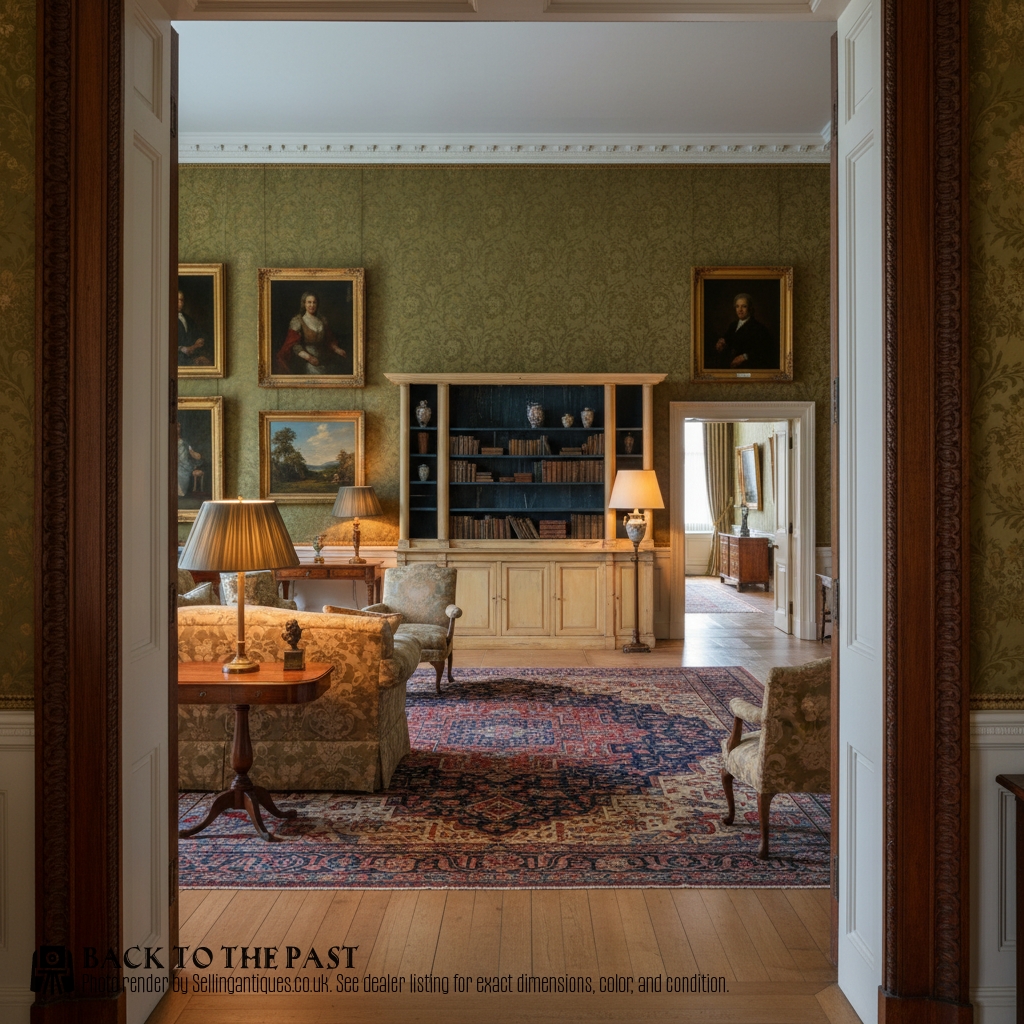
Yellow Painted Cabinet
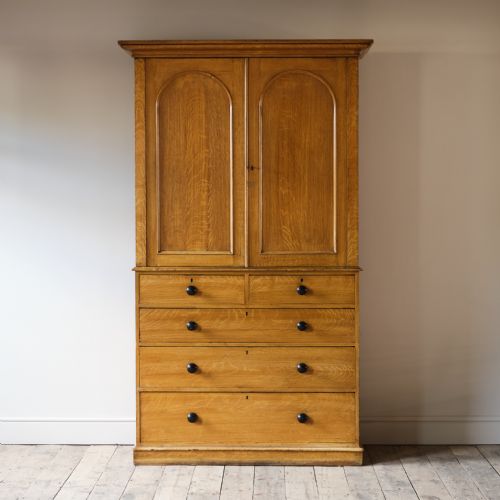
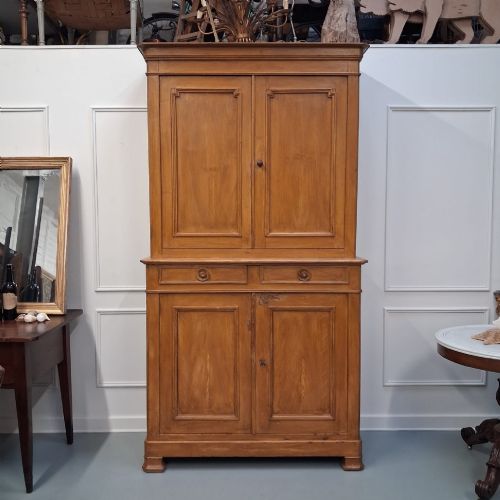
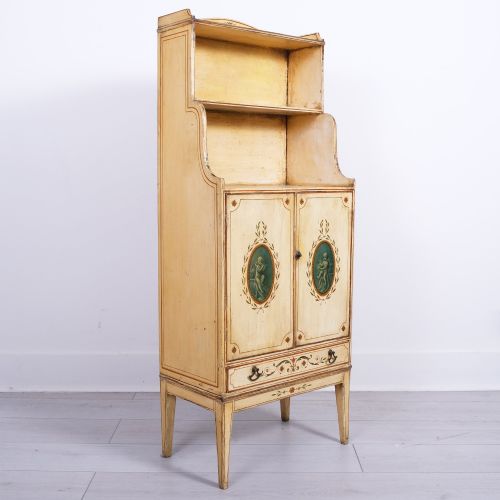
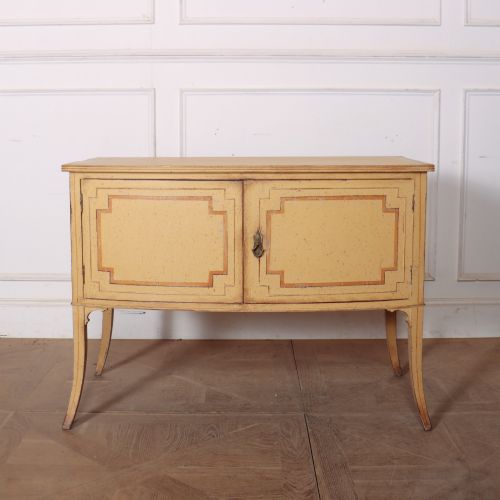
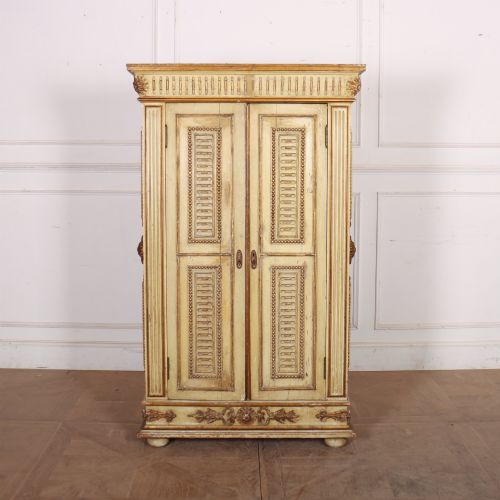
A yellow painted cabinet takes many structural shapes across this selection, from substantial pine housekeepers cupboards and dressers to tall bookcases and corner cupboards. These pieces originate across the nineteenth and early twentieth centuries, drawing on styles such as Victorian Country, French Provincial, and Edwardian design.
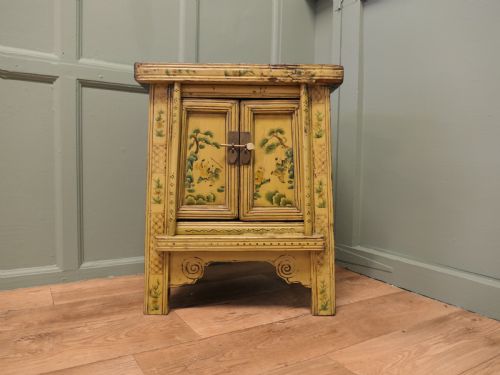
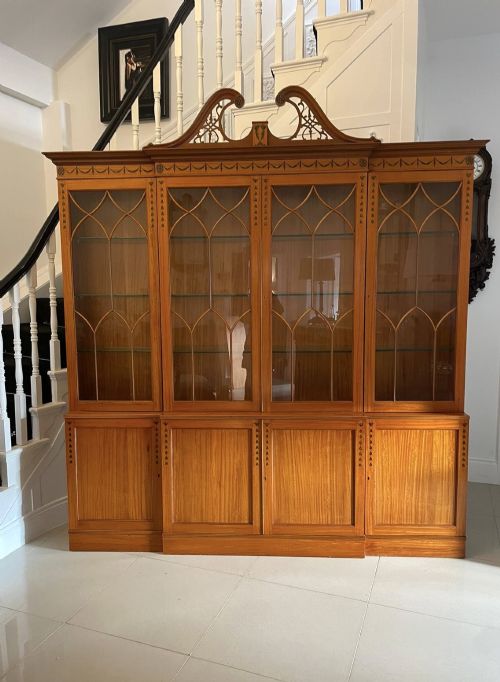
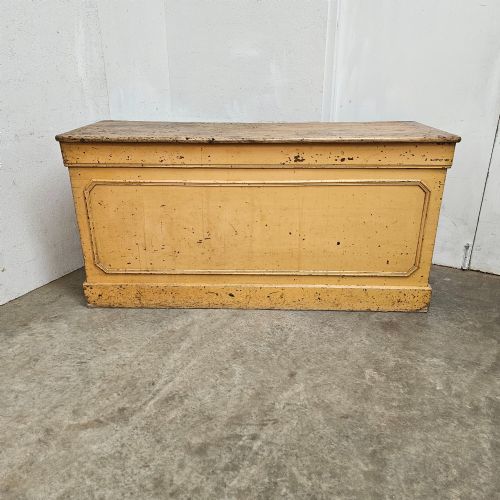
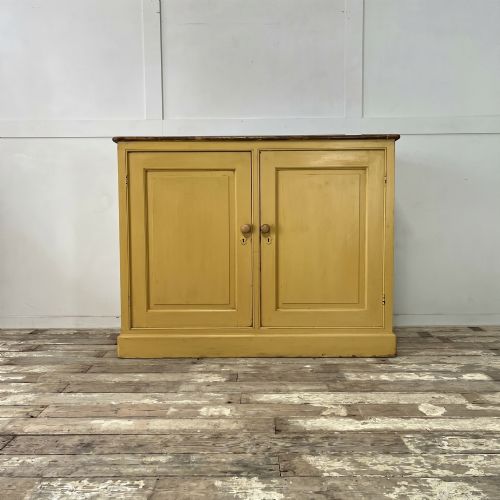
The version most commonly encountered in yellow painted cabinet inventory is the utilitarian pine or softwood cupboard, often found in original surface paint. Alongside these country pieces sit more decorative examples finished in Chinoiserie or japanned decoration, alongside glazed display cases and shop counters.
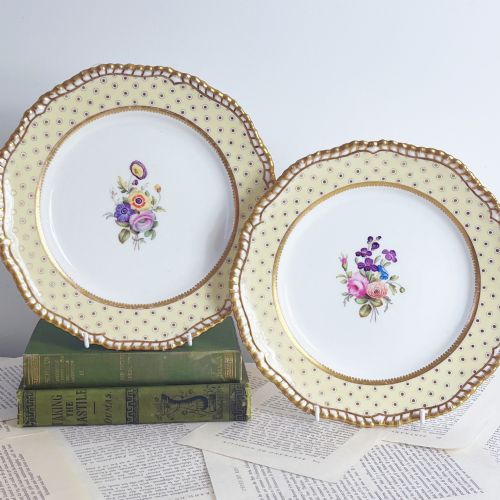
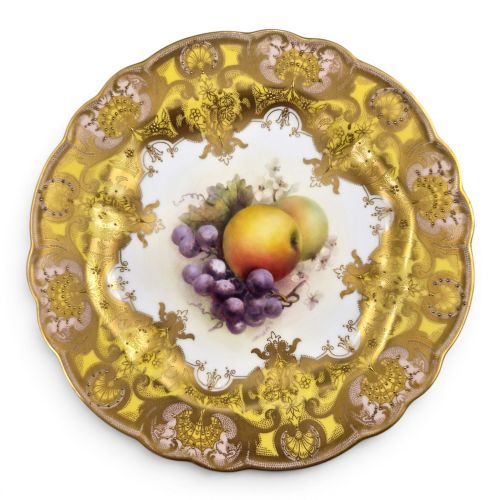
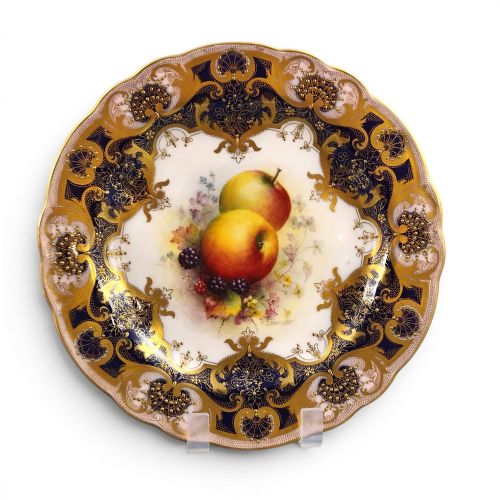
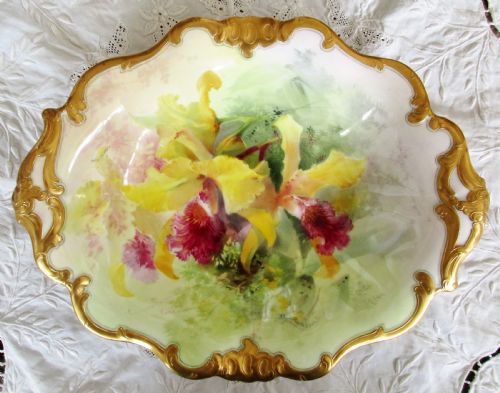
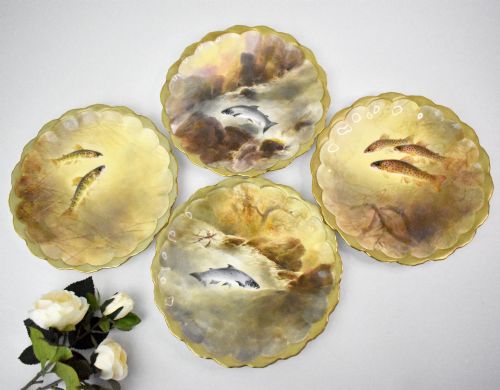
Makers and decorators range from vernacular provincial joiners working in pine to established porcelain manufacturers and specialised decorators applying botanical and fruit scenes to plates and dishes.
Materials and Technique
Construction relies heavily on solid pine and wood substrates, built with traditional joinery suited to domestic storage and display furniture. Surfaces are coated in layers of oil or water-based paint, sometimes incorporating original paint schemes that show decades of gentle wear.
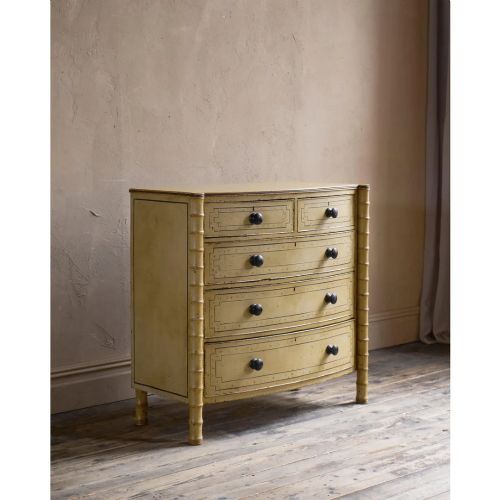
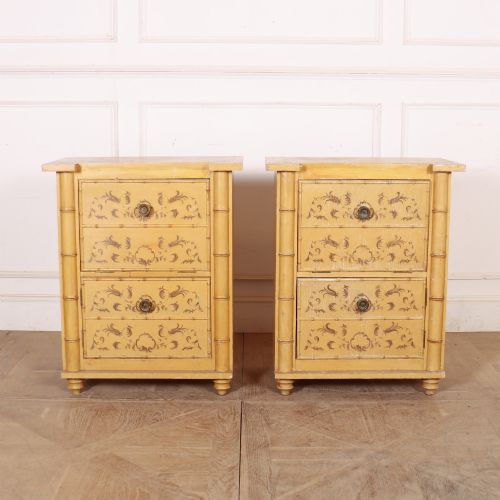
Decorative pieces introduce specialised techniques such as hand-painted Chinoiserie motifs, faux bamboo turnings, gilding with gold leaf, and detailed porcelain decoration executed by notable hand artists. Brass hardware frequently provides functional contrast to the painted timber surfaces.
Victorian Country, Edwardian, and Chinoiserie represent the dominant stylistic traditions found across these listings.
Evaluating Quality
The distinction between ordinary and exceptional quality rests largely on the integrity of the surface finish and the preservation of original paint. Pieces retaining their untampered first layer of yellow or cream paint command greater interest than those stripped or subjected to later repainting.
Proportion, architectural detail, and the finesse of any hand-painted decoration also separate standard utility furniture from finer examples. Subtle elements like delicate glazing bars, authentic brass mounts, and documented artist signatures elevate individual items.
Royal Worcester·Royal Doulton·Meissen·Hutschenreuter·Spode
The Yellow Painted Cabinet Glossary
- Chinoiserie
- European decorative style imitating Chinese artistic traditions, frequently featuring figures, pagodas, and landscapes rendered in paint or lacquer. This style appears on cabinets and bureaus from the eighteenth and nineteenth centuries.
- Breakfront
- A large piece of furniture whose central section projects forward from the flanking wings. This architectural arrangement is seen on larger bookcases and display cabinets.
- Japanned
- European lacquered or varnished woodwork imitating Japanese export wares, often utilising raised motifs on pale cream or coloured grounds. It forms a distinct decorative subset within painted furniture.
- Astral glazed
- A glass door divided into panes by slender wooden or metal bars, typically forming geometric patterns. This technique allows clear display of contents in breakfront cabinets.
- Housekeeper cupboard
- A large vernacular storage piece with panelled doors, traditionally used for linens and provisions in country houses. They are frequently recorded in original painted pine.
Yellow Painted Cabinet: Frequently Asked Questions
Are these cabinets painted recently?
Many items in this category retain their original period paint surfaces, showing authentic craquelure and wear consistent with age.
Buyers should examine listing details for references to original paint versus later decorative finishes.
How do I care for painted wood?
Maintain painted furniture by keeping it away from direct sunlight and fluctuating humidity to prevent paint flaking.
Dust gently with a soft dry cloth and avoid modern chemical cleaning agents.
What is the difference between pine and satinwood?
Pine is a softer, utility timber typically used for country cupboards and dressers, usually finished in opaque paint.
Satinwood is a dense hardwood valued for fine grain and golden sheen, often used in refined display furniture.
How do I identify a Chinoiserie piece?
Chinoiserie items feature whimsical motifs of pavilions, figures, and flora executed in paint or raised lacquer.
These designs often appear on pale cream or dark backgrounds across nineteenth-century cabinets and bureaus.