


19th Century French Bookcase
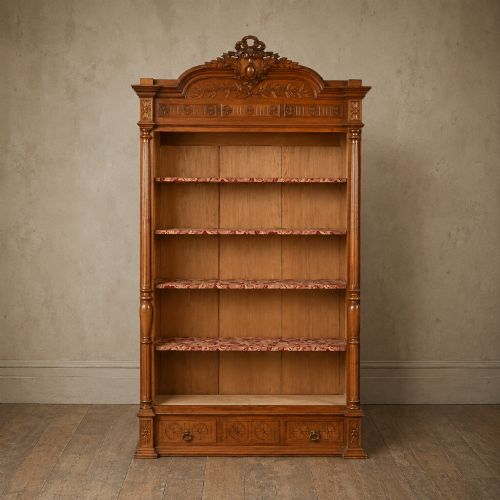
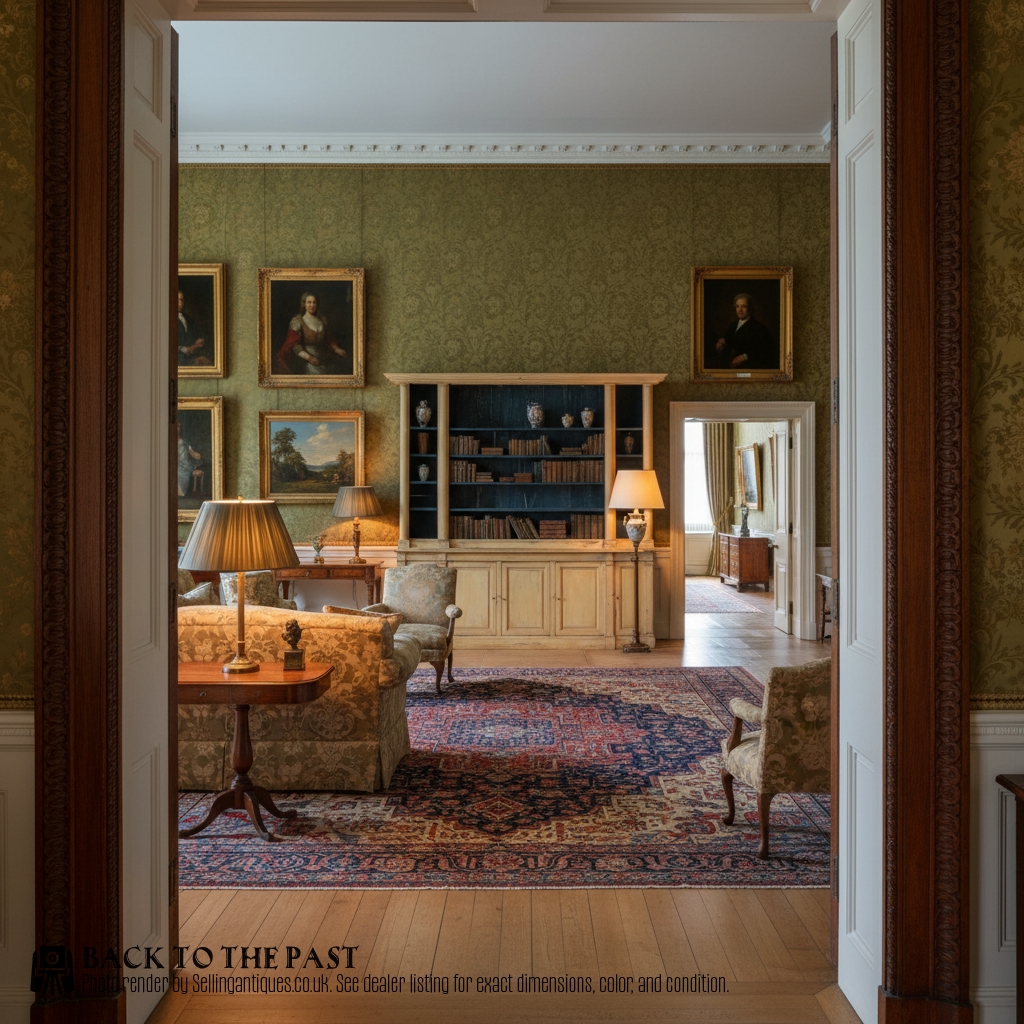
A 19th century french bookcase brings warmth and formal elegance to a room while housing a personal library.
19th Century French Bookcase
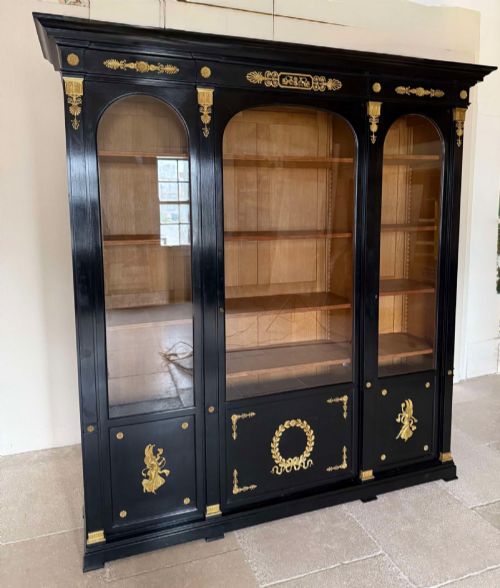
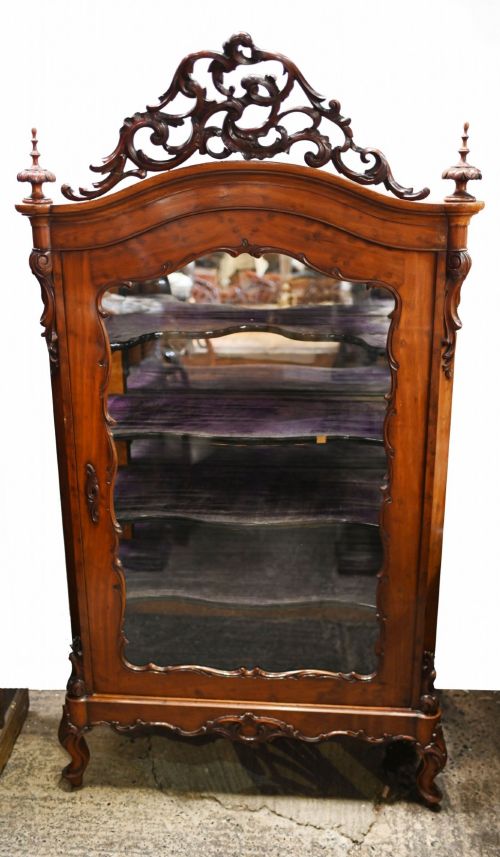
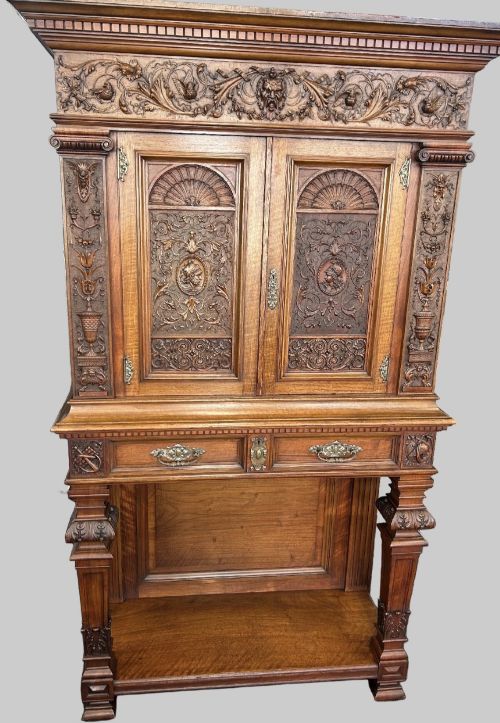
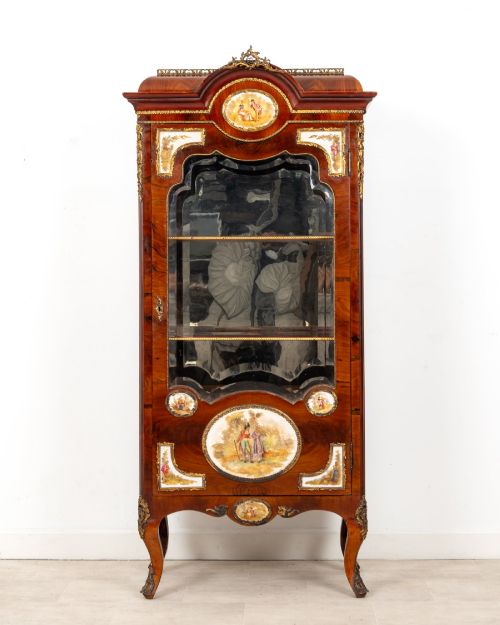
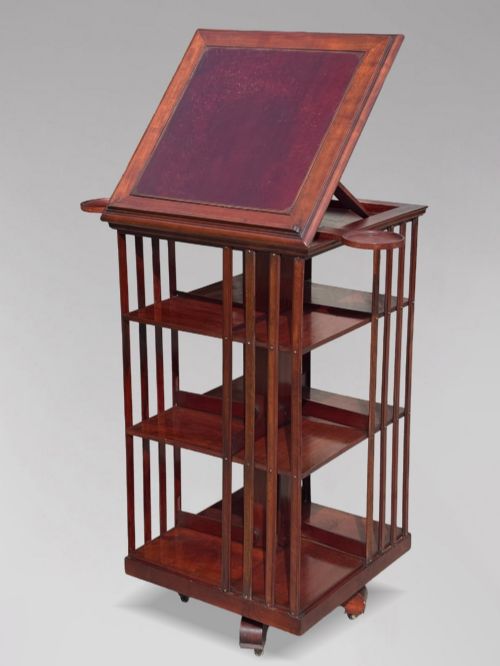
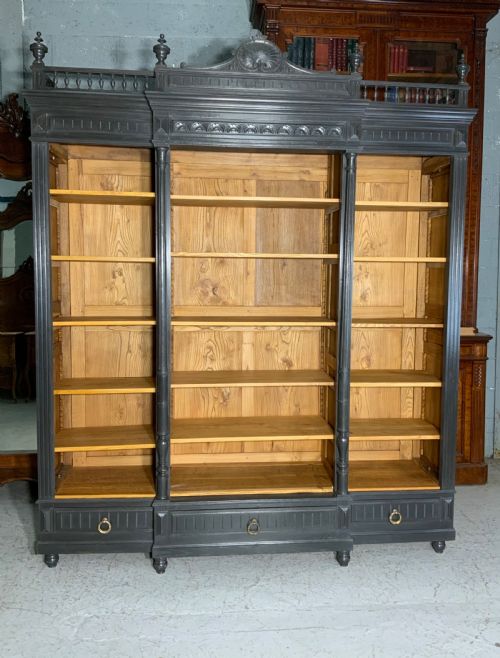
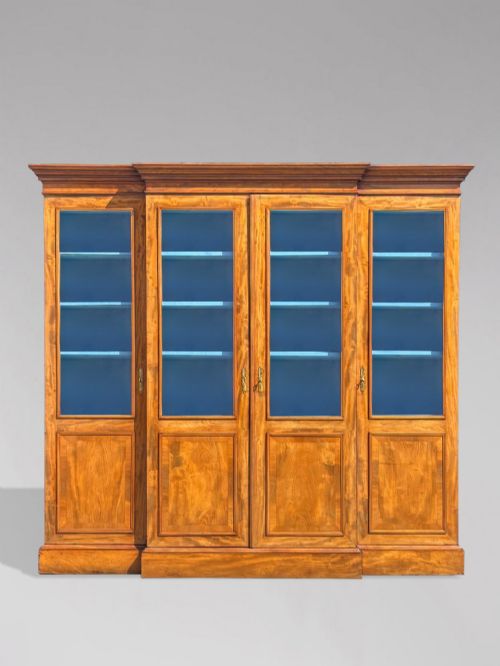
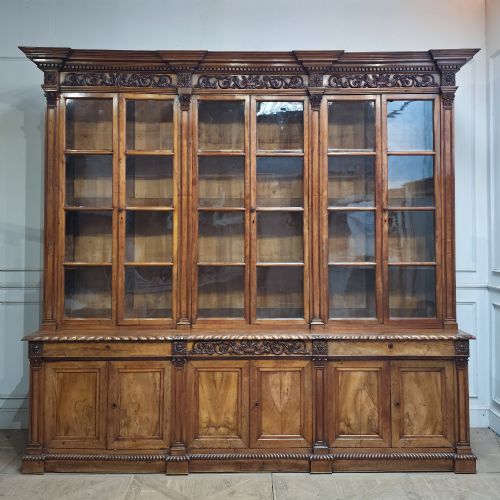
A 19th century french bookcase encompasses a broad spectrum of architectural storage, ranging from open library shelves to enclosed glazed vitrines. Buyers seeking this term will frequently encounter variations like the Napoleon III ebonised cabinet or the Louis Philippe walnut bookcase.
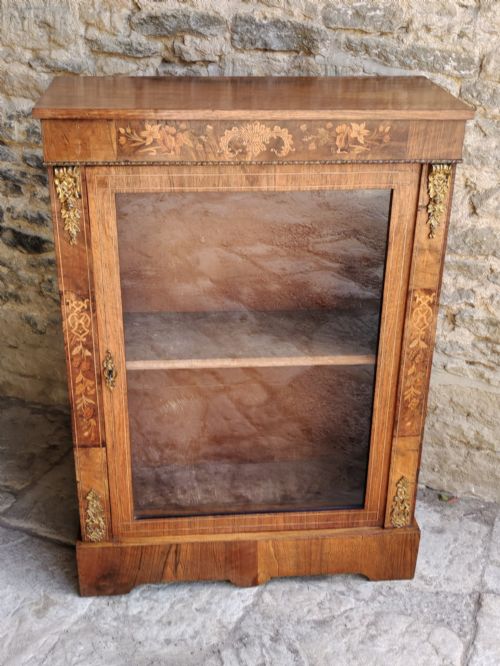
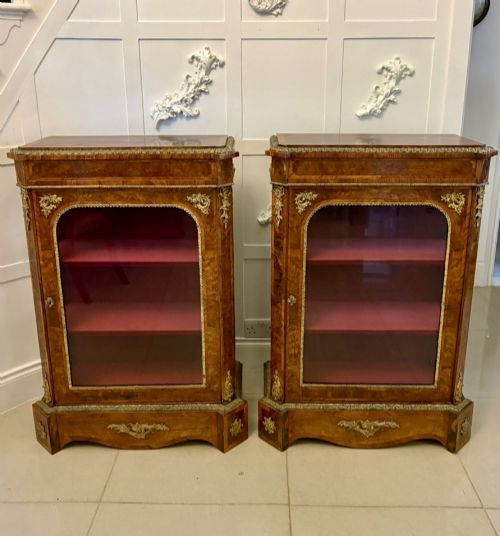
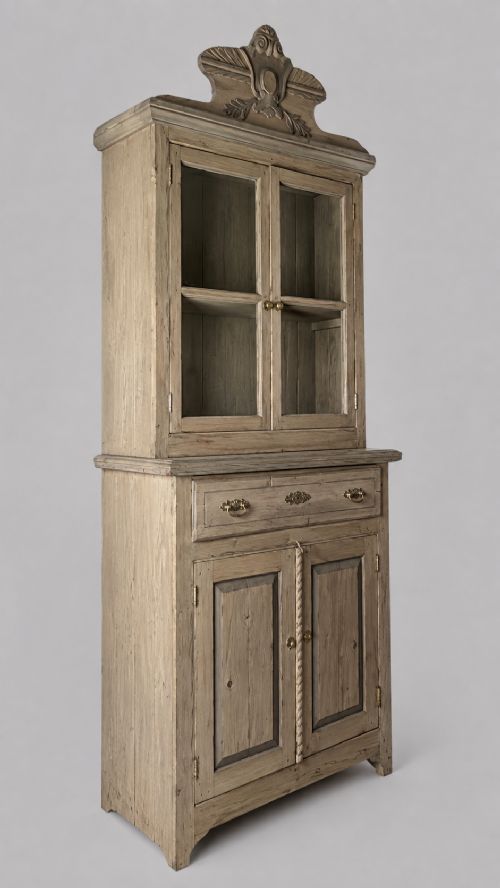
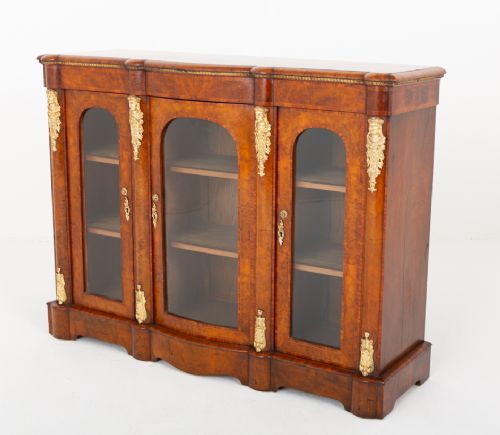
The selection extends to specialised formats such as pier cabinets, music cabinets, and painted cupboards designed for specific domestic functions. Many examples incorporate glass doors or display sections alongside traditional book storage.
Origins span formal revival styles, including Louis XVI and Empire designs, alongside provincial oak and carved hunting cabinets. This variety ensures that pieces fit both grand formal libraries and modest residential interiors.
Materials and construction
Cabinetmakers utilised dense hardwoods such as mahogany, walnut, and kingwood, frequently applied as veneers over secondary timbers. Ormolu mounts, brass details, and ebonised wood provided structural contrast and decorative emphasis.
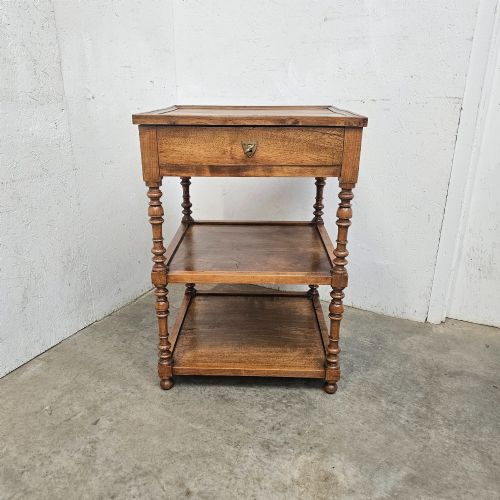
Glazed panels protected volumes from dust while allowing visibility of bindings, often framed by finely turned wooden legs or carved architectural mouldings.
19th Century French Bookcase Retail Price Guide 2026
Typical asking prices for 19th century french bookcase among the pieces listed under this phrase on Sellingantiques today, from the lower quarter to the upper quarter. They describe what is for sale here now, not the wider market.
Forms range from open library shelves to glazed vitrines and painted cupboards.
Judging construction standards
Distinctions in quality rest upon the precision of the cabinetwork, the depth of the carved ornamentation, and the selection of timber veneers. Superior examples display disciplined grain matching and tightly fitted joints that endure decades of use.
The integration of cast ormolu mounts and the clarity of the glass reveal the skill of the original workshop. Standard commercial pieces rely on simpler applied mouldings and painted finishes rather than intricate marquetry.
Gabriel Viardot·Paul Sormani·Durand
The 19th Century French Bookcase Glossary
- Ormolu
- Gilded bronze used for decorative mounts on furniture. It provides metallic contrast against dark hardwoods like mahogany and walnut.
- Vitrine
- A glass-fronted display cabinet. These were built to showcase porcelain, books, and decorative objects.
- Boulle
- Marquetry technique utilising tortoiseshell and brass. It creates an intricate patterned surface popular in nineteenth-century French cabinetmaking.
- Etagere
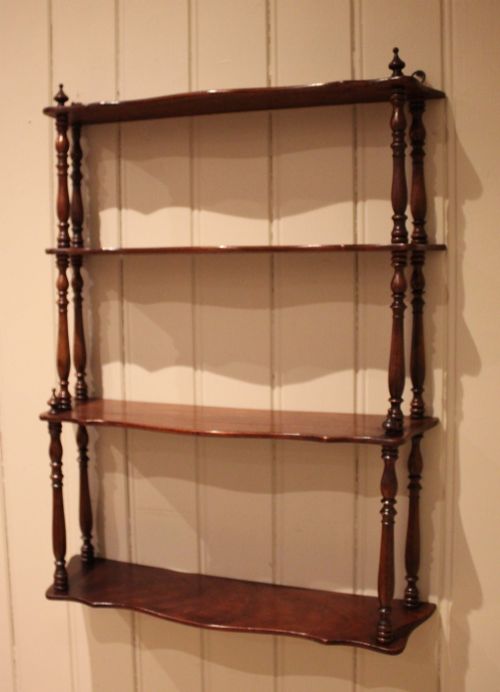
- An open set of tiered shelves. They serve to display smaller decorative pieces rather than heavy volumes.
- Pier cabinet
- A low cabinet designed for placement against a wall space between windows. They frequently incorporate marble tops and mirror backs.
19th Century French Bookcase: Frequently Asked Questions
How do I clean the wood?
Dust surfaces regularly with a soft, dry cloth to prevent particulate buildup on delicate veneers.
Apply a microcrystalline wax periodically to nourish the timber without leaving a heavy residue.
Are shelves usually adjustable?
Many open library formats and larger cabinets feature adjustable wooden shelving supported by rackwork strips.
Enclosed vitrines and older provincial cupboards more commonly rely on fixed wooden supports.
Can these hold heavy books?
Solid oak and mahogany library pieces accommodate standard heavy volumes safely.
Lighter display pieces with thin veneer shelves require care regarding weight distribution.
How do I identify the style?
Empire pieces display classical architectural symmetry and heavy ormolu mounts.
Revival styles incorporate specific historical motifs from earlier monarchies like Louis XV and Louis XVI.