
Vintage Display Bookcase
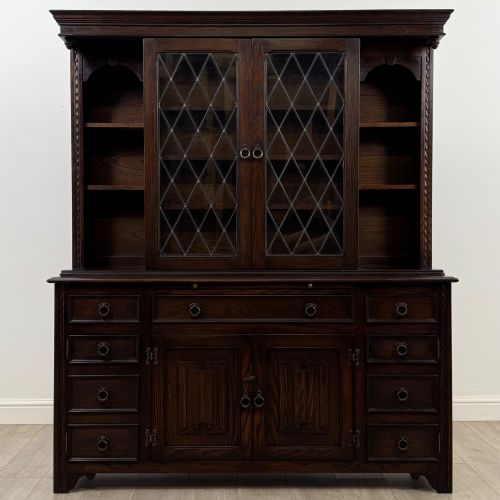
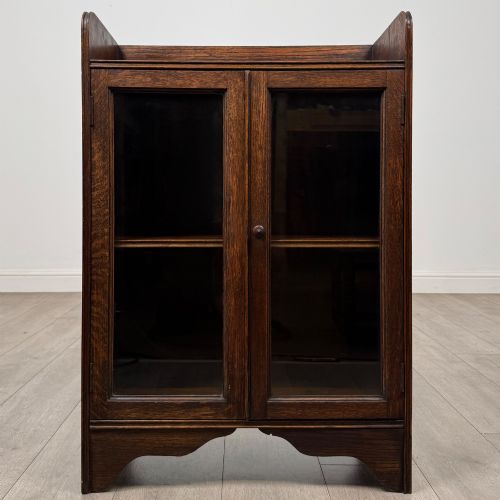
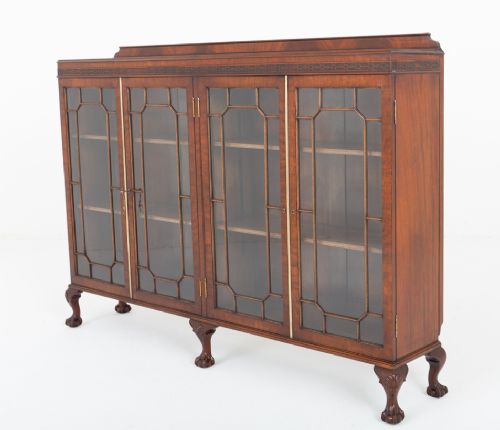
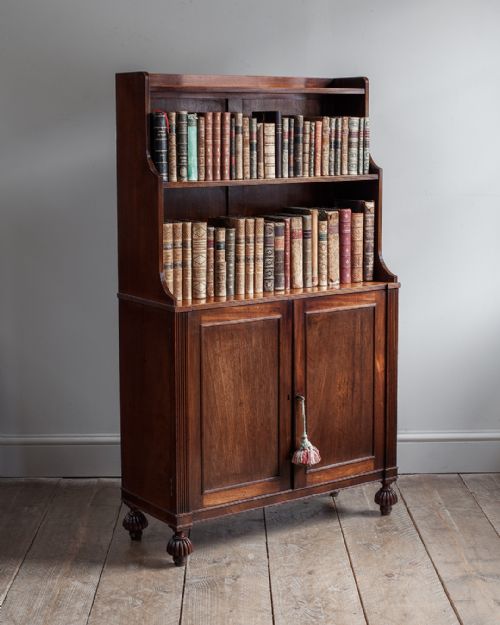
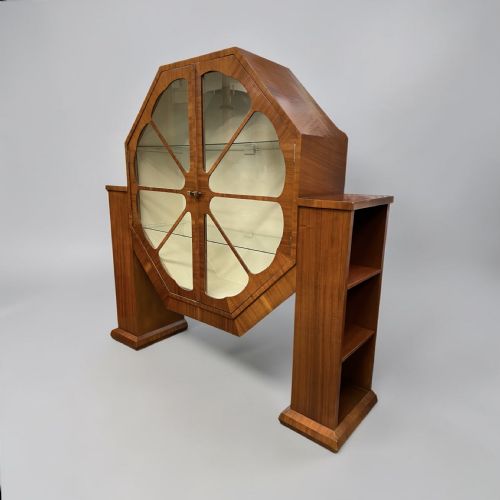
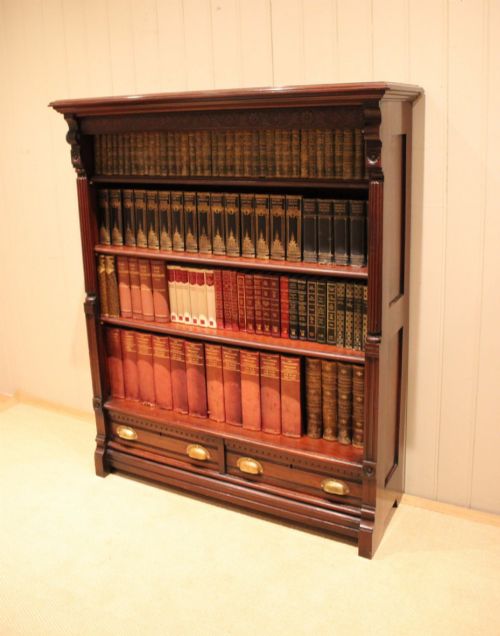
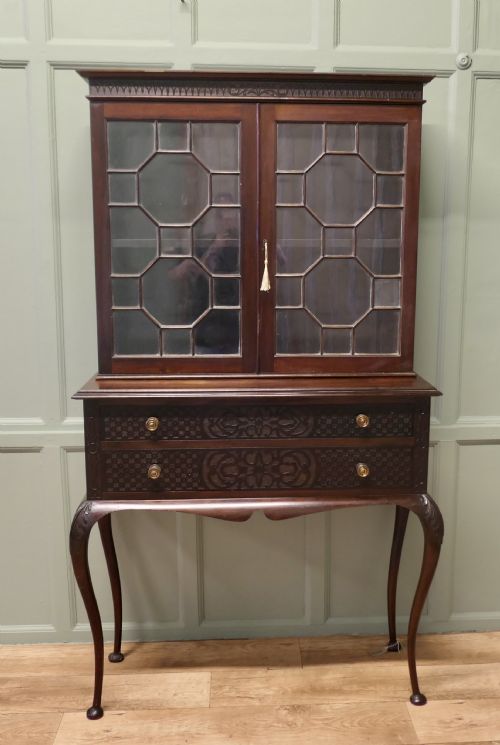
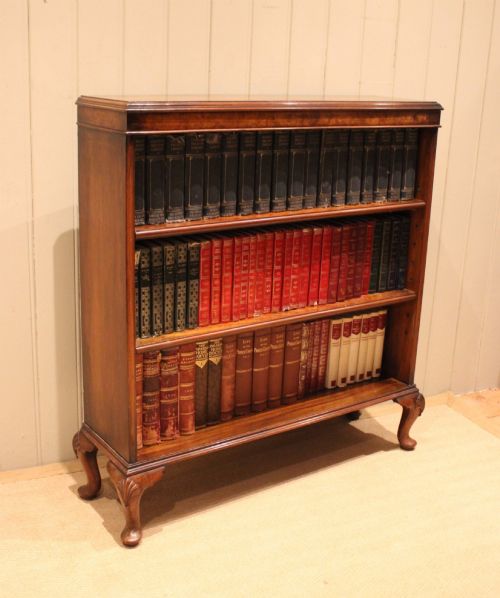
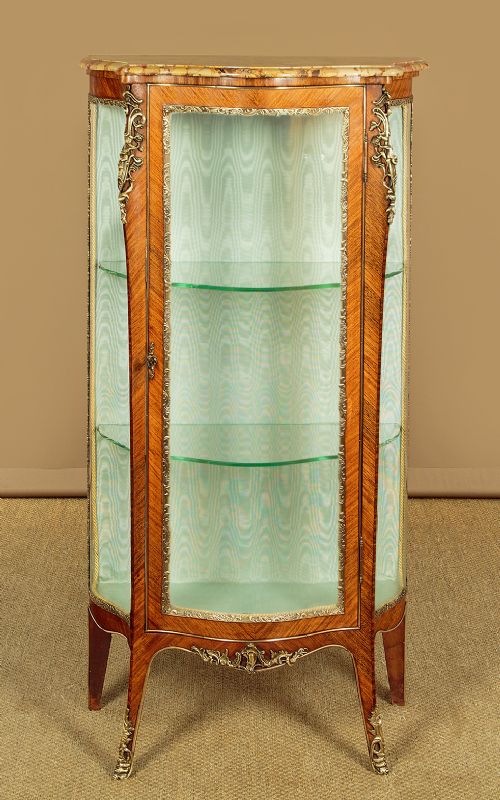
These vintage display bookcase pieces unite practicality and display, offering fitted shelving behind glass to house and protect a library.
Identifying your vintage display bookcase
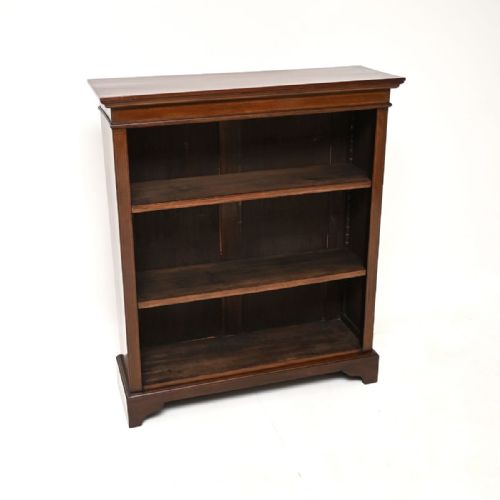
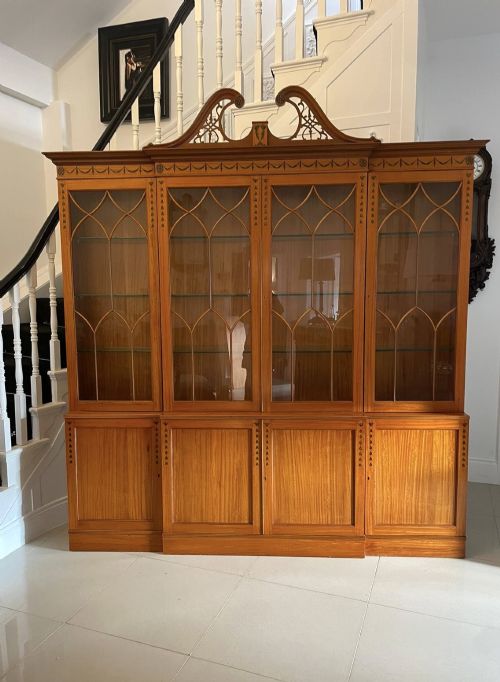
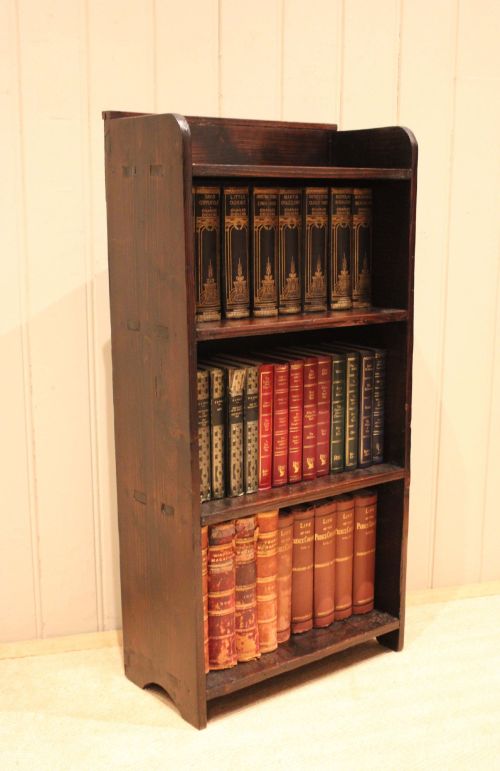
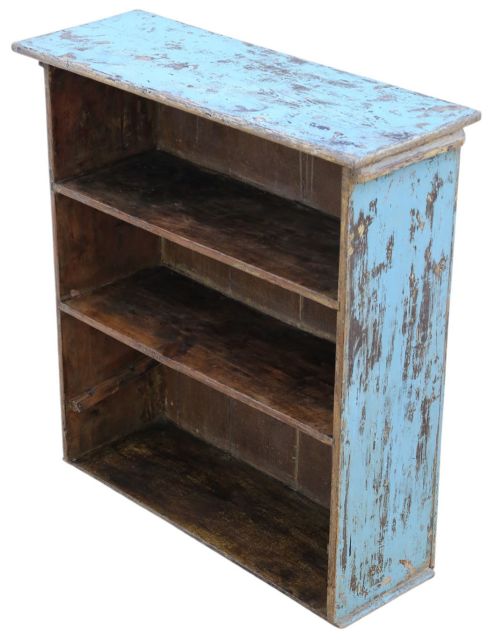
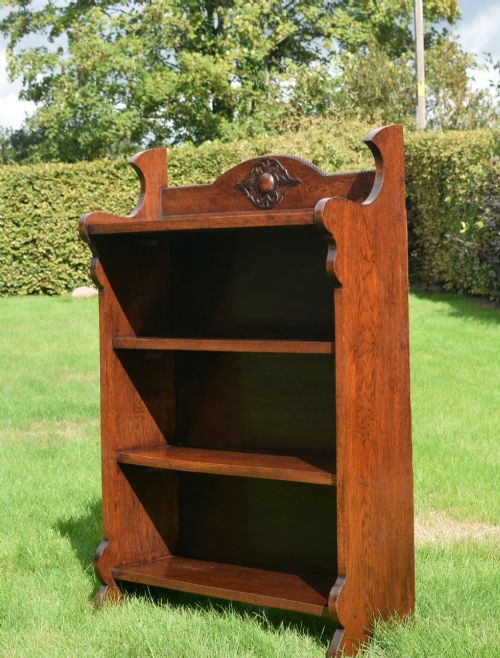
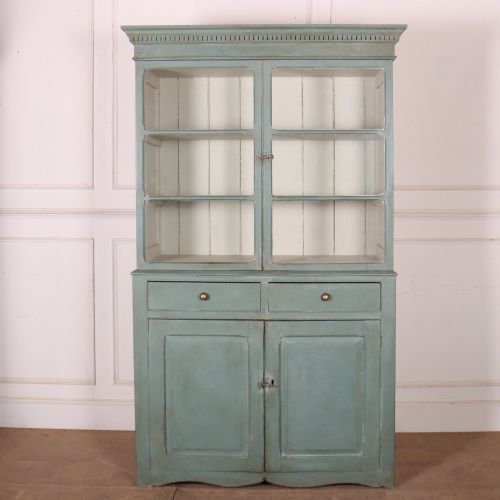
A vintage display bookcase combines open or glazed shelving with enclosed storage, drawing from periods spanning the late nineteenth century through to nineteen thirty. The pieces recorded here include straightforward bookcases, combined display cabinets, and breakfront forms.
You will encounter distinct stylistic roots across these examples, ranging from French Empire and Sheraton Revival to Arts and Crafts and Art Deco. Mahogany, satinwood, and walnut appear frequently, often paired with glass, brass, or ormolu mounts to frame the contents.
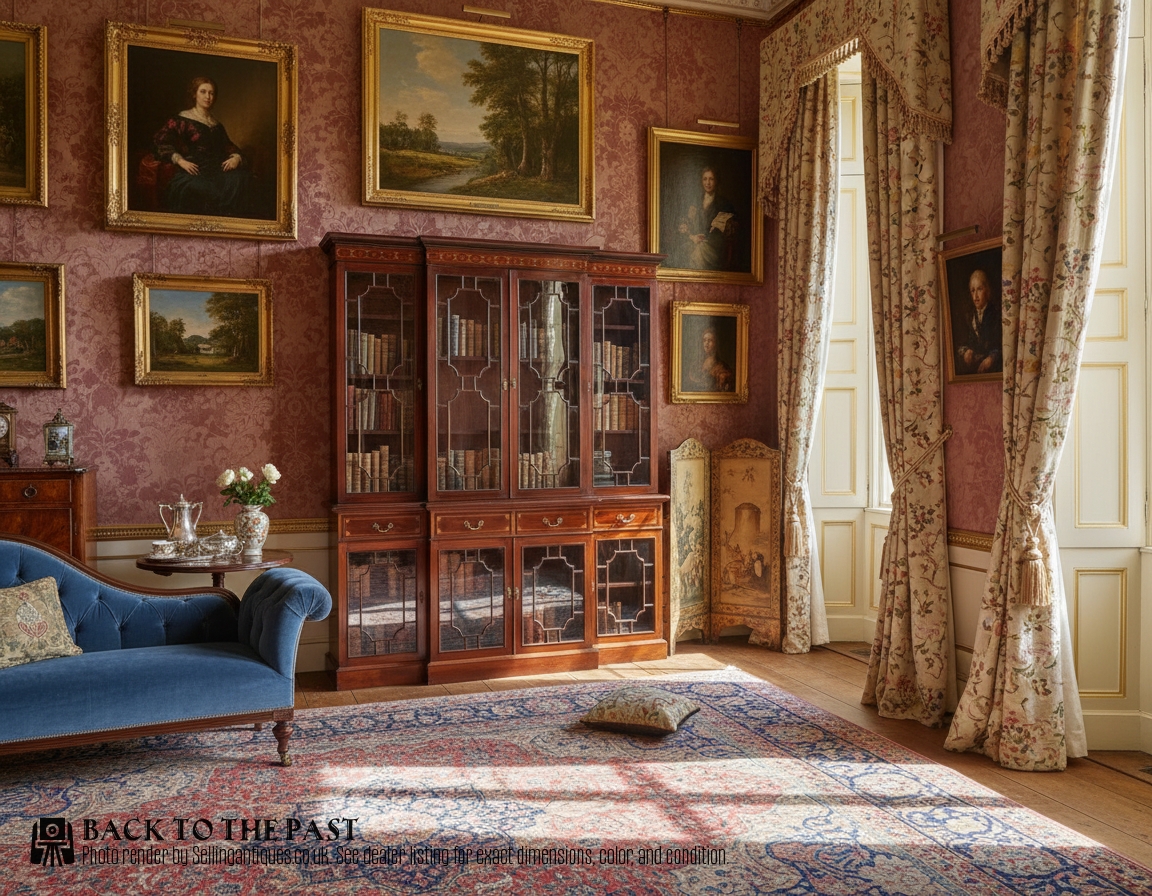
Materials and construction
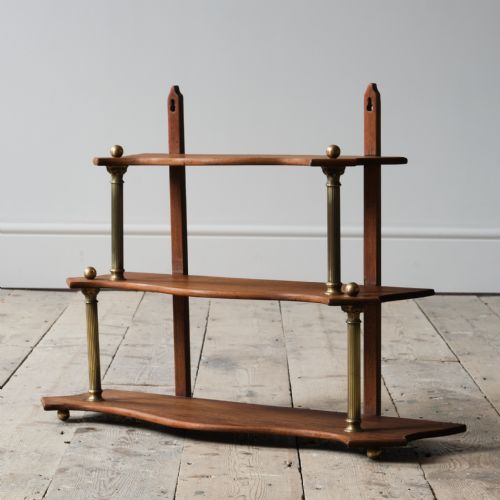
Glazing protects the interior shelving, while cast brass and ormolu hardware provide functional and decorative accents. Selected pieces incorporate specialised display shelving designed to showcase decorative objects alongside books.
Retail Price Guide 2026
Typical UK retail prices for vintage display bookcase, calculated from the Sellingantiques database of over a million retail prices indexed since 2003. This retail price guide relies exclusively on Sellingantiques data; no external sources or auction records are used, so the figures do not describe the wider market.
Pine occasionally sneaks into the lineup, proving that even modest wood can scrub up brilliantly when given a glass-fronted purpose.
Assessing craftsmanship and finish
Quality reveals itself in the selection of timbers and the precision of the veneering, where grain patterns align harmoniously across large doors and panels. Heavier mouldings and finer brass or ormolu mounts elevate the visual weight of a cabinet.
The integrity of the structural joinery and the clarity of the original glass define the upper tier of these pieces. Maker attribution, such as work originating from Maison Jansen or Lamb and Company, adds documented provenance to the construction.
Lamb and Co·Maison Jansen
The Vintage Display Bookcase Glossary
- Breakfront
- A large cabinet design where the central section projects forward from the flanking wings. This architectural arrangement adds depth and visual interest to the elevation.
- Ormolu
- Gilded bronze mounts applied to furniture for decorative enrichment. It is frequently seen on pieces influenced by French design traditions.
- Satinwood
- A durable hardwood yielding a lustrous, golden-yellow finish. Cabinet makers utilised it extensively for fine inlay and veneering during the revival periods.
- Veneer
- A thin layer of superior wood applied to a base timber to create patterned surfaces. Skilled application ensures the grain flows naturally across the piece.
Frequently Asked Questions
What periods do these bookcases span?
The available selection covers items from the nineteenth century up to nineteen thirty, encompassing specific design movements like Art Deco and Arts and Crafts.
Buyers will find that Victorian revivals sit alongside interwar modernism, each bringing distinct architectural proportions to the room.
How do I choose between glazed and open shelves?
Glazed doors protect volumes from dust and environmental wear while keeping fine bindings visible from across the room. Open shelving provides immediate access but leaves books exposed to the atmosphere.
Consider whether your primary goal is active reading access or the secure exhibition of delicate items.
Are these cabinets suitable for small rooms?
Compact examples, including small nineteenth-century cabinet bookcases and modest display units, fit narrower wall spaces without dominating a room. Their vertical orientation maximises storage capacity within a limited footprint.
Measuring available floor space and ceiling clearance helps determine the most appropriate scale for your interior.
What woods were commonly used?
Mahogany and walnut form the structural backbone of many traditional pieces, prized for their strength and rich grain. Satinwood appears in lighter decorative applications, often complemented by brass hardware.
Pine and oak also occur in simpler utility forms, reflecting diverse domestic origins.