
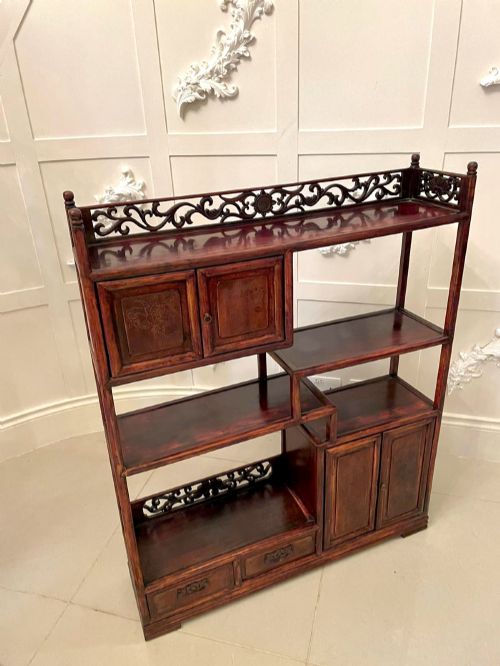
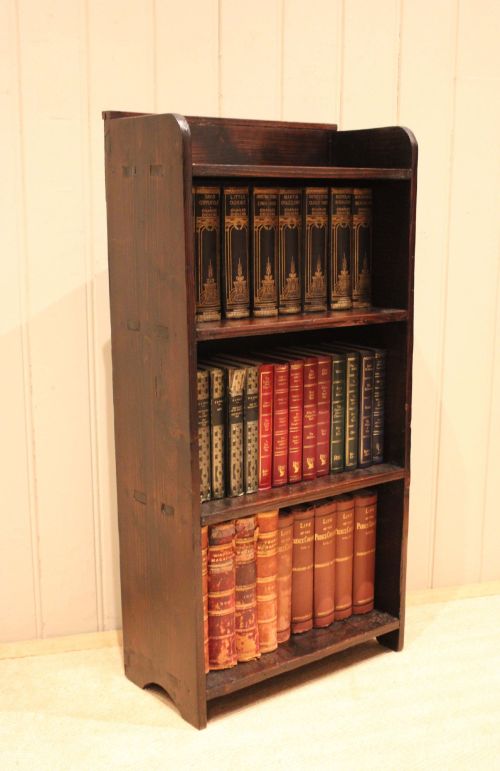
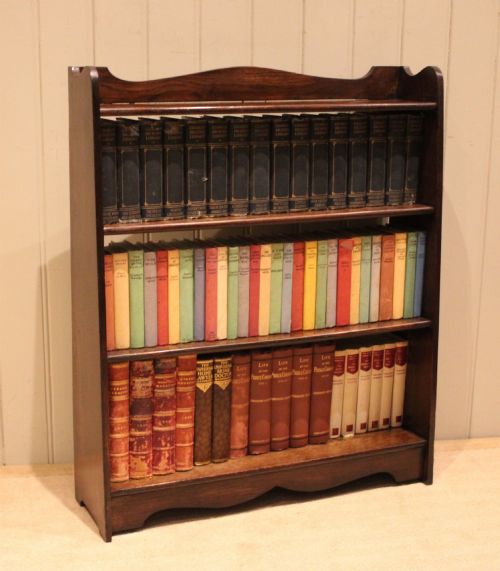
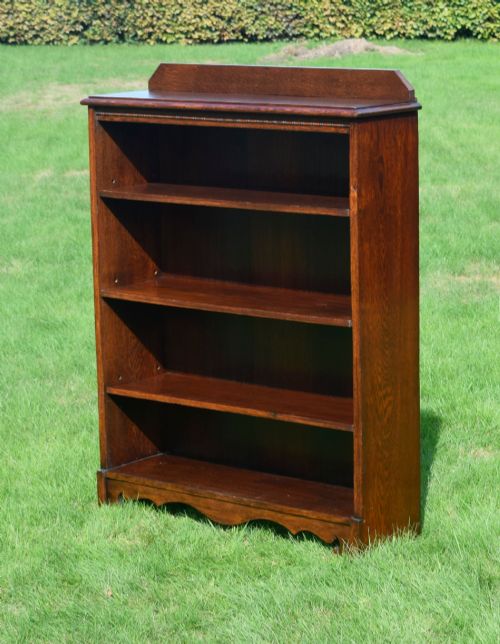
Antique Standing Bookshelf
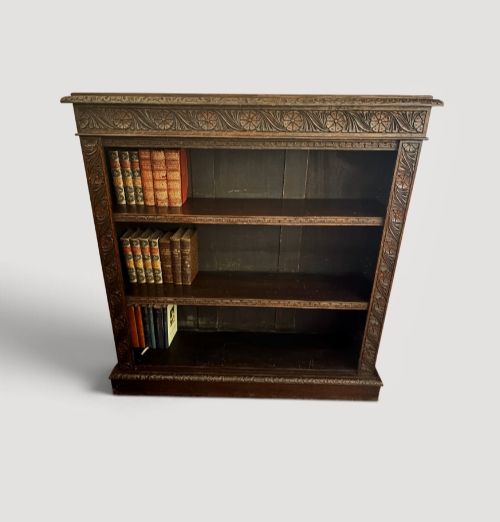
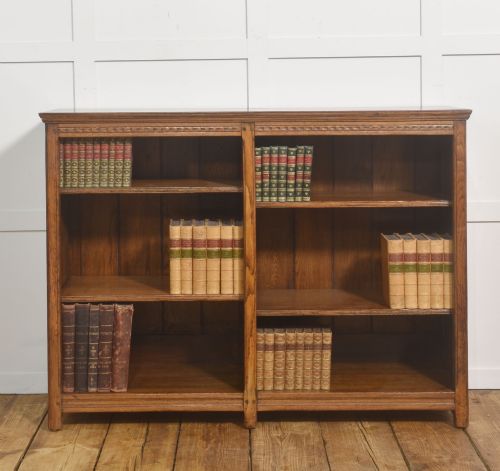
An antique standing bookshelf is a sturdy floor-standing piece designed to hold libraries, most often seen in oak or mahogany from the Victorian and Edwardian periods.
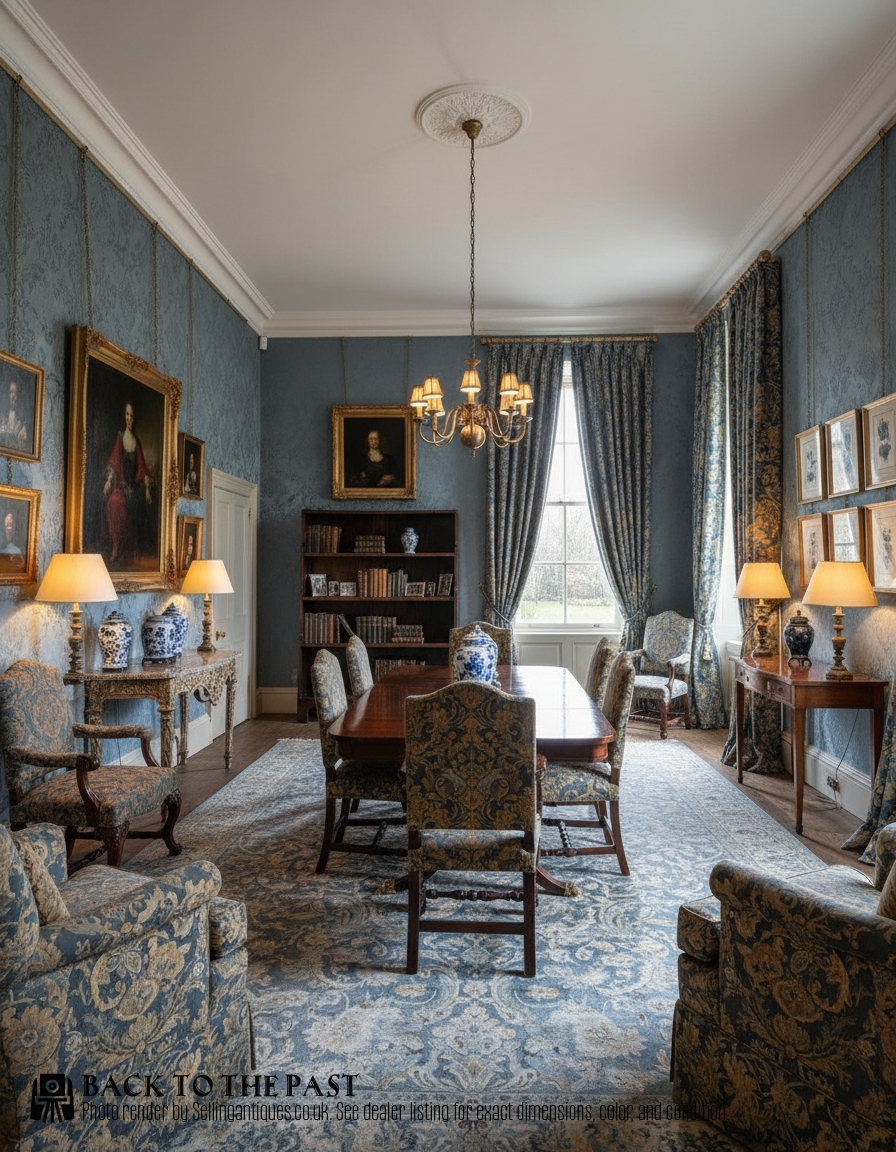
Antique Standing Bookshelf
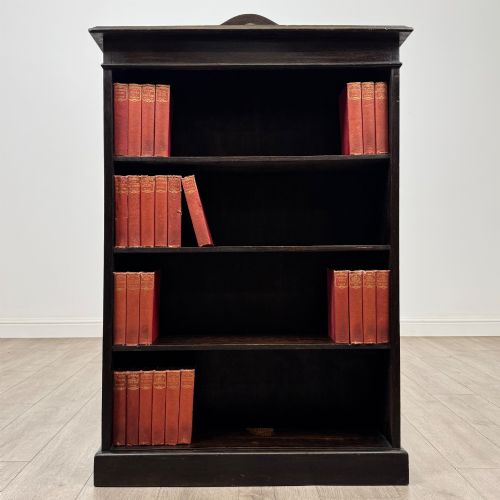
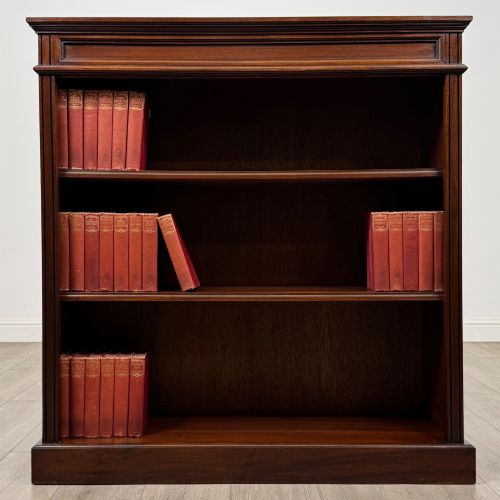
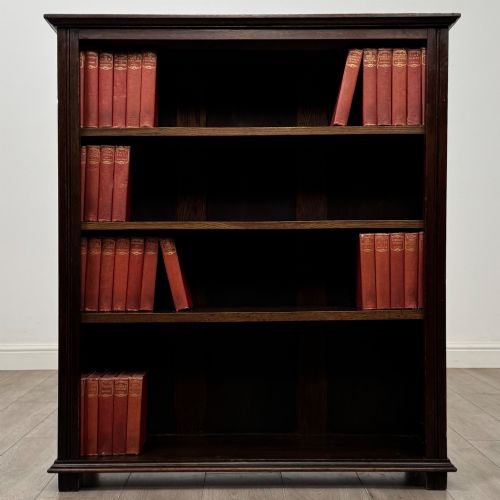
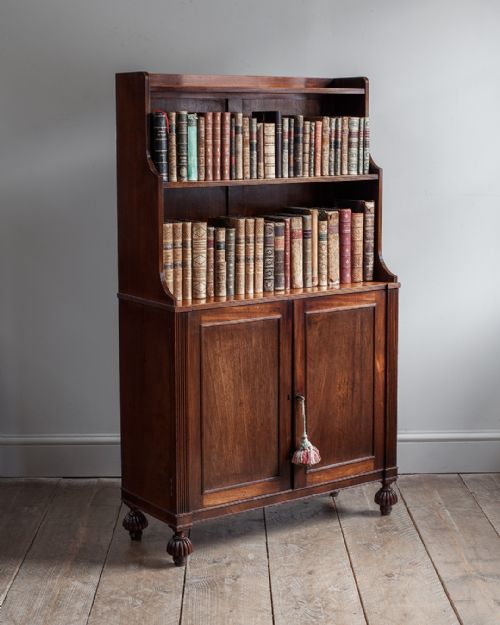
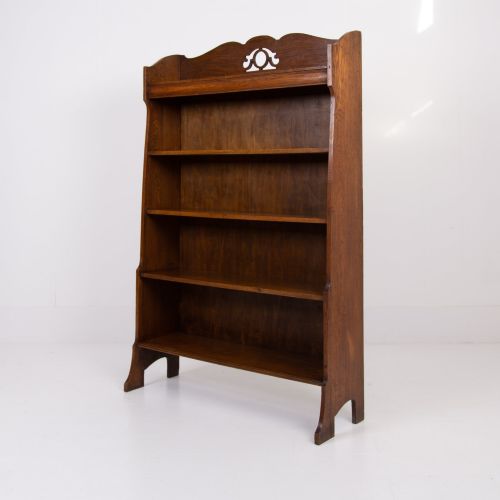
An antique standing bookshelf provides accessible vertical storage for volumes, ranging from open-backed designs to revolving models and stepped waterfall formats. When searching for an antique standing bookshelf, buyers most frequently encounter open oak or mahogany pieces dating from the Victorian and Edwardian eras.
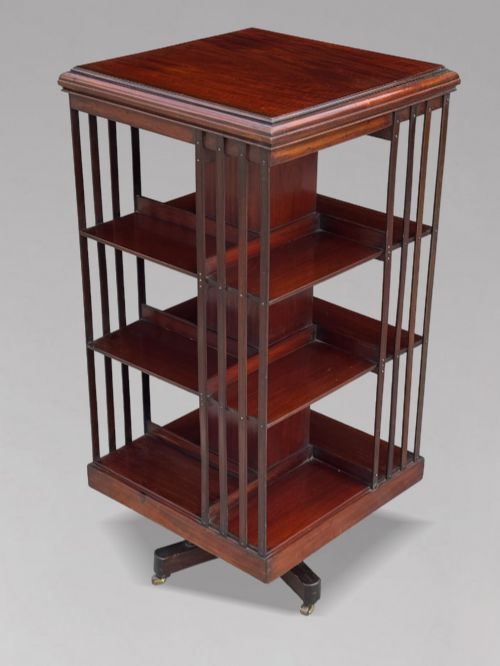
Beyond standard open shelving, variations include revolving bookcases that sit on table tops or floors, alongside display cabinets and whatnots equipped with adjustable shelves. These pieces accommodated domestic libraries in sitting rooms and studies, reflecting the period's appetite for displayed literature.
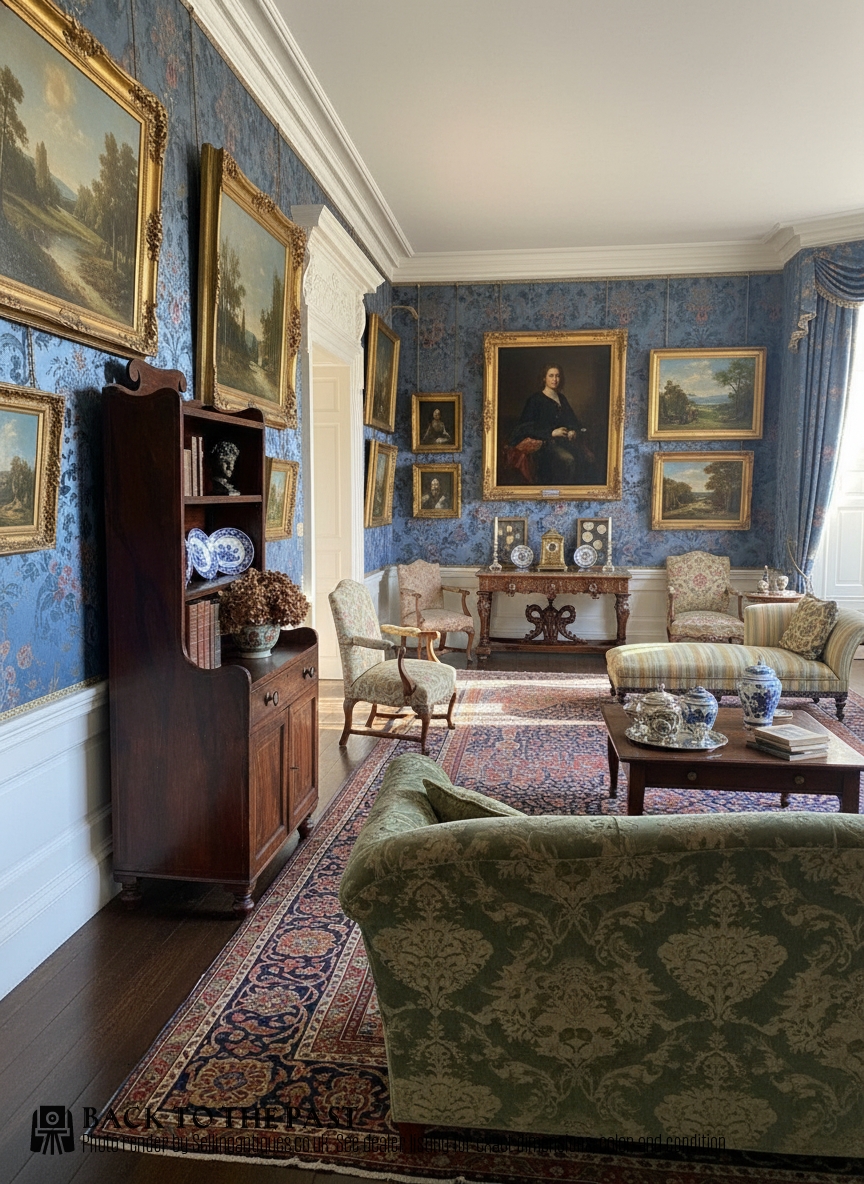
Materials and Construction
Makers relied primarily on oak and mahogany for structural integrity, occasionally employing satinwood, rosewood, teak, and Chinese hardwood for specific styles. Brass hardware, metal components, and brass castors appear on mobile pieces like revolving bookcases and cabinet-topped variants.
Surface decoration includes satinwood inlay, carved woodwork, beaded edges, and applied arts and crafts motifs. Joinery utilised traditional methods to support heavy book collections, while adjustable shelf systems provided practical flexibility.
Antique Standing Bookshelf Retail Price Guide 2026
Typical asking prices for standing bookshelf among the pieces listed under this phrase on Sellingantiques today, from the lower quarter to the upper quarter. They describe what is for sale here now, not the wider market.
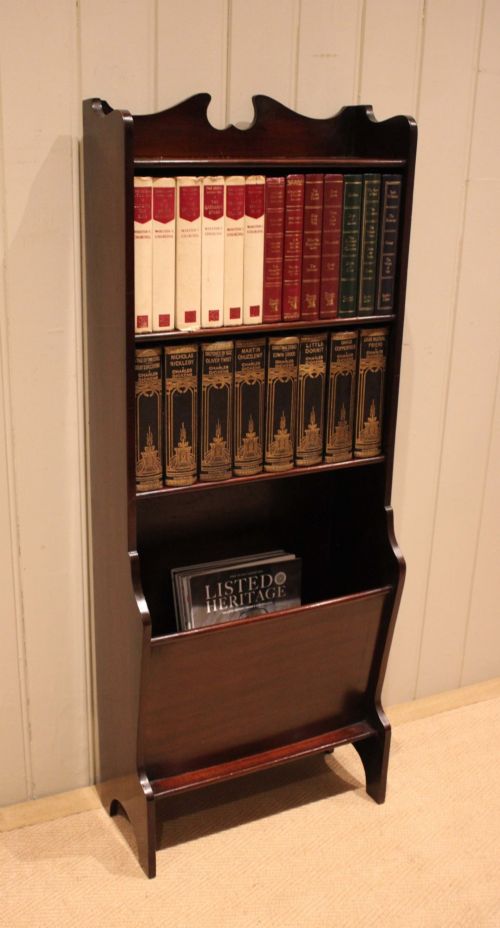
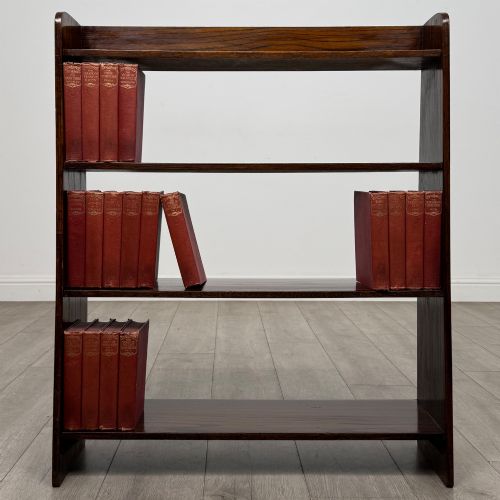
Early twentieth-century makers ensured that even a slim oak shelf could double as a magazine rack for evening reading.
Distinctions in Quality
Quality rests upon the selection of timber, such as figured mahogany or quarter-sawn oak, and the crispness of any carved detailing or inlay work. Superior examples demonstrate thoughtful proportions and robust construction that withstands the weight of heavy volumes over generations.
The sophistication of the mechanism in revolving pieces or the presence of secondary woods also marks superior workshops. Pieces attributed to notable makers like Gillows show greater refinement in timber selection and joinery than standard commercial production.
Gillows
The Antique Standing Bookshelf Glossary
- Waterfall bookcase
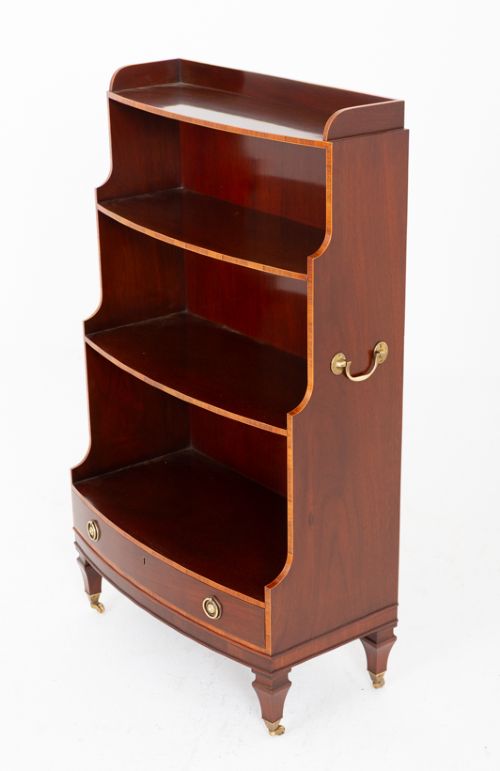
- A stepped bookcase where each higher shelf is narrower than the one below it, creating a cascading profile. These often feature satinwood inlay and brass castors.
- Revolving bookcase
- A low, rotating bookshelf designed to sit on the floor or a tabletop for easy access to a smaller collection. They are frequently constructed in mahogany or oak during the Edwardian period.
- Whatnot
- A multi-tiered open piece of furniture used for displaying books, ornaments, or desk accessories. The form dates through the Victorian era.
- Arts and Crafts
- A design movement emphasising plain oak construction, visible construction methods, and simple utility rather than heavy ornament. Pieces from this tradition date around the early twentieth century.
- Adjustable shelves
- Shelving supported by moveable brackets or rack systems that allow the height between tiers to be altered. This feature appears in nineteenth and twentieth-century library pieces.
Antique Standing Bookshelf: Frequently Asked Questions
How do I choose the right size?
Consider the ceiling height and floor space available in your room, as standing bookshelves range from small table-height revolving models to tall library cabinets.
Measure your book collection depth and height to ensure standard volumes fit comfortably onto the shelves.
Are shelves usually adjustable?
Many Edwardian and Victorian open bookcases feature adjustable wooden shelves supported by peg systems or metal tracks. This allows you to accommodate oversized volumes alongside standard octavo books.
Fixed shelves do appear in simpler rustic or period pieces, so check the internal layout if you own large folios.
How do revolving bookcases work?
Revolving bookcases sit upon a concealed central pivot and ball-bearing mechanism that allows the entire wooden structure to turn smoothly. This lets you access books from all four sides while occupying a compact footprint.
They gained popularity in the late Victorian and Edwardian periods for studies and drawing rooms.
Where should I place a waterfall bookcase?
Waterfall bookcases feature graduated shelves that step back toward the wall, suiting corners or flat wall spaces in sitting rooms. Their open format displays book spines clearly.
Keep them away from direct heat sources and strong sunlight to protect the polish and timber.