




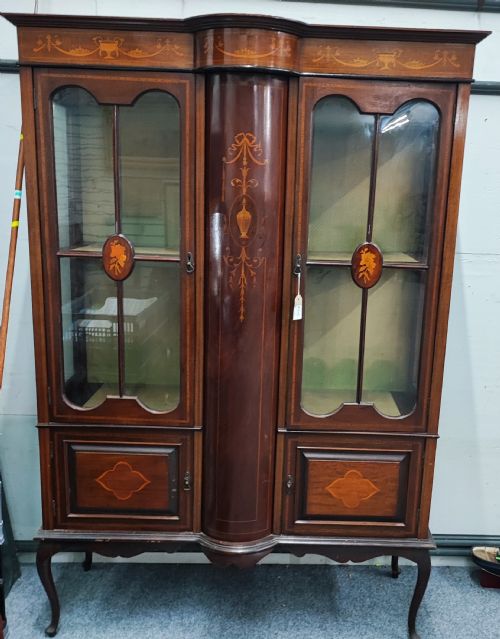

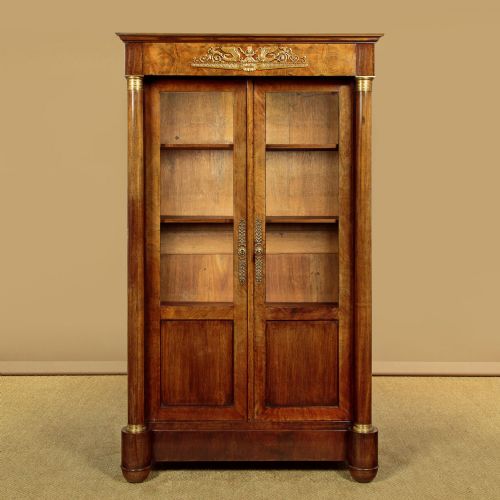


Classical Mahogany Bookcase
A classical mahogany bookcase brings architectural order and rich timber grain to a room, uniting functional storage with formal dignity.
Classical Mahogany Bookcase
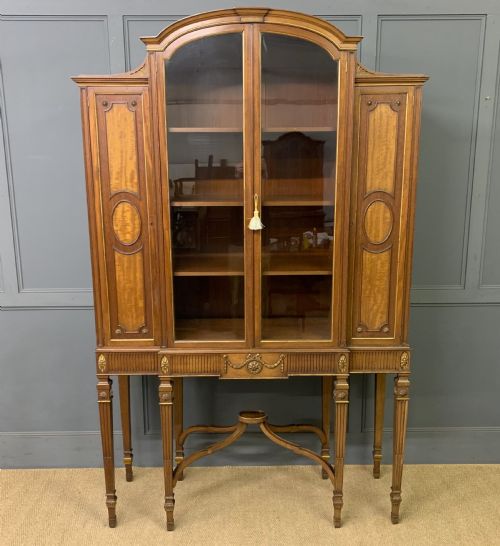
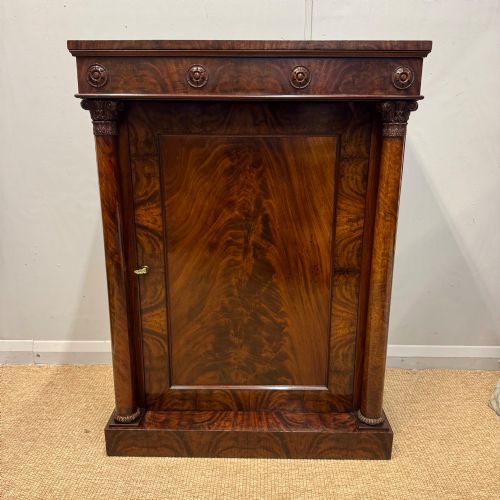
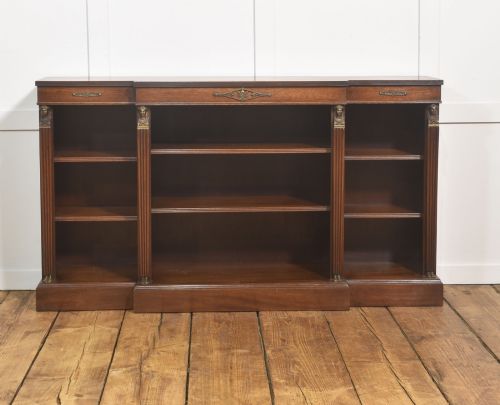
When you search for a classical mahogany bookcase, you encounter a range of formal storage furniture spanning the nineteenth century and the Edwardian era. The pieces on this page include open bookcases, side cabinets, display cabinets, corner cabinets, and bureau bookcases.
The most common formats combine deep reddish timber with classical proportions, often elevated by architectural cornices, glazing bars, and refined base configurations. Whether configured as a breakfront open shelf unit or a closed bureau, each piece reflects the enduring appeal of classical cabinetry.
Materials and construction
Makers constructed these cabinets using solid mahogany and mahogany veneers, selected for deep figure and warm tone. Workshops often enhanced the primary timber with satinwood inlay, marquetry, and delicate painted details to create contrasting borders and focal panels.
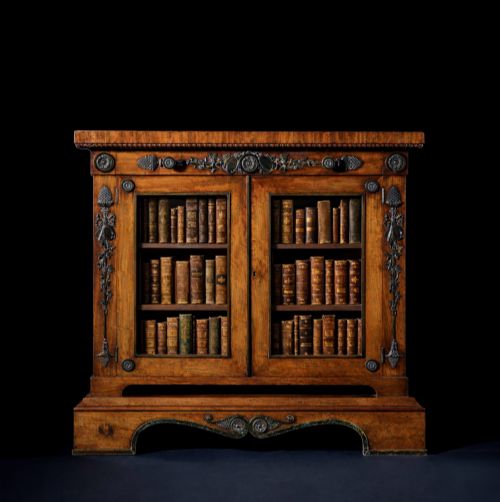
Metal ornamentation played a crucial role in defining the classical aesthetic of these pieces. Craftsmen applied cast ormolu and bronze mounts to frame glass doors, accentuate pilasters, and highlight architectural cornices.
Glazing featured prominently in display and bookcase variants, set within timber or brass framing to protect volumes while maintaining visual lightness. Interiors often utilised adjustable shelving supported by wooden ratchets or brass tracks.
Classical Mahogany Bookcase Retail Price Guide 2026
Typical asking prices for classical mahogany bookcase among the pieces listed under this phrase on Sellingantiques today, from the lower quarter to the upper quarter. They describe what is for sale here now, not the wider market.
Listings feature pieces spanning the nineteenth century, Regency, William IV, and Edwardian periods, constructed in mahogany, satinwood, bronze, and ormolu.
Judging execution and finish
The distinction between standard cabinet work and exceptional production lies in the precision of the timber selection and the sharpness of the joinery. Superior examples display continuous grain matching across drawer fronts and door panels, alongside tight, hand-cut dovetails.
Hardware and decorative mounts provide another clear measure of execution. Finely chased ormolu and crisply cast bronze mounts integrated seamlessly into the mahogany frame distinguish the finest workshops from routine production.
Proportion and architectural coherence separate ambitious cabinet making from simpler output. Pieces that balance classical column work, friezes, and inlay with restraint demonstrate the hand of skilled designers.
Thomas Hope·Edward and Roberts
The Classical Mahogany Bookcase Glossary
- Mahogany
- A durable tropical hardwood prized for its deep reddish-brown colour and stability in cabinet making. It takes a high polish and accepts fine carving.
- Ormolu
- Gilded bronze used for decorative mounts and fittings on furniture. It provides bright metallic contrast against dark mahogany surfaces.
- Marquetry
- The art of applying thin veneers of different woods to form decorative patterns and pictures. It creates detailed surface ornament on cabinet doors and friezes.
- Breakfront
- A piece of furniture where the central section projects forward from the flanking wings. This configuration adds architectural depth and presence.
- Bureau Bookcase
- A dual-purpose cabinet featuring a sloping fall-front desk compartment combined with upper shelving for books. It typically includes internal pigeonholes and small drawers.
Classical Mahogany Bookcase: Frequently Asked Questions
How do I date a mahogany bookcase?
Dating relies on observing construction methods, hardware, and stylistic traits. Regency and William IV pieces often display heavy architectural proportions and fine brass ormolu, while Edwardian examples show lighter marquetry and revival styling.
Examining secondary timbers inside drawers and backboards also helps establish age. Hand-cut dovetails and timber movement indicators provide further clues to the period of manufacture.
What is the difference between an open bookcase and a display cabinet?
Open bookcases feature unglazed shelving designed for easy access to volumes. Display cabinets incorporate glass-fronted doors intended to protect and showcase decorative objects.
Both forms utilise classical mahogany framing, but display cabinets frequently include lined interiors and specialised glazing bars to emphasise their contents.
Where should I place a bureau bookcase?
A bureau bookcase requires a wall with stable ambient conditions, away from direct heat sources and strong sunlight that could dry out the mahogany veneer. Because these pieces combine a writing desk with upper shelving, they suit studies, libraries, or spacious reception rooms.
Ensure there is sufficient clearance in front of the piece for the fall-front writing flap to open fully.
How do I care for antique mahogany furniture?
Maintain a stable room temperature and moderate humidity to prevent timber splitting or veneer lifting. Dust regularly with a soft, dry cloth and apply a quality beeswax polish sparingly to nourish the wood.
Avoid placing damp items or unpadded ceramics directly onto the polished mahogany surface.