


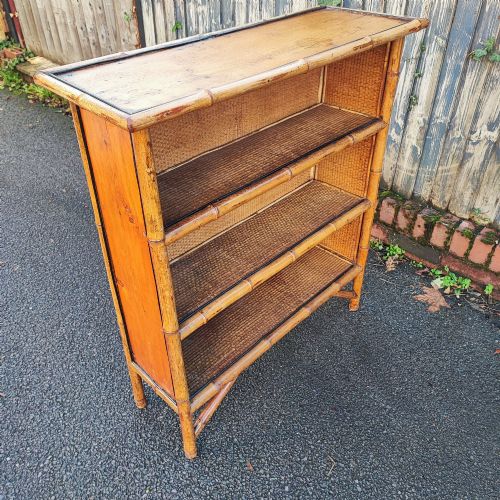
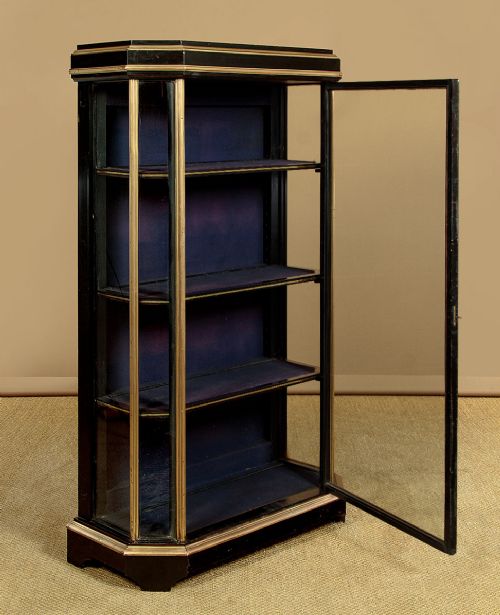
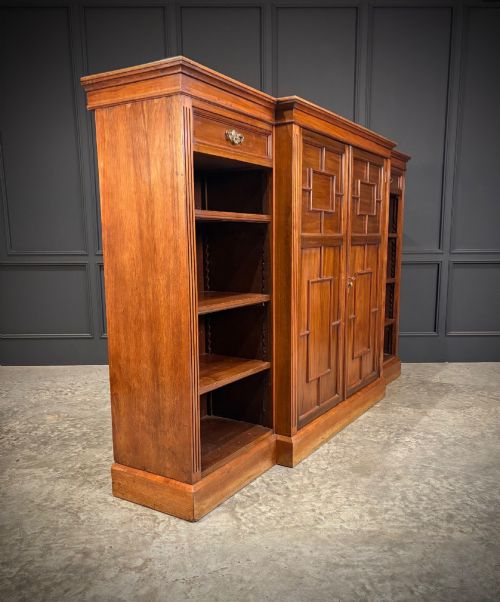
Antique Bookcase on Cabinet
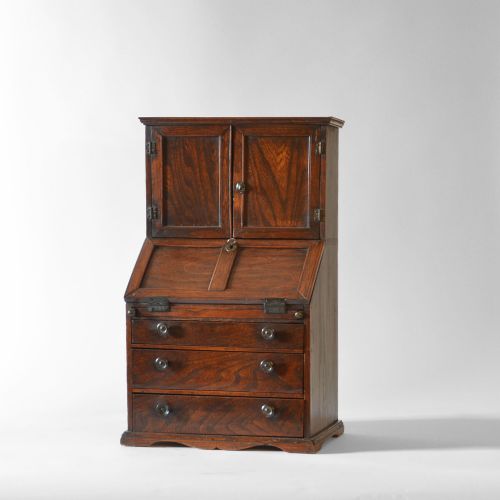
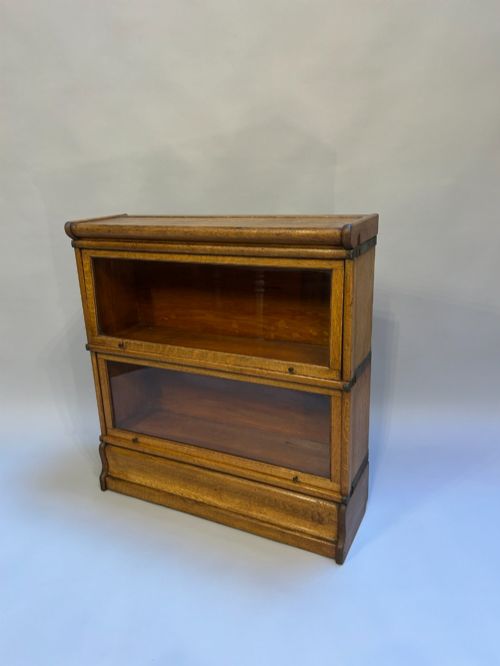
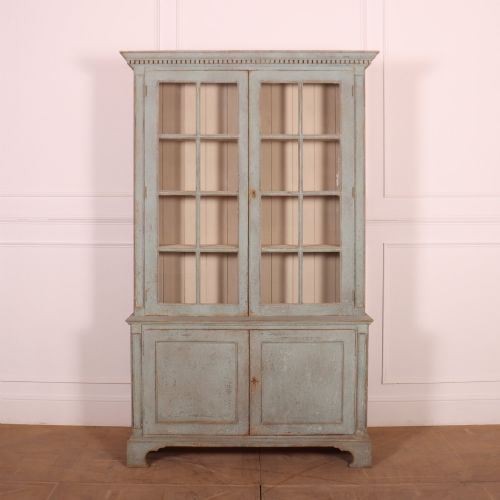
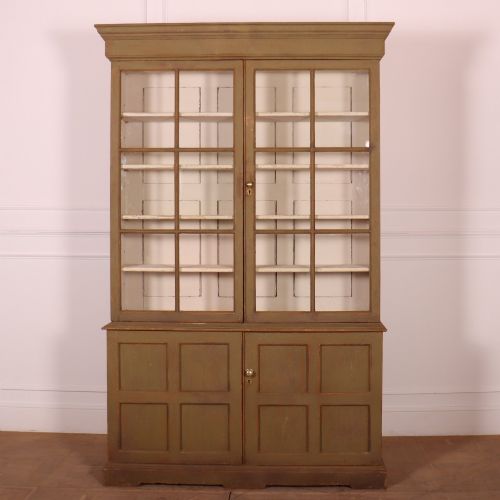
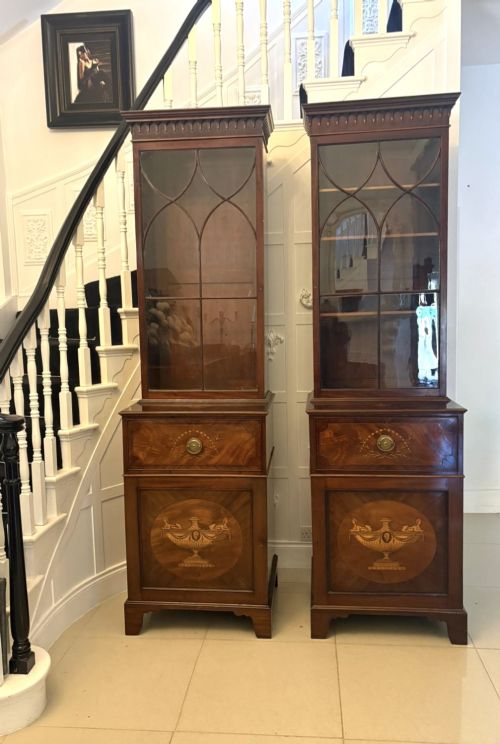
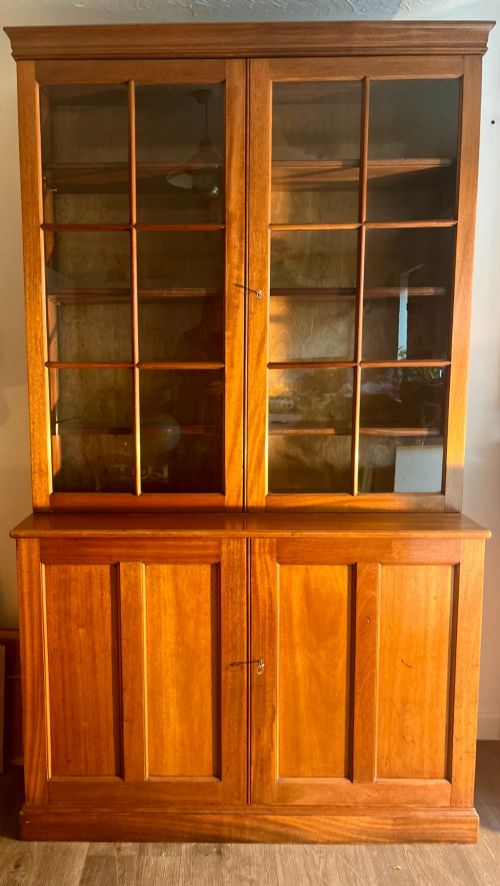
When hunting an antique bookcase on cabinet, you seek a commanding double-height piece that unites display storage with enclosed lower shelving.
Antique Bookcase on Cabinet
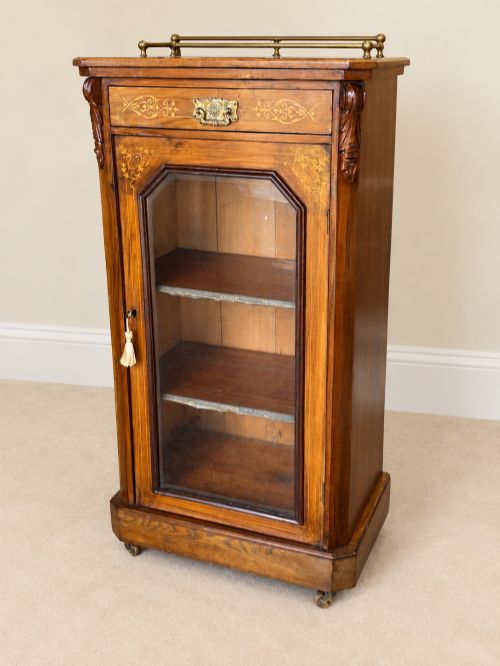
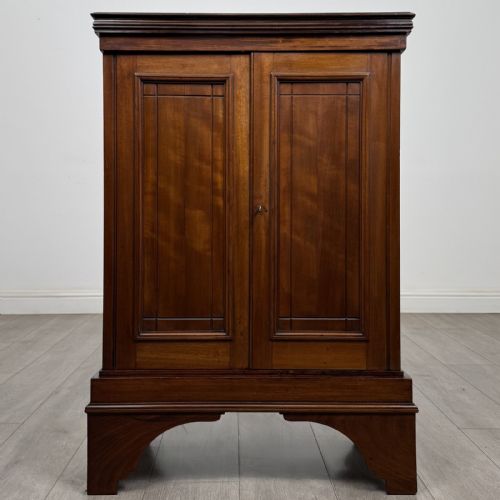
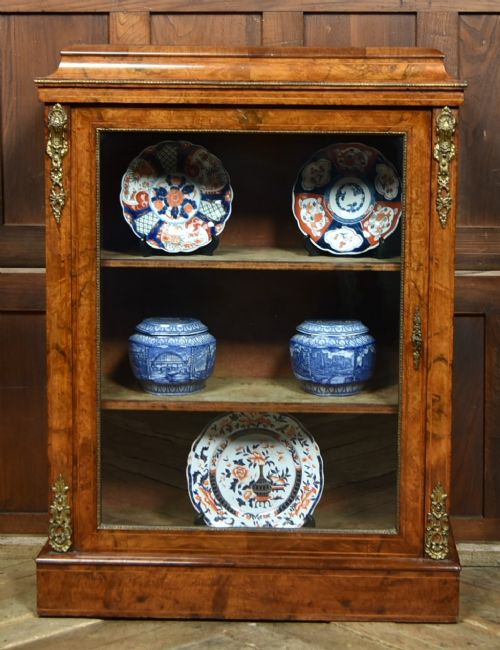
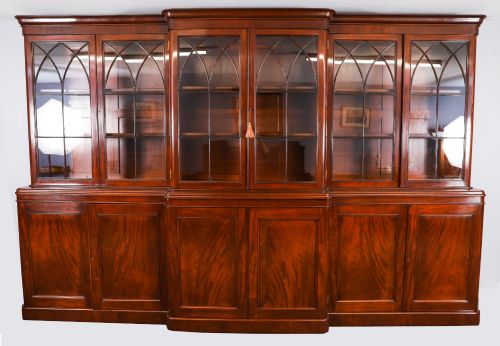
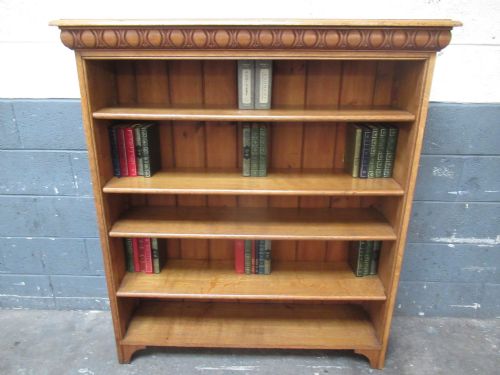
An antique bookcase on cabinet combines a glazed upper shelving section for volumes with a solid wooden cupboard base, creating a substantial piece of furniture designed for studies, libraries and drawing rooms.
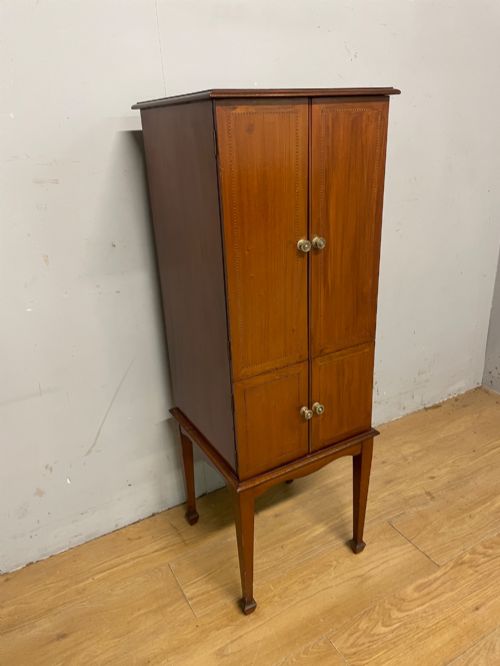
The pieces seen here span the Georgian, Regency, William IV and Victorian eras through to the Edwardian period, manifesting in timbers such as mahogany, oak, walnut and rosewood.
Makers constructed these dual-purpose items to house expanding private libraries while simultaneously concealing ledgers, papers or household items behind lower wooden doors.
Indicators of Quality
The grade of an antique bookcase on cabinet rests on the selection of figured timbers, such as burr walnut or flame mahogany, matched symmetrically across the principal doors and drawers.
Refinement appears in the joinery of the internal shelving, the precision of the glazing bars, and the retention of original brass hardware, locks and functional keys.
Superior examples display crisp hand-carved decorative details, tight dovetailed drawer construction, and well-balanced proportions between the upper display tier and the lower storage cabinet.
Antique Bookcase on Cabinet Retail Price Guide 2026
Typical asking prices for bookcase on cabinet among the pieces listed under this phrase on Sellingantiques today, from the lower quarter to the upper quarter. They describe what is for sale here now, not the wider market.
Listings demonstrate cabinet configurations spanning the Georgian, Regency, Victorian, and Edwardian periods, constructed in mahogany, oak, walnut, and rosewood.
T. Inglesant & Sons Leicester·Heals of London·Robertson and Coleman
The Antique Bookcase on Cabinet Glossary
- Astragal glazed
- Glass doors divided by thin wooden strips into individual panes. This technique creates a lighter visual appearance for heavy library furniture.
- Breakfront
- A cabinet design where the central section projects forward from the flanking wings. It adds architectural depth to large bookcases.
- Secretaire
- A desk disguised as a drawer with a drop-front writing surface. Inside, small pigeonholes and secret compartments organise correspondence.
- Ormolu
- Gilded bronze mounts applied for decoration on French and English cabinets. It highlights corners and frames panels on high-status furniture.
- Pier cabinet
- A low display piece designed to stand against the wall space between windows. These often feature glass doors and velvet-lined interiors for curios.
Antique Bookcase on Cabinet: Frequently Asked Questions
How do I care for mahogany shelves?
Dust the timber regularly with a soft, dry cloth to prevent the accumulation of abrasive particles. Maintain stable room humidity to protect the wood and joints from seasonal expansion and contraction.
Avoid placing the cabinet in direct sunlight or near heat sources, which can fade polished surfaces and dry out antique veneers.
Were these pieces always used for books?
While the upper sections served primarily for library volumes, the lower cupboards stored ledgers, paper supplies and household administrative files. Victorian owners also repurposed glazed display tiers for ceramics, curiosities and natural history specimens.
Over subsequent decades, changing domestic habits transformed these combination pieces into display cabinets for decorative porcelain and glassware.
How do I distinguish Victorian from Georgian examples?
Georgian pieces tend to feature clean architectural lines, simpler astragal glazing, and heavy secondary timbers like oak drawer linings. They rely on the natural grain of figured mahogany rather than excessive carving.
Victorian iterations often incorporate bolder carving, darker ebonised finishes, or elaborate burr walnut veneers with heavier cornices. They frequently include adjustable shelving systems supported by wooden ratchets or metal pins.
Can I adjust the internal shelf heights?
Many Victorian and Edwardian bookcase cabinets feature adjustable shelving systems utilising wooden sawtooth racks or metal studs. This allows owners to customise shelf gaps for varying folio sizes.
Earlier Georgian iterations frequently utilised fixed shelving integrated directly into the structural carcass during initial construction.