


Ww1 German Helmet
These ww1 german helmet examples are historic military headgear defined by brass fittings and steel construction, offering collectors tangible links to the Kaiserreich period.
Ww1 German Helmet
When you search for a ww1 german helmet, you encounter military headgear originating from the Kaiserreich and Imperial German periods. These pieces span the late nineteenth century into the twentieth century, capturing the evolution of military equipment.
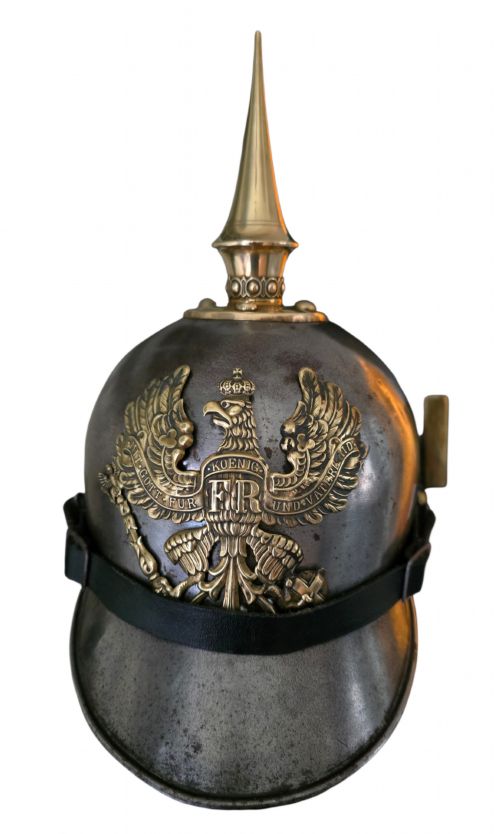
The selections on this page most frequently include the iconic Pickelhaube helmet. These are typically encountered in forms designated for other ranks or officers, featuring specific eagle plates and distinctive spikes.
How they were made
Makers utilised robust materials such as steel, brass, and boiled leather to construct these military helmets. Leather and boiled leather formed the primary body of certain models, offering both structure and flexibility.
Metal components like brass fittings were integrated alongside painted surfaces and felt linings. These combined techniques ensured durability and distinct regimental identification in the field.
Ww1 German Helmet Retail Price Guide 2026
Typical asking prices for ww1 german helmet among the pieces listed under this phrase on Sellingantiques today, from the lower quarter to the upper quarter. They describe what is for sale here now, not the wider market.
Every solid spike tells a quiet story of countless parades and muddy fields.
What varies in quality
The distinction between standard service equipment and officer versions shapes the hierarchy of these items. Officer pieces often exhibit refined detailing in their metalwork and insignia.
Preservation of original materials such as the leather body, paint finish, and brass fittings dictates the overall character of a helmet. The integrity of these components reflects the manufacturing standards of the period.
The Ww1 German Helmet Glossary
- Pickelhaube
- A spiked military helmet worn by German nineteenth and twentieth-century infantry and officers. This form is central to Imperial German military headgear.
- Kaiserreich
- The historical period of the German Empire lasting from 1871 to 1918. Pieces from this era often carry specific imperial insignia.
- Boiled leather
- Material soaked in hot water or wax and then shaped into rigid forms. It was widely utilised for the construction of military helmet bodies.
- Other ranks
- Military personnel below commissioned officer status. Helmets designated for these ranks feature standard issue fittings rather than private purchase upgrades.
Ww1 German Helmet: Frequently Asked Questions
What materials make up a pickelhaube?
These helmets incorporate boiled leather or steel for the main body structure. Brass fittings are regularly attached for spikes, chinscales, and front plates.
Additional internal components include felt and leather linings to secure the headgear during wear. Paint finishes are also applied to exterior metal and leather surfaces.
How do officer and soldier helmets differ?
Officer helmets typically display higher grade metalwork and private purchase distinctions compared to standard issues. They reflect personal acquisition rather than mass regimental supply.
Soldiers helmets, termed other ranks, utilise standardised components suited for field deployment. Their plates and fittings follow strict military regulations of the period.
What periods do these helmets date from?
The available selection primarily spans the nineteenth century through the 1910s. This encompasses the peak years of the Imperial German military.
Dates range from the model 1895 configurations up to First World War production years. Each span demonstrates shifts in military design and material availability.
Where did these military helmets originate?
These items originate from Imperial Germany during the Kaiserreich era. They were issued to various military branches including infantry and pionier units.
Specific regiments often utilised distinct plates on the front of the helmet. This allowed immediate identification of the wearer's specific military unit.