
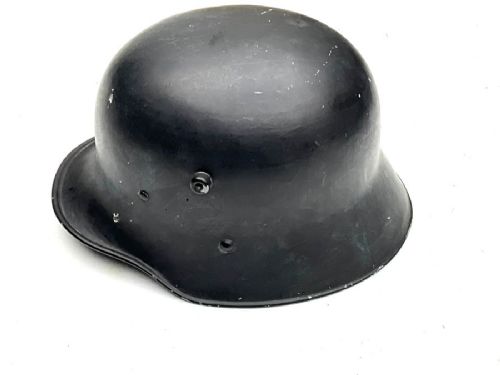
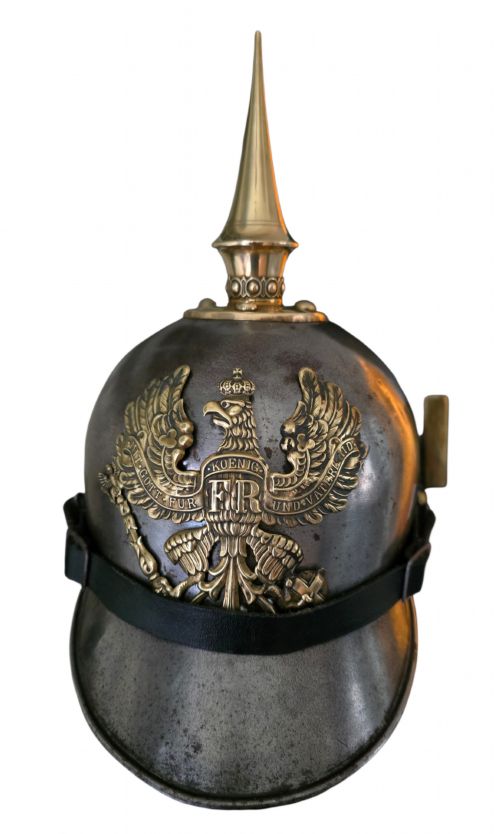


Imperial German Helmet
An imperial german helmet is a piece of military headgear embodying the Kaiserreich period, sought after for its distinct presence and historical weight.
Imperial German Helmet
An imperial german helmet encompasses military helmets and military headgear originating from the nineteenth century up through the First World War. You will most frequently encounter the pickelhaube form on this page, often featuring brass fittings and specific plate insignia.
The objects span multiple decades, incorporating pieces from the eighteen sixties and eighteen seventies through to nineteen ten. These examples represent both other ranks and officers from the Kaiserreich period.
Materials and construction
Construction relies heavily on steel, leather, and boiled leather moulded into traditional military headgear shapes. Artisans added brass components and horsehair to complete the specification of these helmets.
Paint finishes frequently appear on the exterior surfaces, while felt and alternative metals supplement the primary materials used across different regiments and ranks.
Imperial German Helmet Retail Price Guide 2026
Typical asking prices for imperial german helmet among the pieces listed under this phrase on Sellingantiques today, from the lower quarter to the upper quarter. They describe what is for sale here now, not the wider market.
Some helmets feature horsehair that has stood at attention longer than most living relatives.
Distinctions in quality
Quality diverges between standard other ranks equipment and the finer specifications reserved for military officers. The presence of detailed brass fittings and specialised unit plates elevates certain examples.
The integrity of materials such as boiled leather and steel separates standard military headgear from superior specimens. Preservation of original paint and horsehair elements also defines the upper tier of these pieces.
The Imperial German Helmet Glossary
- Pickelhaube
- A spiked military helmet worn by German soldiers, firefighters, and officials during the nineteenth and twentieth centuries. This particular form remains the most recognizable silhouette from the Kaiserreich era.
- Kaiserreich
- The German Empire period lasting from eighteen seventy-one to nineteen eighteen. Pieces from this era carry distinct military aesthetics associated with the imperial armed forces.
- Boiled leather
- Leather that has been treated in hot water or wax to become rigid and durable. This technique provided protective rigidity for military headgear before modern composites.
- Other ranks
- Enlisted soldiers and non-commissioned personnel rather than commissioned officers. Helmets made for these ranks followed strict military regulations without private purchase enhancements.
Imperial German Helmet: Frequently Asked Questions
What is an imperial german helmet?
An imperial german helmet is military headgear utilised by armed forces during the nineteenth century and the First World War. These items include the pickelhaube and other military helmets from the Kaiserreich period.
They serve as historical artefacts representing specific military units, campaigns, and ranks from privates to officers.
How do you date an imperial german helmet?
Dating relies on examining the materials, construction techniques, and specific design patterns associated with periods like nineteen ten, nineteen hundred, and the nineteenth century.
Changes in brass fittings, plate insignia, and core materials such as boiled leather or steel help establish the manufacturing window.
What materials were used?
These helmets were constructed primarily from steel, leather, and boiled leather to ensure durability in the field. Brass fittings, paint, and horsehair were frequently added for insignia and ceremonial purposes.
Felt and general metals also appear across various models depending on the specific military branch and rank.
How were officer helmets different?
Officer helmets incorporated finer materials and private purchase specifications that distinguished them from standard other ranks equipment. They often featured upgraded brass fittings and more intricate plate designs.
These variations reflect the hierarchical structure of the military forces during the imperial era.