


Antique Militaria Helmet
An antique militaria helmet carries the weight of past campaigns, offering a tangible link to cavalry charges, trench warfare, and imperial uniforms.
Antique Militaria Helmet
When you search for an antique militaria helmet, you encounter rigid headgear spanning the eighteenth, nineteenth, and early twentieth centuries. These pieces originate from military campaigns, ceremonial units, and fire brigades across Britain, France, Germany, Portugal, and India.
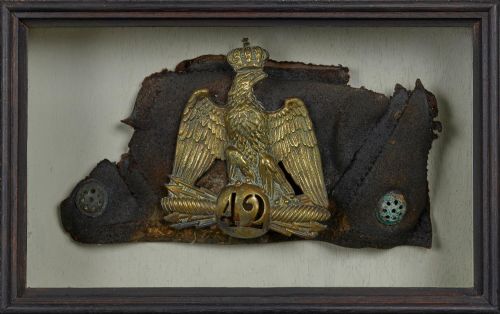
The versions most likely to meet you on this page include Imperial German pickelhaubes from the First World War alongside nineteenth-century French shakos and British cavalry helmets. Early specimens from the eighteenth century, such as Indo-Persian kullah khud helmets, also appear.
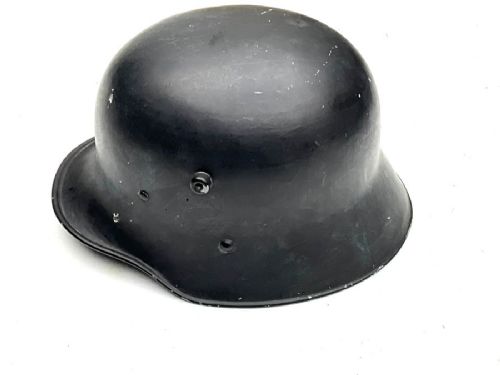
Forms range from brass fireman's helmets and lancer caps to leather officer headgear and steel trench helmets. Each design reflects the tactical requirements and parade aesthetics of its specific period and regiment.
How they were made
Maker workshops constructed these helmets using robust combinations of steel, brass, white metal, and boiled leather. Felt and boiled leather provided lightweight structure for shakos and pickelhaube bodies, while polished brass and white metal formed protective visors, plates, and scale chin straps.
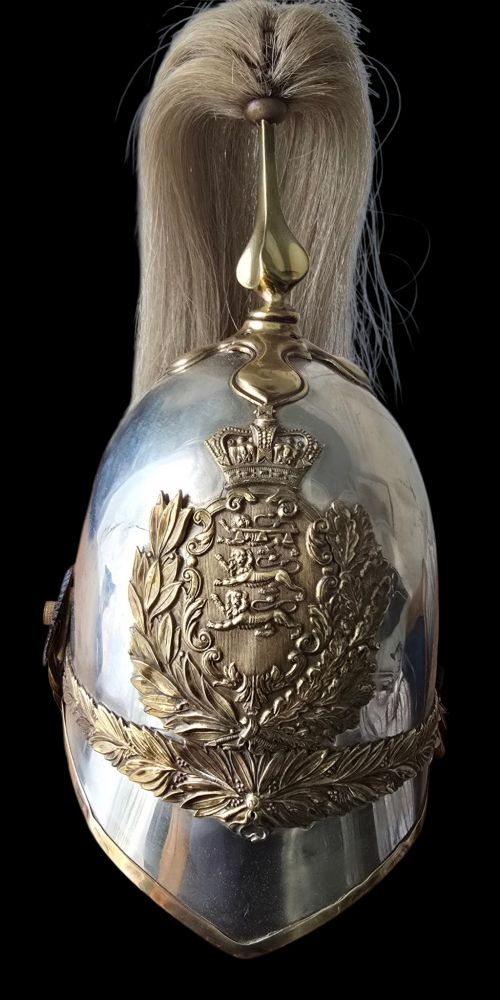
Makers integrated organic materials to finish the pieces, incorporating horsehair plumes for cavalry and dragoon headgear. Indo-Persian examples incorporated fine engraved script bands alongside protective mail aventails fashioned from interconnected metal rings.
Listings feature items spanning the eighteenth century through the First World War, utilising steel, brass, leather, and horsehair.
What varies in quality
The distinction between standard-issue equipment and officer-grade pieces determines much of the variation across these helmets. Officer examples frequently exhibit finer gilt brass fittings, private-purchase lining materials, and intricate regiment-specific badging.
Survival of original components separates intact examples from composite pieces. Helmets retaining their original horsehair plumes, interior leather sweatbands, and matching metal fittings command greater regard among collectors.
The Antique Militaria Helmet Glossary
- Pickelhaube
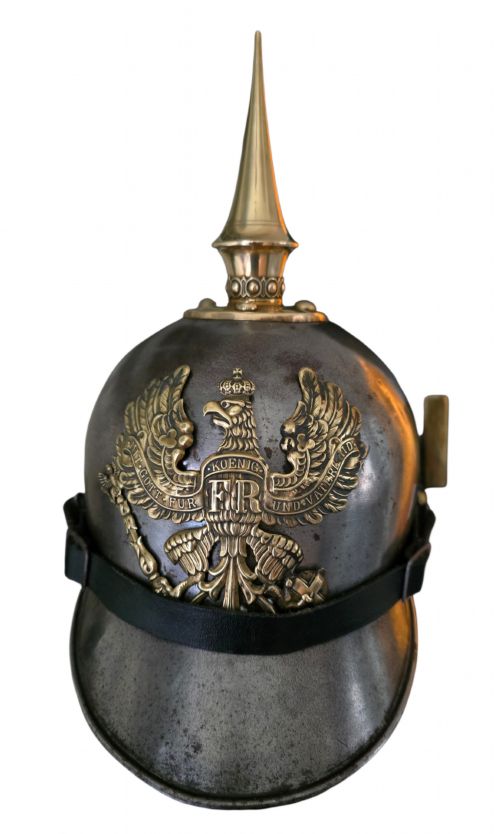
- A spiked helmet worn by German military and police forces during the nineteenth and early twentieth centuries. These leather or steel helmets typically featured prominent brass spikes and front plates.
- Shako
- A tall, cylindrical military cap adorned with a peak, often worn by infantry and artillery regiments during the nineteenth century. They usually featured cockades, chin scales, and regimental plates.
- Aventail
- A flexible curtain of chain mail attached to the base of a helmet to protect the neck and shoulders. This feature appears on traditional Indo-Persian fighting helmets.
- Kulah Khud
- A traditional hemispherical steel combat helmet originating from Persia and India, often decorated with engraved script bands and surface etching. These pieces date back to the eighteenth century.
- Lance Cap
- A distinctive square-topped headdress worn by lancer regiments in British and European cavalry units. The top section, known as the mortar, sat above a stiffened leather skull.
Antique Militaria Helmet: Frequently Asked Questions
How do I identify a German pickelhaube?
Look for the characteristic metal spike mounted atop a boiled leather or steel body, accompanied by an imperial eagle or state plate on the front. These helmets typically date from the late nineteenth century through the First World War.
Examine the hardware and interior liner to distinguish between private-purchase officer models and standard enlisted personnel variants.
What materials were used in nineteenth century helmets?
Makers relied on boiled leather, felt, steel, and brass as the primary structural components for military headgear. White metal and gilt dressings appeared frequently on parade and cavalry pieces.
Organic additions such as horsehair plumes completed the exterior appearance for specific cavalry and dragoon units.
Are Indo-Persian helmets made of steel?
Yes, traditional pieces like the kullah khud are forged from steel and often feature intricate engraved script bands and surface decoration. Many of these eighteenth-century examples include integrated mail aventails.
These defensive items reflect the Mughal and Rajput armor-making traditions of North India.
How should I store an antique helmet?
Keep helmets in a stable environment away from direct sunlight, excessive humidity, and rapid temperature fluctuations to protect organic materials like leather and horsehair. Support heavy metal elements properly so the structure avoids distortion.
Avoid aggressive cleaning agents on brass and steel surfaces to preserve the original metal patina.