


Imperial German Headgear
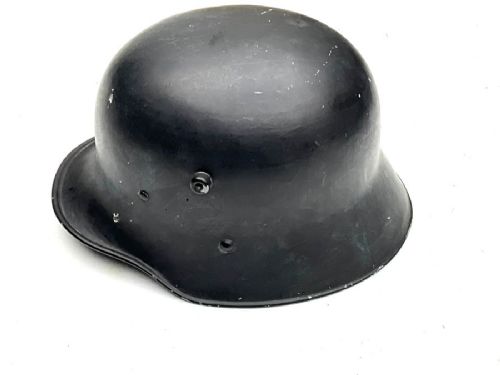
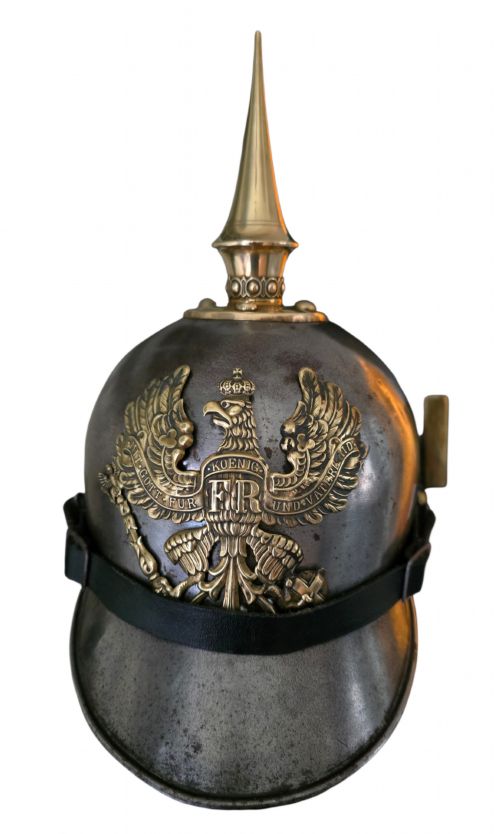
Imperial german headgear brings together the formidable spiked pickelhaube and military helmets shaped by nineteenth-century and first world war campaigns.
Imperial German Headgear
When you search for imperial german headgear, you encounter military helmets spanning from the mid nineteenth century through the first world war. The most common examples on this page are military helmets and pickelhaubes originating from the kaiserreich period and the nineteen tens.
These pieces encompass both other ranks and officers variants, often bearing distinctive eagle plates and metal fittings. The forms range from nineteenth century military styles to first world war soldiers equipment.
Each piece reflects the structural regulations of german military forces across different decades. The selection centres heavily on helmets associated with infantry and specialised units like pionier battalions.
How they were made
Construction relies primarily on boiled leather and standard leather shaped to form the rigid body of the helmet. Metal components such as brass fittings and steel elements provide structural reinforcement and decorative plates.
Additional textures appear through the use of felt, horsehair, and painted finishes applied to the exterior surfaces. These materials combine to create durable military headgear designed for active service and ceremonial dress.
Horsehair additions meant an imperial soldier had to contend with wearing a tail on his head during inspections.
What varies in quality
The distinction between standard other ranks equipment and officers versions shapes the hierarchy of these pieces. Officers helmets typically exhibit finer metalwork, superior finishing, and more intricate plates.
Materials also dictate the grade of each helmet, with boiled leather bodies and detailed brass fittings representing the standard of imperial military manufacturing. The preservation of original paint and horsehair elements further defines the standing of individual examples.
The Imperial German Headgear Glossary
- Pickelhaube
- A spiked helmet worn by nineteenth and early twentieth century German military officers, firefighters, and police. This form is the most recognisable icon of imperial German headgear.
- Kaiserreich
- The German Empire period lasting from eighteen seventy one to nineteen eighteen. Items from this era reflect the military standardisation of the imperial army.
- Boiled leather
- Leather toughened by immersion in hot water or wax, often referred to as cuir bouilli. This technique created the stiff, protective shell characteristic of nineteenth century helmets.
- Other ranks
- Military personnel below commissioned officer status. Helmets made for these soldiers utilised simpler brass fittings and standard leather construction.
Imperial German Headgear: Frequently Asked Questions
What is a pickelhaube?
A pickelhaube is a spiked military helmet developed in the nineteenth century and worn by German forces through the first world war.
These helmets served as standard military headgear for infantry and specialised units before steel helmets replaced them.
How do I date these helmets?
Dating relies on stylistic changes, metal fittings, and unit markings spanning from the eighteen sixties to the nineteen tens.
Imperial German headgear evolved from nineteenth century military forms into the standardised patterns of the kaiserreich and first world war.
Are officers helmets different?
Officers helmets feature finer brass fittings, superior materials, and distinct detailing compared to standard other ranks equipment.
Private purchase pieces made for officers often display higher grade manufacturing standards.
What materials were used?
Makers utilised boiled leather and standard leather to form the rigid crown of the helmet.
Brass, steel, paint, felt, and horsehair completed the exterior fittings, plates, and plumes.