


Vintage Militaria Helmet
These vintage militaria helmet examples provide collectors with historic military headgear spanning the nineteenth and early twentieth centuries.
Vintage Militaria Helmet
A vintage militaria helmet encompasses historic military headgear originating from nineteenth and early twentieth century campaigns and regiments. These items include ceremonial and service headwear from various European nations and specific military branches.
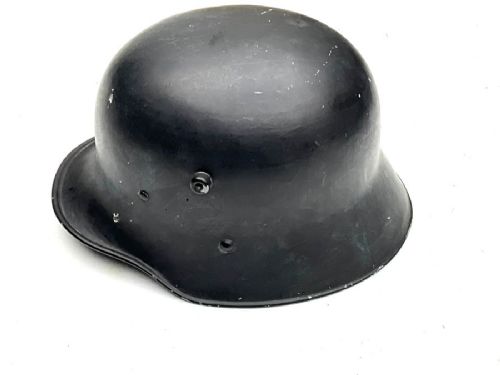
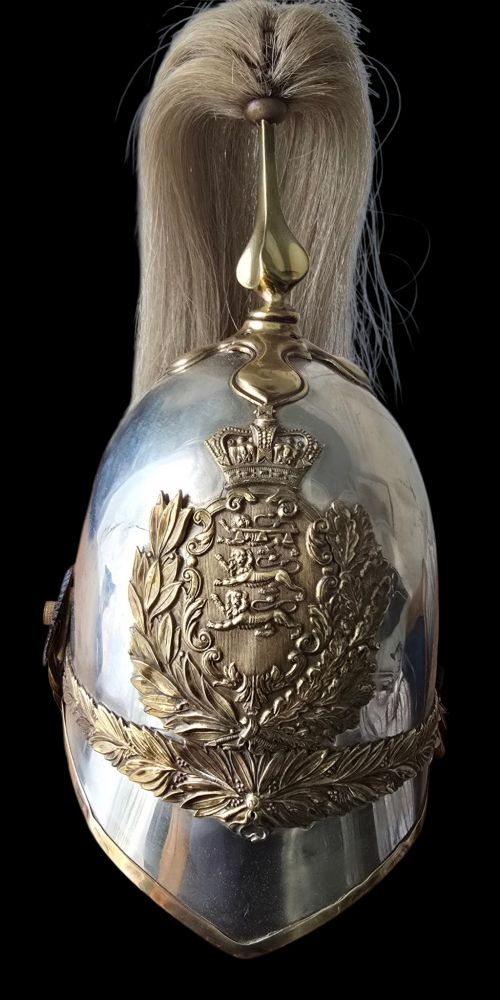
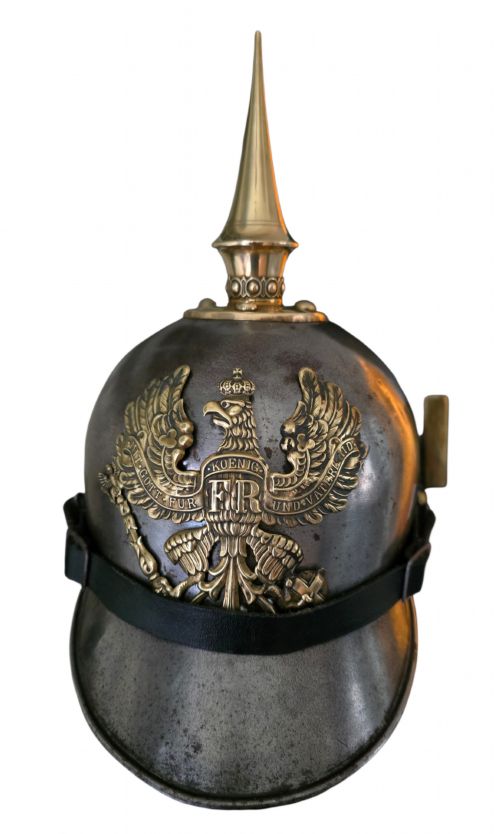
The selections available here range from Victorian era cavalry and French fireman equipment to Imperial German Pickelhaube pieces. Buyers will frequently encounter German examples dating from the First World War alongside nineteenth century cavalry and fire service headgear.
These artefacts reflect the functional and ceremonial standards of past military organisations through distinct national patterns. Each specimen preserves the specific identity of regiments such as the Duke of York's Own Regiment of Yeomanry or Marseille fire services.
How vintage militaria helmet items were constructed
Makers utilised robust natural and metallic materials including leather, steel, and brass to ensure durability in the field and striking appearance on parade. White metal and gilt metal components frequently accent the primary structure to denote rank or regiment.
Textiles and organic additions such as wool and horsehair plumes complete the construction of ceremonial and officer variants. Paint finishes applied to metal and leather surfaces provided both protection and unit identification.
Marseille firemen once charged into nineteenth century French emergencies wearing shining brass helmets topped with horsehair.
What varies in quality among vintage militaria helmet examples
The standard of a vintage militaria helmet depends upon the grade of materials employed in its original construction, distinguishing officer grade models from other ranks equipment. Gilt metal fittings, intricate brass work, and substantial leather foundations indicate higher status pieces.
The survival and integrity of delicate organic elements such as horsehair plumes and wool linings dictate the overall caliber of an artefact. Superior examples maintain the original harmony of mixed media components without extensive replacement.
The Vintage Militaria Helmet Glossary
- Cavalry Helmet
- Protective headgear designed for mounted troops, often incorporating decorative horsehair plumes and robust metal shells. These pieces served both ceremonial and protective functions.
- Gilt Metal
- Metal overlaid with a thin layer of gold for decorative effect. This finish appears on officer grade helmets to highlight insignia and structural trims.
- White Metal
- An alloy used for military fittings and badges. It provides a silver-coloured finish distinct from polished brass.
Vintage Militaria Helmet: Frequently Asked Questions
What periods do these helmets cover?
The selection spans from the mid nineteenth century through the First World War era. Dates range from the eighteen sixties to the nineteen tens.
Victorian examples sit alongside Imperial German and French pieces from later decades. Each item reflects the manufacturing standards of its specific period.
How were horsehair plumes used?
Horsehair plumes served as distinctive decorative elements on ceremonial and cavalry headwear. They denoted specific regiments or officer status during parades.
These elements were attached to metal sockets atop the helmet shell. They added height and visual distinction to the uniform.
What materials make up these helmets?
Construction materials include leather, steel, brass, and white metal for the primary shells and fittings. Organic additions like wool and horsehair provide finishing details.
Gilt metal accents frequently appear on officer grade models to highlight insignia. Each material contributed to the durability and ceremonial appearance of the gear.
How do officer helmets differ?
Officer models typically incorporate finer materials such as gilt metal fittings and superior leather work. They often display specific regimental details not found on standard issue gear.
These higher grade pieces reflect the personal acquisition of equipment by military officers. Their construction prioritised distinguished appearance alongside regulation standards.