


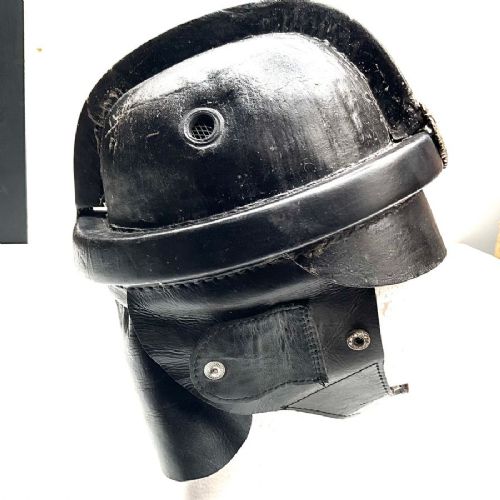
Black Leather Helmet
These black leather helmet examples are historic military headgear and motoring pieces offering tangible links to nineteenth and early twentieth century conflicts.
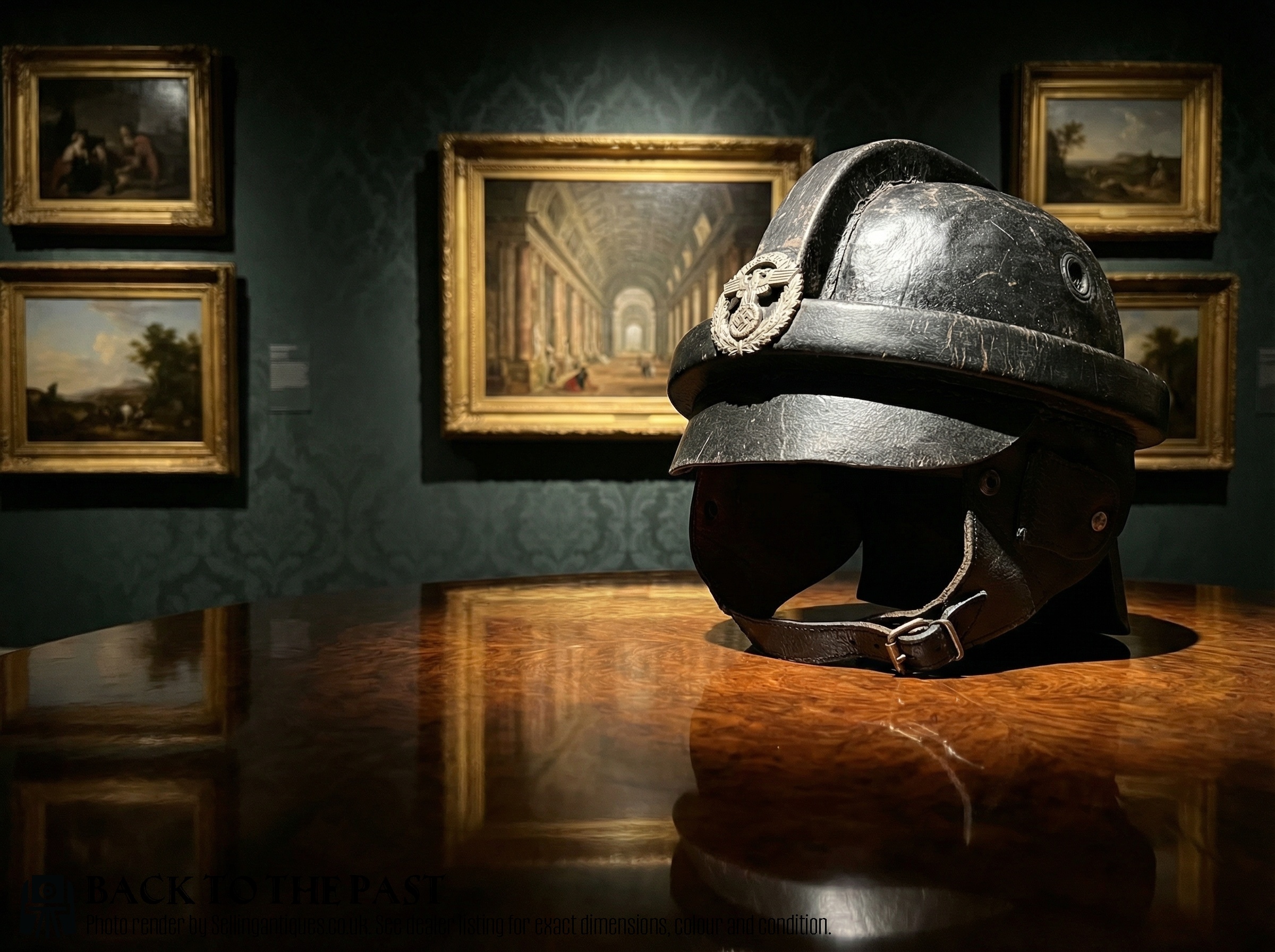
Black Leather Helmet
When you search for a black leather helmet, you encounter military headgear spanning the nineteenth century through the early twentieth century. The selection ranges from Victorian military and July Monarchy shako caps to Imperial German Pickelhaube pieces.
You are most likely to meet Imperial German military and officers helmets alongside nineteenth century military headwear and nineteen-thirties motoring gear. The forms include lancer caps, dragoon helmets, and infantry pickelhaubes constructed with distinct national characteristics.
Military headdress from this category reflects specific regimental histories and periods such as the Kaiserreich era and nineteen-ten deployments. Each piece of military headgear embodies the operational requirements and formal dress codes of its respective armed force.
How they were made
Construction relies heavily on leather, boiled leather, and lacquered leather shaped to form the rigid structure of the cap or helmet. These hides are combined with metal elements such as brass or silvered metal for front plates, spikes, and chin scales.
Additional detailing incorporates horsehair plumes and felt linings to complete the interior and exterior appearance of the military headdress. Artisans shaped these diverse materials to withstand active service conditions while maintaining formal parade standards.
Black Leather Helmet Retail Price Guide 2026
Typical asking prices for black leather helmet among the pieces listed under this phrase on Sellingantiques today, from the lower quarter to the upper quarter. They describe what is for sale here now, not the wider market.
The inventory encompasses military headdress styles originating from Imperial German, French July Monarchy, and Victorian British military traditions.
What varies in quality
The distinction between ordinary issue pieces and officer grade equipment defines much of the variation across these examples. Officer helmets typically feature finer metalwork, superior gilt or silvered components, and more intricate regimental plates.
The preservation of organic materials like boiled leather and horsehair significantly influences the overall character of a piece. Intact lacquer finishes and original metal fittings elevate the integrity of nineteenth and twentieth century military headgear.
The Black Leather Helmet Glossary
- Pickelhaube
- A spiked helmet worn by nineteenth and early twentieth century German military and police forces. This form typically incorporates a leather body with metal trim and a prominent top spike.
- Shako
- A tall, cylindrical military cap usually adorned with a metal plate, cockade, or plume. This style saw widespread use among infantry and national guard units during the nineteenth century.
- Lance cap
- A distinct headwear form featuring a rigid, square top section above a leather base, traditionally worn by lancer regiments. These pieces often include cloth components and metal support framing.
- Kaiserreich
- The historical period of the German Empire spanning from eighteen seventy-one to nineteen hundred and eighteen. Helmets from this era reflect specific imperial designs and regimental specifications.
- Boiled leather
- Leather that has been treated in hot water or wax to harden and shape it into durable defensive forms. This technique provided lightweight rigidity for military helmets before the widespread adoption of steel.
Black Leather Helmet: Frequently Asked Questions
How do I date a black leather helmet?
Dating relies upon identifying the specific regimental pattern, metal plate insignia, and construction style associated with recorded periods like the nineteenth century or nineteen-ten.
Changes in military styling, national crests, and manufacturing techniques across the Kaiserreich and Victorian eras provide the primary chronological markers for these pieces.
Were these helmets worn in actual combat?
Many examples on this page served as operational military headdress during nineteenth and early twentieth century campaigns and garrison duties.
Other variants, particularly officer dress pieces and parade items, were designed primarily for formal inspections, ceremonial duties, and full dress uniform requirements.
How should I display a leather helmet?
Display these historic pieces in stable environments away from direct sunlight and excessive humidity to protect vulnerable organic materials like leather and horsehair.
Utilising a proper internal support or headform prevents the structural sagging of aged leather and preserves the original contours of the cap.
What is the difference between other ranks and officer helmets?
Other ranks helmets typically utilised standard stamped brass or metal plates intended for mass military supply and durability in the field.
Officer grade examples frequently incorporated higher quality lacquered leather, gilt fittings, finer cockades, and private purchase detailing reflecting higher commissioning status.