


Antique German Headgear
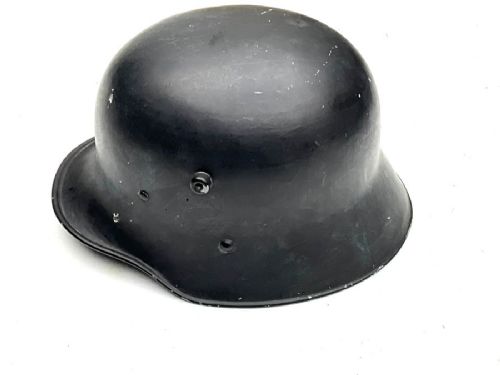
These antique german headgear examples are historic military and motoring pieces built to command attention and protect the wearer.
Antique German Headgear
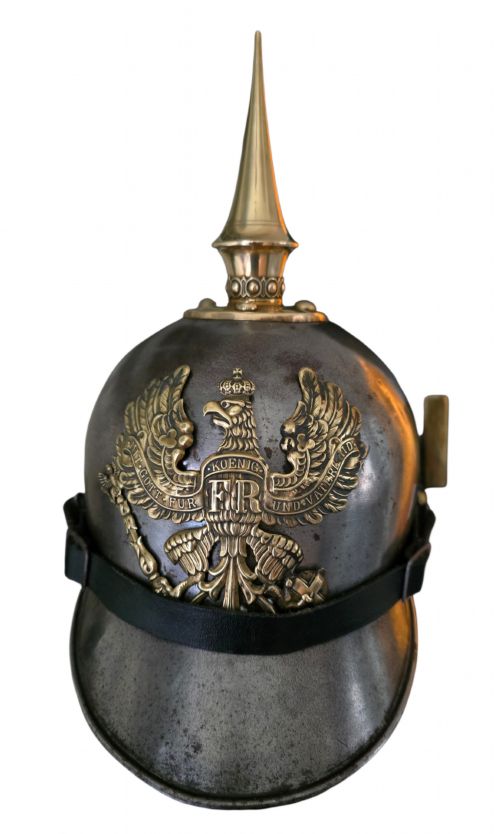
Antique german headgear encompasses military helmets and headwear spanning the nineteenth century through the interwar period. The most prominent version met on this page is the Imperial German military helmet, often featuring spiked designs or specific regimental plates.
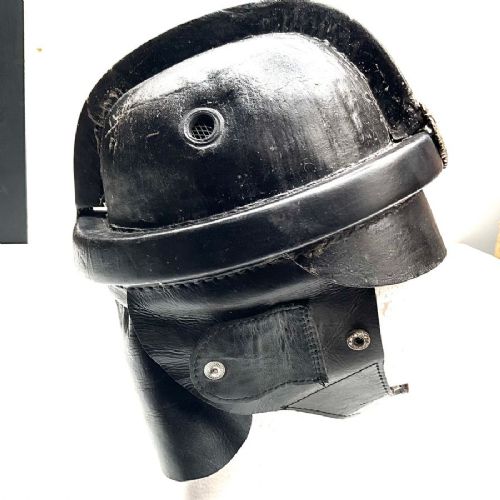
The selection extends from mid nineteenth century examples to First World War soldiers' and officers' equipment. Alongside these military items appear later motoring headgear from the nineteen thirties, representing functional transport clothing of the era.
Forms range from standard infantry equipment to specialised pioneer battalion pieces and officers' dress items. Each piece reflects the formal hierarchy and practical demands of German service across distinct historical eras.
How they were made
Construction relies on rigid materials including boiled leather, steel, and brass fittings. These components were shaped to form durable protective shells capable of withstanding active service.
Surface finishes incorporate paint and polished metal alongside organic additions like horsehair and felt lining. Leather elements provide structural suspension and fastening, combined with metal insignia plates affixed to the front.
Some nineteenth century wearers marched into battle wearing boiled leather topped with shiny brass spikes.
What varies in quality
Quality differences emerge in the grade of metal fittings, the preservation of original paint and leather, and the clarity of regimental insignia. Officers' pieces typically demonstrate finer detailing in brass and metalwork compared to standard other ranks equipment.
The integrity of the original components, such as leather straps and interior linings, distinguishes robust examples from heavily restored pieces. Surviving structural form in the boiled leather or steel shells dictates the overall historical presence.
The Antique German Headgear Glossary
- Kaiserreich
- The German Empire period lasting from eighteen seventy-one to nineteen eighteen. Items from this era bear the distinct military aesthetics of the imperial German armed forces.
- Boiled leather
- Leather that has been treated in hot water, wax or grease to render it stiff and hard. This technique provided sturdy protection for nineteenth century headgear before heavy steel deployment.
- Brass fittings
- Metal components including chin scales, spikes, and front plates attached to helmets. These elements provided both structural reinforcement and decorative insignia denoting military rank or unit.
Antique German Headgear: Frequently Asked Questions
What periods do these helmets cover?
The available listings span from the mid nineteenth century through the First World War and into the nineteen thirties. This covers nineteenth century military styles, Imperial German Kaiserreich pieces, and later motoring headgear.
Each era brings distinct material choices and design shifts, moving from early leather and brass configurations to twentieth century steel and specialised transport wear.
How do officers' helmets differ from soldiers'?
Officers' headgear generally displays finer metalwork, higher quality brass fittings, and superior detailing on the insignia plates. These pieces reflect private purchase items tailored for higher ranking personnel.
Other ranks helmets utilise standard issue specifications intended for mass military supply, maintaining robust construction with simpler finish standards.
What materials were used in construction?
Primary materials include steel, boiled leather, and brass, supplemented by felt, paint, and horsehair. Steel and boiled leather formed the protective shell structures.
Metal components provided the distinctive spikes, chin scales, and regimental plates while fabric and hair elements contributed to internal comfort and decorative crests.
How should I display military headgear?
Display requires stable support that avoids putting undue pressure on original leather linings or chin straps. Keeping pieces away from direct sunlight preserves paint and organic materials.
Stable indoor humidity prevents the leather and metal components from degrading over time, ensuring the structural form remains intact.