


Antique Army Helmet
These antique army helmet pieces combine steel, brass, and horsehair, offering collectors tangible fragments of nineteenth and early twentieth century military history.
Antique Army Helmet
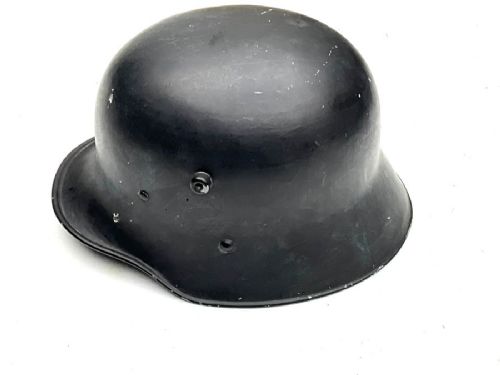
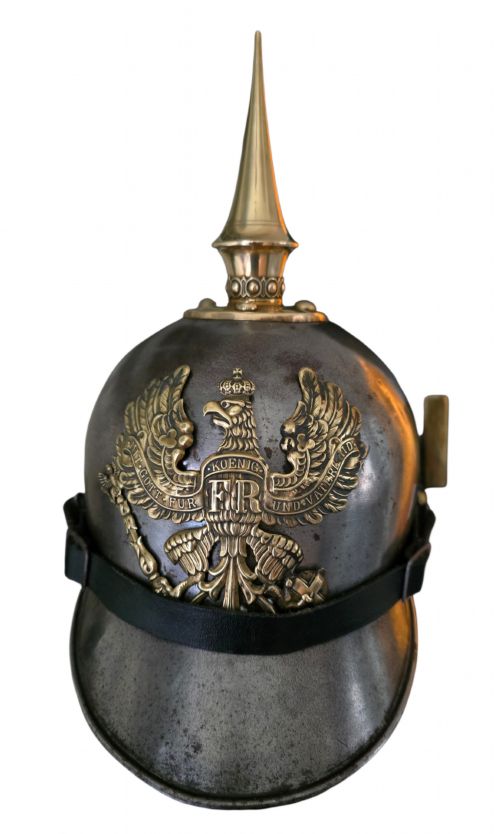
You are most likely to meet German Pickelhaube examples dated around 1910, constructed from steel or boiled leather with brass fittings. Alongside these german items, nineteenth century patterns from Swedish and Portuguese regiments appear.
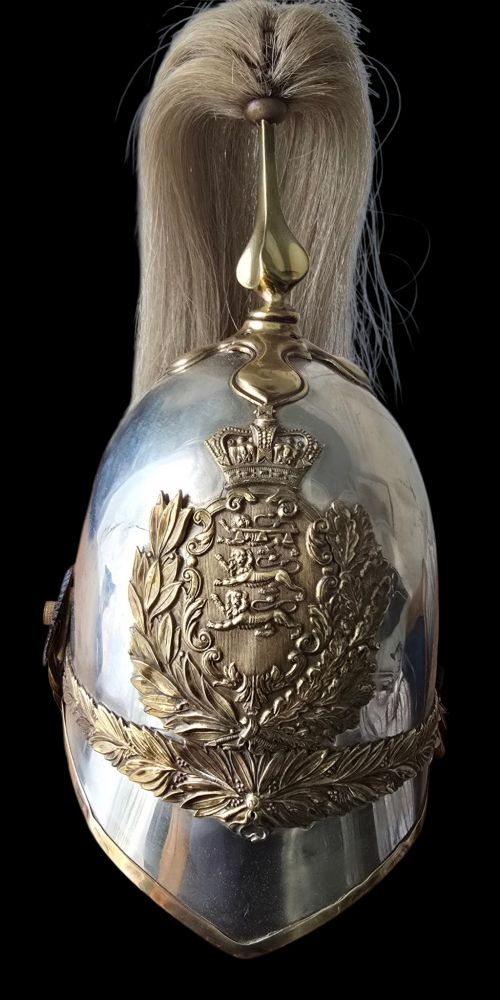
The forms range from heavy metal cavalry helmets with striking horsehair plumes to utilitarian soldiers' headgear. Each piece reflects the specific national design ethos of its period.
Materials and construction methods
Construction relies heavily on robust materials including steel, brass, and lacquered or boiled leather moulded to shape. White metal and gilt accents enhance officer-grade examples.
Organic elements such as horsehair feature prominently in plumes, whilst felt and leather provide internal structure and comfort. Metal fittings are riveted or soldered directly to the main body.
Some nineteenth century cavalry officers went into battle wearing towering horsehair plumes that stood ready to catch every passing breeze.
Factors determining quality
Quality separates standard service issue gear from elaborate officer-grade commissions through the refinement of metalwork and the inclusion of decorative elements like horsehair plumes or gilt finishes. Superior pieces retain their original structural integrity across leather bodies and metal spikes.
The presence of specific regimental association marks and well-preserved internal components elevate the standing of an individual helmet within the historical hierarchy.
The Antique Army Helmet Glossary
- Pickelhaube
- A spiked helmet worn by nineteenth and early twentieth century German military officers and soldiers. This form is typically associated with leather or steel bodies fitted with brass ornamentation.
- Plume
- An arrangement of horsehair or feathers mounted on top of military headgear. It usually denotes cavalry units or full dress uniform variants.
- White metal
- An alloy used for military fittings and helmet plates, prized for its silvery appearance. It provides a distinct contrast against brass elements on Victorian cavalry pieces.
- Boiled leather
- Leather hardened by immersion in hot water or wax, utilised for durable military headwear. This material offers rigid protection whilst remaining relatively lightweight.
Antique Army Helmet: Frequently Asked Questions
What periods do these helmets cover?
The available pieces span from the mid-nineteenth century through the First World War. This includes Victorian examples and later imperial German designs.
Dates generally range between eighteen-sixty and nineteen-eighteen, capturing major shifts in military uniform design.
How do officers' helmets differ from other ranks?
Officers' headwear often incorporates finer materials such as gilt fittings, white metal, and horsehair plumes. They reflect private purchase standards rather than mass production.
Standard soldiers' helmets utilise simpler steel or boiled leather construction intended for active service durability.
How should I display an antique helmet?
Display requires stable conditions away from direct sunlight and excessive humidity to protect vulnerable organic materials like leather and horsehair. Using a properly sized internal support prevents the helmet shape from distorting over time.
Avoid resting heavy items on their brims or original chin scales to maintain structural preservation.
Can I identify the specific regiment?
Many examples feature distinct helmet plates, cockades, or specific patterns that connect them to national units like the Duke of York's Own Regiment of Yeomanry or Imperial German Pionier-Bataillons.
Examining the metal insignia and structural markers helps link the piece to its historical military branch.