


Imperial German Militaria
Imperial german militaria brings together heavy steel, brass, and boiled leather from the nineteenth and early twentieth centuries.
Imperial German Militaria
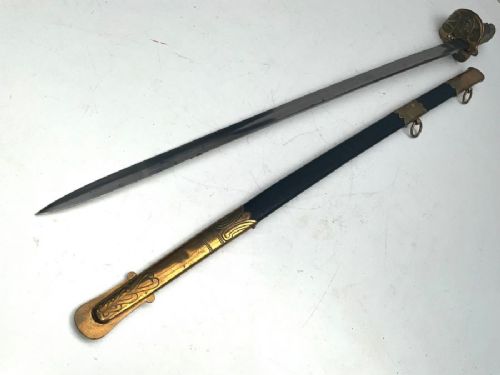
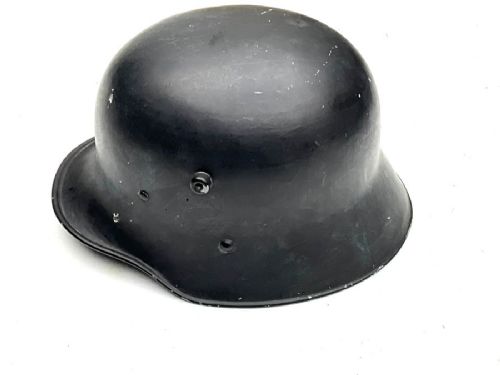
Collectors seeking imperial german militaria encounter military helmets, military headgear, and swords and edged weapons spanning the Victorian era through the First World War. The selection centres heavily on military helmets from nineteen ten, alongside nineteenth century examples dated to eighteen seventy and eighteen sixty.
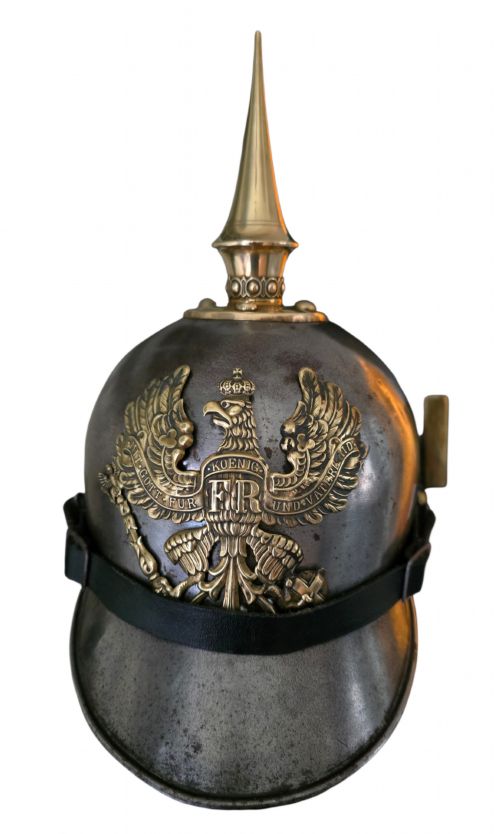
Most items on this page take the form of the pickelhaube, represented by Prussian steel pickelhaube helmet examples with brass fittings and other ranks pieces associated with units like the Pionier-Bataillon Nr. nineteen. Buyers also find officers helmets and naval presentation swords carrying imperial German and military styles.
How these pieces were made
The construction relies on sturdy organic and metallic materials, combining boiled leather or leather bodies with brass fittings, gilt brass, and steel components. Horsehair and paint often finish the helmets, adding the necessary ornamentation for officers and other ranks.
Edged weapons utilise forged steel blades paired with metal mountings, while helmets depend on moulded leather shells joined to metal hardware. These traditional techniques produced robust military equipment built to withstand active service and formal parade use alike.
Listings span periods from eighteen sixty through nineteen ten, encompassing Victorian and First World War military styles.
What varies in quality
Quality differences stem from the original tier of the recipient, separating standard other ranks equipment from privately purchased officer items. Officers often invested in superior gilt brass fittings, finer leather work, and presentation grade detailing on swords.
The integrity of original components dictates the standing of each piece, particularly where brass hardware, leather shells, and steel surfaces meet. Items retaining their exact period fittings and uncompromised structural forms demonstrate greater manufacturing ambition.
The Imperial German Militaria Glossary
- Pickelhaube
- A spiked helmet worn by German military, firefighters, and police during the nineteenth and twentieth centuries. It is easily recognised by its prominent top spike and front plate.
- Gilt brass
- A thin layer of gold applied to a brass base metal. This finish appears on officer fittings to provide a brighter appearance than standard polished brass.
- Boiled leather
- Heavy leather treated in hot water or wax to harden it into a rigid form. This material provided durable protection for nineteenth century helmet bodies.
- Presentation sword
- A bladed weapon given as an award or token of honour, often featuring specialised inscriptions or decorative mountings. These pieces served ceremonial purposes rather than combat.
Imperial German Militaria: Frequently Asked Questions
What is a pickelhaube helmet?
A pickelhaube is a spiked military helmet used by German forces throughout the nineteenth and early twentieth centuries.
These helmets typically feature leather or steel bodies with distinctive metal spikes and front plates denoting specific regiments.
How do I date these helmets?
Dating relies on stylistic shifts in helmet design, metal fittings, and period stamps associated with nineteenth and twentieth century manufacturing.
First World War examples commonly utilise steel construction, while earlier nineteenth century pieces frequently feature boiled leather and distinct brass configurations.
What is the difference between officer and other ranks pieces?
Officer pieces were privately purchased and generally display finer materials, gilt brass trim, and higher grade finishing.
Other ranks items followed strict military regulations with standard components intended for mass distribution to enlisted soldiers.
How should I care for leather militaria?
Leather helmets and components require stable humidity and protection from direct sunlight to prevent drying and cracking.
Maintaining moderate environmental conditions helps preserve the original boiled leather and attached metal fittings over time.