


Imperial Army Headgear
Imperial army headgear carries the tangible weight of nineteenth and twentieth-century military history, drawing collectors to its distinctive helmets.
Imperial Army Headgear
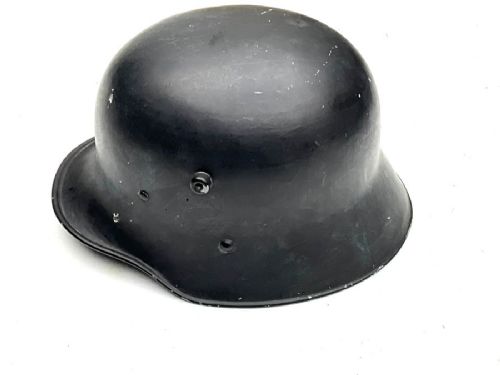
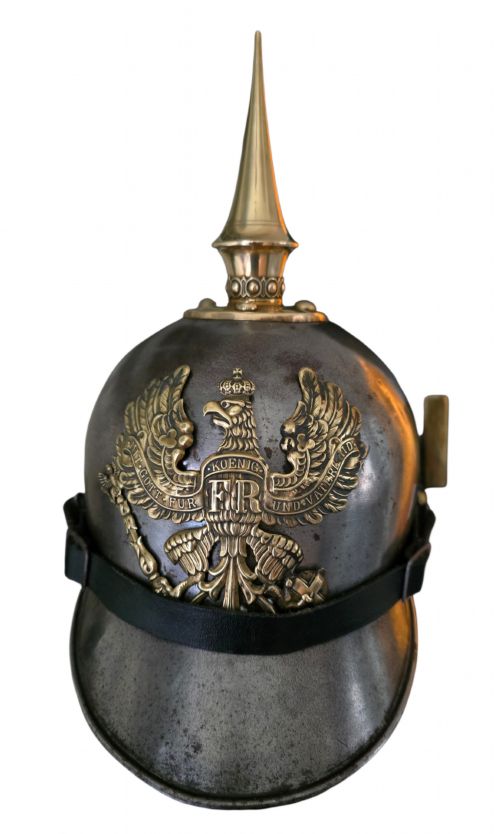
The most common forms you meet here are German Pickelhaubes and dragoon helmets issued to officers and other ranks. These helmets reflect the specific structural evolution of military equipment across several decades of European history. Collectors seek these tangible relics to examine the distinct configurations worn by nineteenth century military units.
How imperial army headgear was made
Construction relies heavily on boiled leather, felt, and steel, shaped into durable helmets designed for military service. Makers utilised brass and silver plate for fittings, spikes, and helmet plates, adding structural rigidity and distinct regimental insignia.
Paint finishes and treated leather provided weathering protection while maintaining the formal appearance required by specific branches like the Pionier-Bataillon or dragoon regiments.
Troops spent endless hours polishing brass spikes, ensuring their helmets gleamed on parade before facing the grim realities of the battlefield.
What varies in quality
The distinction between standard soldiers' helmets and officers' variants lies in the refinement of the metal fittings and the grade of materials utilised. Officer pieces frequently display superior detailing in their brass and silver-plated components, reflecting higher status within the military hierarchy.
Preservation of the original leather shell and painted surfaces dictates the overall integrity of the piece. Helmets retaining their original form and complete metallic elements demonstrate greater historical fidelity than those with compromised components.
The Imperial Army Headgear Glossary
- Pickelhaube
- A spiked helmet worn by nineteenth and twentieth century German military officers and soldiers. This distinct form remains the most recognisable item of imperial army headgear.
- Dragoon
- A member of a cavalry branch that originally fought on horseback. Swedish and German dragoon regiments utilised specialised helmets suited to their service.
- Boiled leather
- Leather hardened by immersion in hot water or wax. This technique provided sturdy, protective shells for military helmets before widespread steel adoption.
- Pionier-Bataillon
- A combat engineer battalion within the German army. Helmets associated with these units carry specific historical designations.
- Silver plate
- A thin layer of silver applied to a base metal like brass. This finish denotes higher ranking officer headgear.
Imperial Army Headgear: Frequently Asked Questions
What periods do these helmets cover?
The pieces span from the eighteen seventies through to the nineteen tens, capturing late nineteenth century designs and First World War equipment.
This timeframe shows the transition from traditional parade forms to utilitarian wartime headgear.
How do I identify a German helmet?
German examples often feature distinctive brass fittings, spikes, and regimental plates mounted to leather or steel bodies.
Many bear the hallmarks of specific units like the Prussian forces or pionier battalions.
Were these worn in combat?
While many evolved from formal nineteenth century military dress, types from the First World War era saw actual service.
They reflect the changing demands placed on military equipment as warfare modernised.
What materials make up these helmets?
Construction primarily involves steel, boiled leather, and felt for the main body and shell.
Brass, silver plate, and paint finish the hardware, insignia, and structural trim.