


Antique Military Headwear
Antique military headwear brings history directly to the head, offering authentic caps, helmets, and bicorns from past centuries.
Antique Military Headwear
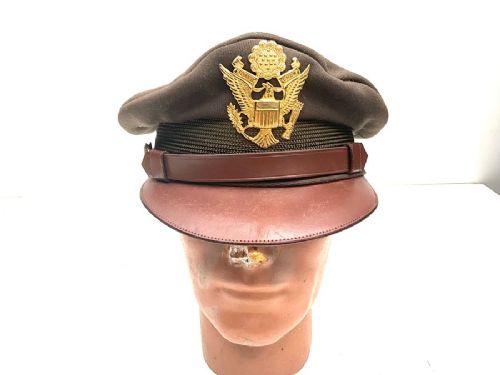
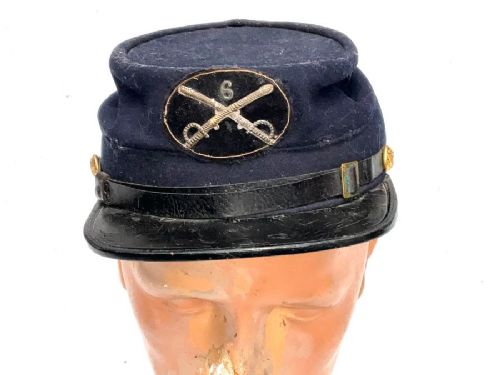
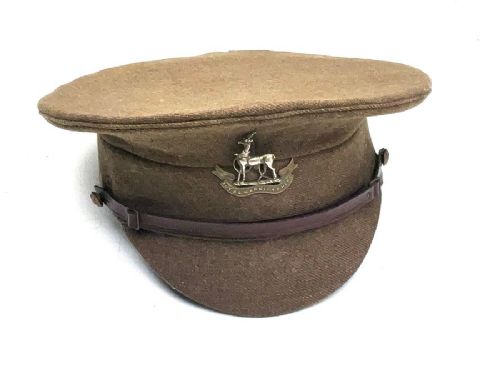
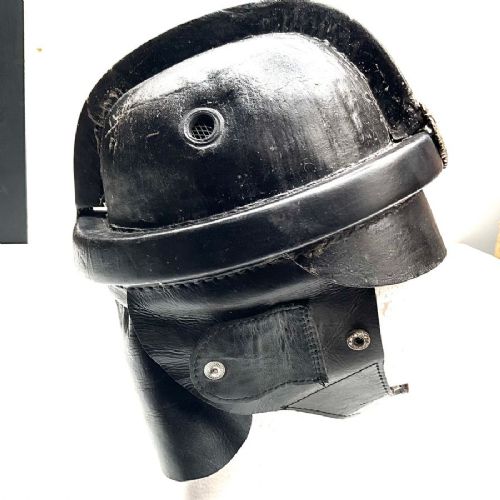
When you search for antique military headwear, you encounter service caps, spiked helmets, and campaign headdress spanning from the mid-nineteenth century through the First World War. The selection ranges from Victorian bicorn hats and American Civil War kepis to German imperial helmets and early motoring headgear.
You are most likely to meet British soldiers' caps, Imperial German pickelhaubes, and various military helmets originating from the late nineteenth and early twentieth centuries. These pieces represent formal uniform dress, campaign wear, and functional service equipment from distinct national military traditions.
How they were made
Construction relies heavily on traditional materials such as leather, boiled leather, lacquered leather, wool, and felt, shaped to rigid specifications for service use. Metal components, including brass and white metal plates, spikes, and chin scales, are secured to the bodies to denote rank and regiment.
Manufacturing combined textile tailoring for caps and kepis with leather-working and metal-stamping techniques for spiked and lancer helmets. Makers utilised durable natural substances capable of withstanding active service conditions while maintaining formal regimental appearance.
Antique Military Headwear Retail Price Guide 2026
Typical asking prices for military headwear among the pieces listed under this phrase on Sellingantiques today, from the lower quarter to the upper quarter. They describe what is for sale here now, not the wider market.
Some nineteenth-century officers preferred headwear so tall they reportedly had to duck when entering standard railway carriages.
What varies in quality
Quality rests upon the original grade of commissioning, separating standard other-ranks equipment from privately purchased officer items that utilised finer cloths, superior metalwork, and named tailoring. The presence of authentic regimental insignia, intact leather linings, and original fittings elevates a piece above standard issue.
The degree of preservation across fragile organic materials like wool, felt, and leather dictates the integrity of surviving examples. Items retaining their structural rigidity, original brass furniture, and clear maker stamps demonstrate superior historical and physical survival.
Hawkes & Co.
The Antique Military Headwear Glossary
- Kepi
- A cap with a flat circular top and a visor, widely worn by nineteenth-century infantry and civil war forces. This cylindrical cloth form sits upright with a stiffened leather peak.
- Pickelhaube
- A spiked helmet worn by nineteenth and early twentieth-century German military and police forces. The distinctive metal spike tops a moulded leather body adorned with regimental plates.
- Bicorn
- A historical hat folded up at the sides to create a characteristic two-cornered shape. This formal headwear was standard for Victorian officers and full dress uniform occasions.
- Lance cap
- A rigid square-topped headpiece traditionally worn by cavalry lancer regiments. The mortar-board top sits above a leather body fitted with chin scales and cockades.
- Boiled leather
- Leather hardened by immersion in hot water or wax to create durable armour or helmet shells. This stiffened material offered head protection before the advent of steel combat helmets.
Antique Military Headwear: Frequently Asked Questions
How do I identify a pickelhaube?
A pickelhaube is identified by its moulded leather body and the prominent metal spike mounted on the crown. They typically feature front plates and chin scales denoting specific German military units.
Most date from the late nineteenth century up to the First World War. Variations exist between other-ranks versions and privately purchased officer helmets.
What materials were military hats made from?
Military headwear utilised natural materials suited to active service and formal dress. Wool and felt formed the soft caps and bicorns, whilst leather, boiled leather, and lacquered leather provided rigid protection.
Brass and white metal were regularly added for helmets, badges, spikes, and chin scales. These metals identified regiments and added structural reinforcement.
How should I store historical headwear?
Historical headwear requires stable environmental conditions away from direct sunlight and dampness. Wool, felt, and leather degrade quickly if exposed to high humidity or extreme temperature fluctuations.
Support the internal crown with acid-free tissue to maintain the original shape. Avoid placing heavy objects on top of caps and helmets.
Are officer helmets different from soldier helmets?
Officer headwear was typically privately purchased rather than government issued. This resulted in finer materials, superior tailoring, and higher quality metal fittings.
Maker stamps inside the lining often indicate bespoke military tailors. Other-ranks items followed strict military supply specifications with standardised parts.