


Ww1 German Headgear
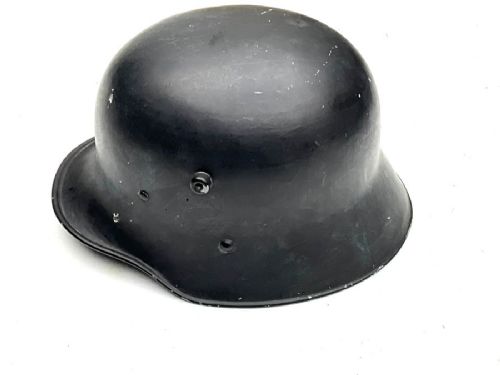
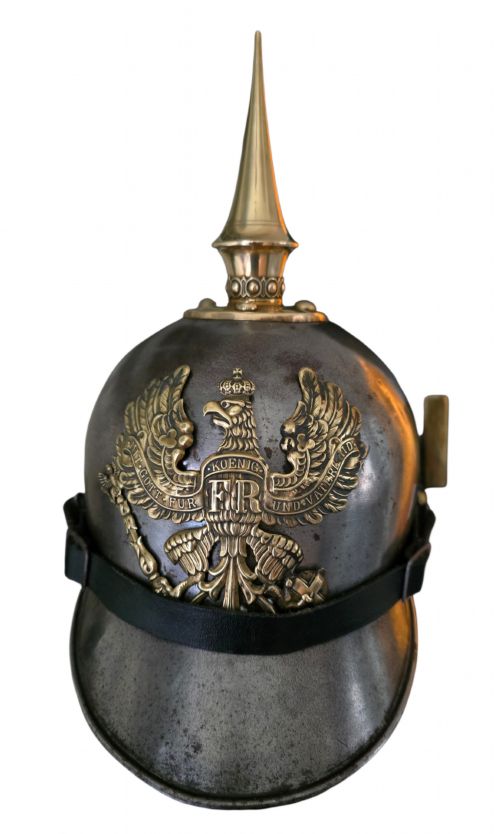
These pieces of ww1 german headgear bring home the weighty history of Imperial military service through surviving helmets and spiked pickelhaubes.
Ww1 German Headgear
When you search for ww1 german headgear, you find military helmets from the Imperial German era, spanning the Kaiserreich period, the nineteenth century, and the nineteen-tens. These military headgear examples include standard soldiers helmets and officers variants from the First World War and earlier model years.
The most common version you meet on this page is the Prussian pickelhaube, alongside other military helmets made for infantry and pionier-bataillon units. Their origins trace to Imperial German military supply lines, retaining the distinct spiked profile associated with the era.
How they were made
Makers constructed these helmets using boiled leather, standard leather, and heavy steel, forming the rigid shells needed for military service. Artisans shaped metal and boiled leather into protective forms designed to withstand field conditions.
Workshops fitted these helmets with brass fittings, metal details, and painted finishes to denote specific ranks and regiments. The combination of leather bodies and brass or metal hardware defined the standard manufacturing approach of the period.
The listings on this site feature Imperial German pieces utilising steel, brass, felt, and boiled leather across military helmet forms.
What varies in quality
The distinction between an officers helmet and an other ranks piece marks the primary division in quality, reflecting the status and personal acquisition of the wearer. Officers examples typically display finer metal appointments and more meticulous finishing across the shell and fittings.
The preservation of original boiled leather, steel, and brass elements determines the overall integrity of a piece. Differences in the retention of original paint, plate details, and structural form separate standard service items from higher grade examples.
The Ww1 German Headgear Glossary
- Kaiserreich
- The German Empire period lasting from eighteen seventy-one to nineteen eighteen. This era produced the characteristic military uniforms and helmets seen in Imperial collections.
- Boiled leather
- Leather hardened by immersion in hot water or wax, known in German as cuir bouilli. This technique created rigid, durable helmet bodies for military use.
- Brass fittings
- Metal components made from copper and zinc alloys used to adorn and reinforce military helmets. These elements include spike bases, chin scales, and frontal plates.
- Pionier-Bataillon
- A unit of military engineers within the German army. Helmets associated with these battalions often carry specific regimental markings or adaptations.
Ww1 German Headgear: Frequently Asked Questions
What is a pickelhaube?
A pickelhaube is a spiked military helmet worn by German forces during the nineteenth and early twentieth centuries.
These helmets typically feature a boiled leather or steel body fitted with metal insignia and a prominent top spike.
How do I identify officer headgear?
Officer helmets generally display finer metallic fittings, upgraded trim, and higher quality private purchase construction compared to standard issue pieces.
Inspect the hardware and interior finish to distinguish officer grade examples from other ranks variants.
What materials were used?
Manufacturers built these helmets using boiled leather, standard leather, and steel for the primary structural shells.
Brass and various metals were utilised for spikes, chin scales, and frontal eagle plates.
Which period do these date from?
The pieces span the nineteenth century, the Kaiserreich period, and the nineteen-tens up through the First World War.
Dates range from model nineteenth-ninety-five specifications through wartime production ending in nineteen eighteen.
How should I display them?
Keep these helmets away from direct sunlight and fluctuating humidity to protect the organic leather and painted surfaces.
Support the internal structure properly to prevent distortion of the leather shell over time.