
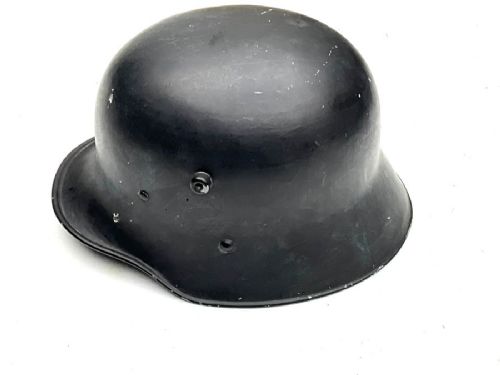
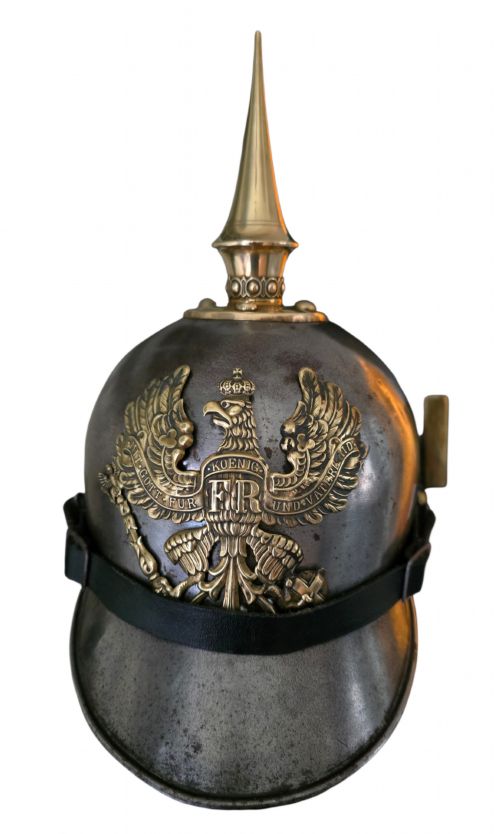


Ww1 German Military Helmet
These ww1 german military helmet pieces span the imperial era, offering authentic steel and boiled leather headgear from the kaiserreich period.
Ww1 German Military Helmet
When you search for a ww1 german military helmet, you are looking at military headgear from the imperial german and kaiserreich periods. The pieces on this page primarily take the form of pickelhaube helmets dating from the nineteenth century up to nineteen ten.
You will encounter both other ranks and officers examples among the listings. These military helmets originate from the first world war era and the preceding decades.
How they were made
Makers utilised steel and boiled leather to form the core structure of these military helmets. These primary materials provided durability for soldiers in the field.
Brass fittings and paint finish the construction of the headgear, often accompanied by interior felt and leather components. Metal elements secure the spikes and plates characteristic of the imperial style.
Listings span periods from the nineteenth century to nineteen ten, featuring steel, brass, felt, and boiled leather materials.
What varies in quality
The distinction between standard other ranks pieces and officers examples dictates much of the variation across these military helmets. Officers versions incorporate finer detailing and distinct metal fittings compared to standard issue gear.
The preservation of original paint on the steel or boiled leather surfaces influences the integrity of each helmet. Complete metal fittings and intact interior elements further differentiate the examples.
The Ww1 German Military Helmet Glossary
- Pickelhaube
- A spiked helmet worn by German military, firefighters and police in the nineteenth and twentieth centuries. Most commonly associated with the Prussian army and imperial forces.
- Kaiserreich
- The German Empire period spanning from eighteen seventy-one to nineteen eighteen. Items from this era carry distinct imperial German styling.
- Boiled leather
- Leather hardened by immersion in hot water or wax, known in German as vips. This material formed the lightweight body of many early military helmets.
- Other ranks
- Military personnel below commissioned officer rank. Helmets made for these soldiers typically feature simpler brass fittings than officer variants.
Ww1 German Military Helmet: Frequently Asked Questions
What is a pickelhaube?
A pickelhaube is a spiked military helmet used by the German army during the imperial period. It serves as the primary form of headgear found in these listings.
These helmets were worn by infantry, officers and specialised units such as pionier battalions. The design evolved through the nineteenth century into the first world war.
How do I identify imperial german helmets?
Imperial German helmets feature distinct elements like metal spikes, front plates, and brass fittings. The materials span steel, boiled leather, and painted metal.
Looking at the construction helps place the piece within the nineteenth century or nineteen ten periods. Officers variants often display finer appointments than standard soldiers gear.
What materials were used?
Manufacturers built these helmets using steel, boiled leather, and metal components. Interior elements incorporate leather and felt for wear.
Brass fittings adorn the exterior alongside painted surfaces. Each material served a specific structural or decorative purpose on the military headgear.
Were these worn in combat?
Military helmets from this search phrase saw service during the first world war and the preceding imperial era. They were standard issue for German soldiers and officers.
Over time, the forms adapted from nineteenth century patterns into the steel designs of nineteen ten. Infantry and specialised battalions utilised these types in the field.