


Wrought Iron Double Bed
A wrought iron double bed brings enduring nineteenth-century character and robust metalwork to a bedroom.
Wrought Iron Double Bed
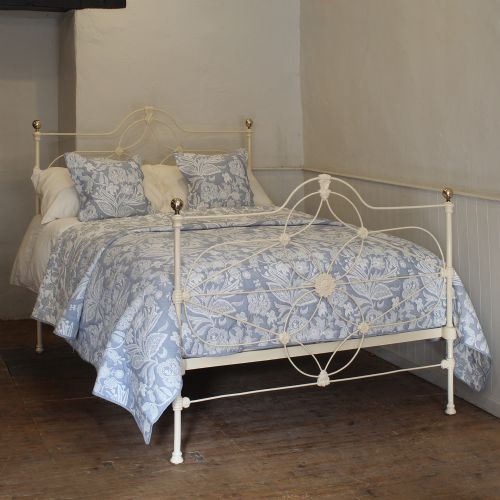
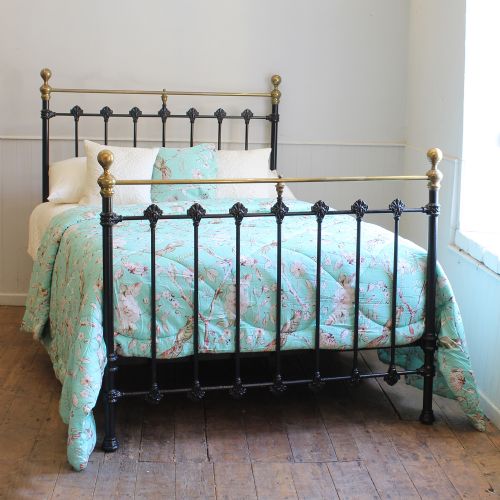
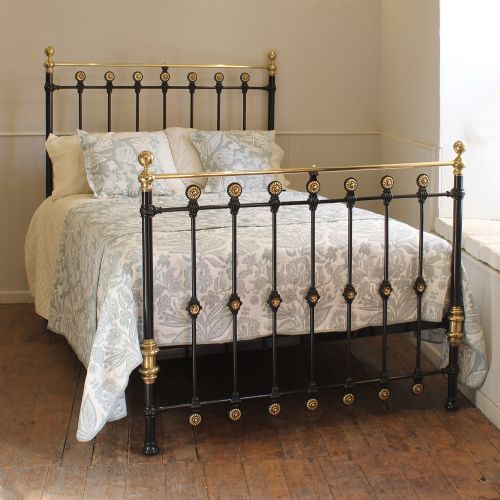
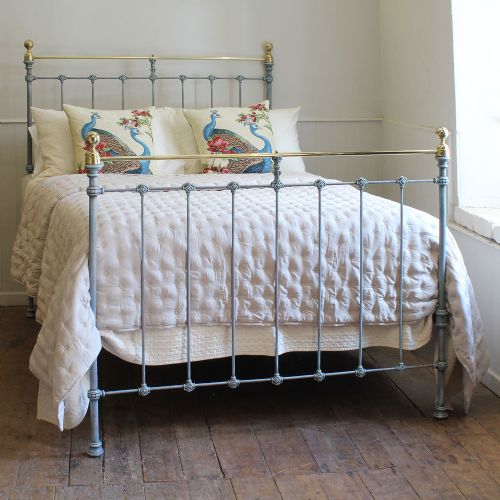
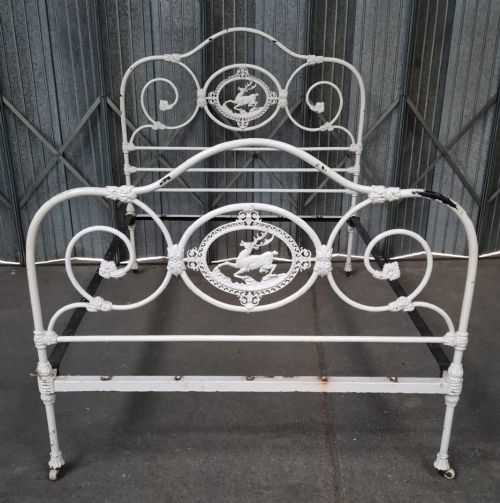
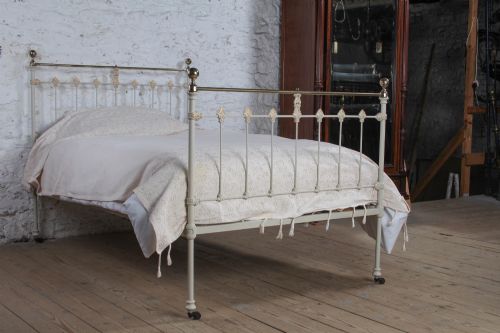
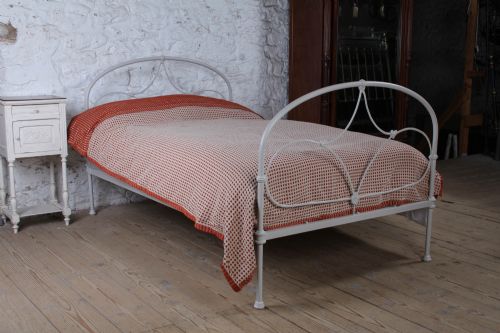
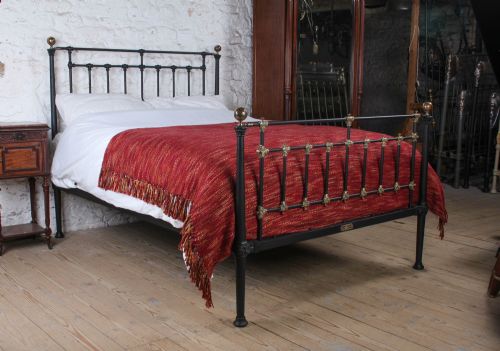
When you search for a wrought iron double bed, you are looking at nineteenth-century metal bedframes designed for two sleepers, encompassing styles from the Victorian period through to nineteen hundred. These pieces range from simple, utilitarian frameworks to highly decorative constructions featuring scrolled ends, brass mounts, and painted finishes in black, white, and cream.
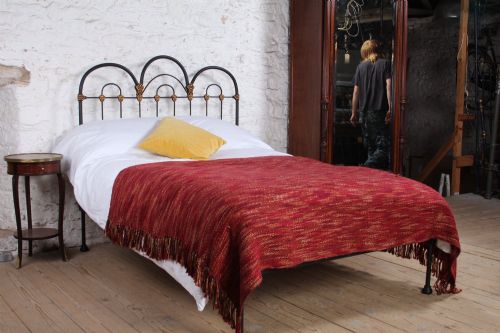
The versions you are most likely to meet on this page span the Victorian era alongside French Country and Celtic Revival aesthetics, including Irish variants and no-end bedsteads. They utilise combinations of forged iron, cast iron, and brass to achieve both structural rigidity and ornamental detail.
The form encompasses standard double sizes alongside small doubles, three-quarter queen sizes, and occasional variations with tapered posts or three hoop configurations. Each piece reflects the nineteenth-century shift towards durable metal bedroom furniture that combined industrial manufacturing with domestic comfort.
What varies in quality
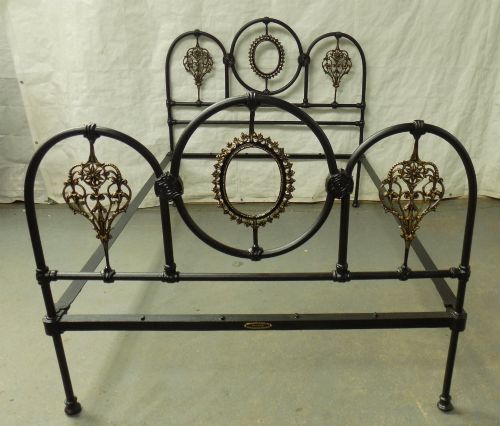
The distinction between standard and superior pieces rests on the complexity and crispness of the metal shaping, such as intricately detailed curly ironwork, shaped Victorian frames, and the integration of brass components. Heavier gauge iron and more elaborate joinery separate utilitarian frames from decorative examples designed as principal bedroom furniture.
Preservation of the original surface finish, whether painted in black, white, or cream, influences the character of the piece, alongside the structural integrity of the rails and the precise casting of decorative mounts.
Wrought Iron Double Bed Retail Price Guide 2026
Typical asking prices for wrought iron double bed among the pieces listed under this phrase on Sellingantiques today, from the lower quarter to the upper quarter. They describe what is for sale here now, not the wider market.
Several beds omit the footboard entirely, offering relief for tall sleepers who previously kicked against nineteenth-century iron scrolls.
Winfield
The Wrought Iron Double Bed Glossary
- Bedstead
- A framework of a bed supporting the mattress and springs. In nineteenth-century pieces, this often includes integrated headboards and footboards joined by side rails.
- Wrought iron
- Iron that has been heated and worked with tools, known for its fibrous structure and toughness. It contrasts with brittle cast iron by possessing greater tensile strength.
- Cast iron
- Iron poured into a mould to shape it, frequently utilised for decorative bed ornamentation and structural joints. It allowed makers to produce repetitive, ornate motifs economically.
- No end bed
- A bedstead lacking a high footboard, presenting a uniform or low profile at the base. This design was particularly useful for smaller bedrooms.
- Celtic Revival
- A nineteenth-century artistic movement incorporating ancient Celtic motifs and patterns into decorative arts. In bedframes, this appears as distinctive regional Irish styling.
Wrought Iron Double Bed: Frequently Asked Questions
What size is an antique double bed?
Nineteenth-century double beds vary slightly from modern standard mattress sizes, often requiring careful measurement of the internal frame before purchasing a mattress. They were built to accommodate two sleepers according to the domestic standards of the Victorian era.
Because frame dimensions differ across French, Irish, and English examples, checking the exact width between the side rails ensures modern bedding fits correctly.
How do I care for a painted iron bed?
Maintaining painted iron surfaces involves gentle dusting with a dry cloth and avoiding harsh chemical cleaning agents that might degrade nineteenth-century paintwork. Keeping the metal away from damp environments prevents rust from forming beneath the paint.
If minor touch-ups are necessary, selecting paints that match the original black, white, or cream finish preserves the historic appearance of the frame.
Are these beds easy to assemble?
Most period iron bedsteads utilise wedge-fit side rails and slotted joints that slot together without requiring modern metal screws. This system allowed nineteenth-century households to dismantle and move furniture easily between rooms.
Checking that all original iron wedges and fixing slots are present ensures the assembled frame remains rigid and square.
How do I date a Victorian iron bed?
Dating relies on stylistic clues, such as the transition from simple straight rails in earlier Victorian pieces to ornate curly ironwork and brass combinations towards the end of the century. Documentation or registration marks on the iron components can sometimes narrow down the decade of production.
Comparing the complexity of the brass mounts and the presence of stylistic influences like Celtic Revival also helps establish the period of manufacture.