


Black Metal Double Bed
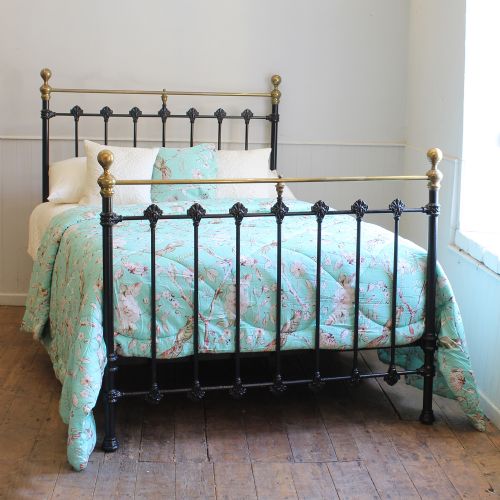
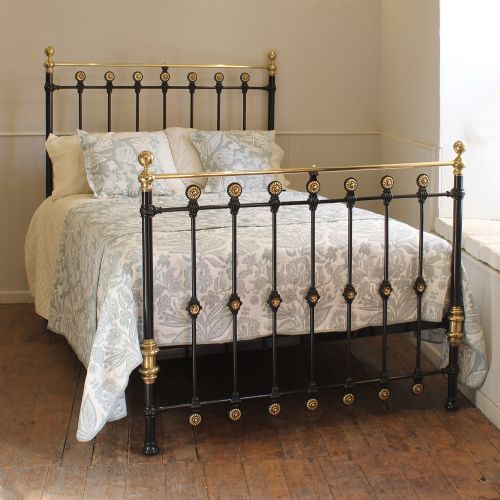
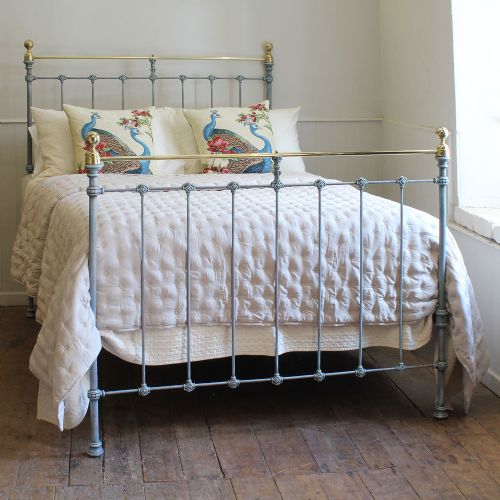
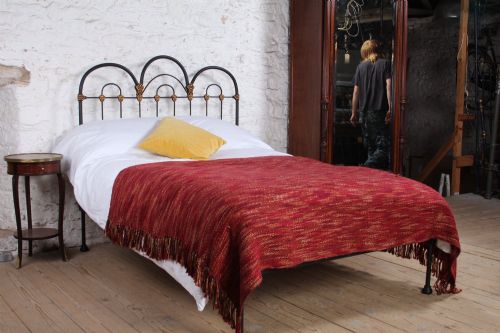
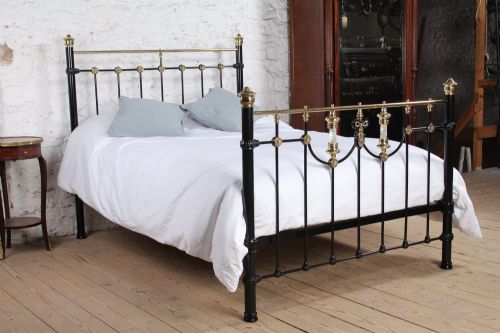
These black metal double bed designs bring genuine nineteenth-century character and sturdy construction into a modern bedroom.
Black Metal Double Bed
When you search for a black metal double bed, you encounter nineteenth-century sleeping frames primarily constructed from cast iron, wrought iron, and brass. These pieces span periods from the 1860s through to the Edwardian era, offering robust proportions and historic presence.
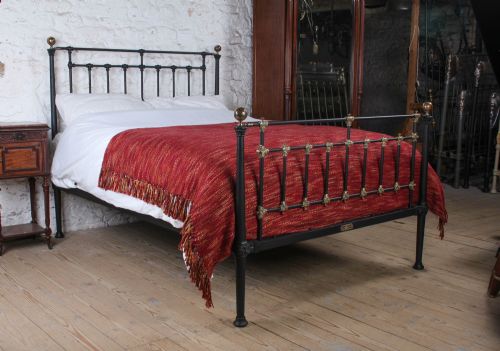
You are most likely to meet classic Victorian and Edwardian examples featuring dark painted metalwork, often paired with contrasting brass rails or finials. Forms range from ornate curly iron bedsteads to straight rail designs and French styles.
How they were made
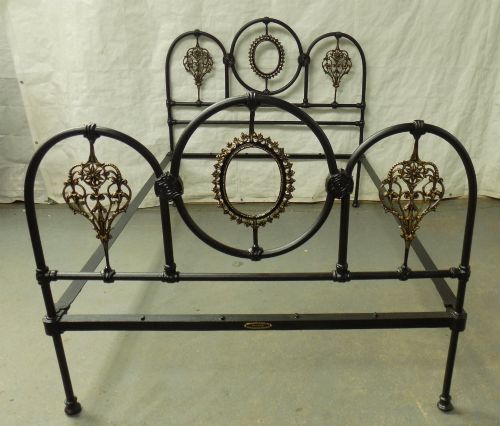
The construction relies on heavy cast iron and wrought iron frameworks that provide structural longevity. Metal components are frequently joined with decorative brass elements, and some specialised pieces incorporate inlaid mother of pearl details.
Makers utilised traditional casting and forging techniques to achieve the intricate scrolls, tapered posts, and decorative details seen on Victorian and Edwardian bed frames. The durable dark finishes applied to the iron structures have endured through generations of use.
What varies in quality
Quality rests in the complexity of the ironwork and the crispness of any decorative brass casting. Simpler straight rail designs differ significantly from elaborately styled pieces featuring detailed scrolls and multiple hoops.
The integrity of the original joints and the preservation of the painted and polished surfaces distinguish finer examples. The presence of maker attributions or unusual decorative flourishes elevates certain frames above standard production.
Maple & Co.·Winfield
The Black Metal Double Bed Glossary
- Bedstead
- A framework of a bed upon which the mattress is supported. This term frequently appears alongside iron and brass frames from the Victorian period.
- Cast iron
- A hard, relatively brittle alloy of iron and carbon that can be readily cast in a mould. It forms the heavy structural core of nineteenth-century frames.
- Wrought iron
- Iron that has been forged rather than cast, offering greater tensile strength. It appears in structural components and decorative scrollwork.
- Brass
- A yellow alloy of copper and zinc used for decorative rails, knobs, and finials. It provides a bright contrast against the dark iron framework.
Black Metal Double Bed: Frequently Asked Questions
Will a standard modern mattress fit?
Historic frames often vary slightly from contemporary standard sizing due to nineteenth-century manufacturing tolerances. Checking the internal dimensions carefully ensures your mattress will rest properly within the side rails.
Adjustment or custom support slats may be necessary to accommodate modern mattress depths securely.
How do I assemble an antique metal bed?
These beds typically utilise heavy tapered iron side rails that slot directly into cast dovetail joints on the headboard and footboard. Securing the frame requires tapping the joints firmly into place with a mallet to ensure structural rigidity.
Once the side rails are locked, cross slats are laid across to support the sleeping surface.
How do I clean the metal frame?
Dust the iron and brass surfaces regularly with a soft, dry cloth to prevent the accumulation of grime. Avoid harsh chemical cleaners that can strip the dark finish on the iron or damage polished brass.
A light application of appropriate metal polish on brass elements maintains their lustre without affecting the surrounding paintwork.
How do I date a Victorian iron bed?
Dating relies on observing stylistic markers, such as the complexity of the iron scrollwork and the presence of brass mounts or mother of pearl inlay. Pieces from the 1860s often display robust Victorian proportions, while 1910 Edwardian examples may show refined French influences.
Maker stamps or registration numbers stamped into the iron components also provide precise chronological clues.