
Woven Wool Wall Textile
A woven wool wall textile brings centuries of nomadic and European craftsmanship into an interior, offering tactile depth and historic narrative.
Woven Wool Wall Textile
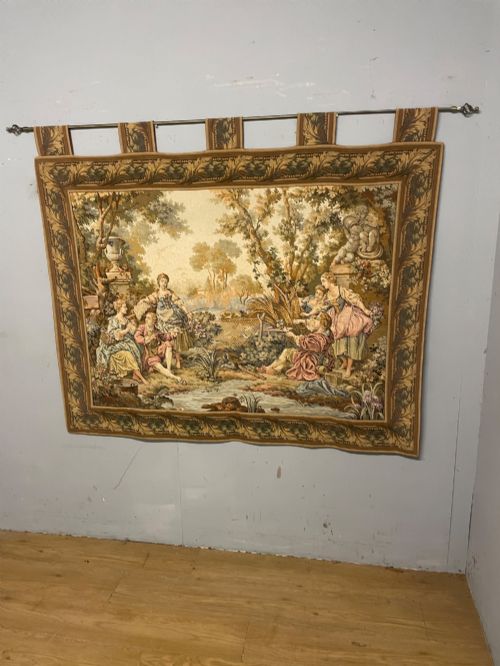
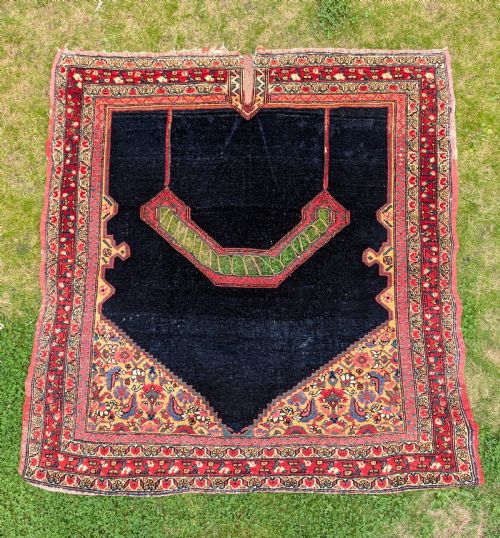
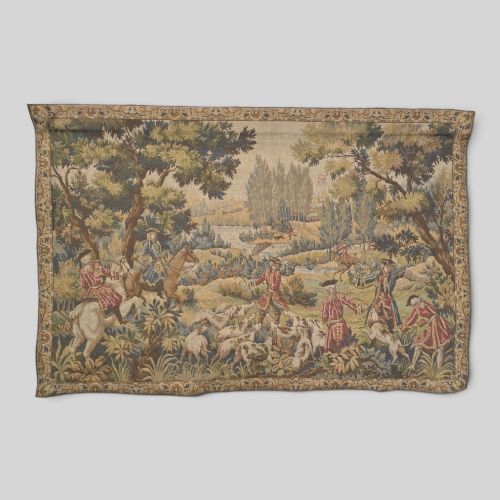
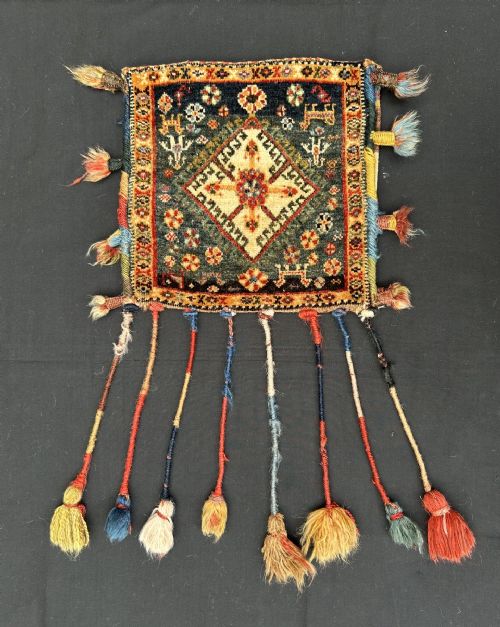
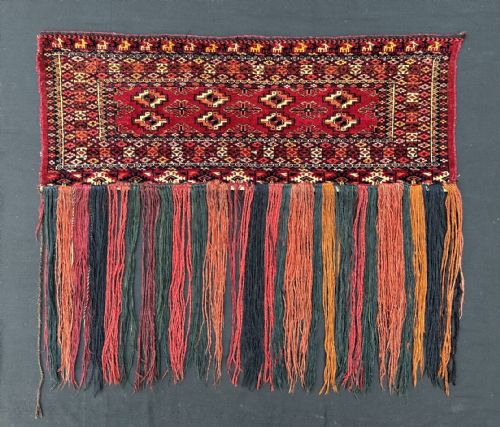
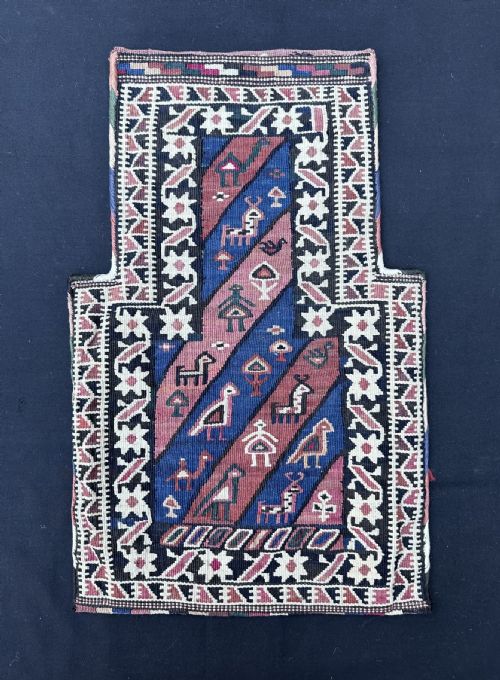
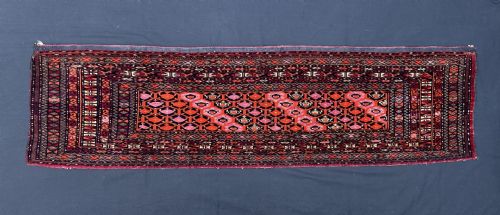
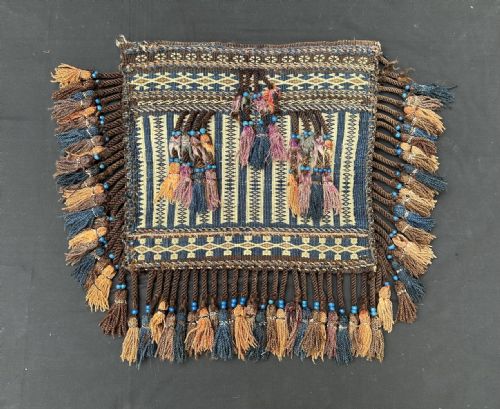
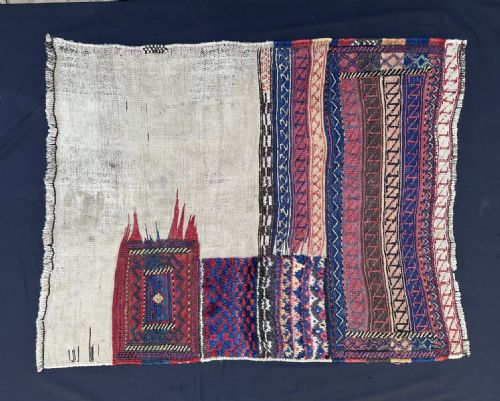
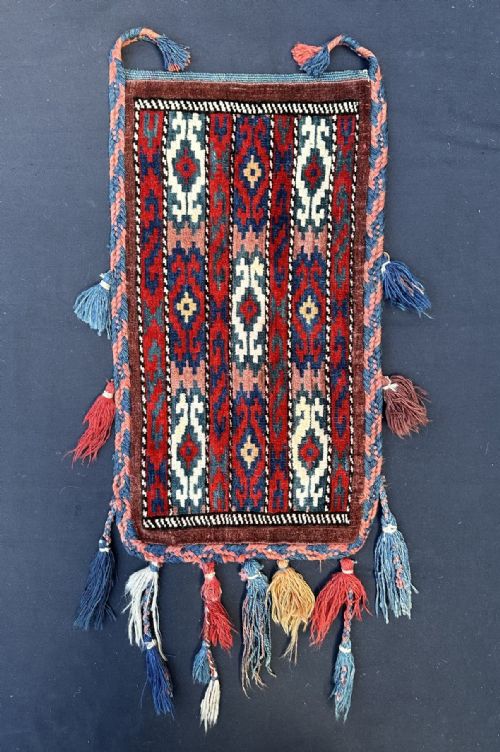
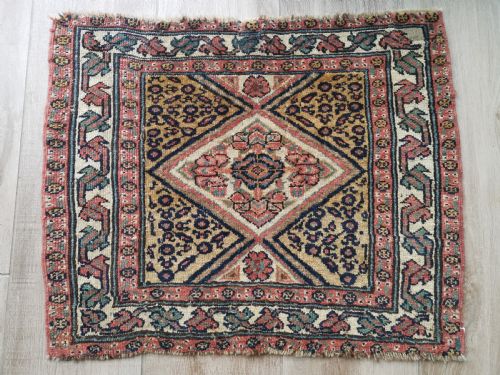
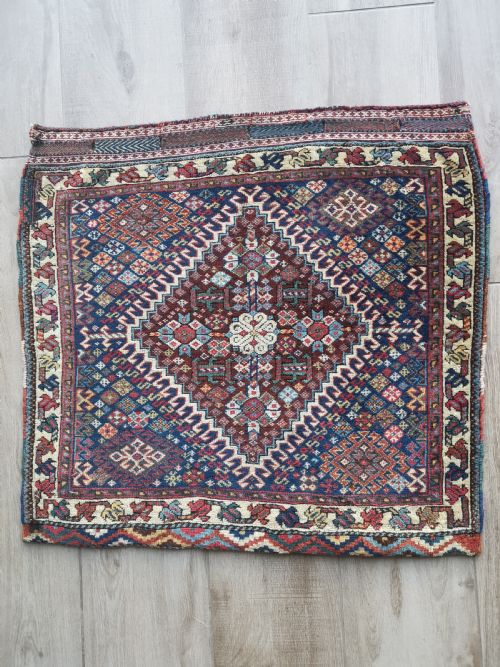
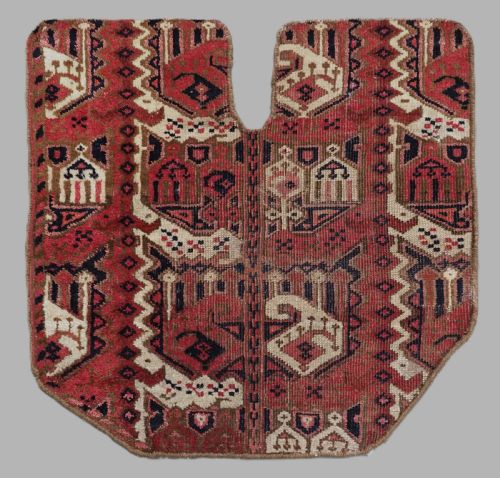
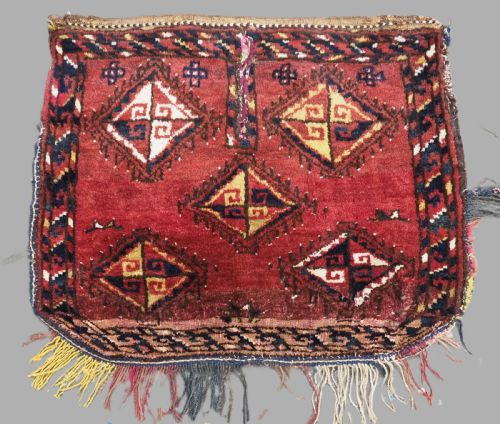
A woven wool wall textile encompasses a diverse group of historical hangings, ranging from large European verdure tapestries to tribal bagfaces and saddle covers originating from Persia, Central Asia, and beyond. When exploring this selection, buyers encounter functional objects repurposed for display, such as horse covers, asmalyks, and utilitarian storage bags alongside room-scale French and Romanian tapestries.
The objects span from the nineteenth century into earlier periods, reflecting distinct regional aesthetics from Turkmen oases, French weaving centres, and Persian nomadic confederacies. Common formats include rectangular wall hangings, mounted fragments, and square bagfaces that showcase complex tribal iconography and botanical motifs.
Materials and Construction Techniques
These textiles rely predominantly on wool, hand-spun wool, and cotton foundations, often enriched with supplementary materials such as silk, linen, glass beads, and cowrie shells for decorative emphasis. Natural dyes provide the enduring palette observed across both tribal items and European needlework.
Weaving techniques vary by origin, encompassing warp-faced tribal flatweaves, intricate knotting, and traditional European tapestry looms. Certain pieces incorporate mounting onto linen backings or incorporate original tassels and structural borders to preserve integrity.
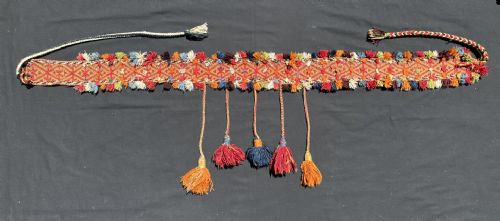
Nomadic brides relied on camel trappings so densely decorated with wool and beads that the camels must have felt like moving art galleries.
Determinants of Quality and Execution
Quality rests upon the precision of the weave, the complexity of the design, and the vibrancy or depth achieved through natural dyes. Finer examples display tight, even structures and intricate pictorial or geometric layouts that demand exceptional technical skill from the maker.
The preservation of original elements, such as borders, tassels, and specific material embellishments like cowrie shells or glass beads, elevates the standing of a piece. Authenticity of regional attribution and the clarity of narrative or tribal motifs further distinguish superior specimens.
The Woven Wool Wall Textile Glossary
- Asmalyk
- A pentagonal or triangular trapping produced by Yomut and other Turkmen tribes, traditionally hung on the flank of a bride's camel during wedding processions.
- Verdure Tapestry
- A European wall hanging featuring a stylized forest or garden landscape, typically dominated by foliage and trees.
- Bagface
- The decorated front panel of a nomadic storage sack, separated from its plain back and preserved for its intricate geometric or pictorial design.
- Mille-Fleurs
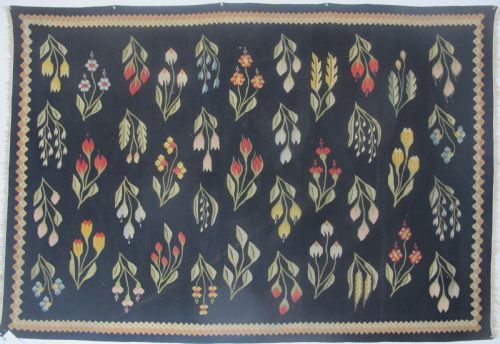
- A background style of countless small flowers and plants characteristic of late medieval and Renaissance tapestries.
- Flatweave
- A textile produced without knotted piles by interweaving warp and weft threads directly.
Woven Wool Wall Textile: Frequently Asked Questions
How were these textiles used originally?
Nomadic groups utilised many of these items as functional storage bags, saddle covers, animal trappings, and ceremonial horse blankets during daily life or weddings. European pieces functioned primarily as wall insulation and decorative statements in grand interiors.
Over time, many smaller bags and covers were separated from their original utilitarian contexts. Today, they are mounted and displayed on walls to preserve their artistic and historic value.
How do I care for a textile on the wall?
Displaying these textiles requires avoiding direct, strong sunlight to protect natural wool fibres and natural dyes from fading. Gentle support along the entire upper edge prevents distortion of the weave over time.
Periodic inspection for dust and careful, low-suction cleaning through a protective mesh helps maintain the condition. Keeping the hanging away from high-moisture environments ensures the wool and linen components remain stable.
How can I distinguish tribal origins?
Distinguishing origins involves studying the specific geometric vocabulary, border arrangements, and colour palettes associated with groups such as the Yomut, Qashqai, or Baluch. Turkmen pieces often feature distinct guls and deep red tones, whereas Persian nomadic bags display diverse tribal field patterns.
Materials also provide clues, as certain regional workshops or nomadic confederacies utilised particular blends of hand-spun wool, cotton, or decorative additions like cowrie shells. Comparing structural traits helps narrow down the probable geographic source.