

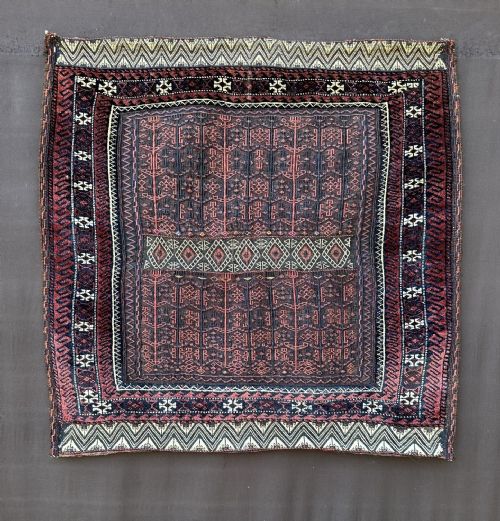
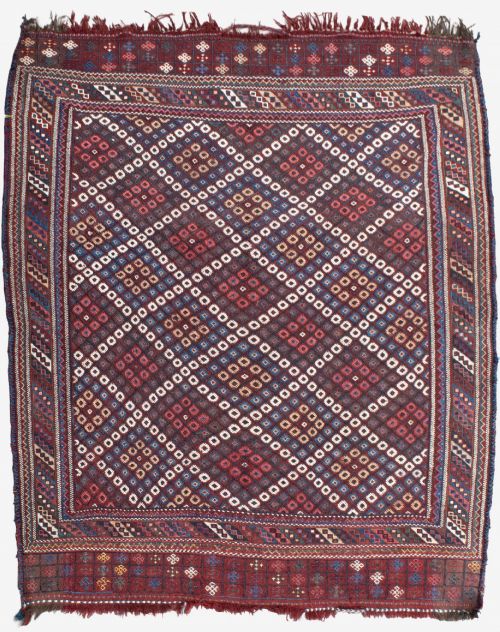

Woven Wool Tribal Mat
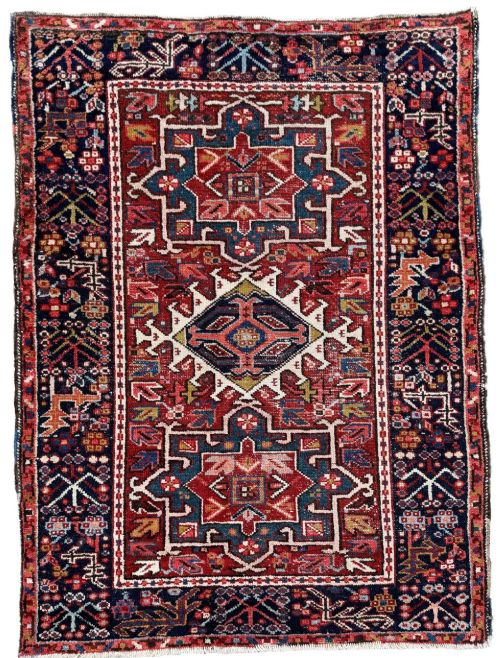
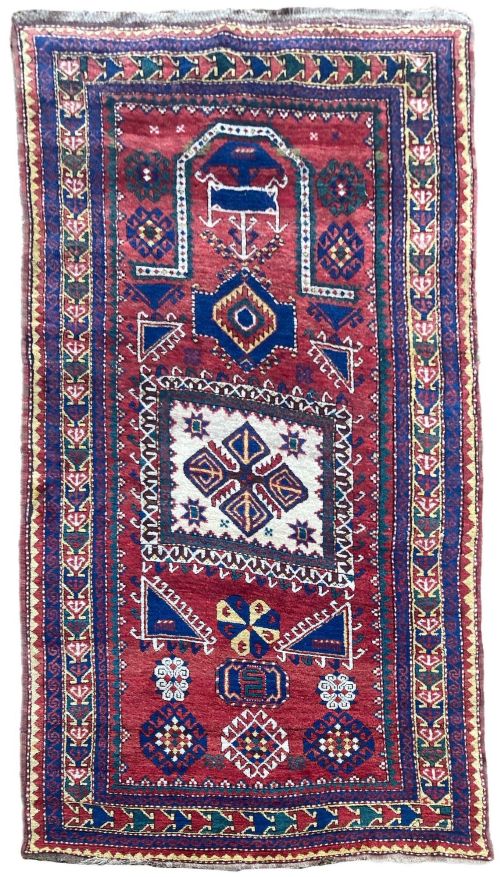
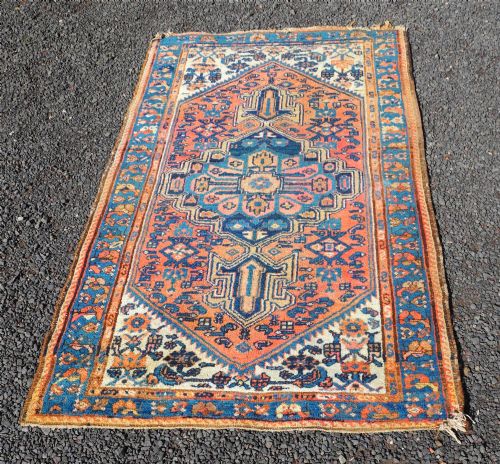
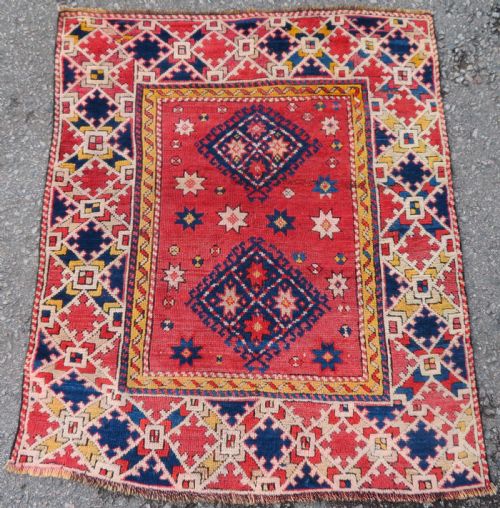
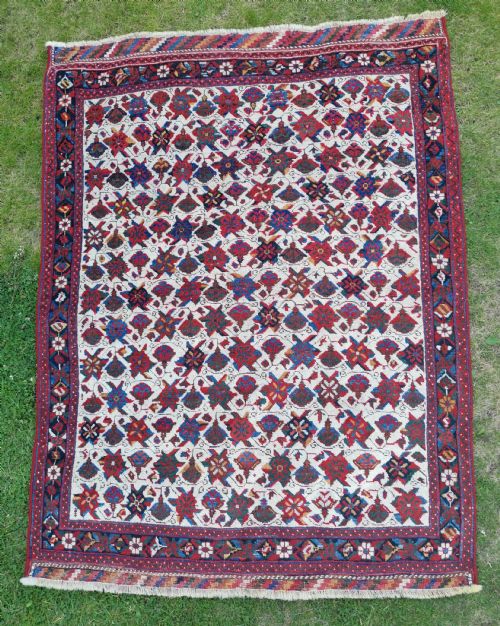
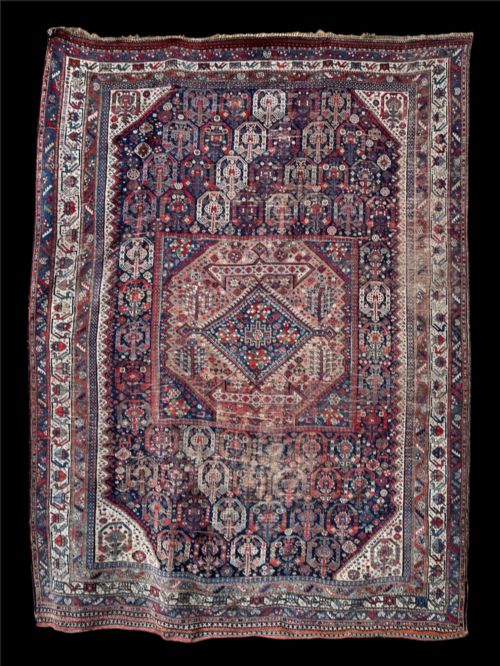
These woven wool tribal mat selections encompass nomadic and village weavings created across Persia, the Caucasus, and Central Asia.
Woven Wool Tribal Mat
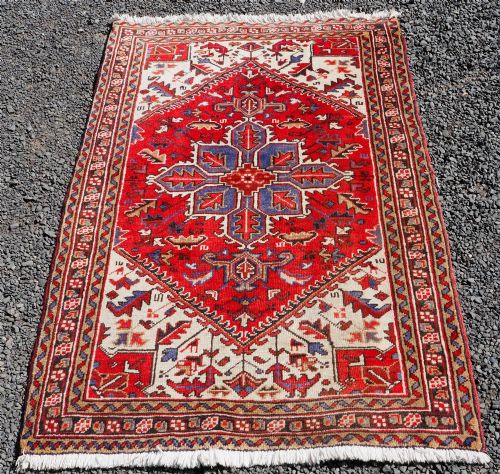
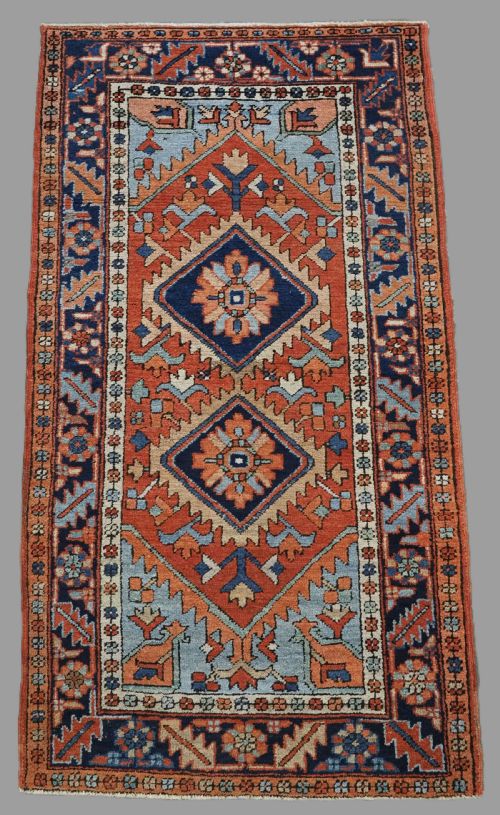
When searching for a woven wool tribal mat, buyers encounter practical domestic floor coverings and utilitarian items produced by village and nomadic communities. The selection spans distinct regional groups including Persian, Caucasian, Turkmen, and Anatolian makers.
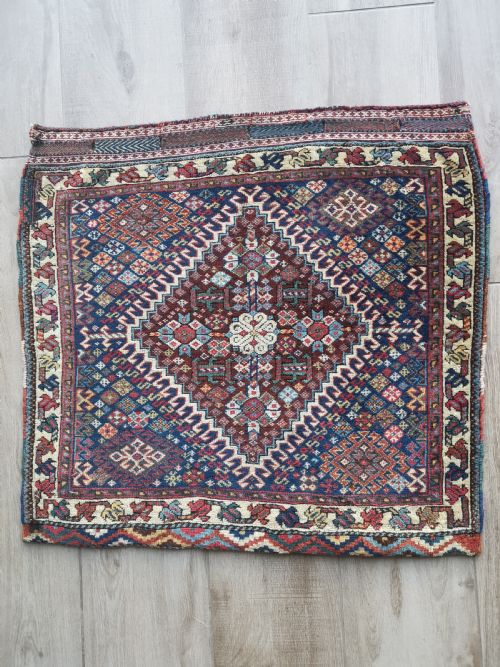
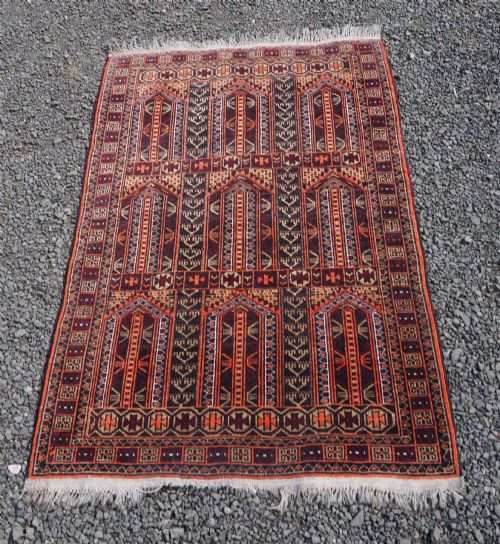
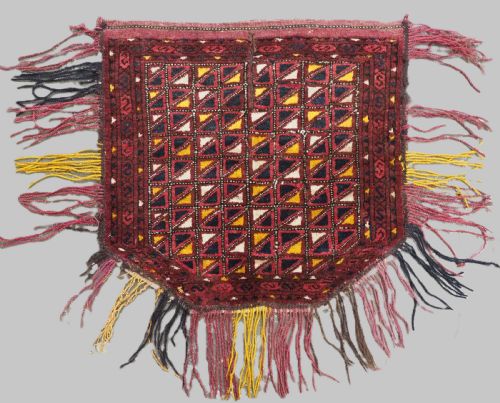
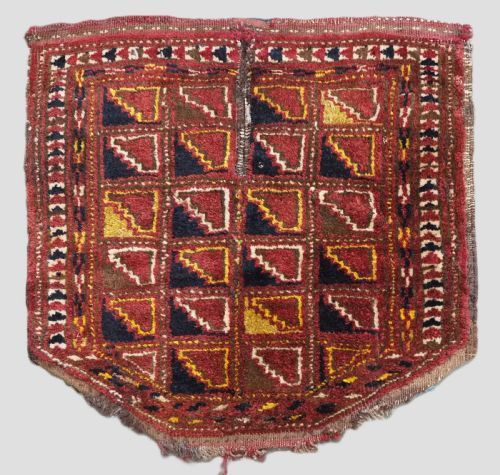
The pieces on this page appear in various functional formats, ranging from full main carpets and hallway runners down to smaller bagfaces, saddle covers, torbas, and bread sofrehs. Dating primarily from the nineteenth and early twentieth centuries, these textiles reflect traditional village life and nomadic movement.
Smaller formats such as prayer rugs and yastics sit alongside larger area rugs and nomadic weavings. Each piece carries geometric motifs and tribal designs specific to its origin, whether from the Khamseh confederacy, Afshar nomads, or Yomut Turkmen weavers.
How They Were Made
These textiles are constructed primarily from wool and hand-spun wool, frequently paired with cotton foundations. Natural dyes provide the palette for the geometric and pictorial patterns woven across each surface.
Weavers utilised traditional upright or horizontal looms to construct these rugs and bags by hand. The integration of wool and hand-spun materials ensured durability for daily domestic use in nomadic tents and village homes.
Periods represented across the inventory span the nineteenth century through to the nineteen-thirties.
What Varies in Quality
Quality in these tribal weavings rests upon the precision of the knotting and the handling of the wool. Finer hand-spun wool yields a more tactile surface that wears evenly over generations.
The depth and brilliance of natural dyes distinguish superior examples from standard production. Complex execution of traditional guls and regional motifs also sets exceptional pieces apart.
The Woven Wool Tribal Mat Glossary
- Sofreh
- A flatwoven spread or cloth used for kneading dough, resting bread, or serving meals in nomadic households. These textiles often feature striking geometric fields.
- Torba
- A small storage bag or wall hanging produced by Turkmen tribes. They typically display characteristic guls and tribal emblems across the face.
- Gul
- A medallion or repeating octagonal motif used extensively in Turkmen and Central Asian tribal weaving. Each design often identifies a specific tribe or clan.
- Prayer Rug
- A textile featuring a distinct mihrab or niche design at one end, oriented towards Mecca during daily prayers. These pieces were utilised for personal devotion in village and nomadic settings.
- Yastic
- A small traditional pillow or cushion cover originating from Anatolian and regional weaving traditions. They generally display compact geometric compositions.
Woven Wool Tribal Mat: Frequently Asked Questions
What is a tribal mat?
A tribal mat is a hand-woven wool textile produced by nomadic or village weavers for domestic utility, ground cover, or storage.
These pieces utilise traditional regional patterns and natural dyes unique to the producing group.
How were these rugs used?
Nomadic families utilised these woven wool pieces as floor coverings, saddle bags, bread cloths, and seating cushions.
Items like sofrehs and torbas served specific daily functions within the tent or village household before becoming collectable items.
Where do these pieces originate?
The pieces originate across Persia, the Caucasus, Anatolia, and Central Asia, reflecting distinct regional weaving traditions.
Groups such as the Afshar, Yomut, Ersari, and Khamseh each developed characteristic designs and colour palettes.
How do I care for a wool rug?
Care for antique wool textiles involves gentle vacuuming without a rotating brush and professional cleaning when necessary.
Keeping the piece away from direct sunlight preserves the natural dyes and integrity of the hand-spun wool.