


Traditional Gul Pattern Rug
A traditional gul pattern rug brings geometric Central Asian history into your room, offering distinct tribal motifs woven by nomadic weavers.
Traditional Gul Pattern Rug
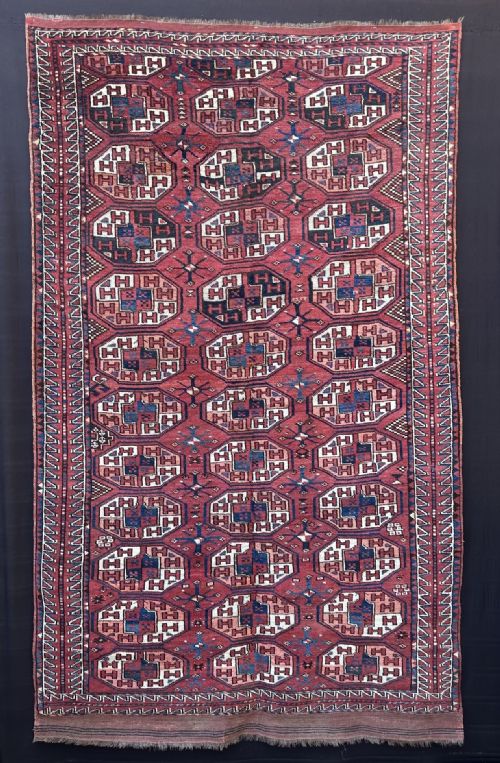
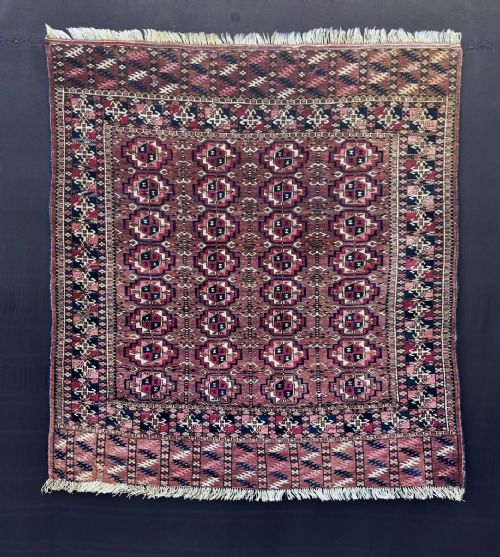
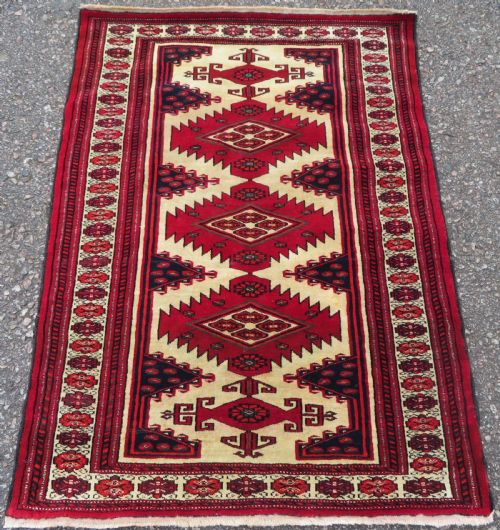
When you search for a traditional gul pattern rug, you find woven floor coverings originating from Central Asia and Afghanistan. These pieces display repeating octagonal or medallion motifs known as guls, which historically identified specific tribes.
The selections available here date from the mid-nineteenth century through the early twentieth century. Most examples belong to tribal groups such as the Tekke, Ersari, Kizyl Ayak, and Yomut.
Buyers encounter formats ranging from smaller wedding and dowry rugs to large country house carpets. These floor coverings bridge decorative arts and practical domestic items.
Materials and construction
Weavers constructed these textiles predominantly using wool pile on foundations made of wool, goat hair, or horsehair. Artisans utilised hand-spun yarn to achieve durability and texture.
Colour palettes rely upon natural dyes applied to the fleece before knotting. The combination of dense wool pile and sturdy structural hairs allowed these carpets to withstand heavy daily use.
Materials recorded across the inventory include hand-spun wool, natural dyes, goat hair, and horsehair foundations.
Assessing quality in tribal carpets
Quality rests in the precision of the knotting and the crispness of the gul design. Finer specimens display tight pile control and balanced proportions across the field.
The depth and consistency of the natural dyes separate standard examples from superior ones. Better pieces retain rich tonality and structural integrity throughout the foundation.
The Traditional Gul Pattern Rug Glossary
- Gul
- A repeating octagonal medallion motif used in Central Asian tribal rugs. These shapes often denote the specific tribe or clan that produced the textile.
- Main carpet
- A large-scale floor covering woven for principal domestic use rather than as a specific utility bag or small mat. These pieces typically measure over two metres in length.
- Dowry rug
- A smaller textile woven as part of a bride's household goods. These items frequently exhibit careful craftsmanship and specific symbolic designs.
- Foundation
- The underlying structure of warp and weft threads that holds the wool pile. Makers utilised wool, goat hair, and horsehair for this structural grid.
Traditional Gul Pattern Rug: Frequently Asked Questions
How do I identify different tribal gul designs?
Tribal designs vary by the specific geometry and repetition of the octagonal gul motifs used across the field. Different groups such as the Tekke or Ersari developed distinct scales and secondary ornaments.
Studying the border patterns and overall colour saturation also helps distinguish one Central Asian weaving group from another.
Where were these carpets originally made?
These floor coverings originated in Central Asia, including regions across Turkmenistan and northern Afghanistan. Nomadic and village weavers produced them within specific tribal territories.
Many pieces reflect the traditional aesthetics of the Emirate of Bukhara and surrounding nomadic confederations.
Can I place an old rug in a high traffic area?
Many of these antique pieces feature durable wool piles and robust foundations made with goat hair or horsehair. They were built for demanding domestic environments.
Placing a suitable underlay underneath helps cushion the antique fibres and prevents sliding on hard floors.
How do I care for a wool tribal carpet?
Gentle vacuuming without a rotating brush roll prevents dust accumulation in the wool pile. Regular rotation ensures even exposure to light and wear.
Professional cleaning tailored to antique textiles preserves the natural dyes and structural integrity over time.