






Antique Turkoman Carpet
An antique turkoman carpet brings the rich palette and geometric tribal motifs of Central Asian weaving directly into a room.
Antique Turkoman Carpet
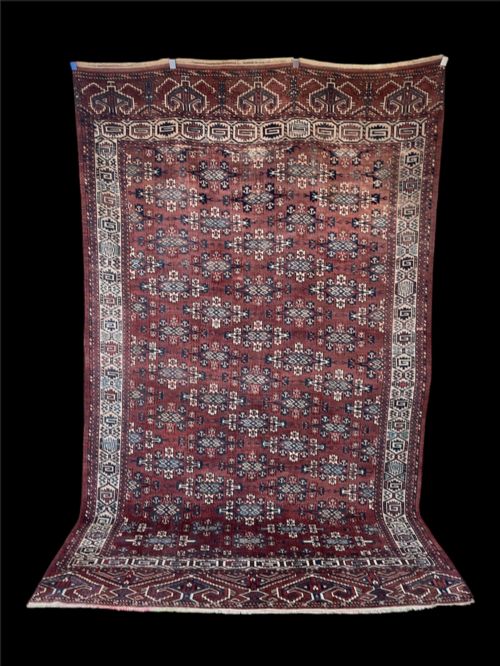
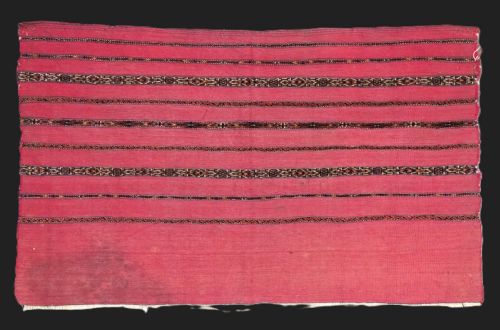
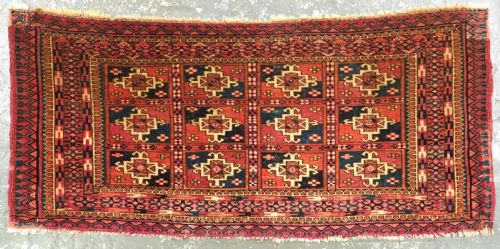
An antique turkoman carpet encompasses traditional Central Asian tribal weaving, ranging from large room-size carpets down to smaller utility pieces like chuval faces and tent bands. The examples available here span the nineteenth and early twentieth centuries, bringing authentic nomadic artistry into domestic spaces.
The most common pieces encountered in this selection include Tekke, Yomut, and Ersari tribal rugs, often featuring distinctive guls and geometric border patterns. Buyers frequently discover dowry rugs, prayer rugs, and gallery runners originating from the region.
These textiles reflect specific tribal identities through their motifs and structure, preserving the heritage of nomadic makers from periods such as the eighteen-eighties and nineteen-hundreds. Each piece functions as both a historic artefact and a durable floor covering.
Materials and construction
The foundational structure relies on wool and cotton, combined to create dense, resilient flatwoven or pile carpets. Silk highlights appear in select dowry pieces, adding subtle contrast to the primary wool fields.
Makers utilised natural dyes to achieve deep saturated colour palettes, predominantly featuring rich reds alongside secondary tones. The knotting and weave density vary according to the specific tribal group and the intended function of the textile.
Object types include prayer rugs, tent bands, dowry rugs, and gallery carpets produced by Central Asian tribal makers.
Variations in quality
The fineness of the weave and the complexity of the gul design largely determine the distinction between standard tribal work and exceptional masterpieces. Pieces featuring silk highlights or uncommon structural variations represent the higher end of the range.
The preservation of natural dye vibrancy and the integrity of the pile across the field separate well-kept examples from heavily worn specimens. Completeness in border details and tribal motifs also influences the standing of individual rugs.
Tekke Turkmen·Yomut Turkmen·Ersari Turkoman·Salor Saryk·Karakalpak Tribal
The Antique Turkoman Carpet Glossary
- Gul
- A repeating primary octagonal medallion motif characteristic of Central Asian tribal rugs. Different tribes utilised distinct gul patterns for identification.
- Chuval
- A large storage bag face produced by nomadic tribes, which survives in collections as a decorative wall hanging or small rug. These items display intricate secondary guls.
- Mafrash
- A smaller storage sack face used within nomadic tents for bedding or possessions. They share the dense geometric knotting of larger carpets.
- Tent band
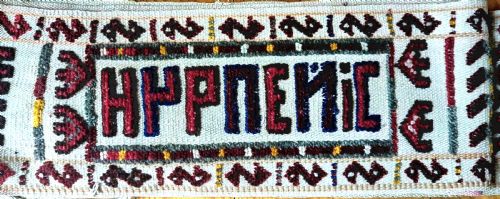
- A long, narrow woven strip used structurally and decoratively within a yurt or tent. Surviving examples demonstrate specialised flatwoven techniques.
- Beshir
- A sub-group of carpets associated with Ersari weavers residing along the Amu Darya river basin. These feature larger-scale patterns differing from strict Tekke designs.
Antique Turkoman Carpet: Frequently Asked Questions
What is a gul on an antique turkoman carpet?
A gul is the repeating octagonal medallion motif that forms the primary pattern across the field of these Central Asian textiles. Each design typically identifies the specific tribe that produced the weaving.
These motifs carry deep cultural significance and vary significantly between Tekke, Yomut, and Ersari examples.
How do I care for an antique turkoman carpet?
Protect the wool pile by vacuuming gently without a rotating brush head and keeping the textile away from direct sunlight. Professional cleaning by a specialist in antique rugs ensures the natural dyes remain stable.
Rotating the rug periodically helps distribute foot traffic evenly across the surface.
Where were these carpets made?
Nomadic and settled tribal groups across Central Asia produced these textiles, including regions associated with the Emirate of Bukhara. Weavers worked within communities such as the Tekke and Yomut.
Each region developed distinct colour palettes and structural characteristics that define the origin of the piece.
How can I tell the age of a turkoman carpet?
Age is assessed by examining the structure, the depth and oxidation of the wool pile, and the composition of the natural dyes. Pieces originating from the nineteenth century often show softer colour maturation and finer hand-knotting.
Comparing the specific gul designs against documented historical examples also aids in dating.