





Antique Nomad Rug
When you search for an antique nomad rug, you encounter hand-woven tribal textiles created for practical daily use by pastoral groups across Persia, Central Asia, and the Caucasus.
Antique Nomad Rug
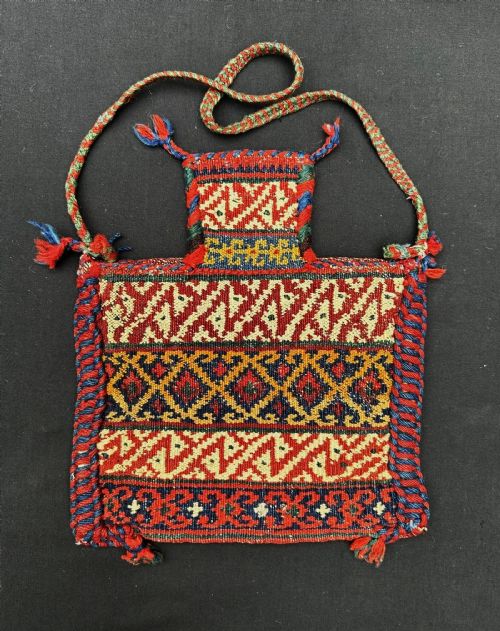
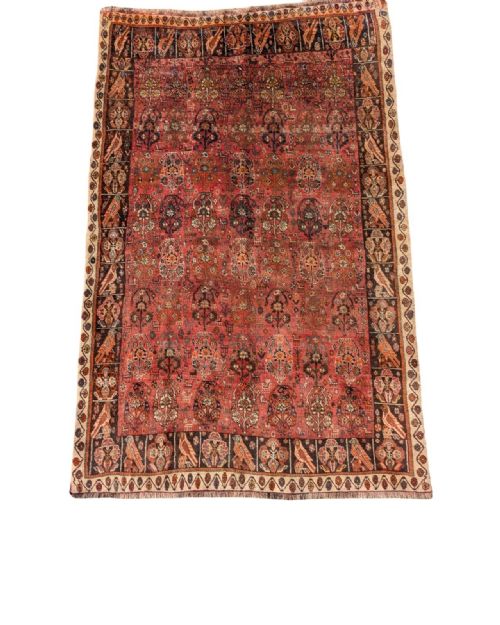
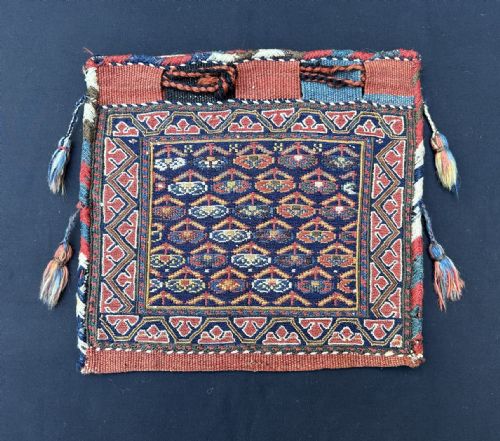
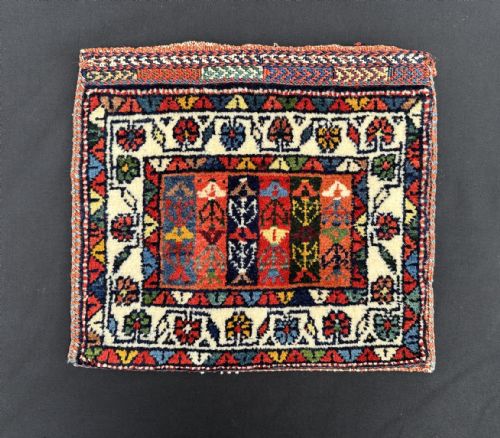
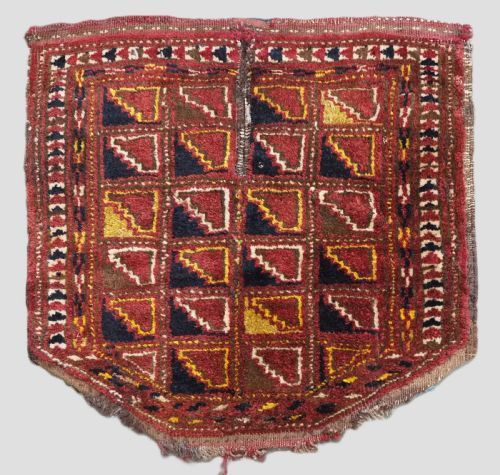
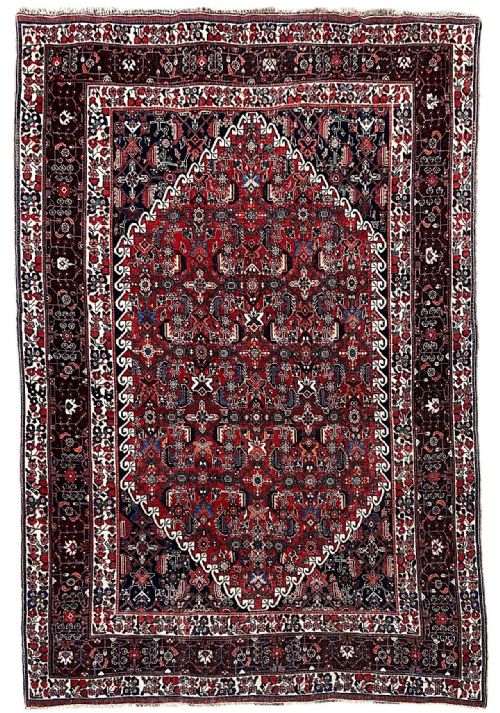
An antique nomad rug encompasses floor coverings, utilitarian bags, bread sofrehs, and animal trappings made by distinct tribal groups such as the Afshar, Shahsevan, Tekke Turkmen, and Baluch. These pieces originate from regions including southern and western Persia, Azerbaijan, and Afghanistan, dating primarily from the late nineteenth century into the early twentieth century.
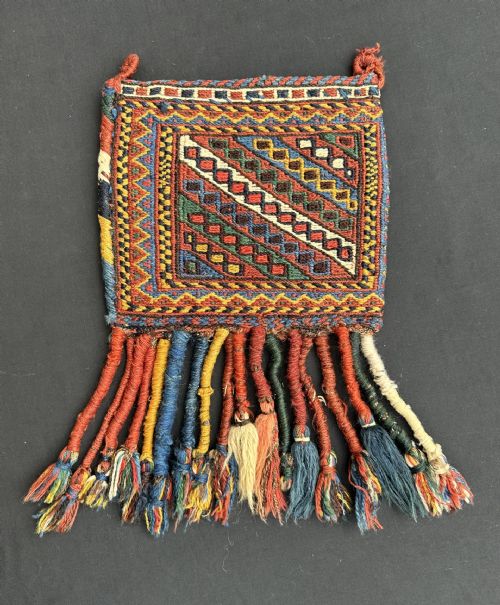
The objects served vital domestic functions within nomadic camps, functioning as storage containers, sleeping mats, or dining spreads rather than purely decorative items. Buyers frequently encounter smaller formats such as vanity bags, salt bags, torbas, and chuvals alongside room-sized carpets and long rugs.
Tribal weavers utilised traditional motifs passed down through generations, incorporating geometric patterns, animal forms, and stylised guls that identify the specific weaving group. Each piece reflects the material culture and environmental conditions of the nomadic lifestyle from which it emerged.
How They Were Made
The foundational structure relies heavily on hand-spun wool for both warp and weft, occasionally supplemented by camel wool, goat hair, and cotton foundations. Weavers employed natural dyes extracted from local plants and minerals to achieve deep reds, indigos, ivory grounds, and earthy browns.
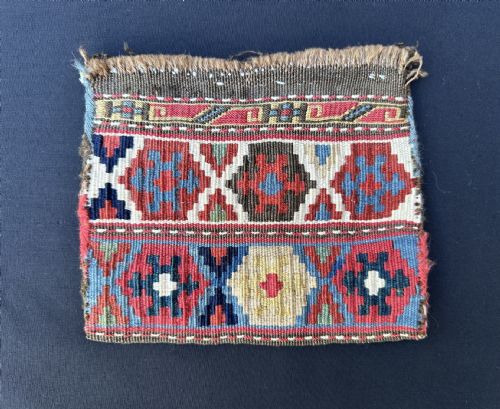
Construction techniques vary from pile weaving to flat-weave methods such as Soumak work, allowing artisans to create durable surfaces suited to the rigours of nomadic migration. Additional materials like cowrie shells sometimes appear on specific trappings for adornment.
What Varies in Quality
The standard of an antique nomad rug depends upon the handle and density of the wool, where tighter knotting and carefully prepared hand-spun materials produce a more resilient handle. Superior examples maintain rich saturation from natural dyes that age gracefully across the field.
Design clarity and the execution of intricate tribal symbols separate exceptional weaving from standard production. Well-proportioned formats with balanced borders and complete original edges demonstrate the weaver's technical proficiency and artistic intent.
The Antique Nomad Rug Glossary
- Gul
- A primary octagonal medallion or motif frequently repeated across Turkmen and Central Asian tribal weaving. These designs often identify the specific clan or tribe that produced the textile.
- Sofreh
- A spread or cloth utilised for preparing and consuming meals or handling bread within nomadic households. They are typically flat-woven and feature minimalist geometric compositions.
- Torba
- A small utilitarian wall-hanging bag used for storage inside a nomad tent. These pieces often display intricate face designs with guls and elem panels.
- Soumak
- A flat-weave technique where the coloured weft threads wrap over the warp threads in a continuous brocading style. This method creates a durable structure with a smooth face and unclipped floats on the reverse.
- Chuval
- A large storage bag produced by Turkmen nomads to hold household goods during migration. Surviving examples are frequently preserved as front panels detached from their original backs.
Antique Nomad Rug: Frequently Asked Questions
What is an antique nomad rug?
An antique nomad rug is a hand-knotted or flat-woven textile created by tribal groups for utilitarian purposes in domestic and nomadic life. These pieces include floor rugs, animal trappings, and storage bags woven from wool and dyed with natural materials.
Originating primarily from nineteenth and early twentieth-century Persia, the Caucasus, and Central Asia, these textiles reflect the distinct cultural iconography of groups such as the Afshar, Shahsevan, and Turkmen.
How were these tribal bags used?
Nomadic groups utilised functional bags like salt bags, vanity bags, and chuvals to store household provisions, personal belongings, and tools inside tents or during seasonal migrations. They were hung against lattice walls or packed onto animals for transport.
Over time, many of these utilitarian containers became appreciated for their artistic qualities, leading to the preservation of their decorative face panels by collectors.
How do I identify different tribal styles?
Identifying tribal origins involves examining the specific structural palette, secondary colours, and repeating geometric motifs such as guls, hooked polygons, or animal forms. Afshar and Qashqai pieces often display distinct medallion layouts, while Turkmen weaving relies heavily on deep red grounds and repeated octagonal guls.
Region-specific materials, including goat hair selvedges or camel wool highlights, provide further clues to distinguish between groups like the Baluch, Shahsevan, and Lori-Bakhtiari.
How do I care for an antique nomad rug?
Living with these textiles requires gentle maintenance, such as regular light vacuuming without a beater bar and occasional professional cleaning by specialists in antique rugs. Keeping them out of direct sunlight prevents the natural dyes from fading over time.
Using a quality rug underlay helps protect the wool foundation from friction and extends the longevity of older flat-weaves and pile carpets.