



Authentic Turkmen Wool Rug
An authentic turkmen wool rug brings deep tribal geometry and rich madder tones directly into a room.
Authentic Turkmen Wool Rug
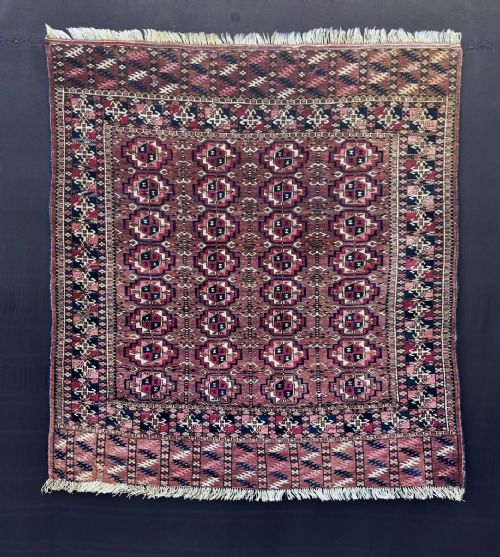
When searching for an authentic turkmen wool rug, collectors encounter woven textiles originating from Central Asia and tribal groups such as the Tekke, Salor, Yomut, and Ersari. These pieces span from the eighteenth century through the nineteenth century, encompassing full carpets, smaller rugs, and functional bags.
The most common forms seen on this page are Chuval and Torba bags, alongside main carpets and Ensi door rugs. Tribal weavers produced these items for domestic use and ceremonial purposes, incorporating distinctive guls across the field.
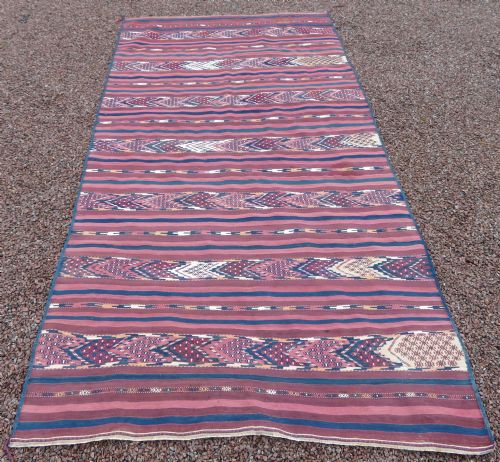
Fragmentary examples and complete flat weave Palas kilims also appear within the selection. Each piece reflects the traditional iconography and knotting methods of Turkmen tribes.
How they were made
Makers utilised pure wool for the foundation, pile, and plain weave backs of these textiles. Natural dyes provide the enduring palette, dominated by deep reds and secondary tones.
Weavers employed specialised techniques such as the cicim flat weave alongside dense pile knotting. Complete survival pieces often retain their original wool backs and hanging structures.
Listings feature wool and natural dyes across pieces dated from the eighteenth century to the nineteenth century.
What varies in quality
The sophistication of the gul design and the precision of the tribal drafting dictate the visual impact of each weaving. Pieces featuring saturated natural dyes and intact original backs command greater attention from discerning collectors.
Structural integrity ranges from robust main carpets in strong condition to delicate eighteenth-century fragments. The density of the wool pile and the clarity of the secondary motifs further distinguish finer examples.
The Authentic Turkmen Wool Rug Glossary
- Gul
- The repeated octagonal medallion motif central to Turkmen weaving. Different tribes utilised distinct gul patterns to signal clan identity.
- Chuval
- A large tribal tent bag used for storage. These pieces were woven with elaborate face designs and plain wool backs.
- Torba
- A smaller storage bag utilised within the nomadic tent. They share the structural format and iconography of larger Chuvals.
- Ensi
- A tribal door rug hung at the entrance of a yurt. They typically feature a cross-panel design dividing the field.
- Palas
- A flat weave textile produced without a raised pile. These items rely on supplementary weft techniques for their geometric patterns.
Authentic Turkmen Wool Rug: Frequently Asked Questions
What is a gul motif?
The gul is an octagonal medallion repeated across the field of Turkmen textiles. It serves as a visual identifier for specific tribal groups.
Weavers arranged these motifs in precise rows to create the characteristic geometric layout seen on carpets and bags.
How were these rugs used?
Nomadic communities utilised these textiles as floor coverings, door hangings, and storage sacks within yurts. Large bags held household goods during migration.
Main carpets served domestic and ceremonial functions within the tribal settlement.
Are original backs important?
Surviving plain weave wool backs provide evidence of the original utilitarian function of bags like the Torba and Chuval. They help confirm the complete state of the textile.
Such structural survivals add significant context for collectors studying nineteenth-century nomadic weaving.