



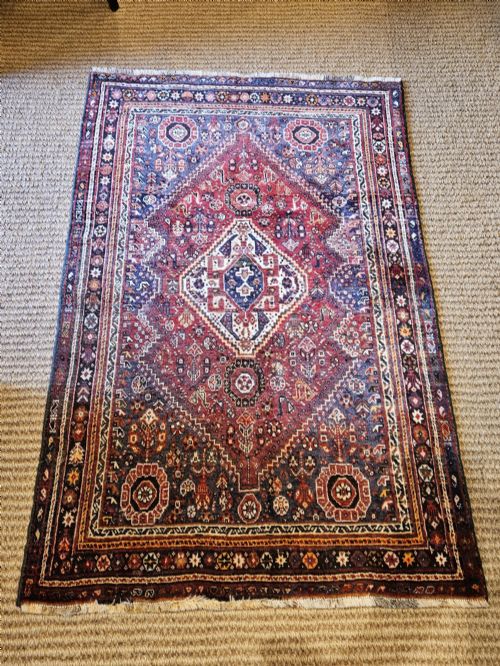
Woven Wool Floor Rug
These woven wool floor rug examples anchor a room with rich pigment and enduring textile craft.
Woven Wool Floor Rug
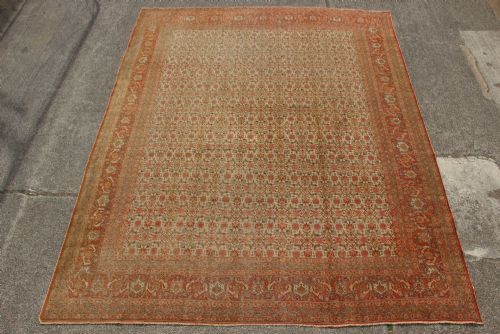
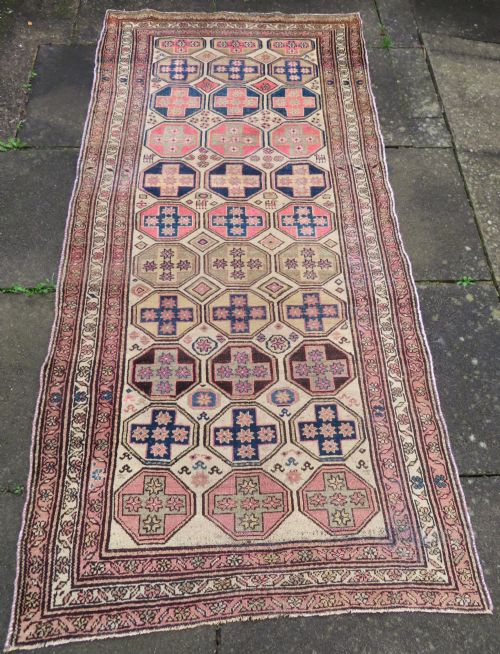
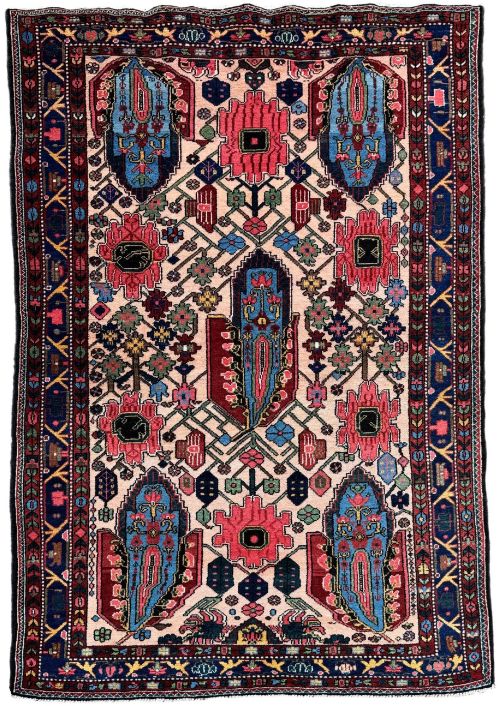
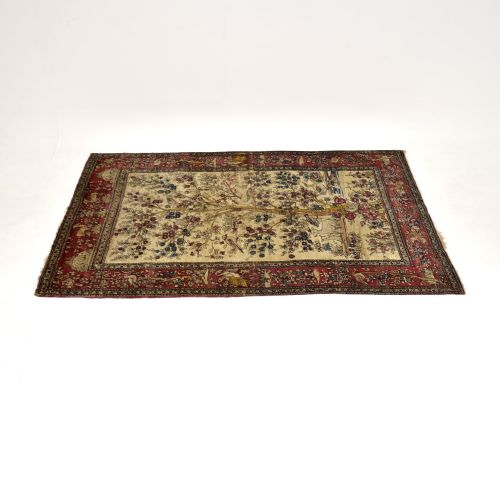
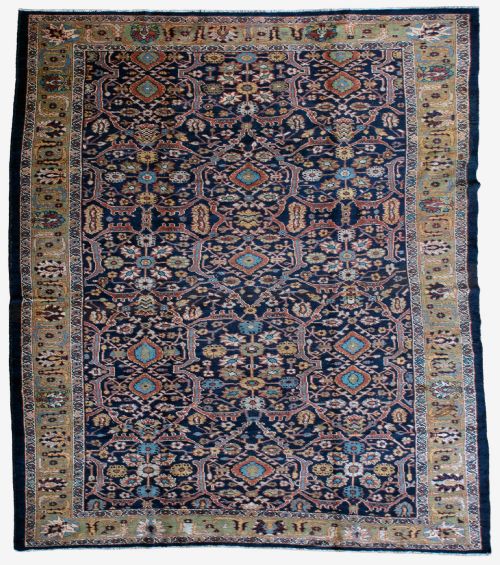
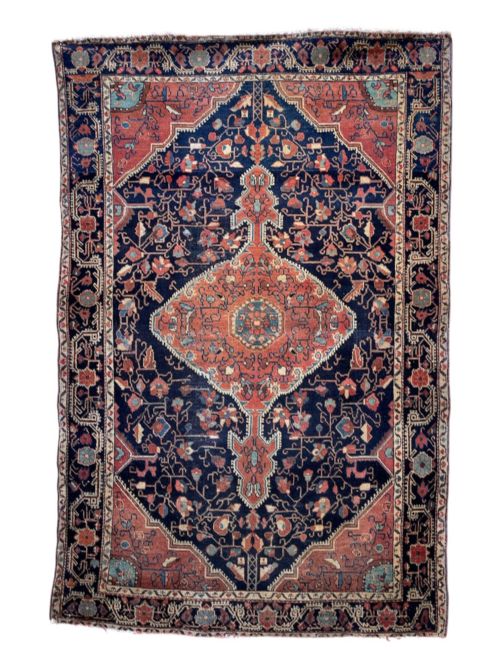
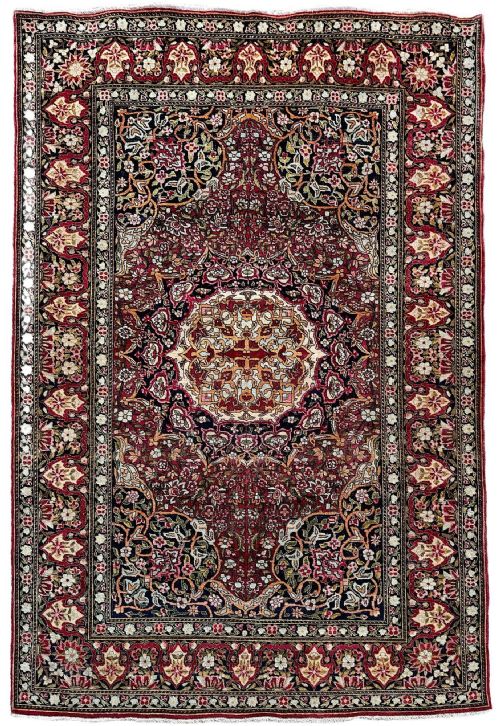
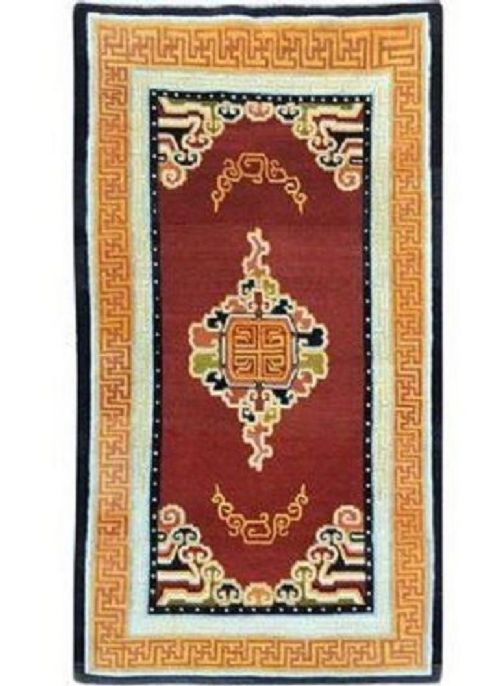
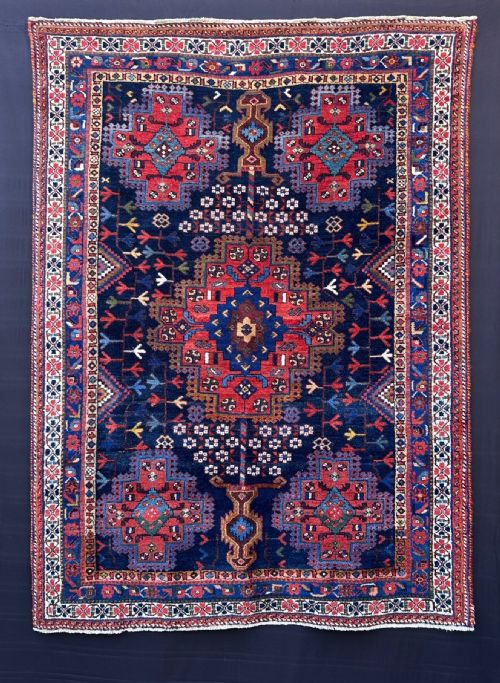
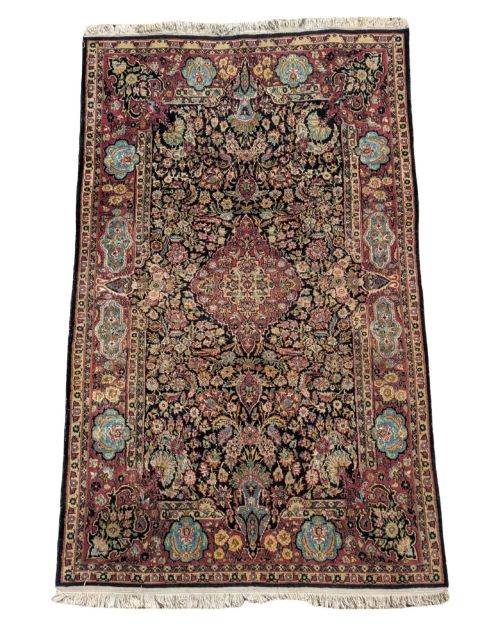
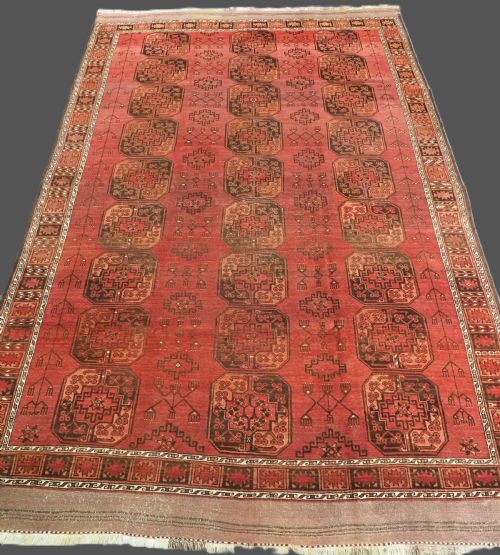
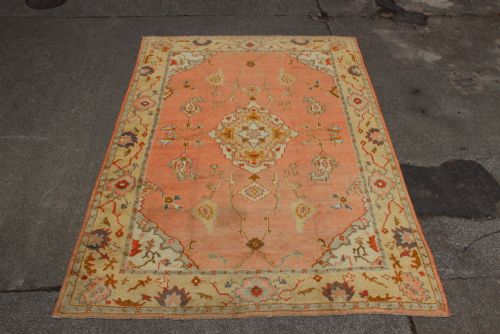
A woven wool floor rug brings centuries of textile tradition into modern spaces through dense pile and flatweave construction. Buyers searching for a woven wool floor rug will encounter room-sized carpets, compact area rugs, and elongated hallway runners spanning the nineteenth and early twentieth centuries. These pieces originate primarily from Persian, Caucasian, Ottoman, and Turkmen weaving traditions.
The selection ranges from village tribal productions with geometric motifs to city workshops producing refined floral medallions. Pieces from regions such as Heriz, Saroukh, Bakhtiar, and Ushak dominate the offerings, alongside Caucasian Kazak and Shirvan works. Each textile carries the distinct visual language of its maker and origin.
How They Were Made
Makers constructed these floor coverings primarily using hand-spun wool for the pile, warp, and weft, occasionally incorporating cotton foundations and select silk highlights. Artisans knotted the wool onto vertical looms, binding each strand tightly to create a durable surface that withstands daily foot traffic.
Dyers utilised natural materials derived from plants and insects to achieve deep reds, indigos, and earthy tones that age gracefully over decades. The density of the knotting and the quality of the wool determine the weight and flexibility of each finished carpet.
Certain nomadic weavers hid small protective amulets directly inside the wool pile as they worked.
What Varies in Quality
The refinement of a woven wool floor rug depends on the precision of the knot density and the clarity of the design geometry. Finer artisan weaving yields crisp lines in complex medallion and tribal patterns, whereas simpler village pieces display charming irregularities in symmetry and scale.
The depth and saturation of the wool pile dictate how the textile responds to light and wear over time. Superior materials retain their lustre and structural integrity, maintaining rich colour variation across the field.
The Woven Wool Floor Rug Glossary
- Pile
- The upright yarn loops or cut ends that form the soft surface of the rug. This upper layer absorbs foot traffic and displays the woven design.
- Warp
- The vertical foundation threads stretched tightly on the loom before weaving begins. Weft threads pass horizontally through these warp threads to secure the knots.
- Weft
- The horizontal threads interlaced between rows of knots to bind the structure together. They provide the foundational grid for the woven textile.
- Medallion
- A large central ornamental motif placed in the middle of the field. Many traditional Persian and Anatolian carpets use this focal design.
- Runner
- A long, narrow carpet format designed specifically for corridors, hallways, and stairs. These pieces guide movement through domestic spaces.
Woven Wool Floor Rug: Frequently Asked Questions
How do I clean an old wool rug?
Gentle surface vacuuming without a rotating brush helps remove everyday dust without damaging the fibres. Professional textile cleaners with experience in antique carpets should handle deeper washing.
Harsh chemical detergents and excessive moisture can weaken the natural wool and cause colour bleeding. Regular rotation ensures even exposure to light and wear across the surface.
Can I place these rugs in high traffic areas?
Traditional wool floor coverings were built for daily domestic use and withstand walking traffic well. Placing a quality underlay beneath the textile prevents slipping and reduces friction against hard floors.
Heavy corridors benefit from sturdy village runners or tribal carpets constructed with robust wool piles. Proper cushioning extends the lifespan of the foundation threads.
How do I identify tribal versus city carpets?
Village and tribal pieces often display geometric patterns, stylised animals, and memory-driven motifs woven on portable looms. City workshop carpets tend to feature curvilinear floral designs, precise symmetry, and intricate medallions.
Colour palettes in tribal works rely on saturated earthy tones, while city workshops frequently employ expansive pastel or deep jewel grounds.
What does a silk highlight indicate?
Selected silk elements within a wool pile draw the eye to specific floral details or outlines. Weavers introduced silk to catch the light and create contrast against the matte wool background.
Such highlights suggest a finer grade of production from established regional workshops rather than standard village output.