



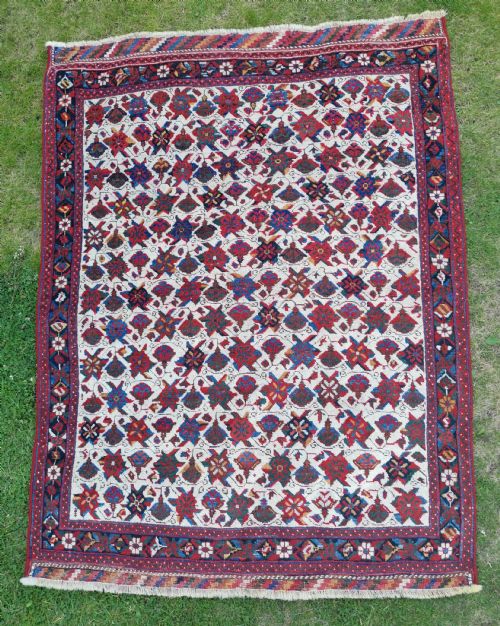
Woven Wool Floor Carpet
A woven wool floor carpet brings durable texture and traditional pattern to a room, drawing on decades or centuries of regional hand-knotting traditions.
Woven Wool Floor Carpet
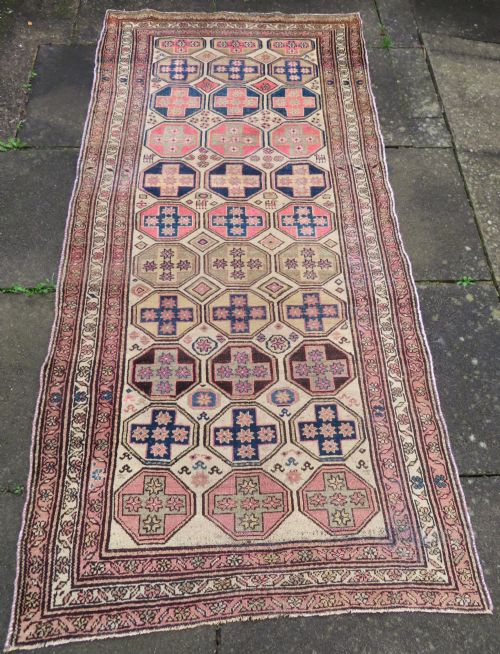
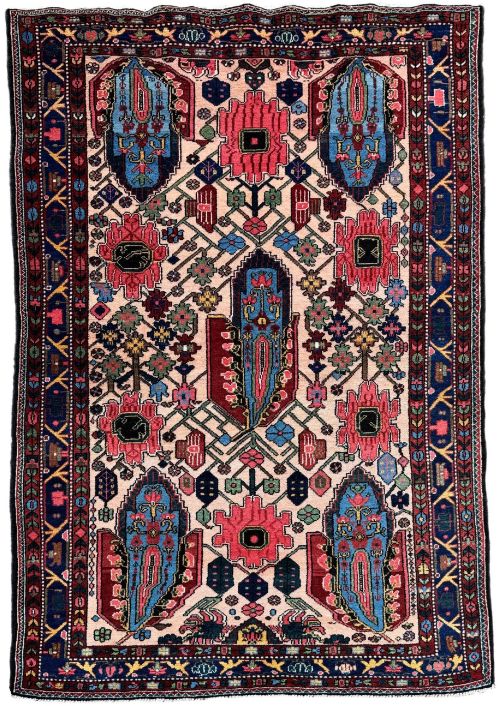
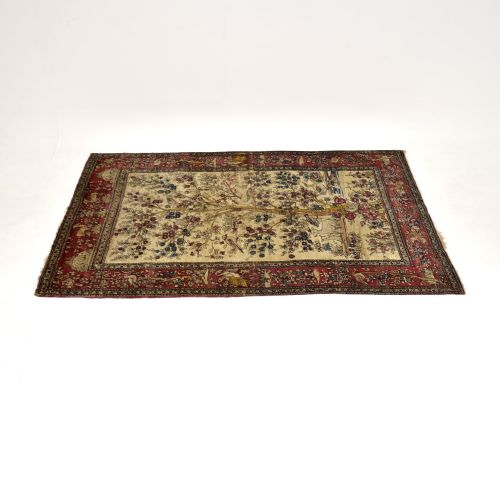
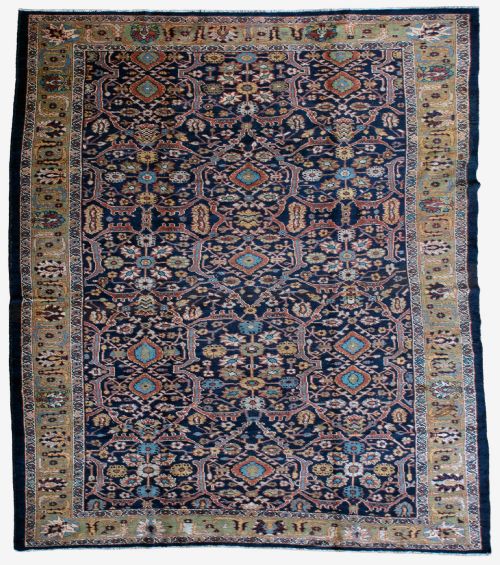
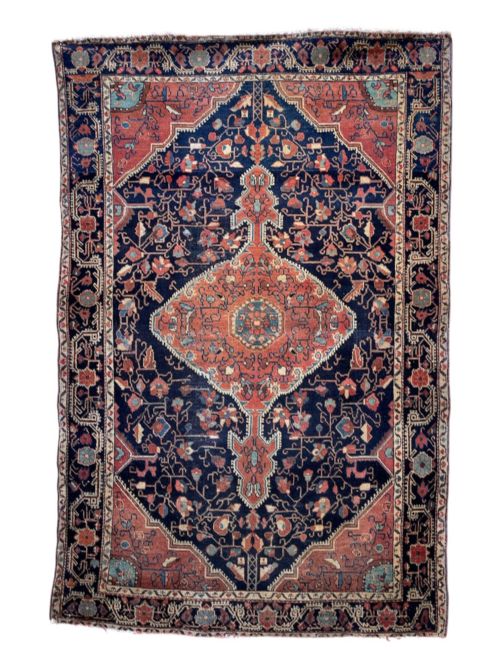
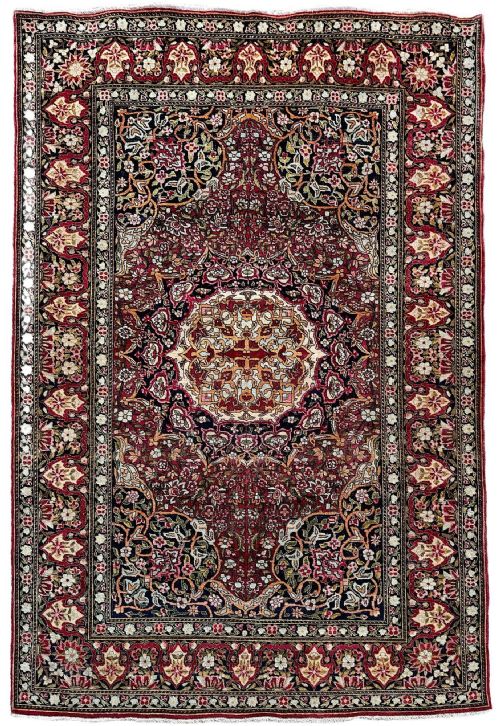
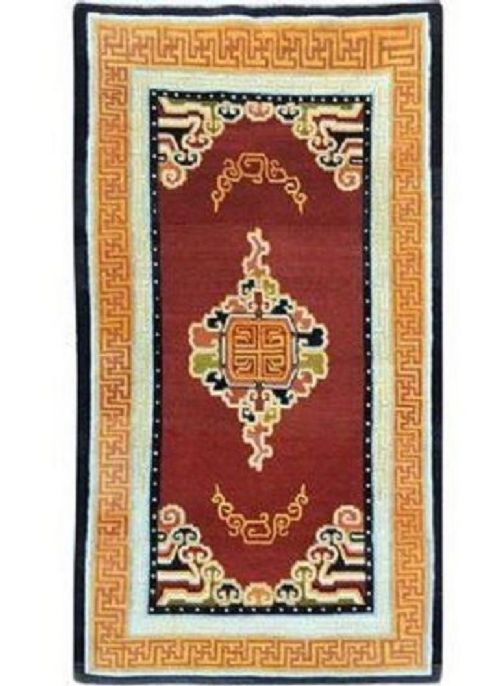
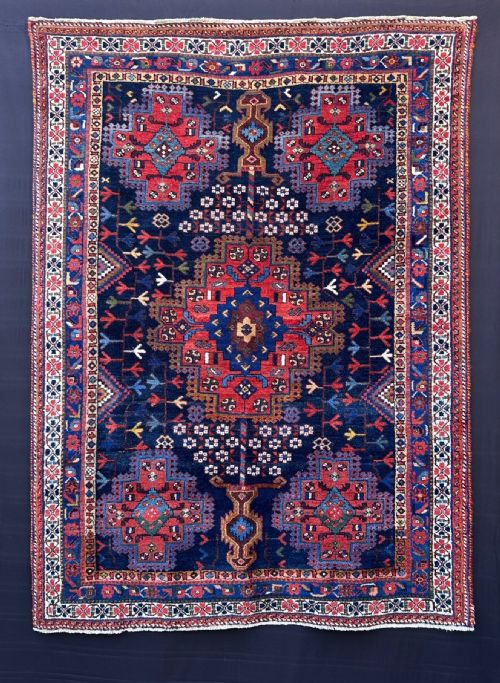
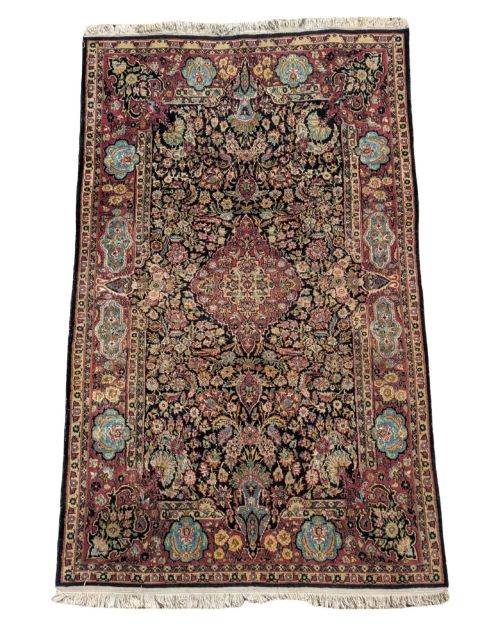
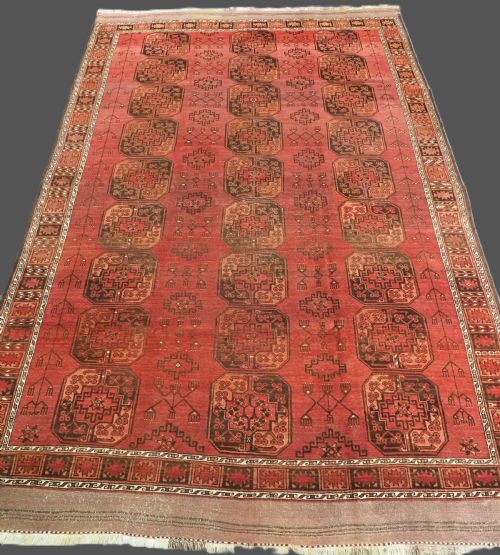
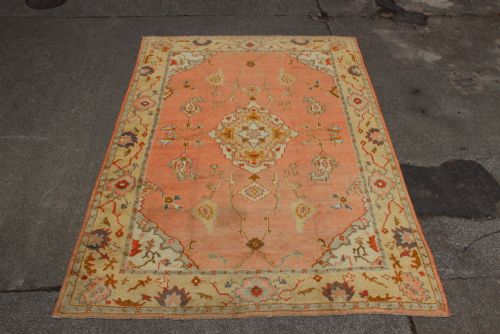
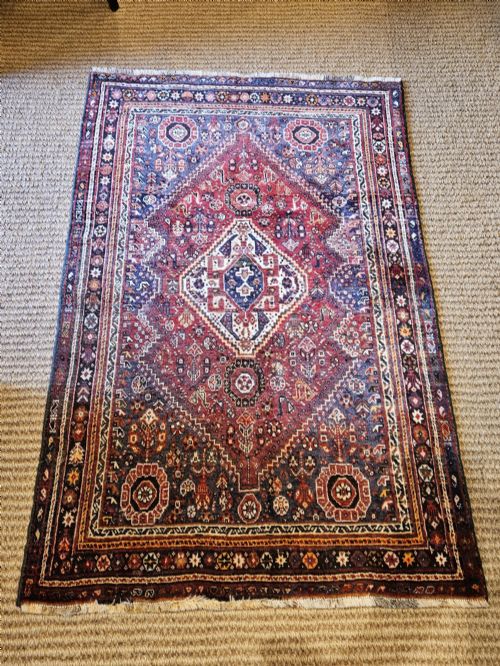
When searching for a woven wool floor carpet, buyers encounter hand-knotted floor coverings originating mainly from Persian, Caucasian, Turkish, and Turkmen traditions. The selection spans compact area sizes, narrow hallway runners, and large room-sized carpets dating from the nineteenth century into the early twentieth century.
Village and nomadic pieces such as Kurdish, Afshar, Bakhtiar, and Baluch rugs appear frequently alongside city workshop productions like Tabriz, Heriz, and Isfahan carpets. These floor coverings employ traditional regional motifs and geometric or floral compositions developed across generations.
How they were made
Makers constructed these floor coverings using hand-spun wool for the pile, foundation warps, and wefts, occasionally incorporating cotton or silk highlights for structural definition or textural contrast. Artisans tied individual knots onto vertical looms before shearing the surface pile to an even level.
Dyers utilised natural materials to colour the wool, producing deep tones that mellow gradually over time. Workshops and nomadic weavers alike finished the edges with overcast selvides and secured the ends with flatwoven kilim fringes.
Woven Wool Floor Carpet Retail Price Guide 2026
Typical asking prices for woven wool floor carpet among the pieces listed under this phrase on Sellingantiques today, from the lower quarter to the upper quarter. They describe what is for sale here now, not the wider market.
Nomadic weavers occasionally wove unexpected pictorial elements like tiny wandering animals right into traditional geometric field patterns.
What varies in quality
The density of the knotting and the fineness of the wool dictate the structural integrity and precision of the design. Examples with tightly packed foundations hold their shape under foot traffic and maintain crisp geometric or curved outlines.
The depth and harmony of the dyestuffs influence the visual character, with even saturation and subtle abrash showing thoughtful preparation. Pieces that combine balanced proportions with robust wool handle heavy domestic use successfully.
The Woven Wool Floor Carpet Glossary
- Abrash
- Variation in colour shading across the wool pile caused by distinct dye lots or batches of yarn. This tonal shift occurs naturally in traditional hand-knotted floor coverings.
- Warp
- The stationary vertical threads stretched onto the loom that form the structural skeleton of the carpet. Wefts are then interlaced across these threads.
- Weft
- The horizontal threads passed back and forth through the warp threads to hold the knots firmly in place. They contribute to the handle and flexibility of the textile.
- Selvedge
- The finished side edges of a carpet formed by wrapping the outermost warp threads. Proper binding prevents the pile from fraying along the lateral borders.
- Pile
- The upright woolen surface formed by individual knots tied to the foundation. The height of this surface affects both the underfoot feel and the clarity of the pattern.
Woven Wool Floor Carpet: Frequently Asked Questions
How do I clean a wool carpet?
Regular gentle vacuuming without a rotating brush roll removes surface grit and protects the wool pile from abrasive wear. Professional cleaning tailored to antique textiles remains necessary for deep soil removal.
Water exposure requires careful handling to prevent dye migration or shrinkage in older foundations. Specialist technicians assess the stability of the natural dyes before applying moisture.
Can I use these carpets in high traffic areas?
Sturdily constructed village and tribal carpets handle everyday movement in hallways and living spaces reliably. The resilience of thick wool pile withstands regular foot traffic while ageing gracefully.
Placing a suitable underlay beneath the floor covering prevents slipping and reduces friction against hard flooring. This simple addition extends the working life of the textile.
How do I identify a tribal rug from a city piece?
Nomadic and village carpets often display geometric motifs, memory-woven designs, and abrash variations resulting from small-scale production. Workshops in cities typically produce balanced floral layouts with precise curvilinear precision.
Materials and colour palettes also offer clues, as regional weavers utilised locally available wool and specific dye traditions. Comparing structural density helps separate centralized workshop output from outlying tribal work.
What does a runner rug fit best?
Narrow formats suit hallways, staircases, and galley kitchens where floor space is limited. They introduce warmth and pattern to transitional areas without obstructing doors.
Measuring the corridor width and leaving adequate borders of bare flooring lets the textile sit comfortably. Proper placement protects high-wear paths while framing the room layout.