

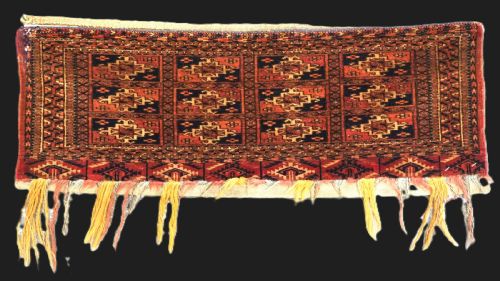


Woven Tribal Cushion Cover
A woven tribal cushion cover brings nomadic textile history into a modern room, offering dense patterns and rich wool textures.
Woven Tribal Cushion Cover
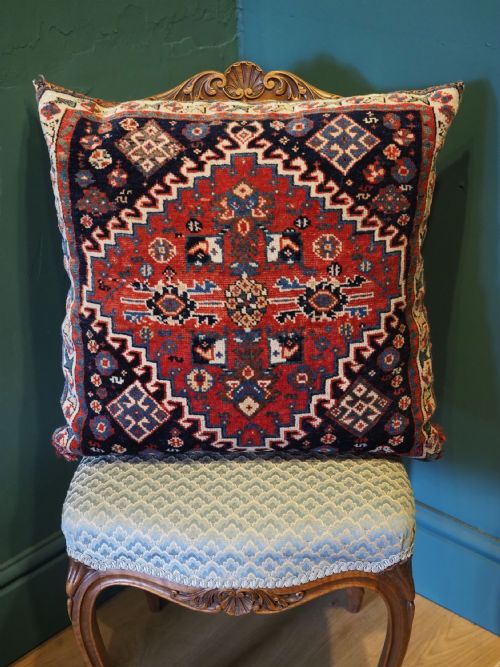
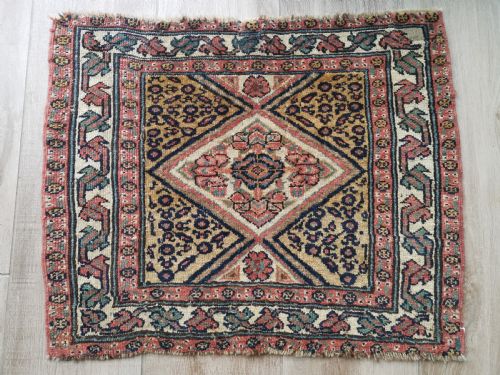
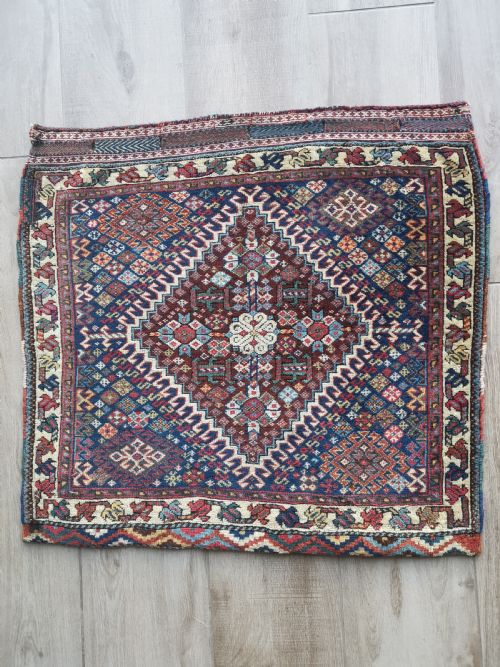
A woven tribal cushion cover repurposed from a nomadic storage bag or saddlebag forms the core of this selection. These pieces originate from Persian, Anatolian, and Turkmen groups, spanning the nineteenth and early twentieth centuries. You will frequently encounter bag faces and half-saddlebags transformed into cushions.
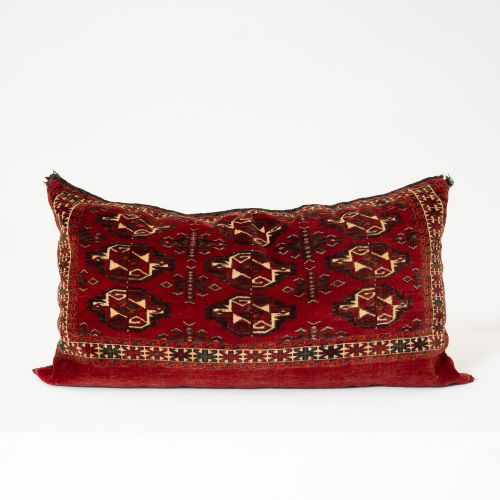
The regional types range from Qashqai and Baluch to Tekke and Yomut Turkmen weavings. Each piece reflects the specific tribal motifs and palette of its origin, such as the geometric guls of Turkmen tribes or the boteh designs of Afshar work.
Materials and construction
Makers utilised hand-spun wool and occasional goat hair for durability, pairing them with sturdy cotton foundations. These natural fibres absorb dyes deeply, creating the rich colouration seen across the pieces.
Natural and vegetable dyes provide the palette, yielding subtle variations in tone over decades of use. Flatweave structures, soumac work, and pile techniques deliver the characteristic tactile surface of each textile.
Nomadic weavers often included small intentional errors in their symmetrical patterns to ward off the evil eye.
Assessing quality in nomadic weavings
The fineness of the knotting or the tightness of the flatweave foundation determines structural integrity. Tighter construction yields a firmer handle and greater longevity for daily use.
Purity of colour and clarity of tribal motifs separate standard pieces from exceptional examples. The vibrancy of natural dyes and the precise execution of traditional guls or geometric symbols elevate a textile.
The Woven Tribal Cushion Cover Glossary
- Bagface
- The decorative front panel of a nomadic storage sack, commonly repurposed as a cushion cover. These panels display the primary design and finest weaving.
- Chuval
- A large Turkmen tent-storage bag woven for household goods and bedding. Surviving faces often feature multiple guls.
- Torba
- A smaller Turkmen storage bag traditionally hung inside a yurt. They display dense geometric patterns suited to smaller cushion formats.
- Soumac
- A wrapping technique producing a textured, durable surface without cut piles. This method creates raised patterns across the textile.
- Gul
- An octagonal medallion or repeating tribal motif used by Turkmen and other nomadic weavers. Each pattern identifies a specific clan or lineage.
Woven Tribal Cushion Cover: Frequently Asked Questions
How do I care for antique wool cushions?
Antique wool textiles require gentle treatment to preserve the natural fibres and vegetable dyes. Vacuuming with a low suction setting through a mesh screen removes dust without damaging the weave.
Professional cleaning tailored to antique carpets is recommended when deeper maintenance becomes necessary. Avoid direct sunlight to prevent fading of the natural tones.
How do I identify different tribal patterns?
Tribal patterns depend on the specific region and nomadic confederation that produced the textile. Turkmen weavings frequently feature repeating octagonal guls, while Persian groups like the Qashqai utilise medallions and animal motifs.
Examining the border arrangements, colour palette, and structural weave helps attribute pieces to groups such as the Baluch or Shahsevan.
Are these cushions made from authentic carpets?
The listings comprise genuine nineteenth and early twentieth-century nomadic weavings rather than newly manufactured reproductions. Many items utilise authentic saddlebags, torbas, and chuvals that have completed their original utilitarian service.
The backing materials added during conversion allow these historical textiles to function as comfortable home furnishings.