

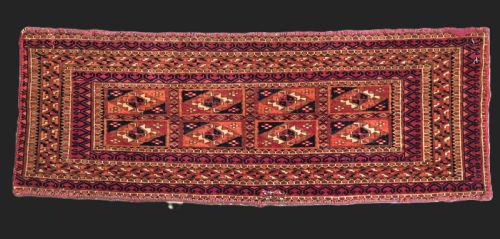


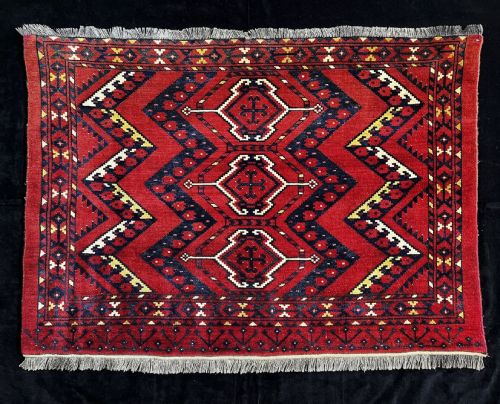


Woven Oriental Storage Bag
A woven oriental storage bag brings nomadic tribal artistry into the home, offering both practical utility and intricate historic patterns.
Woven Oriental Storage Bag
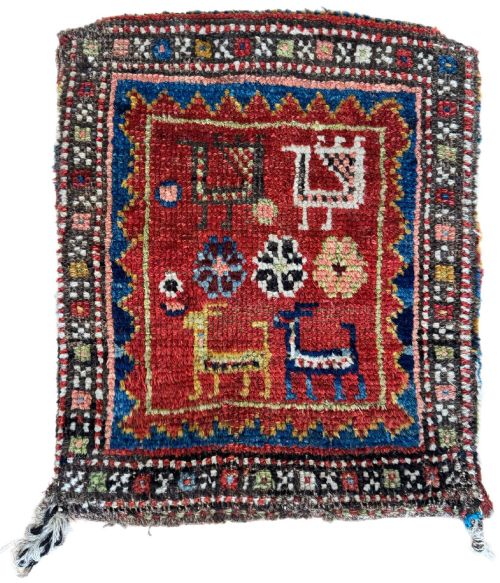
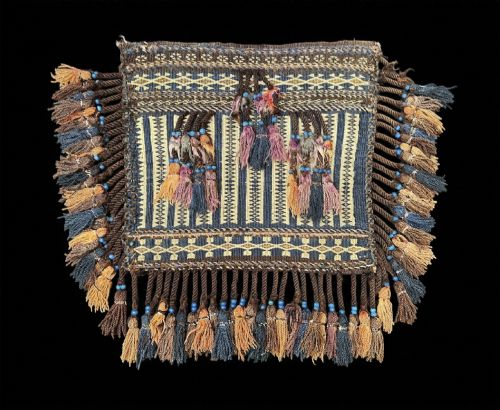
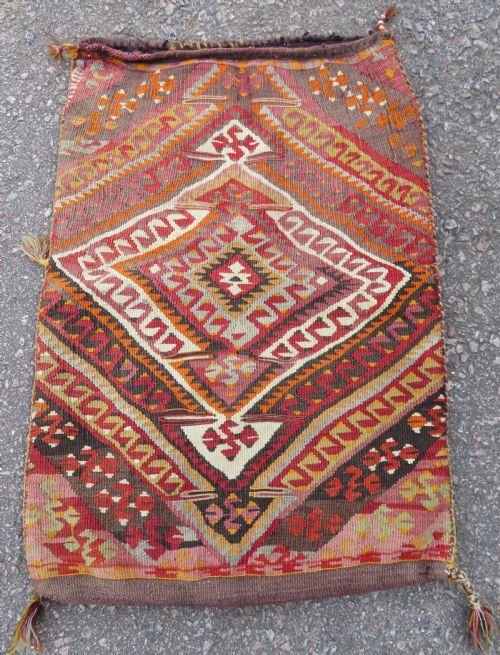
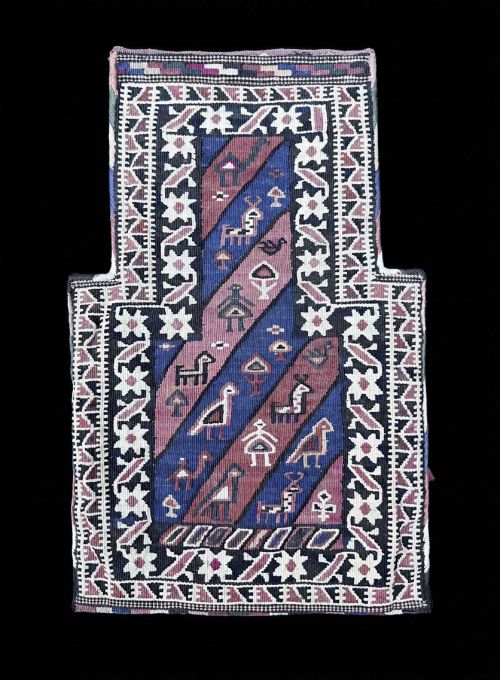
A woven oriental storage bag represents the functional textile art created by nomadic and tribal groups across Central Asia, Persia, and the Caucasus. These utilitarian objects served as bedding bags, salt bags, and camel bags for tribal households before entering the collector market.
The pieces on this page span from the mid-nineteenth century to the early twentieth century, encompassing tribal groups such as the Yomut, Tekke, Ersari, and Kordi. Buyers will encounter both complete bags retaining their plain weave backs and individual bag faces adapted for display.
Forms include chuval storage sacks, smaller torba wall hangings, spindle bags, and salt bags. Each format reflects the specific domestic requirements of the weaving tribes who made them.
How they were made
Weavers constructed these textiles using hand-spun wool dyed with natural pigments to achieve rich, enduring colour palettes. The reliance on traditional organic dyes ensures the wool ages with a characteristic depth and harmony.
Structures combine dense pile knotting on the primary display faces with durable plain weave backs designed to withstand heavy transit and handling. Hanging loops and robust selvedges were integrated to suit nomadic domestic life.
Woven Oriental Storage Bag Retail Price Guide 2026
Typical asking prices for woven oriental storage bag among the pieces listed under this phrase on Sellingantiques today, from the lower quarter to the upper quarter. They describe what is for sale here now, not the wider market.
The operational dates span from the mid-nineteenth century through the early decades of the twentieth century.
What varies in quality
Quality rests upon the fineness of the weave and the precision of the tribal guls or geometric motifs. Tighter knot counts and balanced proportions distinguish finer examples from standard utility pieces.
The survival of original backs, hanging loops, and complete structural borders elevates the historical integrity of a textile. Natural dye variation and crisp drawing within the tribal patterns further separate exceptional examples from simpler work.
The Woven Oriental Storage Bag Glossary
- Chuval
- A large Turkmen storage sack traditionally used for bedding and household goods. These pieces typically display multiple rows of guls.
- Torba
- A smaller storage bag often used for domestic items or hung against the tent wall. They frequently feature a single main row of geometric guls.
- Gul
- A repeating medallion or octagonal motif characteristic of Turkmen and Central Asian tribal weaving. Each pattern often identifies the specific tribe or sub-group.
- Mafrash
- A rectangular storage bag or chest panel originating from Shahsavan and Caucasian weaving traditions. They were originally used in pairs for transport on pack animals.
- Plain weave
- A simple unpotted flatweave technique utilised for the backs and structural elements of storage bags. This flat construction contrasted with the dense pile of the main display face.
Woven Oriental Storage Bag: Frequently Asked Questions
What were oriental storage bags used for?
Nomadic tribes utilised these bags inside tents to store wool, clothing, bedding, and salt during seasonal migrations. Their durable construction allowed them to withstand heavy daily handling and transport on animals.
Today, collectors appreciate them for their rich history and tactile qualities, using smaller examples as wall hangings or floor accents.
How do I tell different tribal designs apart?
Tribal attribution depends on the specific drawing of the guls, the secondary ornament, and the colour palette employed. Yomut and Tekke weavers produced distinct octagonal motifs, while Ersari and Kurdish pieces often display alternate geometric configurations.
Examining the structure and wool quality alongside the design motifs helps clarify the likely regional origin.
Are these bags complete with backs?
Some surviving examples retain their original plain weave wool backs and hanging loops, while others consist solely of the decorative bag face. Complete bags offer a fuller picture of the original utilitarian object.
Bag faces are frequently mounted for display as wall textiles due to the striking nature of the pile work.
How should I care for an antique textile?
Gentle vacuuming with a low suction setting through a mesh screen helps remove dust without disturbing the wool pile. Keeping the textile away from direct sunlight prevents natural dyes from fading over time.
Professional textile conservators can advise on mounting methods for wall display to ensure the weight is evenly supported.