

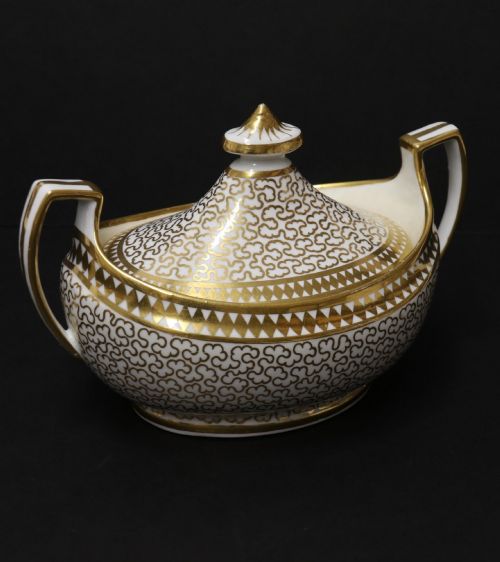


Worcester Porcelain Teaware
Worcester porcelain teaware brings eighteenth-century elegance to the table through delicate soft-paste bodies, intricate hand-painted enamels, and rich underglaze blue designs.
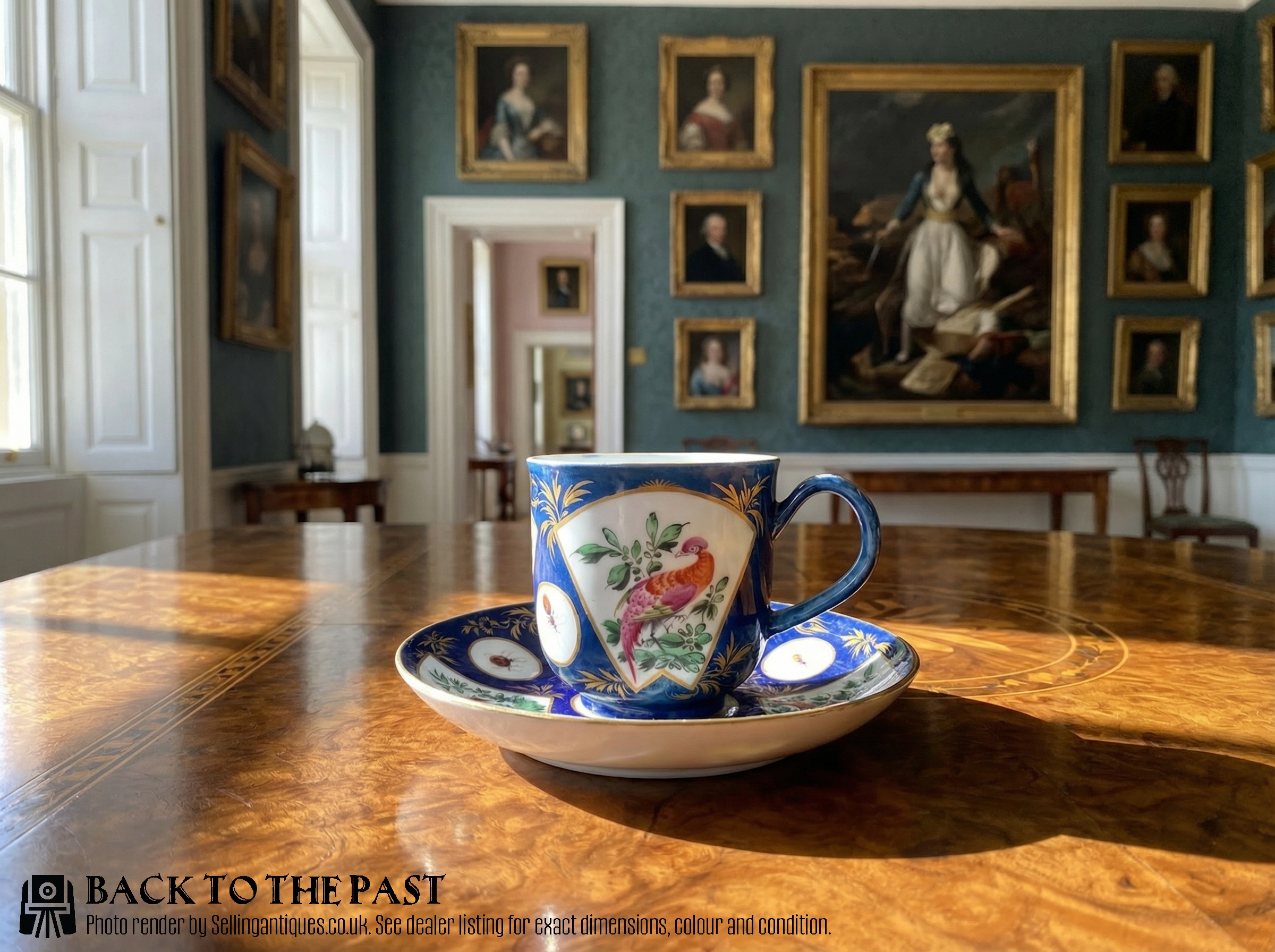
Worcester Porcelain Teaware
When you search for worcester porcelain teaware, you encounter a refined selection of historic vessels designed for social tea drinking, spanning the eighteenth and nineteenth centuries alongside later mid-century production. The selection centres heavily on eighteenth-century pieces from the Dr Wall period, featuring delicate items intended for display and formal dining rather than heavy daily use.
The objects take various functional forms associated with the tea table, including teapots, coffee cups, tea bowls, saucers, sugar bowls, and decorative dishes. Many pieces survive as single items or matched pairs, though complete tea sets also emerge in later periods such as the mid-twentieth century.
Stylistic influences range widely across the items, drawing upon traditional English motifs, botanical studies, and the popular Chinoiserie taste of the Georgian era. Rococo moulding and Regency neoclassical borders frequently define the physical contours of these ceramic pieces.
How they were made
Makers utilised soft-paste porcelain and standard porcelain bodies, often throwing or moulding vessels before applying cobalt underglaze, enamel colours, and gold leaf highlights. The early eighteenth-century items rely on soft-paste formulations that absorb light differently than hard-paste equivalents.
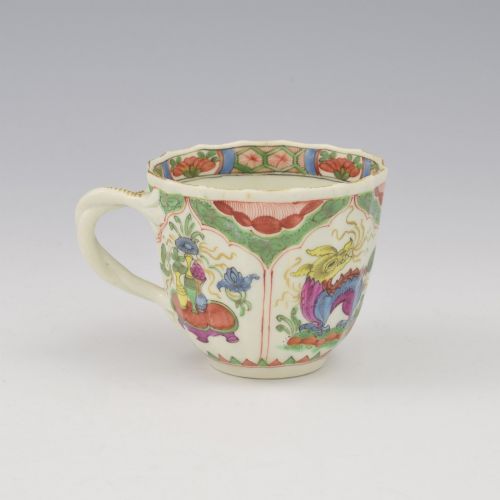
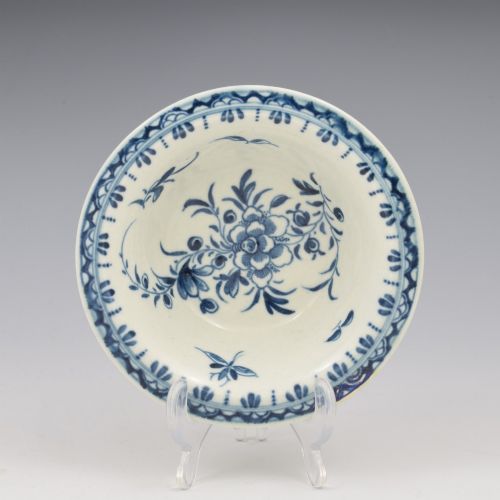
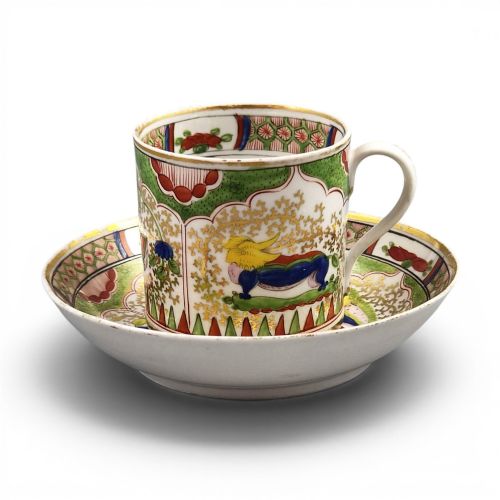
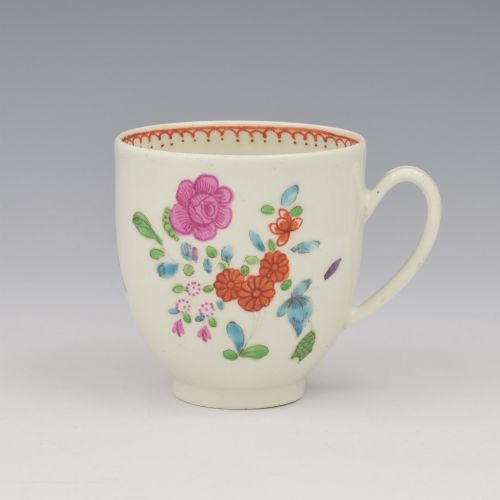
Decoration involved intricate hand painting, combining cobalt underglaze blue with polychrome enamels and gilding. Artisans applied detailed patterns such as Chinese figures, floral sprays, dragons in compartments, and fancy birds before high-temperature firing.
Worcester Porcelain Teaware Retail Price Guide 2026
Typical asking prices for worcester porcelain teaware among the pieces listed under this phrase on Sellingantiques today, from the lower quarter to the upper quarter. They describe what is for sale here now, not the wider market.
Listings feature periods spanning from the eighteenth century through the Georgian and Regency eras up to mid-twentieth-century production.
What varies in quality
The standard of painting on worcester porcelain teaware separates standard output from superior examples, with master painters executing intricate polychrome scenes and precise botanical details. Superior pieces display crisp enamel application and careful placement of gold leaf accents.
The finesse of the ceramic body itself also dictates quality, with early soft-paste pieces showing varying degrees of translucency and glaze smoothness. Well-preserved glazes without excessive pitting or firing blemishes elevate the visual appeal of both cups and hollowware.
Dr Wall·Chamberlains Worcester·Royal Worcester
The Worcester Porcelain Teaware Glossary
- Soft-paste porcelain
- An early artificial ceramic composition made from white clay, glass frit, and ground materials rather than natural kaolin. It fires at a lower temperature and produces a warm, creamy translucency.
- Cobalt underglaze
- A blue metallic oxide pigment applied to the unfired ceramic body beneath the clear glaze. This technique allows the colour to withstand high kiln temperatures without burning away.
- Chinoiserie
- A European artistic style reflecting Chinese aesthetic influences through imagined scenes of figures, landscapes, and pavilions. It appeared frequently on eighteenth-century English ceramics.
- Enamel
- Opaque coloured glass fused to the glazed surface of porcelain during a subsequent, lower-temperature firing. This allows for brilliant polychrome palettes including pinks, greens, and yellows.
- Gilding
- The application of gold leaf or powdered gold to the rims, handles, and borders of teaware. It provides a luxurious finish often burnished to a bright sheen.
Worcester Porcelain Teaware: Frequently Asked Questions
How do I identify Dr Wall period pieces?
Dr Wall period items generally date from the mid to late eighteenth century and often display early soft-paste bodies with underglaze blue marks like the crescent. The painting style reflects the aesthetic standards of early English porcelain manufacture.
Inspect the glaze texture and the weight of the object, as early soft-paste porcelain feels noticeably softer and warmer than later bone china or hard-paste alternatives.
Can I use antique teaware for daily tea?
Historic ceramic teaware requires careful handling and is generally suited for display or gentle occasional use rather than robust daily routines. Thermal shock and modern dishwashers can damage eighteenth-century soft-paste bodies and delicate gilding.
Hand washing in lukewarm water with mild soap preserves the enamel colours and protects the fragile antique surfaces from unnecessary wear.
What does Chinoiserie mean on these pieces?
Chinoiserie describes European decorative art that interprets Chinese cultural motifs through imaginative depictions of figures, garden fences, and exotic birds. This aesthetic was immensely popular during the Georgian period.
On Worcester porcelain, these patterns appear in both blue underglaze and rich polychrome enamels, creating lively narrative scenes across cups and saucers.
How do tea bowls differ from coffee cups?
Tea bowls from the eighteenth century were traditionally manufactured without handles, designed to be held in the hands while the hot beverage cooled. Coffee cups of the same period typically featured looped handles for easier gripping.
Saucers accompanied both forms, serving as shallow vessels that could hold the cup or receive tea poured out to cool more quickly.