
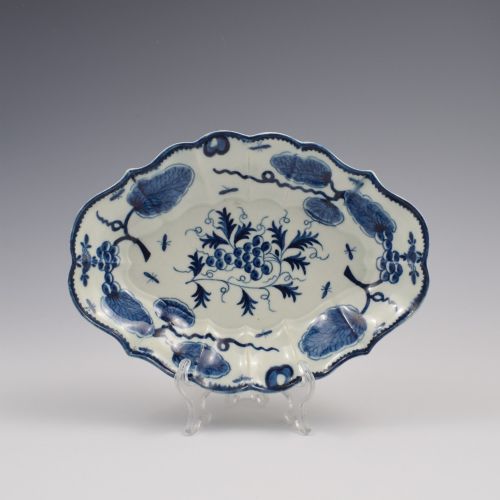


Worcester Dessert Dish
These pieces of worcester dessert dish bring the refined artistry of historic English porcelain directly to the dining table.
Worcester Dessert Dish
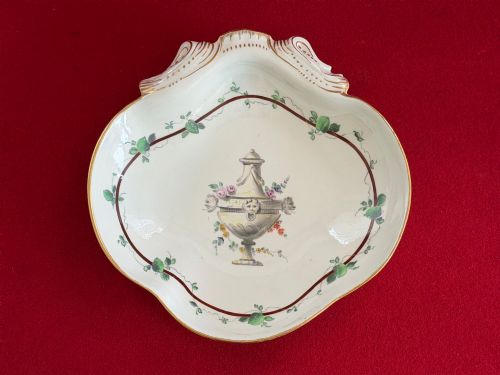
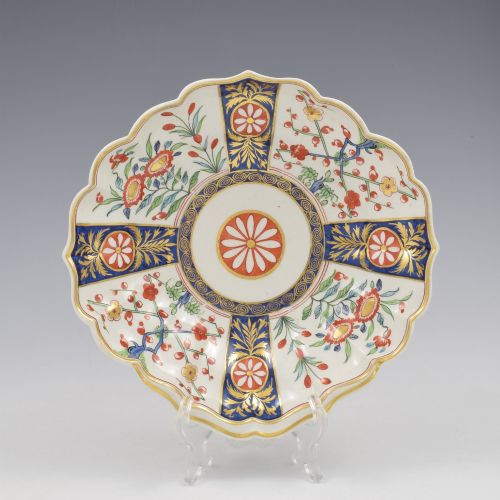
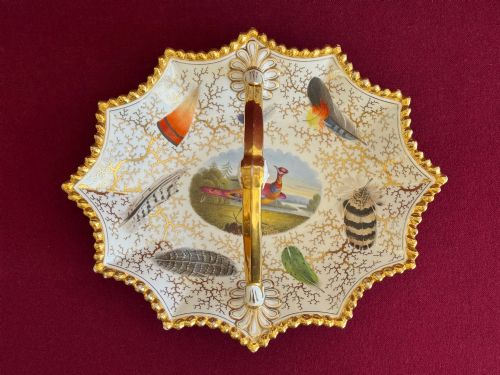
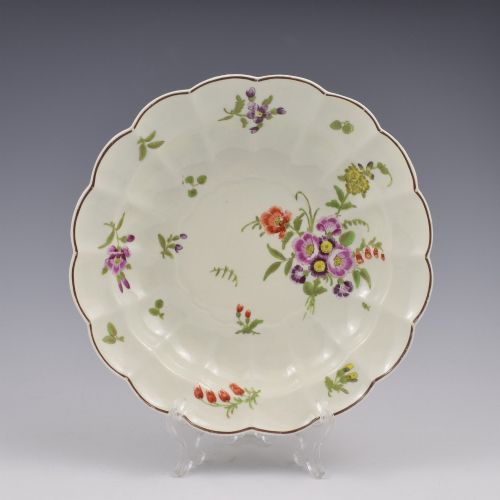
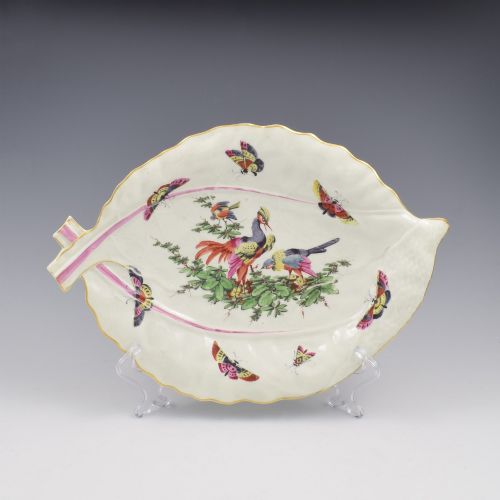
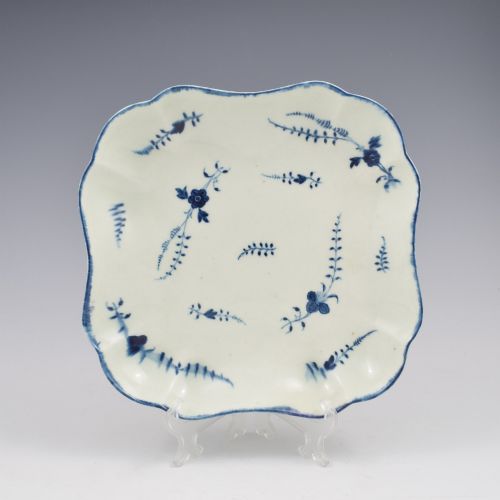
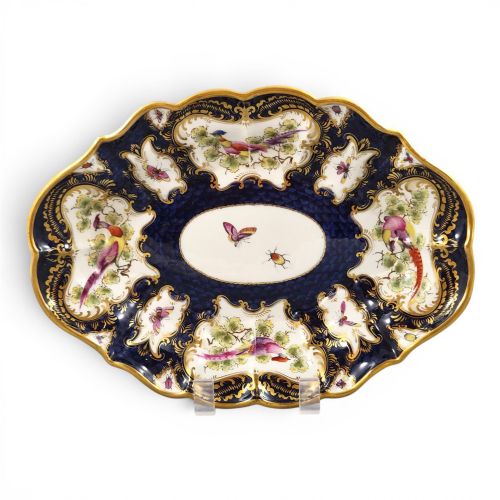
A worcester dessert dish serves as a fine tableware item designed for presenting fruit, sweets, or confectionery at the conclusion of a formal meal. These items take various forms across the inventory, including square lobed dishes, shell shapes, lozenge designs, and baskets.
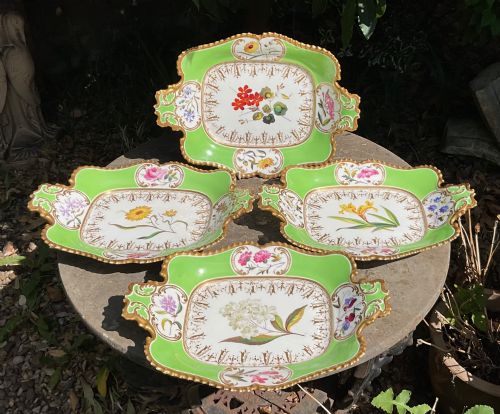
The objects span multiple eras, most frequently appearing from the eighteenth century under the Dr Wall period, through the Regency period with makers such as Chamberlain and Flight, Barr and Barr, up to twentieth-century Royal Worcester pieces.
Collectors encounter traditional shapes intended for display or service, often matching broader table services used in stately dining rooms.
Materials and manufacture
The manufacture relies primarily on porcelain, utilising soft-paste porcelain in eighteenth-century examples and developing into bone china during later periods. Artisans shaped these bodies into specialised moulds, creating lobed edges, shell contours, and intricate handles.
Decoration incorporates overglaze enamels, hand-painted motifs, and gold leaf or gilt accents applied to highlight borders and structural ridges. Many later pieces feature elaborate naturalistic fruit painting executed by named artists.
Listings feature eighteenth-century soft-paste porcelain alongside Regency bone china and twentieth-century painted fruit compositions.
Assessing quality and execution
Quality rests upon the precision of the moulding and the execution of the painted surface, where artist-signed fruit studies or complex Kakiemon patterns command greater attention. The crispness of the gilt work and the depth of the enamel colours distinguish standard factory output from exceptional studio-decorated pieces.
Period attribution also governs interest, with early Dr Wall examples and detailed Regency armorial designs representing distinct levels of historic ceramic achievement.
Chamberlains Worcester·Flight Barr And Barr·Royal Worcester·James Giles
The Worcester Dessert Dish Glossary
- Dr Wall Period
- The earliest phase of Worcester porcelain production, spanning from the foundation of the factory in 1751 until 1783. Pieces from this era typically feature soft-paste porcelain bodies and delicate underglaze blue or polychrome painting.
- Soft-paste Porcelain
- An artificial porcelain composition fired at lower temperatures than hard-paste, common in eighteenth-century English wares. It creates a warm, creamy translucent body that interacts distinctively with glazes.
- Gilt
- Gold applied to the ceramic surface for decorative accentuation, often burnished to achieve a bright metallic finish along the rims and handles. This technique adds formal elegance to dessert services.
- Overglaze Enamels
- Mineral colours painted over the fired glaze and subjected to a secondary low-temperature kiln firing. This method allows for vivid polychrome palettes including pinks, greens, and yellows.
- Armorial
- A decorative scheme featuring a family crest, coat of arms, or heraldic motto. These bespoke commissions were painted specifically for landed families.
Worcester Dessert Dish: Frequently Asked Questions
What were worcester dessert dishes used for?
These dishes formed part of the final course of a formal dinner, holding delicate sweets, nuts, or fresh fruit.
They were arranged centrally or passed among guests to conclude the meal with elegance.
How do I identify a First Period Worcester piece?
Look for the characteristic soft-paste porcelain body, which often shows a slightly warm or creamy translucency under transmitted light.
Decoration from this eighteenth-century era typically includes hand-pencilled blue scales, Chantilly sprigs, or early polychrome enamel motifs.
Can I use these antique dishes for serving food today?
While structurally sound, these historic pieces are generally preserved for display or very careful handling rather than daily modern dining.
Hand washing in lukewarm water without harsh detergents protects the delicate overglaze enamels and gold leaf.
What is the difference between Flight Barr and Barr and Chamberlain wares?
These represent different successive partnerships and factories operating in Worcester during the Regency and nineteenth-century periods.
Each workshop developed distinct body compositions, gilding styles, and backstamps that help date the ceramic.