



Blue White Gold Porcelain
Blue white gold porcelain combines underglaze cobalt painting with rich metallic gilding to create striking decorative and functional wares.
Blue White Gold Porcelain
When you search for blue white gold porcelain, you find ceramics that unite traditional cobalt decoration with applied gilding. These objects span tableware, vases, and decorative accessories.
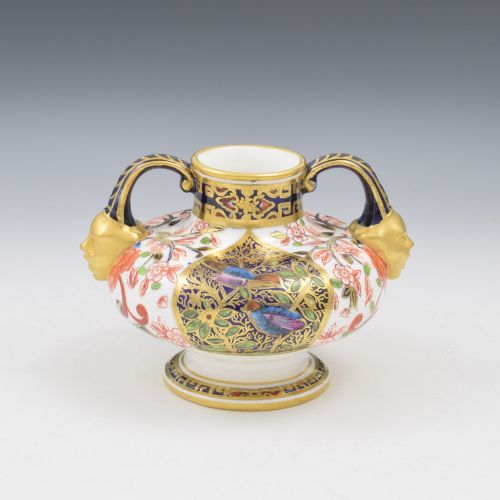
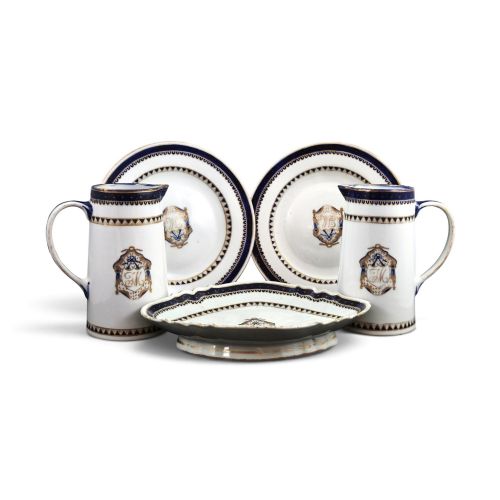
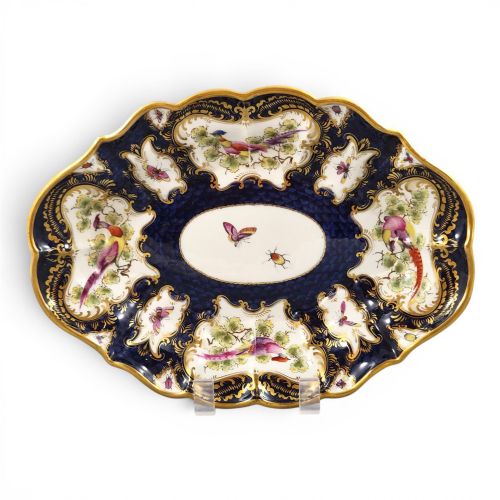
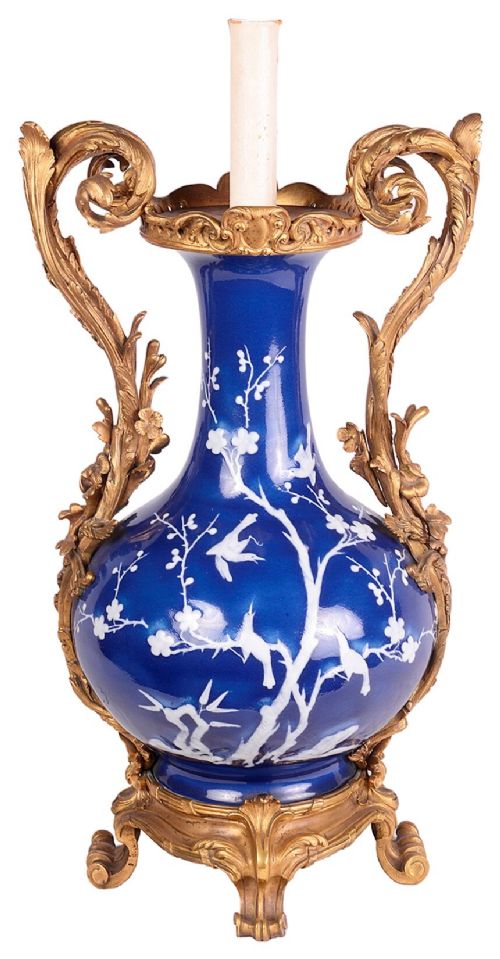
The pieces on this page originate from 18th Century, 19th Century, and early 20th Century periods. Examples range from Chinese Export table services to Royal Worcester dessert dishes and Old Paris vases.
Forms include punch bowls, tea bowls and saucers, dessert dishes, and candlesticks. You will encounter both Asian export wares and European revivals like Rococo and Neoclassical styles.
Materials and construction
These items rely on ceramic bodies such as porcelain, bone china, and jasperware. Artisans applied cobalt blue pigment beneath the glaze before firing, followed by gold leaf or gilding applied to the surface.
Manufacturing methods involve hand-thrown or moulded ceramic forms decorated with enamel paint and metal mounts. Many pieces combine traditional potting techniques with intricate overglaze gilding.
Bats sometimes leave their wings on tea sets, as seen in the Coalport bat-print pattern.
Judging quality in these ceramics
Quality depends on the precision of the cobalt painting and the durability of the gilding. Finer examples display crisp underglaze details and substantial layers of gold leaf rather than thin, rubbed paint.
The finesse of the ceramic body and the accuracy of historical style replication set superior pieces apart. Well-preserved enamel work and intact gilding indicate careful historical use.
Royal Worcester·Coalport·Wedgwood
The Blue White Gold Porcelain Glossary
- Cobalt blue
- An intense blue pigment used under the glaze to create the primary decorative motifs on porcelain. It withstands high firing temperatures without losing colour.
- Gilding
- The application of gold leaf or gold paint to the surface of ceramics or metal mounts. This technique adds reflective highlights to complement the blue and white body.
- Bone china
- A type of porcelain incorporating bone ash for added strength and a bright white appearance. It forms a refined base for detailed painting.
- Underglaze
- Pigment applied directly to the ceramic body before the transparent glaze is fired. This protects the blue decoration from wear over time.
Blue White Gold Porcelain: Frequently Asked Questions
What is blue white gold porcelain?
These ceramics combine traditional underglaze blue decoration with overglaze gold leaf or gilding. They encompass items made across the eighteenth, nineteenth, and early twentieth centuries.
Such wares include both utilitarian tableware and decorative display objects from European and Asian workshops.
How were these porcelain pieces used?
Many items served practical functions in dining and entertaining, including punch bowls, tea sets, and dessert services. Others functioned purely as ornamental vases or candlesticks.
Wealthy households displayed them to demonstrate refinement and global trade connections.
How do I care for gilded porcelain?
Gilded ceramics require gentle handling to preserve the delicate gold leaf overglaze. Hand washing with mild soap prevents the metallic details from wearing away.
Avoid abrasive sponges or harsh chemicals that can damage both the glaze and the gold.
How do I identify eighteenth-century pieces?
Eighteenth-century examples often exhibit hand-painted Chinese Export motifs or early English factory marks. The weight of the paste and the depth of the cobalt help indicate the period.
Stylistic cues like Rococo shaping also point towards earlier manufacturing dates.