


Vintage Worcester China
Vintage worcester china brings together fine porcelain, hand-painted fruit, and delicate figures from across the twentieth century and earlier.
Vintage Worcester China
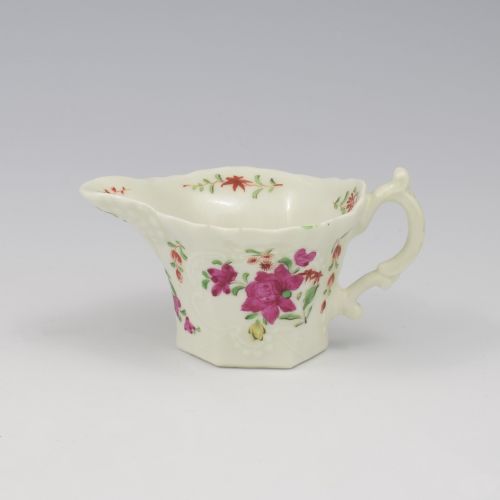
Vintage worcester china encompasses a broad range of decorative and functional ceramics, from cabinet plates and vases to tea sets and figurines. Buyers searching for these pieces often encounter twentieth-century wares spanning the Edwardian era through the 1960s, alongside eighteenth-century porcelain.
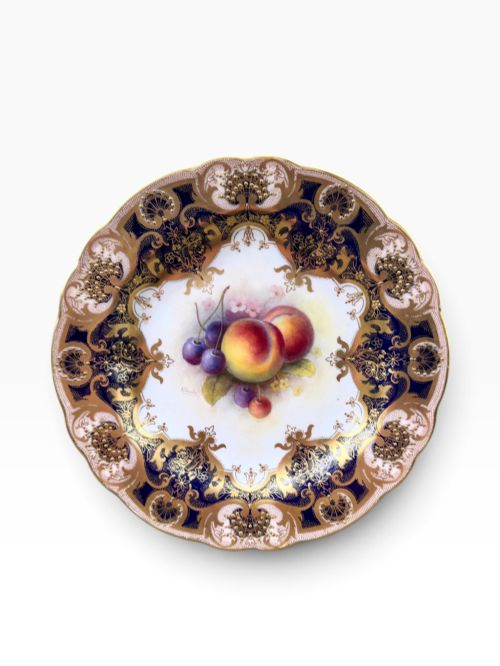
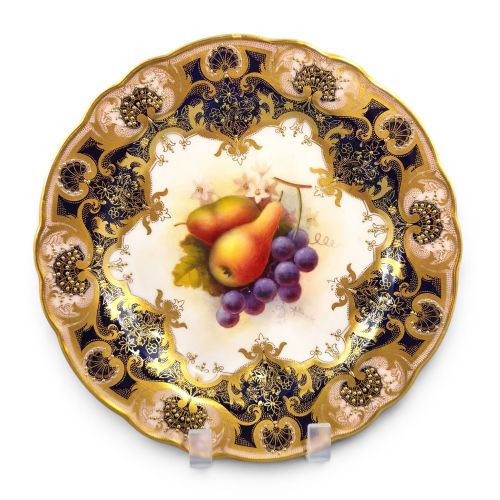
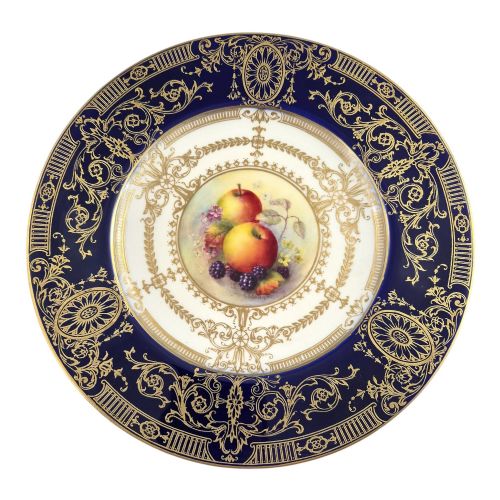
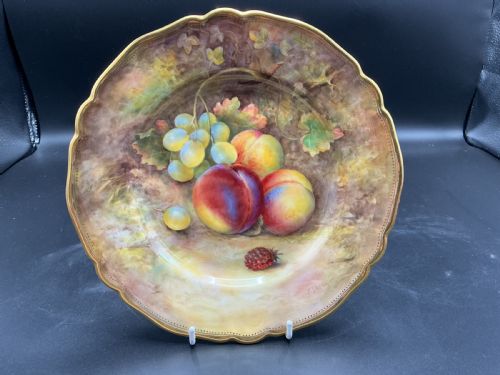
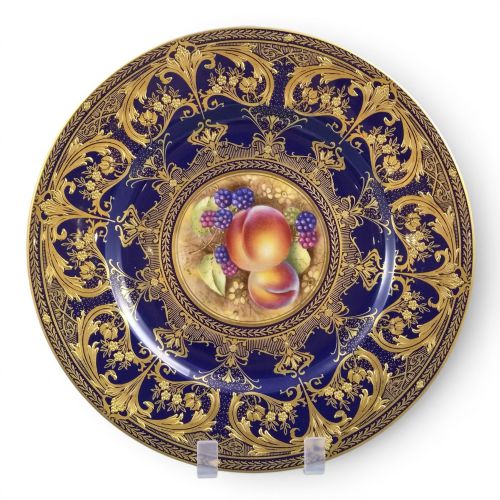
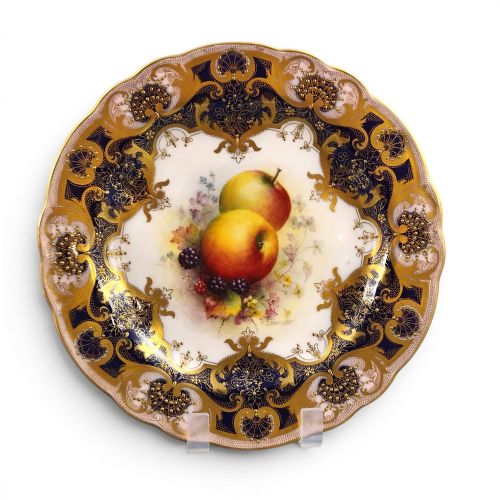
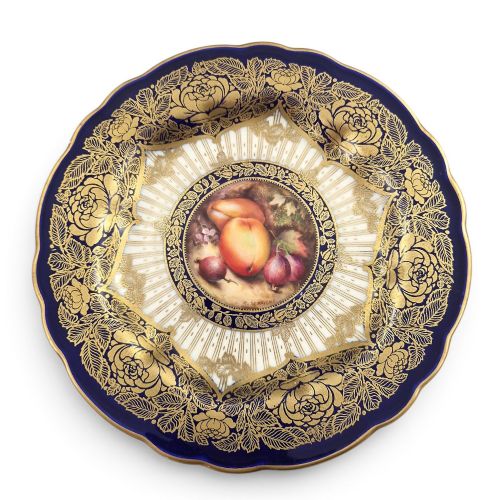
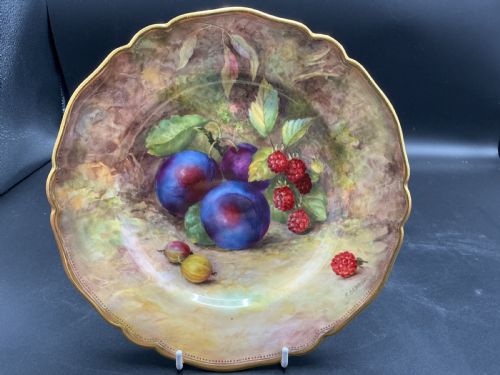
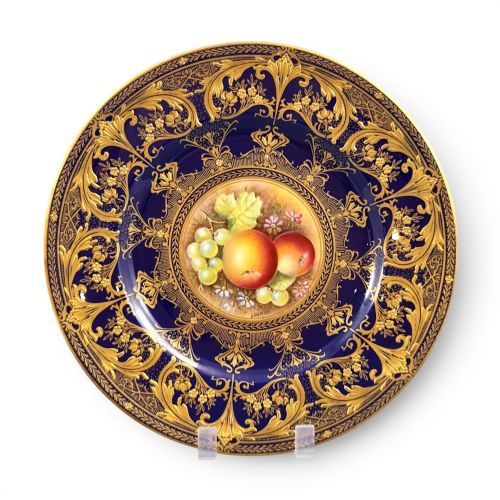
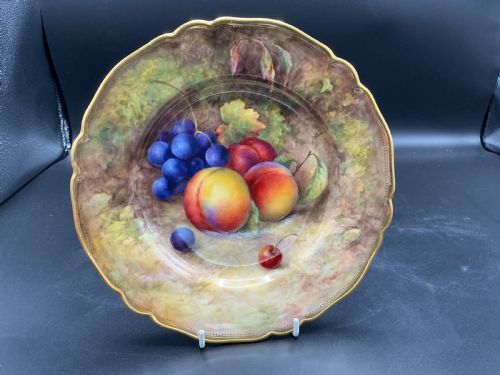
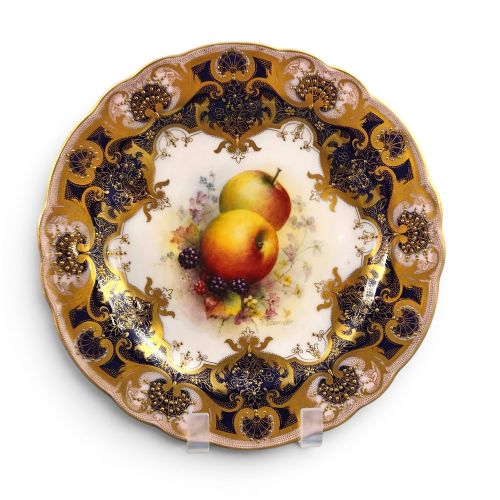
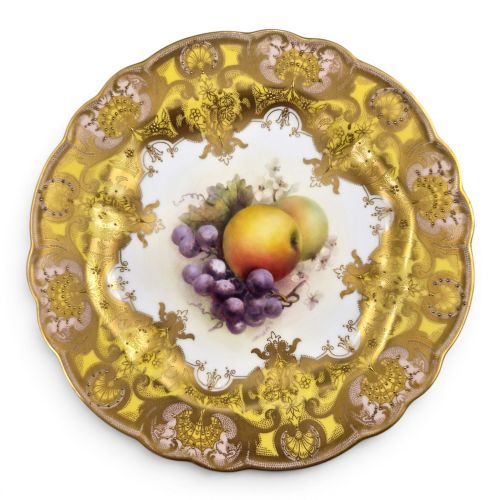
Cabinet plates painted with fruit form a prominent category, often signed by notable artists such as Richard Sebright. Vases, ginger jars, and tea wares complete the selection, reflecting traditional English craftsmanship across multiple decades.
Materials and Technique
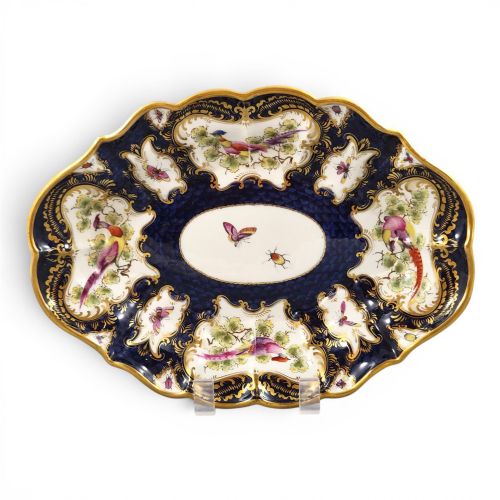
The manufacture relies upon porcelain, bone china, and soft-paste porcelain as the primary ceramic bodies. Artisans applied detailed enamel painting by hand, frequently depicting natural subjects such as fruit, birds, and cattle.
Gilding, gold leaf, and gold gilt provide metallic embellishments to rims, handles, and borders. These decorative techniques combine to create richly coloured surfaces finished with precise hand-painting.
Listings feature porcelain, bone china, and soft-paste porcelain decorated with gold leaf, enamel, and gilding across multiple twentieth-century decades.
Evaluating the Pieces
Quality rests upon the skill of the painting and the reputation of the artist whose signature appears on the surface. Pieces decorated by recognised painters display finer brushwork and more complex shading than standard production items.
The preservation of the gilding and enamel colours also distinguishes superior examples. Intricate forms such as pierced borders or moulded rope edges require higher technical mastery in the kiln.
Royal Worcester·Grainger and Co
The Vintage Worcester China Glossary
- Cabinet plate
- A decorative ceramic plate intended for display rather than dining. These items frequently feature elaborate painted scenes.
- Soft-paste porcelain
- An early ceramic composition fired at lower temperatures than hard-paste porcelain. It produces a slightly warmer texture and distinct translucency.
- Blush ivory
- A matte cream-coloured ceramic ground developed in the late nineteenth century. It provides a soft background for floral and gilt decoration.
- Pot pourri
- A decorative lidded vessel designed to hold dried scented plant material. Perforations in the body allow the fragrance to diffuse.
- Gilding
- The application of gold leaf or powdered gold to ceramic surfaces. This technique highlights rims, handles, and painted borders.
Vintage Worcester China: Frequently Asked Questions
What periods do these pieces cover?
The selection spans from the eighteenth century through the Edwardian period and into the mid-twentieth century.
Twentieth-century pieces from the 1920s, 1930s, and later decades appear alongside earlier examples.
How are painted fruit plates identified?
Painted fruit plates typically feature detailed depictions of apples, grapes, and berries set against natural backgrounds. Many bear the signature of the artist on the face of the porcelain.
Signatures such as Richard Sebright or Albert Shuck indicate individual hand-painting by notable ceramic artists.
What is blush ivory china?
Blush ivory refers to a specific matte cream ceramic body utilised during the late nineteenth and early twentieth centuries. It creates a soft, warm ground for floral designs and gold gilding.
This finish is characteristic of many decorative vases and tea wares from the period.
How should vintage porcelain be displayed?
Cabinet plates and decorative dishes suit display on plate stands or within enclosed cabinets to protect the hand-painted surfaces. Vases and ginger jars function well as focal points on side tables or mantels.
Careful placement away from direct sunlight preserves the vibrancy of the enamel and gold leaf.