
Wool Wall Tapestry
When you search for wool wall tapestry, you step into centuries of woven artistry ranging from grand French chateaux to tribal tents.
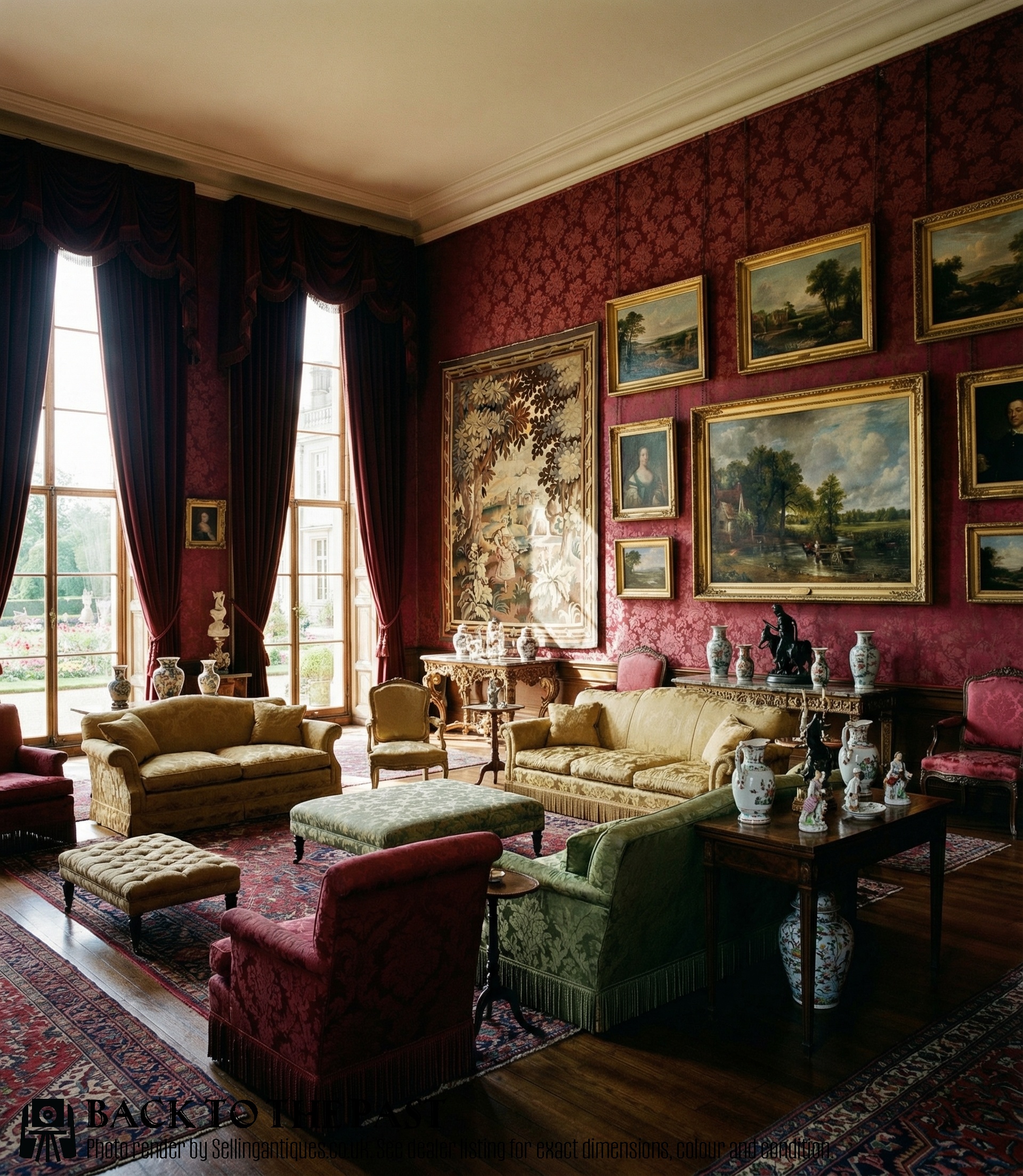
Wool Wall Tapestry
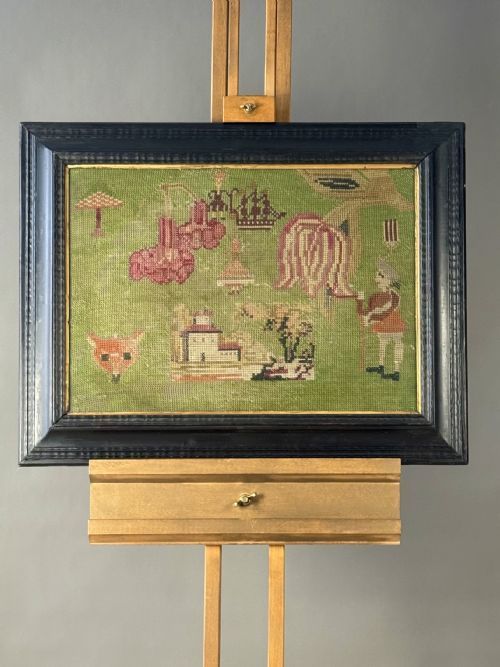
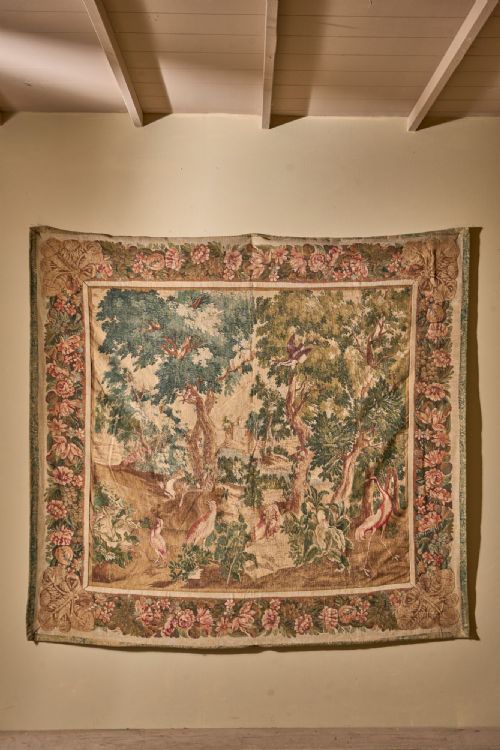
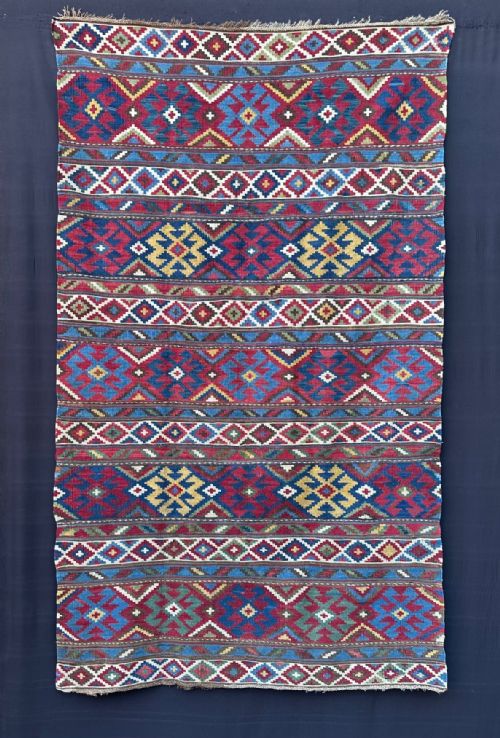
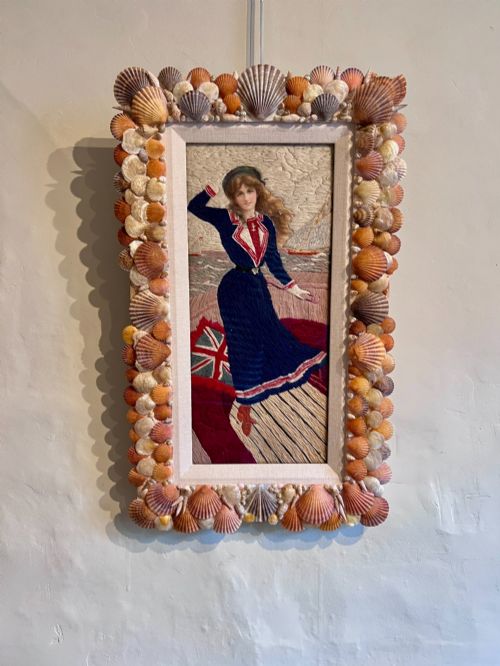
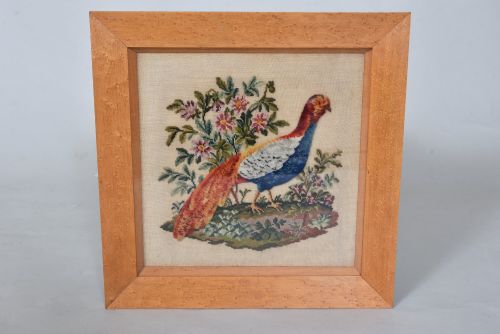
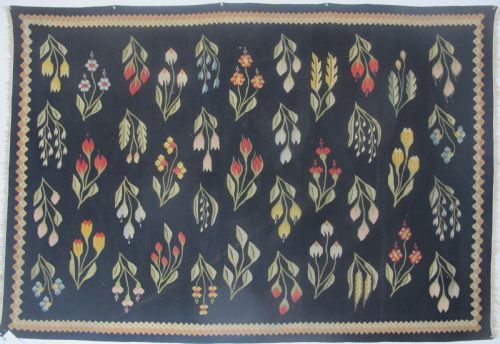
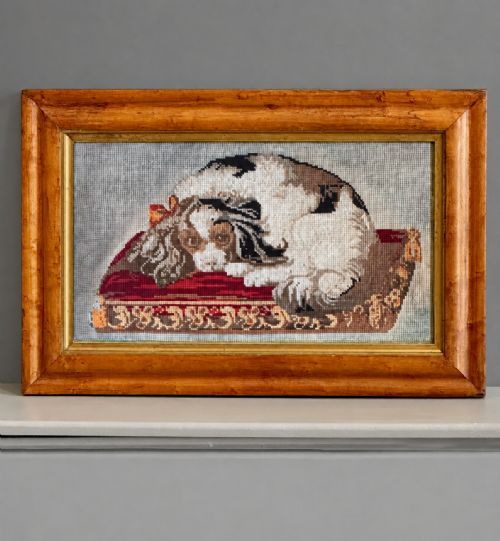
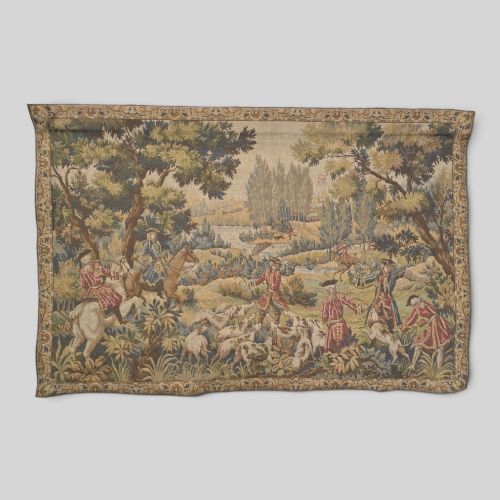
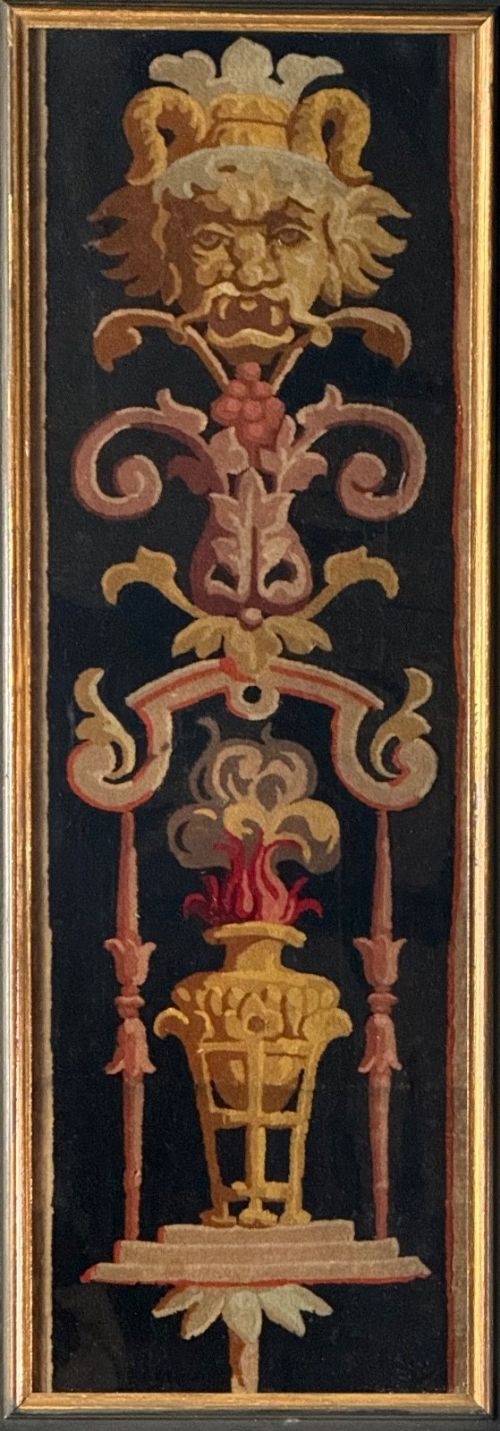
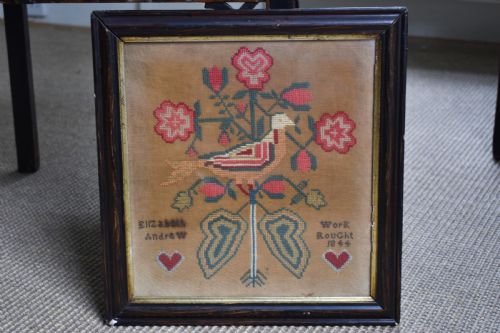
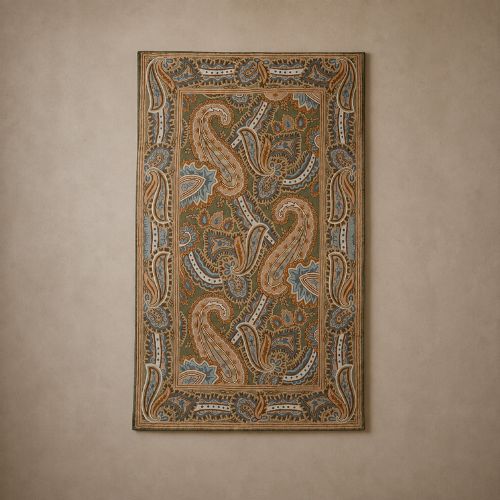
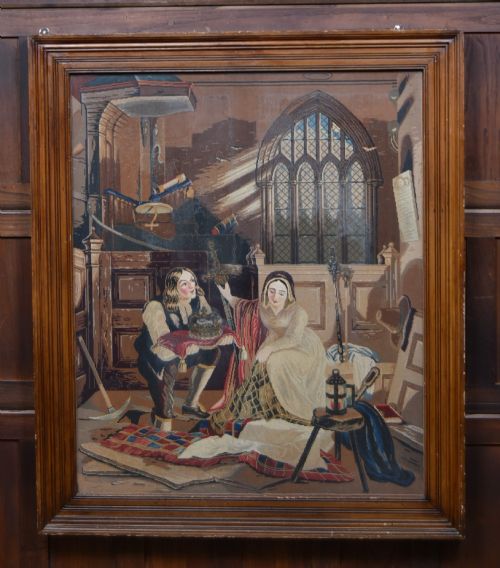
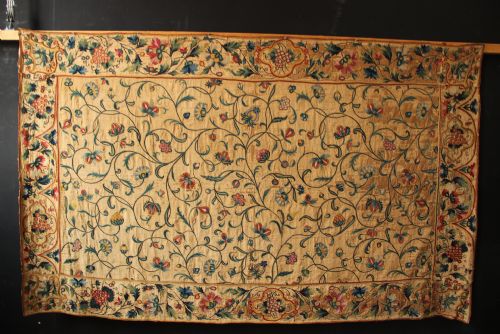
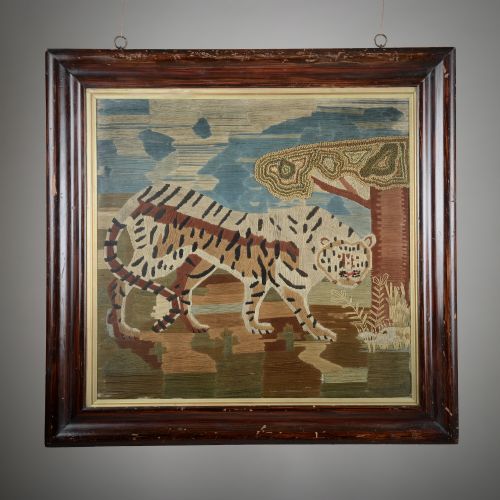
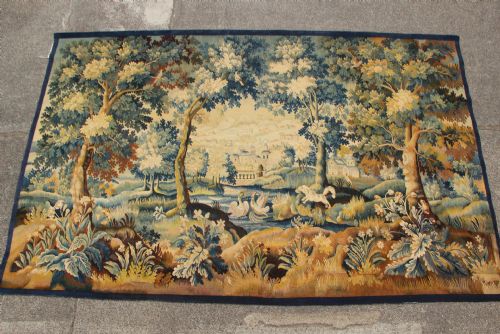
A wool wall tapestry encompasses heavy woven pictorial panels, embroidered needlework pictures, crewelwork panels and tribal weavings designed to hang on interior walls. The selection includes grand seventeenth-century Flemish verdure scenes alongside nineteenth-century Berlin woolwork pictures and Central Asian tribal dowry pieces.
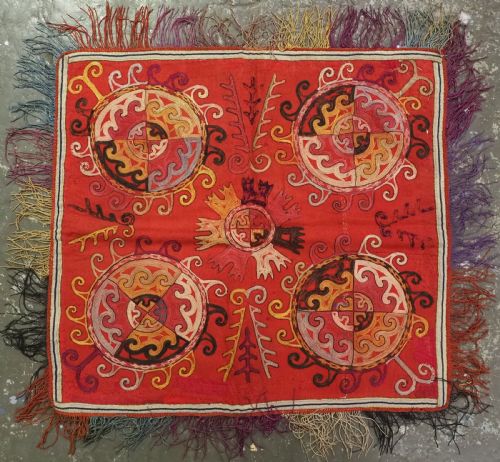
The most common formats on this page are framed needlework panels, nineteenth-century wool hangings and tribal animal trappings utilised as wall decor. These range from pastoral French landscapes and classical figures to geometric Turkmen asmalyks and floral compositions.
How they were made
The makers utilised wool yarn combined with silk, cotton, linen and canvas foundations, occasionally mounting fragments to linen or enclosing them in giltwood and burr maple frames. Weaving techniques span traditional low-warp and high-warp looms for French and Flemish verdure tapestries, alongside intricate needlepoint, petit point, plushwork and tribal pile or flatweave methods.
Stitch types vary from fine crewelwork embroidery using wool threads on linen to dense Berlin woolwork mapped on squared paper. Structural support relies on sturdy canvas grounds, hand-knotted foundations for tribal pieces, and wooden stretchers or frames for stability.
Object types range from large wall hangings and verdure panels to nomadic horse blankets and dowry embroideries.
What varies in quality
Quality rests upon the fineness of the weave or stitch density, the complexity of the pictorial design, and the survival of the original palette. Early Flemish verdure panels and detailed French needlework display superior chromatic depth and pictorial shading using dyed wools.
The integrity of the textile foundation, the precision of execution in figures or foliage, and the presence of period framing dictate the standing of an individual piece within its category.
The Wool Wall Tapestry Glossary
- Verdure tapestry
- A woven wall hanging dominated by lush foliage, trees, plants and often birds or animals. These pastoral French and Flemish scenes date predominantly from the seventeenth and eighteenth centuries.
- Berlin woolwork
- A type of nineteenth-century needlepoint embroidered in wool using charted design papers. These framed pictures often depict portraits, animals or biblical narratives.
- Crewelwork
- Embroidery executed with wool yarn on a linen or cotton twill foundation. This technique creates textured floral and botanical panels popular in English decorative arts.
- Asmalyk
- A pentagonal tribal trapping woven by Turkmen groups such as the Yomut tribe. These ceremonial pieces were mounted on camel flank decorations before later transitioning to wall display.
- Petit point
- A very fine needlepoint stitch worked on single-thread canvas. This technique allows for intricate detail and subtle facial expressions in pictorial wall hangings.
Wool Wall Tapestry: Frequently Asked Questions
How do I hang a heavy wool tapestry?
Large woven panels require a fabric tunnel or loops sewn along the upper reverse to distribute weight evenly across a concealed wooden batten or metal rod. This method prevents distortion of the wool fibres and protects the structural integrity of the textile.
Smaller framed needlework pieces utilise standard picture wire attached to secure D-rings fixed directly into the wood frame. Ensure the wall anchors match the weight of both the textile and its wooden or gilt surround.
How should I clean my antique tapestry?
Professional textile conservation is the only safe method for cleaning historic wool wall hangings. Household washing or chemical spot treatments cause irreversible shrinkage, dye bleeding and fibre breakage.
Routine maintenance involves very gentle surface dusting with a soft brush or low-suction vacuum cleaner fitted with a mesh screen. Keep the textile away from direct sunlight to prevent fading of the natural wool dyes.
What is the difference between a tapestry and crewelwork?
A tapestry is a textile formed by interweaving warp and weft threads on a loom to create a picture from scratch. Crewelwork is an embroidery technique where wool yarn is stitched onto an existing woven fabric foundation.
Both were utilised for wall decoration across different centuries, but loom-woven pieces generally possess greater weight while crewelwork showcases surface needle texture.
How do I date an antique needlework picture?
Dating relies on stylistic clues within the subject matter, the type of canvas or linen support, and the framing materials. Eighteenth-century examples often feature classical motifs or pastoral scenes, whereas Victorian pieces frequently display Berlin woolwork charts or plushwork techniques.
Examining the back of the panel reveals the ageing of the fibres and any historical lining or mounting materials applied during previous centuries.