

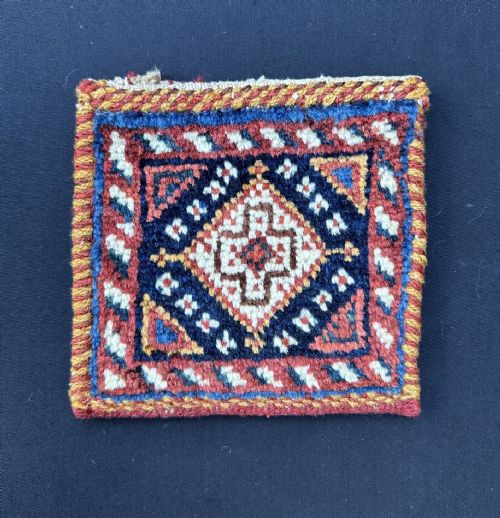
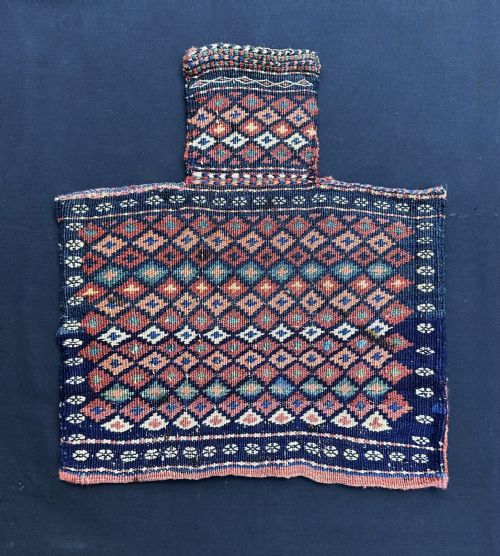
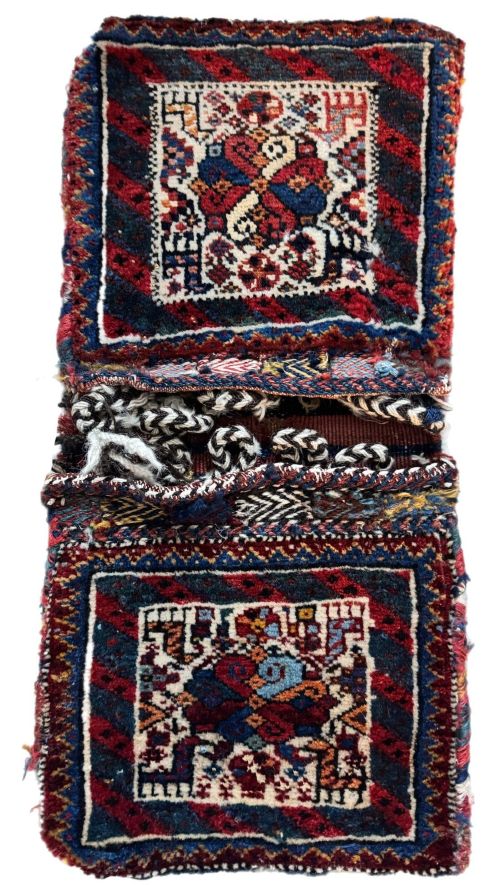
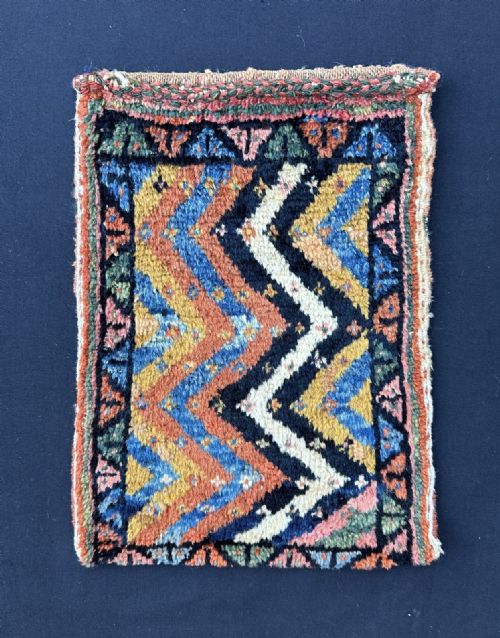
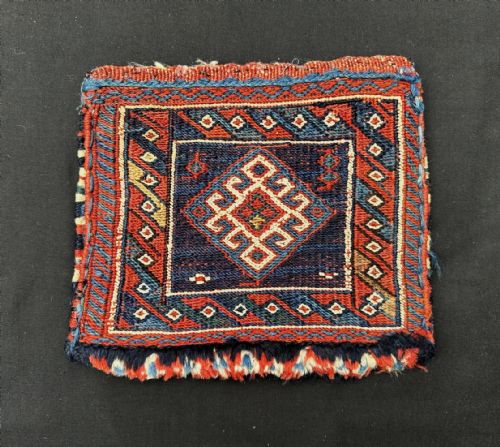
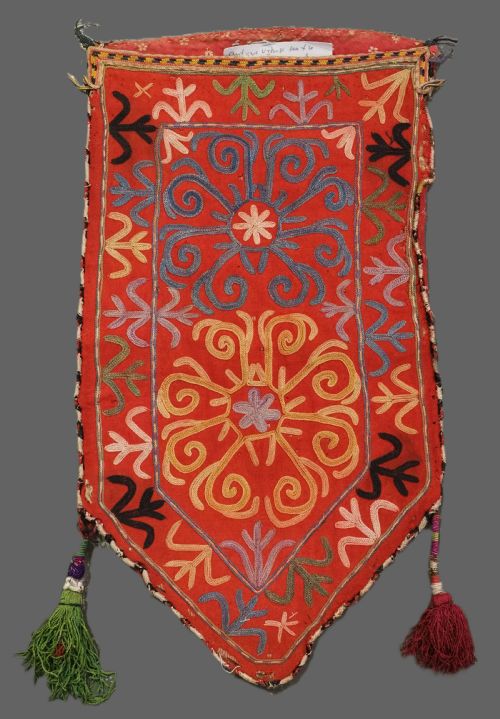
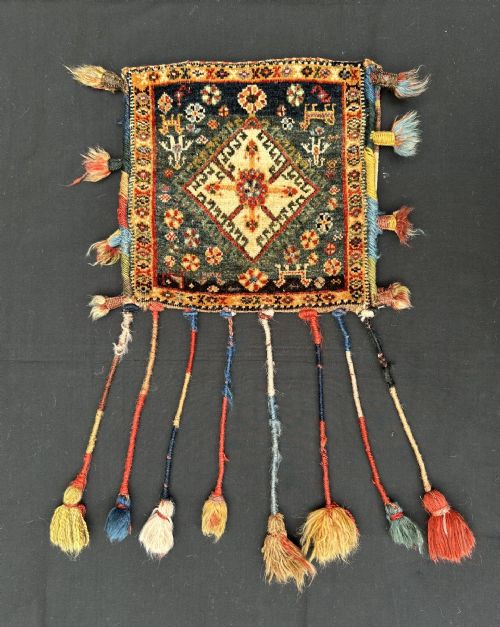
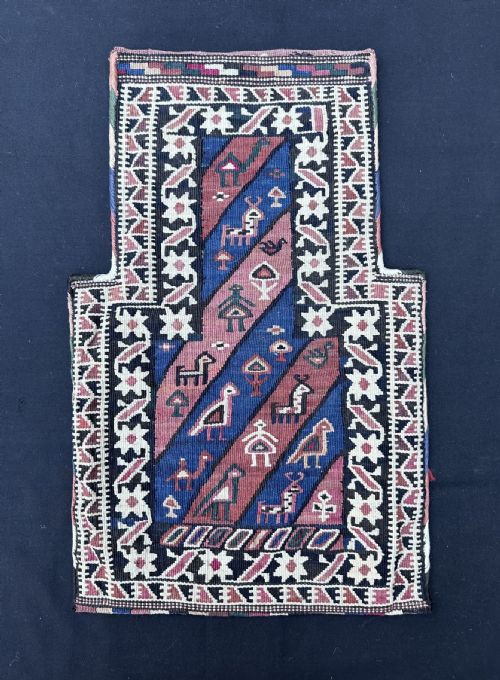
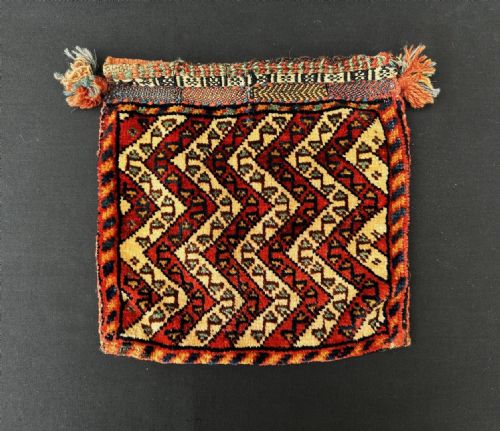
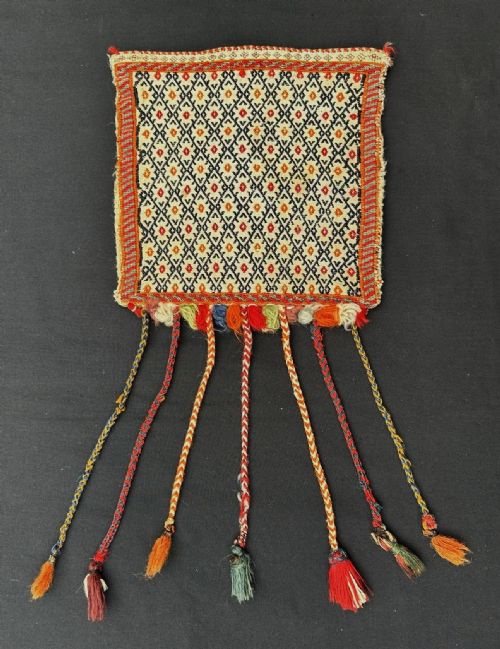


Wool Tribal Pouch
A wool tribal pouch offers a tangible link to nomadic life through utilitarian weaving.
Wool Tribal Pouch
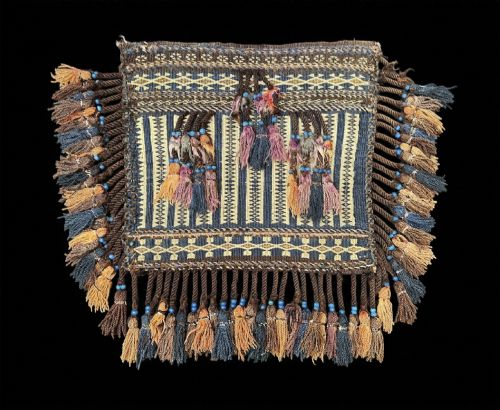
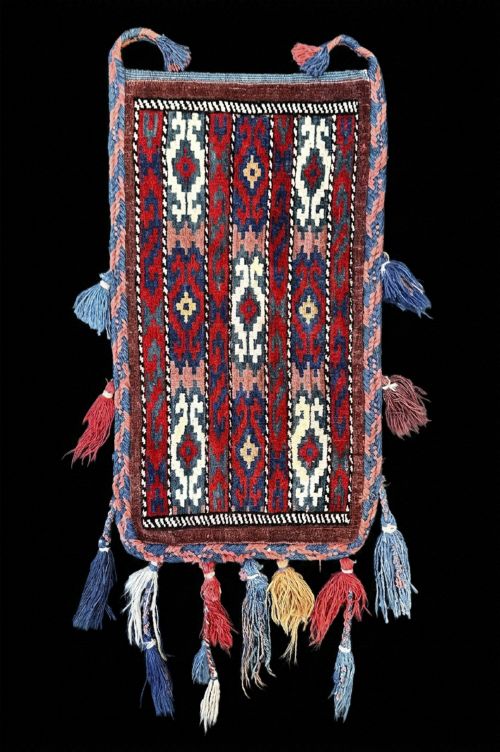
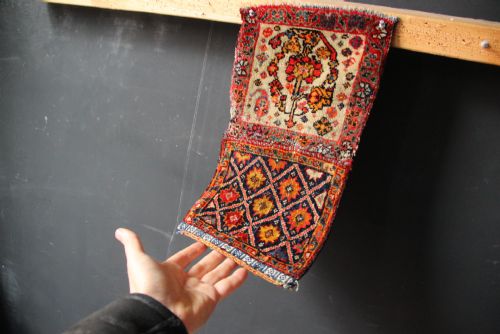
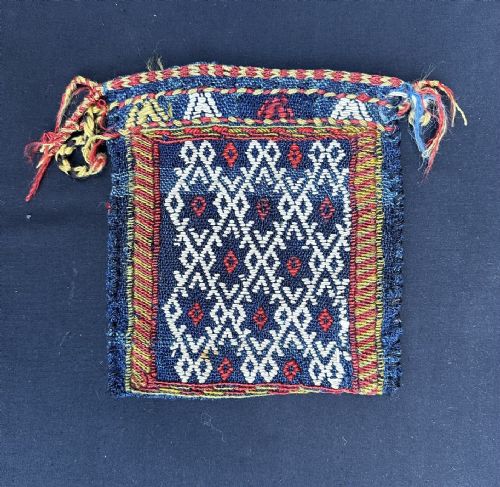
A wool tribal pouch encompasses a range of utilitarian carriers woven by nomadic and village groups across Persia, Central Asia, and Afghanistan. When exploring this selection, buyers frequently encounter specialised containers intended for salt, tobacco, spindles, or personal vanity items.
These items originate from diverse confederacies and tribes, including the Qashqa'i, Afshar, Baluch, and Yomut Turkmen. Each piece reflects the specific domestic requirements and regional aesthetics of its makers during the late nineteenth and early twentieth centuries.
Materials and construction techniques
The construction relies fundamentally on hand-spun wool and cotton, occasionally enriched with silk, dyed yarn, and natural dyes to achieve deep colour palettes. Artisans employed flatweave, soumak work, and pile techniques to create durable surfaces suited to daily transport.
Structural integrity often includes original plain weave backs and specialised banding. Details such as glass beads, cowrie shells, and intricate double-faced weaving further characterise the regional workshops.
Wool Tribal Pouch Retail Price Guide 2026
Typical asking prices for wool tribal pouch among the pieces listed under this phrase on Sellingantiques today, from the lower quarter to the upper quarter. They describe what is for sale here now, not the wider market.
Nomads tucked pipes into these pouches, ensuring tobacco stayed close at hand.
Assessing quality and character
Quality rests in the precision of the weave, the complexity of the tribal motifs, and the depth of the natural dyes utilised. Examples retaining complete original backs and specialised hanging elements command greater interest from collectors.
Finer knotting density and sophisticated structural execution distinguish exceptional examples from standard utilitarian work. The integrity of the materials and the clarity of the design structure remain primary indicators of a superior artefact.
The Wool Tribal Pouch Glossary
- Chanteh
- A small personal bag or vanity pouch woven by nomadic women. These small pieces often served ornamental as well as practical functions.
- Torba
- A wide utility bag used in Turkmen households for storage within a yurt. They typically feature prominent gul motifs.
- Soumak
- A flatweave technique where weft threads are wrapped over the warp to create a textured, durable surface. This method offers distinct structural firmness compared to standard pile weaving.
- Namakdan
- A dedicated salt bag featuring a narrow neck and broader base, traditionally used by nomads for storing rock salt.
- Gul
- A medallion pattern repeated across Turkmen and Central Asian textiles. Each design often signifies a specific tribal lineage.
Wool Tribal Pouch: Frequently Asked Questions
What were wool tribal pouches used for?
Nomadic communities utilised these containers for carrying salt, tobacco, pipes, spindles, and personal vanity items during daily travel and camp life.
Their specific shapes often corresponded directly to their contents, such as the narrow neck of a salt container or the compact dimensions of a personal vanity pouch.
How do I identify a Baluch tribal pouch?
Baluch examples typically display deep, saturated colour palettes incorporating dark wools, intricate geometric motifs, and occasional supplementary materials like goat hair or cowrie shells.
Originating from regions spanning modern Iran and Afghanistan, they often feature distinctive banded weft work and practical double-sided formats.
Are Turkmen torbas different from standard bags?
Turkmen torbas function primarily as wide storage containers designed to hang inside tents or yurts rather than for transport on animals.
They are distinguished by structured field designs dominated by repeating guls and finished flatweave backs intended for wall attachment.
How should I display a textile bag at home?
These textiles adapt well to wall hanging or placement on stable surfaces where their structural weave and natural dyes remain visible without excessive handling.
Protecting the wool from direct sunlight helps preserve the natural dye tones over time while maintaining the integrity of the original backing.