

Wool Tribal Hearth Rug
A wool tribal hearth rug brings grounded weight and rich village character directly to a fireside floor.
Wool Tribal Hearth Rug
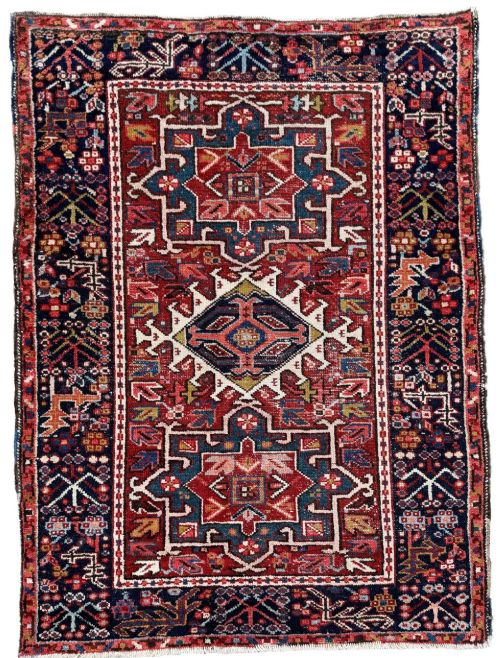
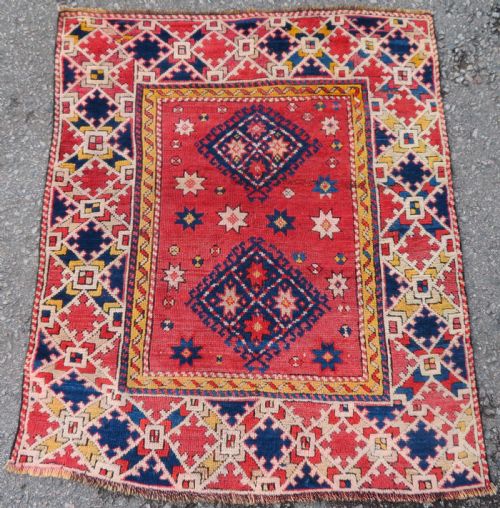
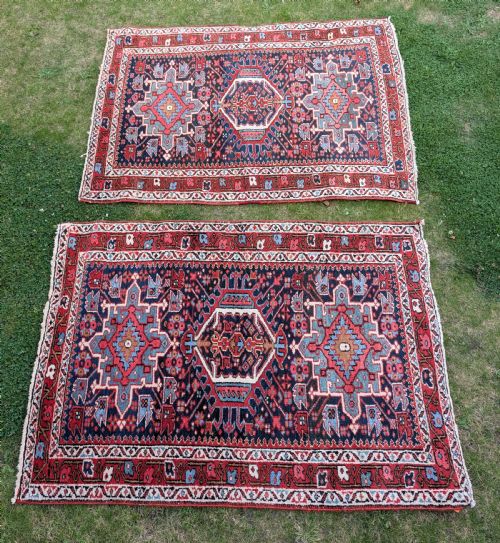
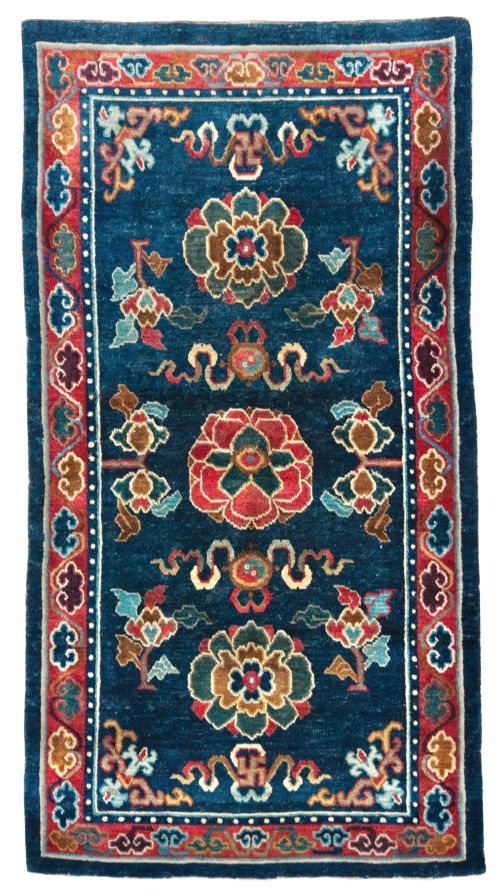
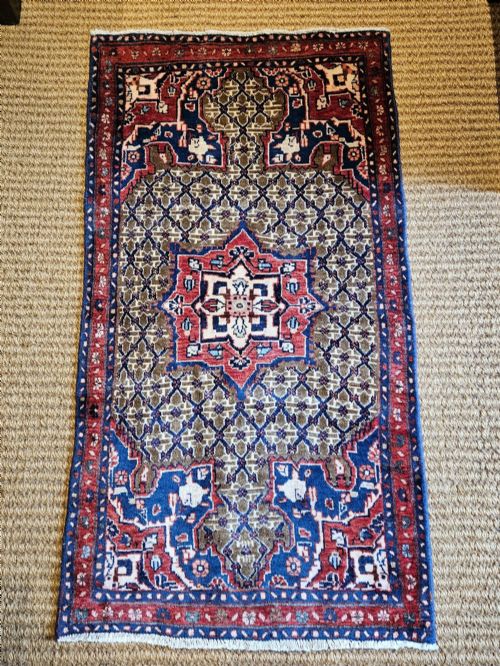
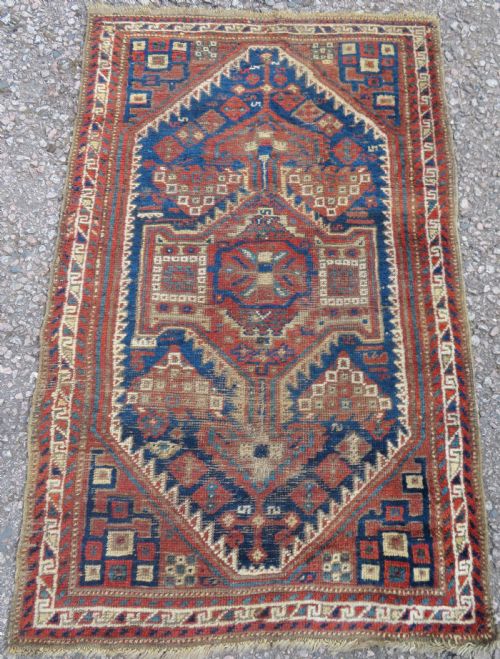
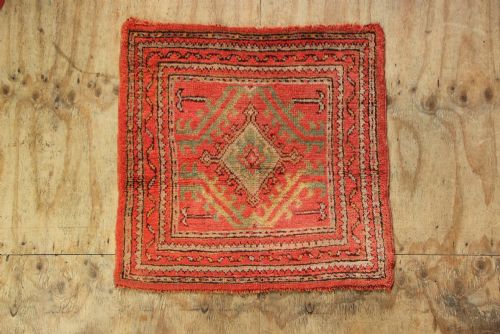
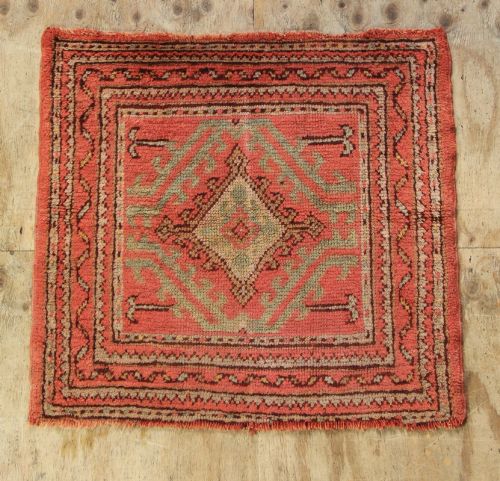
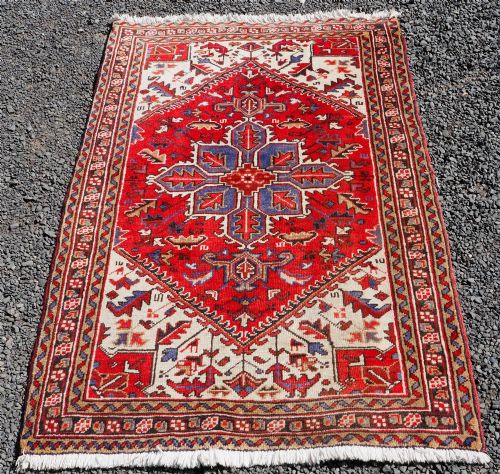
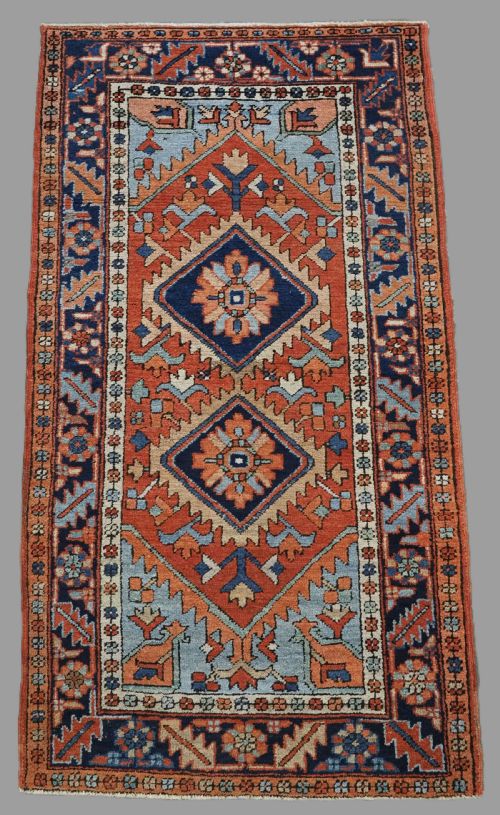
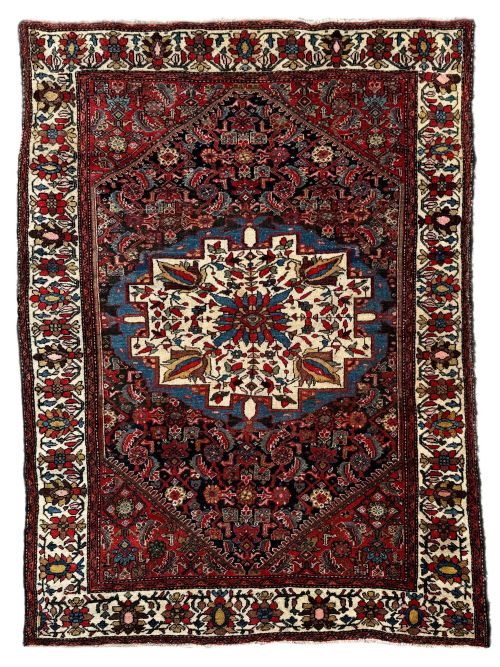
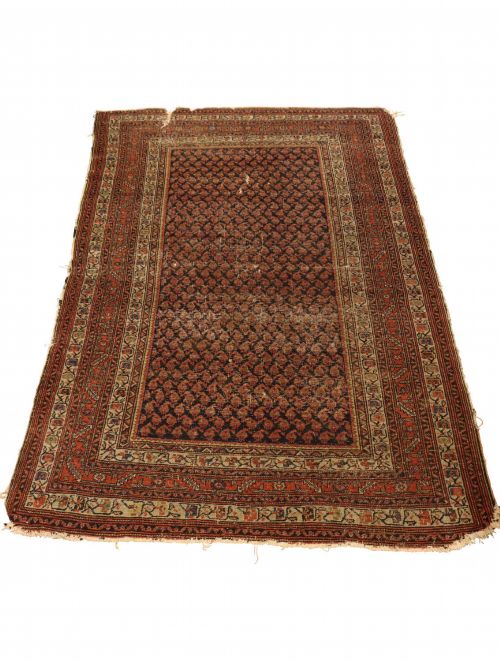
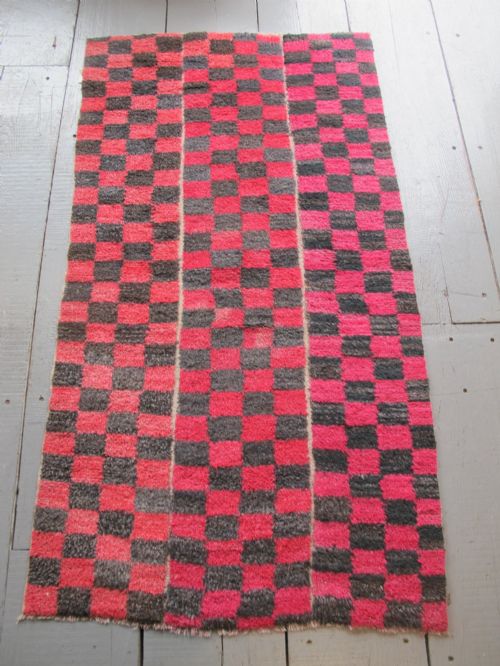
A wool tribal hearth rug is typically a smaller-scale floor covering created by nomadic or village weavers in Persia, Anatolia, the Caucasus, and Central Asia. These pieces often span the nineteenth and early twentieth centuries, appearing as square mats, rectangular runners, and compact area formats suited for placement before a fireplace.
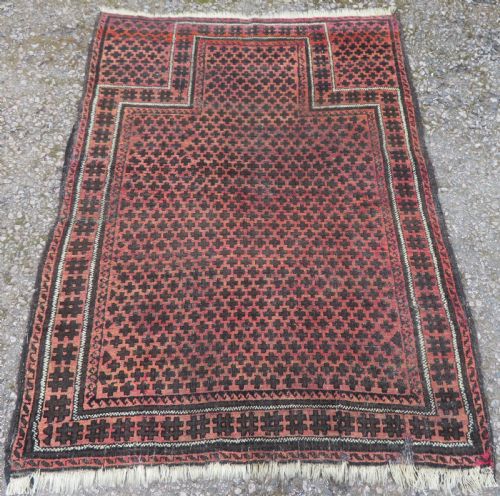
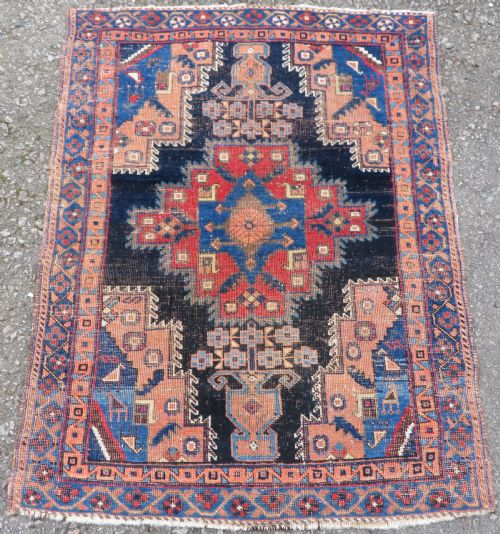
The selections encountered here range from Persian village productions like Karaja and Heriz to Anatolian Bergama and Oushak pieces, alongside Caucasian, Tibetan, and Baluch examples. Each piece reflects the specific regional palette and knotting traditions of its maker, fulfilling both decorative and practical warmth on stone or timber floors.
How they were made
These textiles rely on hand-spun wool and camel wool piles knotted onto robust cotton warps, utilising natural dyes derived from local plants and minerals. The density of the pile varies according to origin, from the heavy warmth of thick village carpets to the flatter execution of meditation or prayer pieces.
Weavers construct each piece by hand on vertical or horizontal looms, building geometric medallions, boteh motifs, and star patterns directly from memory or tribal tradition. The structural integrity depends on the quality of the wool and the tightness of the foundational warp threads.
The listings here feature pieces from the nineteenth and early twentieth centuries, including 1900, 1910, 1890, 1930, 1920, 1880, 1870, and the 19th Century.
What varies in quality
Quality in these textiles rests upon the handle and lustre of the wool, where natural hand-spun fibres retain rich lanolin and age with deep visual resonance. The depth of colour and the clarity of regional design motifs, such as tribal medallions or prayer mihrabs, separate simpler village pieces from finer workshop creations.
Proportion and execution dictate distinction, as smaller formats demand precise scaling of complex patterns. The harmony of the dye palette and the integrity of the original edges and ends further distinguish superior examples.
The Wool Tribal Hearth Rug Glossary
- Warp
- The vertical foundation threads stretched tightly on the loom before knotting begins. These lengthwise threads support the entire structure of the rug.
- Boteh
- A stylised floral motif resembling a curved almond or pear shape. This ancient design appears frequently across Persian and Anatolian village weaves.
- Mihrab
- A arched niche design representing a prayer door, commonly found in rugs designed for devotion. This architectural motif points toward Mecca during prayer.
- Medallion
- A large central ornamental design anchored in the middle of the field. These geometric or floral centerpieces dominate the visual composition of the piece.
Wool Tribal Hearth Rug: Frequently Asked Questions
Where should a small hearth rug be placed?
These compact floor coverings fit naturally directly in front of an open fireplace or wood-burning stove, where their durable wool pile provides practical warmth.
They also function effectively as accent pieces in smaller hallways, entryways, or beside seating areas to anchor furniture arrangements.
How do I care for antique wool rugs?
Regular gentle vacuuming without a rotating brush roll prevents dust and grit from settling deep into the wool pile.
Professional specialist cleaning is recommended when necessary to preserve the natural lanolin and historic dyes.
What is the difference between village and nomadic rugs?
Nomadic pieces are woven by tribal groups on portable looms, often featuring spontaneous geometric memory patterns and rustic camel wool.
Village rugs are typically produced in settled communities by stationary weavers using more formalized regional designs and established market looms.
How can I identify tribal prayer rugs?
Prayer rugs are distinguished by a single or multiple arched mihrab design at one end, which historically directed the worshipper.
These compact formats were woven for personal devotion and daily ritual use within the home.