

Handwoven Tribal Area Rug
A handwoven tribal area rug brings grounded floor texture and village character into a room through geometric motifs and deep wool pile.
Handwoven Tribal Area Rug
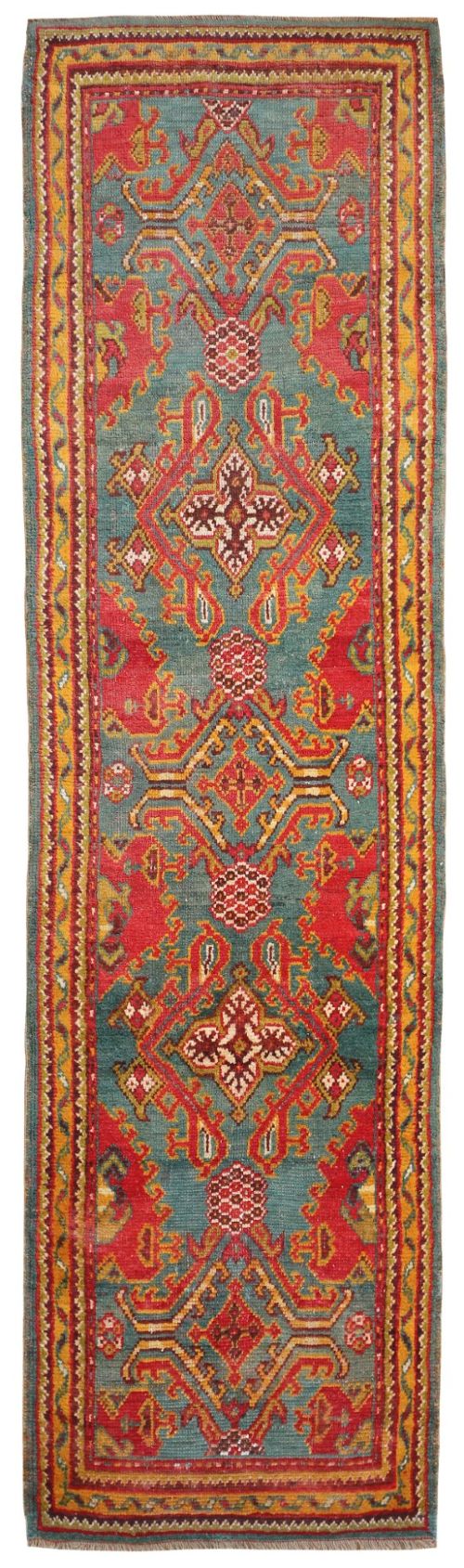
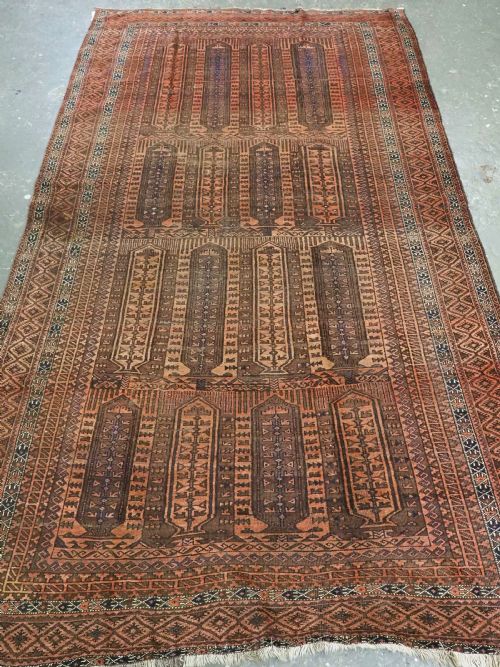
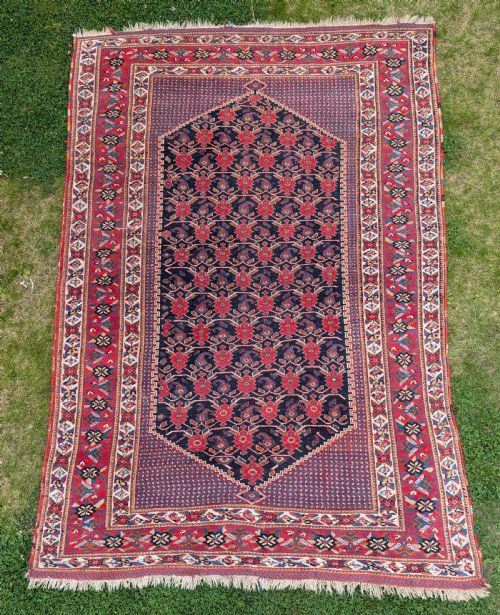
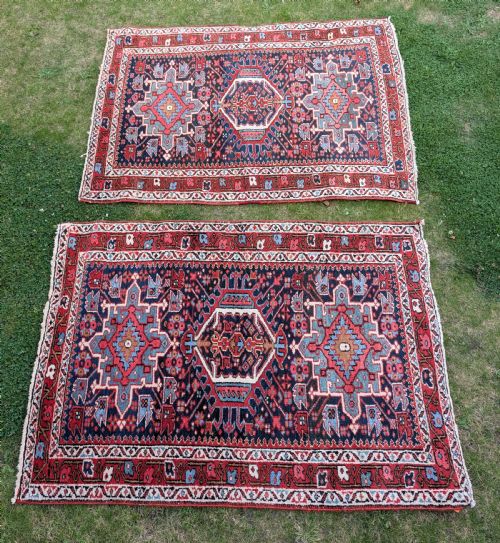
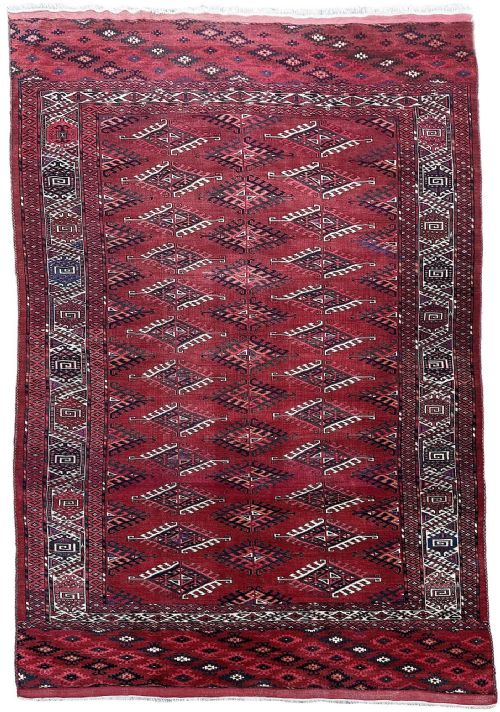
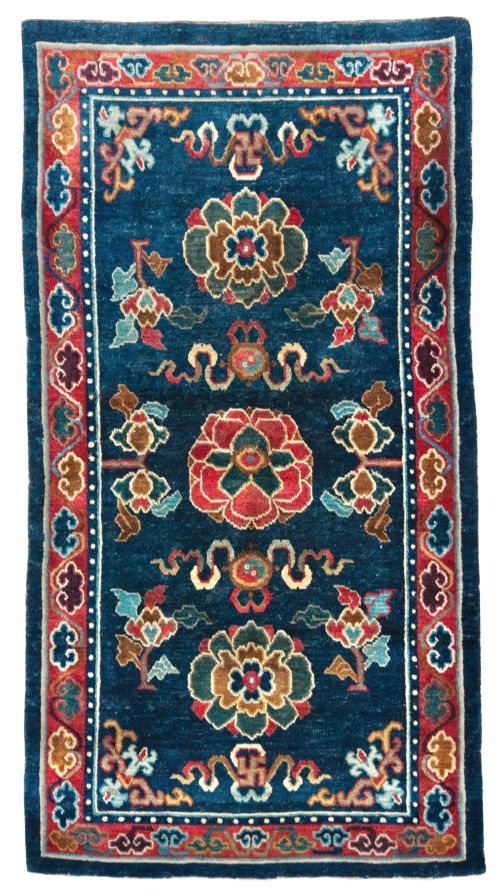
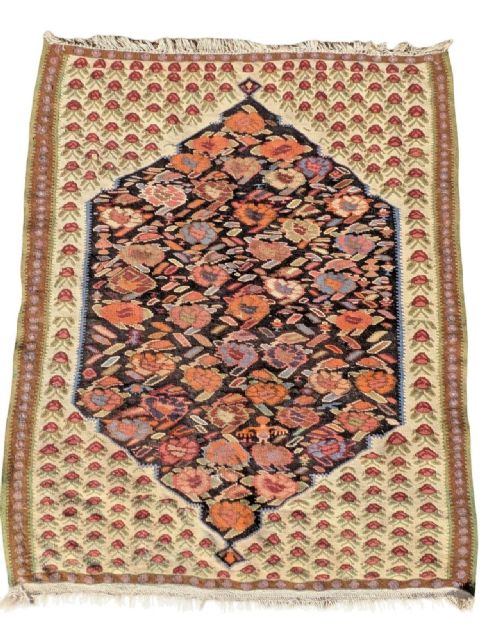
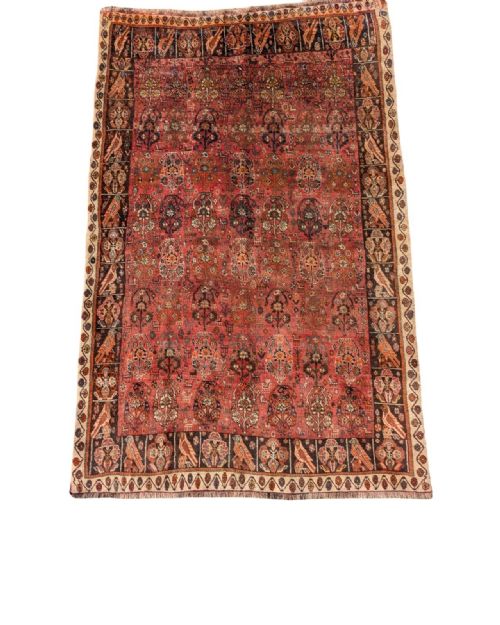
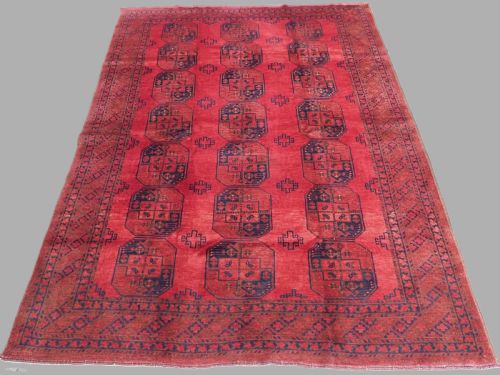
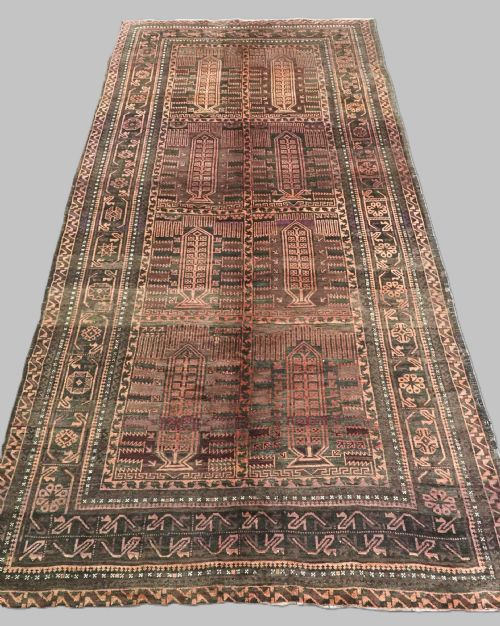
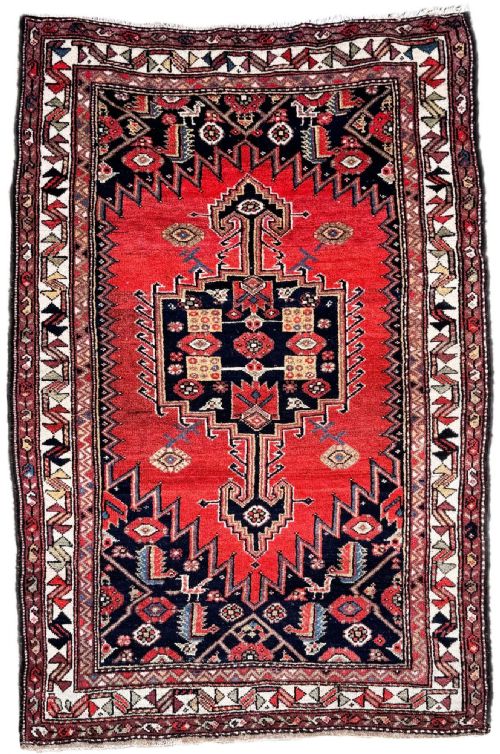
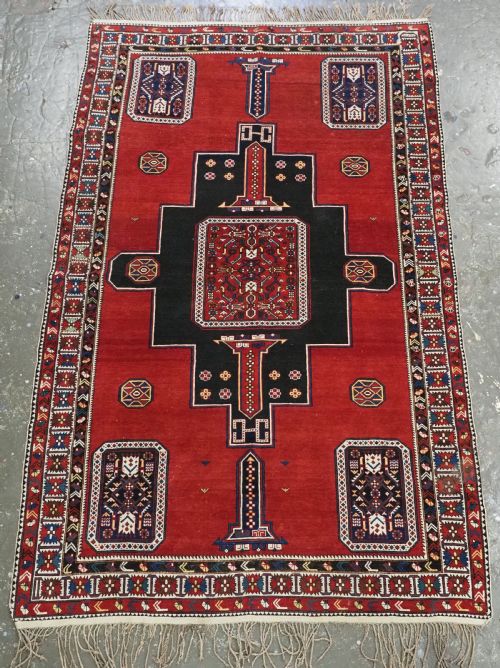
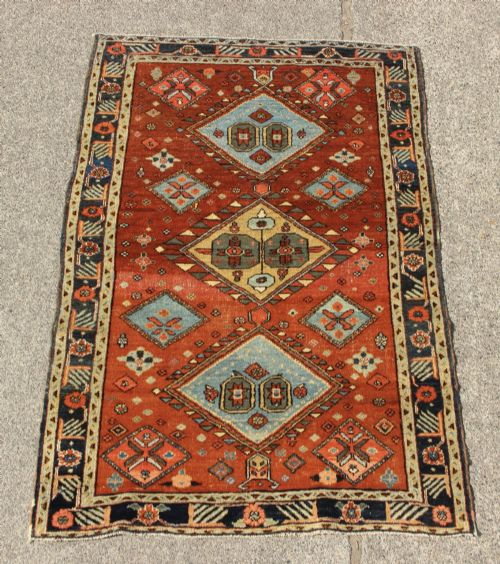
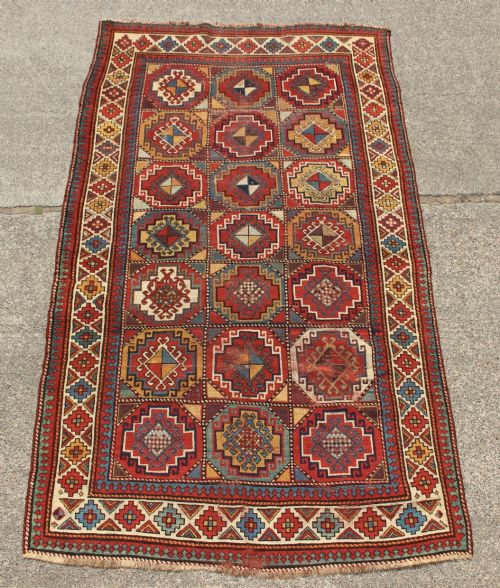
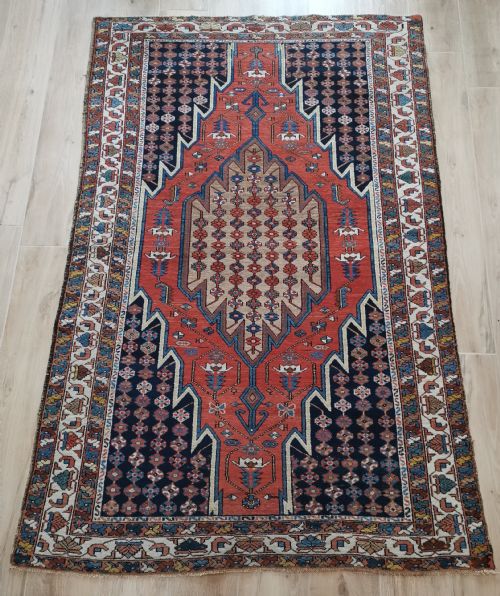
A handwoven tribal area rug is a floor covering produced by village or nomadic weavers using traditional looms and regional motifs. When exploring a handwoven tribal area rug, buyers encounter pieces originating from Persian, Caucasian, Afghan, Anatolian, and Tibetan weaving traditions. These textiles range from compact mats to room-sized carpets, spanning periods from the nineteenth century through the mid twentieth century.
The selections available here emphasise wool construction, often utilising hand-spun wool and natural dyes to achieve rich colour variations. Common regional forms include runner rugs, prayer rugs, and village carpets carrying geometric medallions, repeating field patterns, or tribal symbols. Each piece reflects the specific weaving vocabulary of its maker and geographic origin.
How they were made
The construction of these textiles relies primarily on wool and cotton foundations worked by hand. Weavers use hand-spun wool for the pile, knotting the fibres tightly onto cotton or wool warp and weft threads to build a durable structure.
Colour comes from natural dyes applied to the wool before weaving begins. This traditional dyeing method produces nuanced tones that shift subtly across the surface of the carpet over time.
Handwoven Tribal Area Rug Retail Price Guide 2026
Typical asking prices for handwoven tribal area rug among the pieces listed under this phrase on Sellingantiques today, from the lower quarter to the upper quarter. They describe what is for sale here now, not the wider market.
Listings span periods from the late nineteenth century through 1940, predominantly featuring wool construction and natural dyes.
What varies in quality
The standard of a woven carpet depends upon the density of the knotting and the precision of the geometric layout. Tighter knots secure the wool pile more firmly, allowing intricate motifs to remain sharp and defined.
Material preparation also dictates quality, distinguishing standard commercial yarns from finely carded hand-spun wool. The depth and stability of natural dyes further separate ordinary village work from exceptional examples of tribal weaving.
The Handwoven Tribal Area Rug Glossary
- Warp
- The vertical threads stretched on a loom that form the structural foundation of the rug. Fringe ends typically consist of these exposed warp threads.
- Weft
- The horizontal threads passed through the warp to bind the knots in place. Together, warp and weft create the grid that holds the wool pile.
- Medallion
- A central decorative motif placed in the middle of the rug field. Tribal weavers often render these in geometric or cruciform shapes.
- Prayer rug
- A small format textile featuring a mihrab or niche design used historically for daily devotions. These pieces direct the focus of the user towards a specific orientation.
- Kilim
- A flat-woven carpet produced without a pile by tightly interweaving warp and weft threads. This technique yields a lightweight textile suitable for floors or wall hanging.
Handwoven Tribal Area Rug: Frequently Asked Questions
Where were these rugs made?
These carpets originate from nomadic tribes and village communities across Persia, the Caucasus, Afghanistan, Anatolia, and Tibet. Each region developed distinct palettes and geometric vocabularies.
Local weaving groups passed down specific patterns through generations, creating recognizable regional styles among Persian Bakhtiar, Caucasian Kazak, and Afghan Baluch pieces.
How do I care for my rug?
Regular gentle vacuuming without a rotating brush roll keeps dust from settling into the wool pile. Professional cleaning suited for antique textiles preserves the natural dyes and fibres.
Placing a breathable rug pad underneath prevents slipping and reduces friction between the wool foundation and the hard floor surface.
What is a prayer rug used for?
Traditional prayer rugs feature a distinct architectural niche or arch design known as a mihrab. Historically, the weaver pointed this directional motif toward Mecca during prayer.
Today, these smaller formats function well as accent pieces in entryways or beside furniture where compact floor coverage is needed.
How do I identify a tribal design?
Tribal designs rely on bold geometric figures, repeating stars, cruciform medallions, and stylized animal or plant forms rather than fluid floral curves. Weavers drew these motifs from memory and tribal tradition.
Asymmetrical irregularities in the borders and minor shifts in colour often indicate hand-knotted village production rather than factory output.