





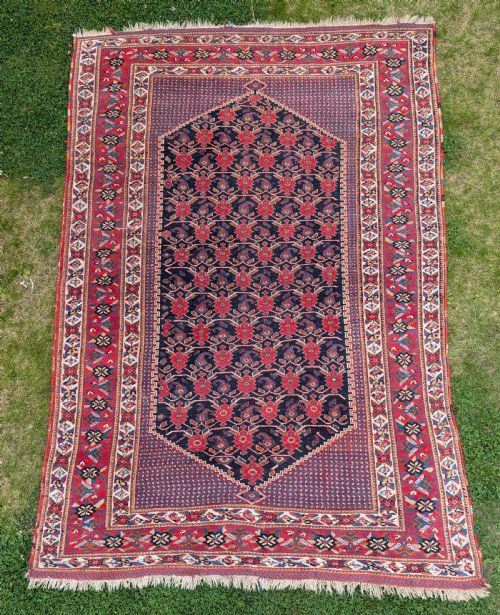
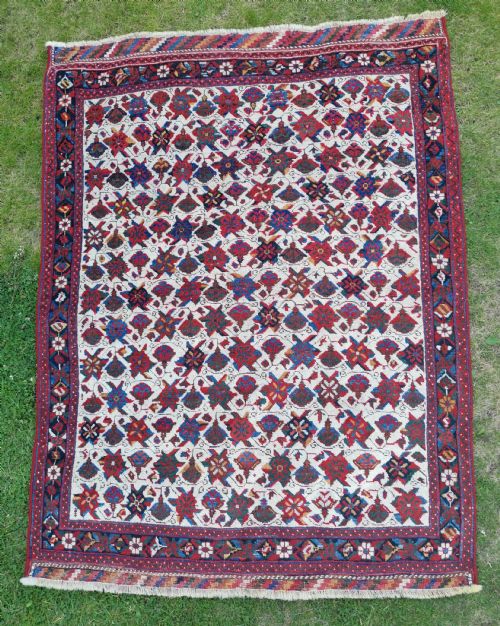
Red Geometric Persian Rug
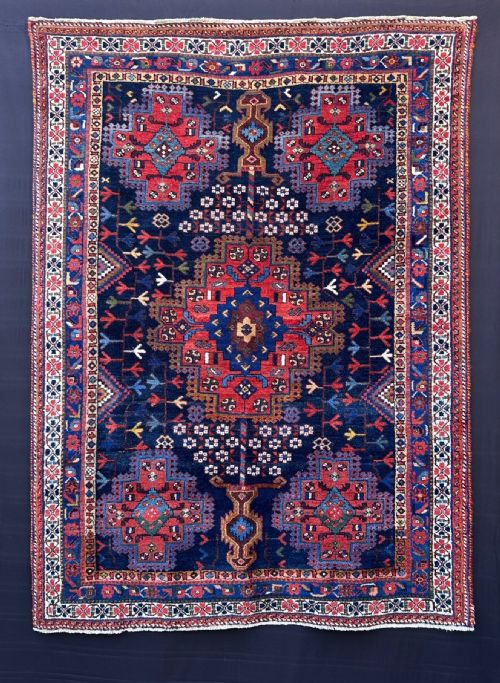
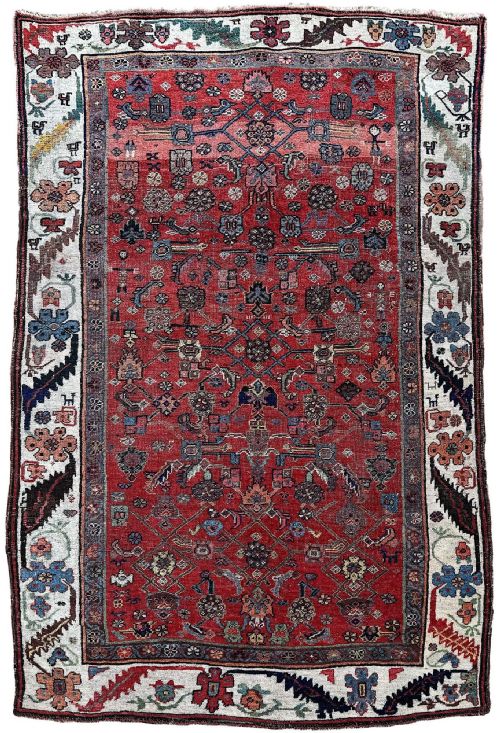
A red geometric persian rug brings warmth and structured pattern to a room through traditional village and tribal weaving.
Red Geometric Persian Rug
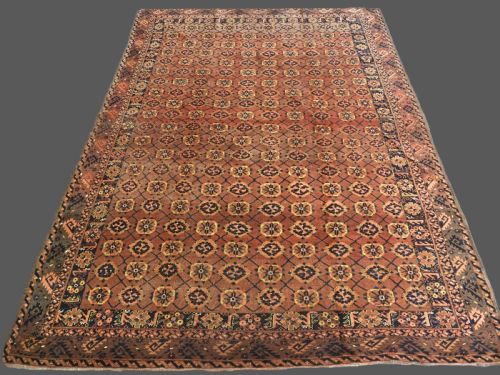
When you search for a red geometric persian rug, you encounter hand-knotted textiles originating from village workshops and nomadic tribes across Persia. The selection spans the nineteenth and early twentieth centuries, bringing together distinct regional designs and durable formats.
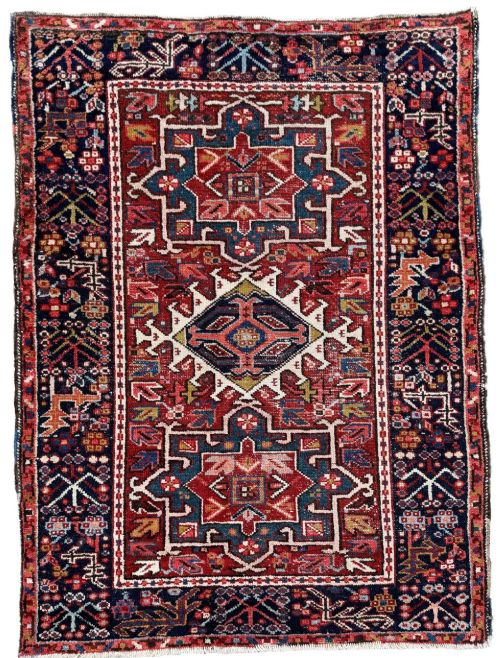
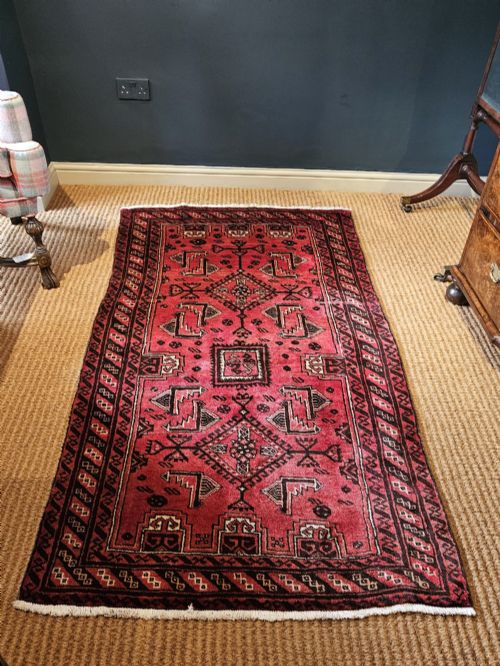
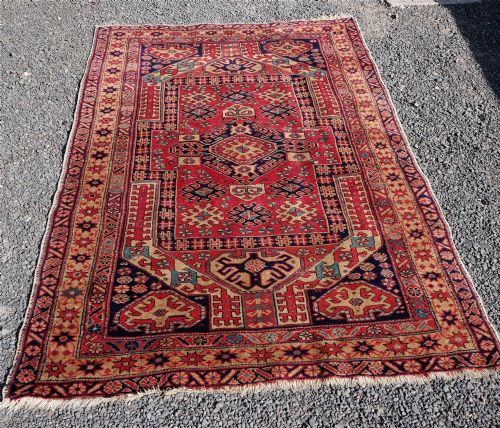
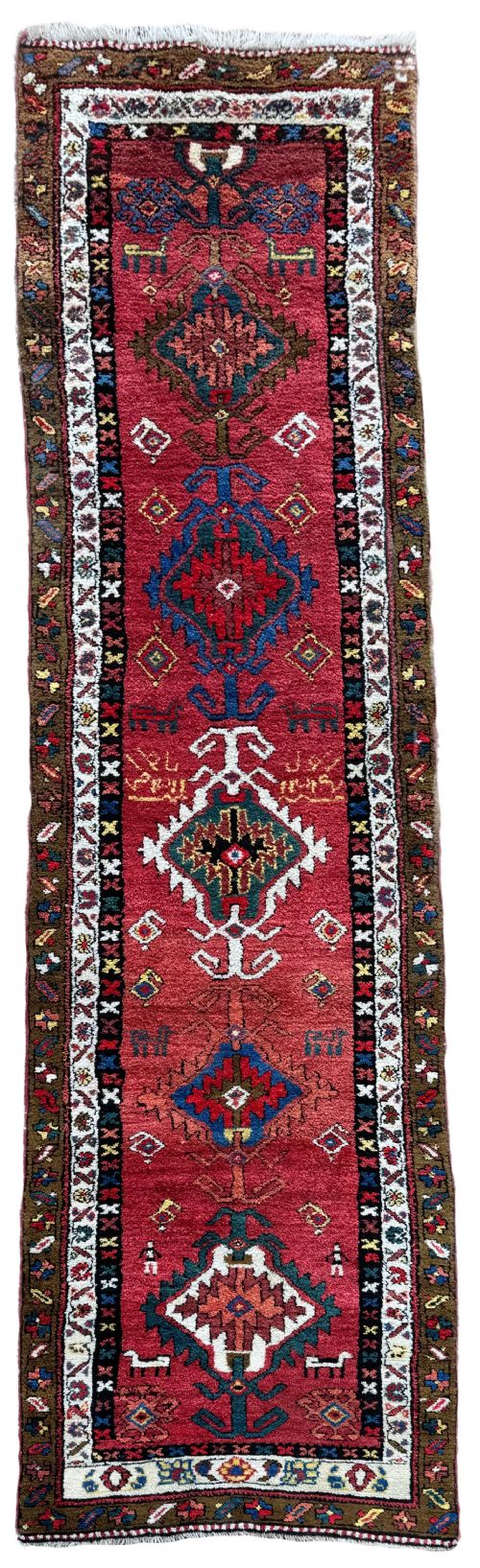
Most pieces on this page are village carpets, runners, and smaller rugs hailing from districts such as Heriz, Khamseh, Afshar, and Hamadan. These objects utilise repeating motifs, central medallions, and angular lines set against rich madder grounds.
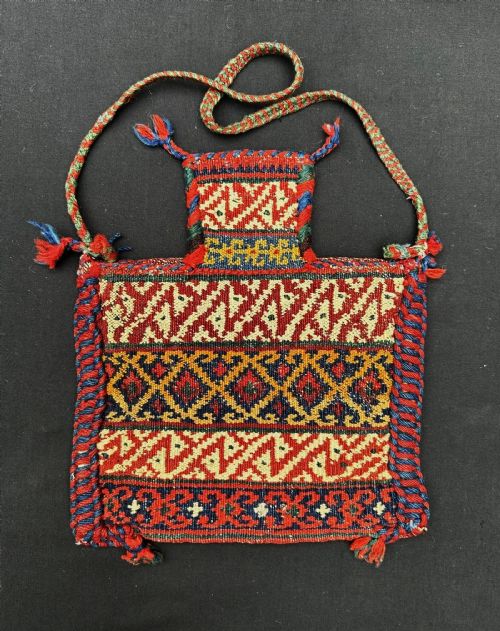
Formats range from compact hearth-sized mats and saddle bags to room-sized carpets and long runners. Each piece reflects the specific aesthetic vocabulary of the weavers who made them without standardised factory templates.
Materials and construction
Makers built these textiles using wool, cotton, and hand-spun wool for both the pile and foundational warps and wefts. The natural resilience of wool provides a dense surface that holds dye with exceptional depth over generations of use.
Weavers knotted the fibres by hand onto cotton or wool foundations, employing symmetrical and asymmetrical knots depending on the regional tradition. Natural dye sources yielded the characteristic deep reds, rust tones, and contrasting indigo details.
Several items double as nomadic tobacco bags and saddle pieces, proving that practical storage once demanded intricate wool artistry.
Assessing quality and execution
The distinction between ordinary and exceptional examples rests on the crispness of the drawing and the saturation of the wool. Stronger pieces display deliberate control over the angular motifs and balanced proportions within the field.
Knot density and the quality of the hand-spun wool further differentiate the standard of weaving. Tighter structures and well-preserved pile secure longevity and maintain the structural integrity of the geometric design.
The Red Geometric Persian Rug Glossary
- Medallion
- A central ornamental motif placed in the middle of the rug field. It dominates the geometric composition of many village carpets.
- Warp
- The vertical threads stretched across the loom that form the structural foundation of the textile. Weavers tie the wool knots directly onto these parallel strands.
- Weft
- The horizontal threads passed between rows of knots to bind the structure together. They stabilize the width of the rug.
- Madder
- A natural plant dye derived from roots that produces rich reds and earthy terracotta shades. It forms the primary background colour for these traditional textiles.
Red Geometric Persian Rug: Frequently Asked Questions
How do I style a geometric rug?
Place the rug on wooden floors or neutral carpets to let the angular patterns anchor the room's seating arrangement.
Keep surrounding furniture simple so the red tones and traditional motifs remain the visual focus of the space.
Are these rugs durable for hallways?
Many long runners and sturdy village weaves were made specifically to handle high foot traffic in corridors and entryways.
Use a quality underlay beneath the textile to prevent sliding and cushion the wool pile against hard floors.
How do I clean old wool rugs?
Vacuum gently across the surface without using rotating brush attachments that might pull at the hand-knotted pile.
Attend to spills immediately by blotting with a damp cloth rather than rubbing the fibres into the foundation.
What makes Heriz rugs distinct?
Heriz carpets feature bold, large-scale geometric medallions and robust geometric corners woven on sturdy cotton foundations.
Their substantial wool and strong structural design make them exceptionally resilient for everyday living spaces.